
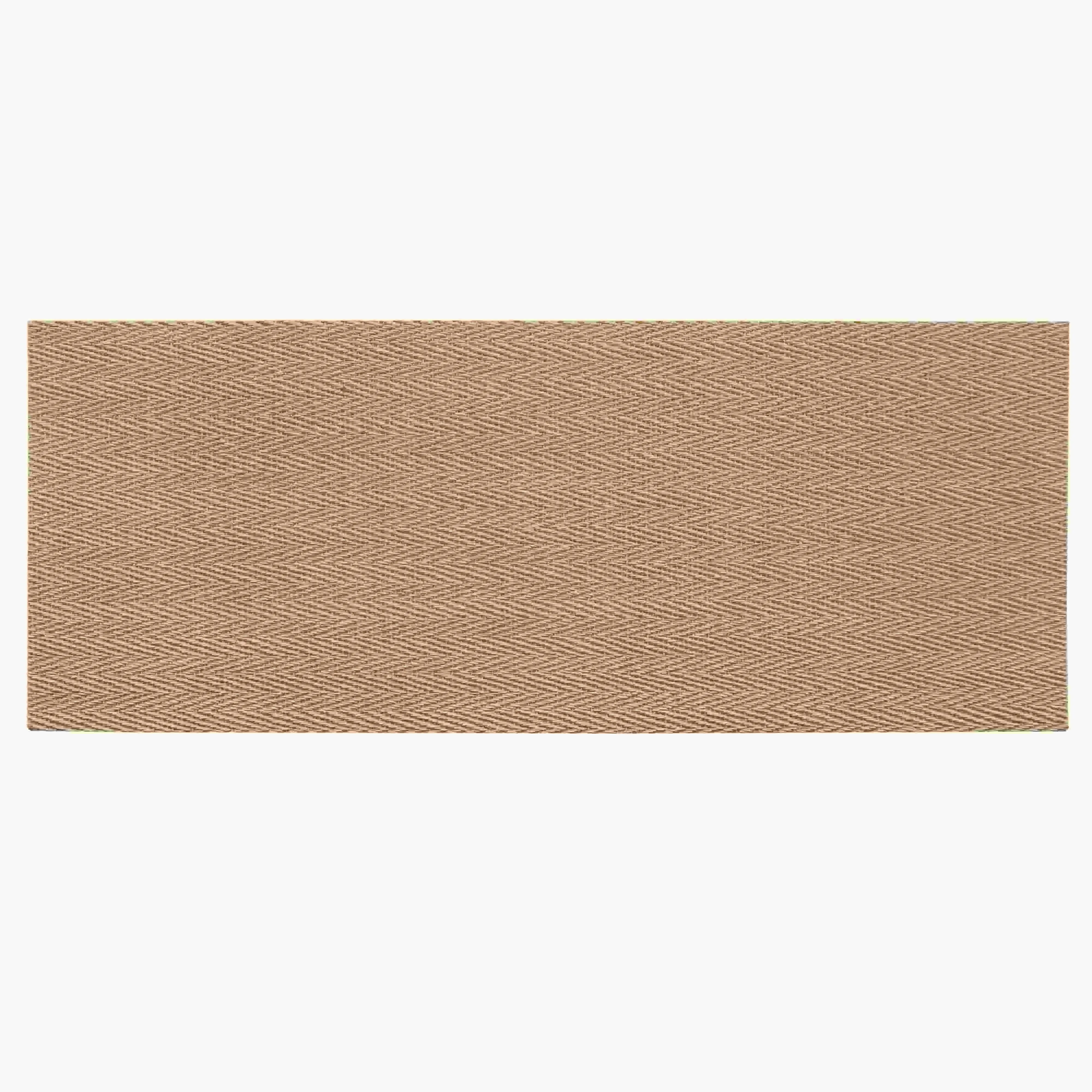
In the world of architectural design, materials aren't just building blocks—they're storytellers. They shape how we feel in a space, how light dances across a wall, and how a room evolves from "functional" to "unforgettable." Today, we're diving into a material that's been turning heads in design circles: Weaving (Khaki) from the MCM 3D Printing Series. It's a blend of age-old textile artistry and cutting-edge 3D printing tech, and it's redefining what's possible for walls, facades, and interiors. Let's unravel its threads—literally and figuratively.
First, let's set the stage. MCM (Modified Composite Material) has already made a name for itself as a game-changer in construction. Lightweight yet durable, flexible yet strong, it's the Swiss Army knife of modern building materials. But when you pair MCM with 3D printing? That's when the magic happens. The MCM 3D Printing Series isn't just about manufacturing efficiency—it's about unlocking designs that were once impossible with traditional methods. Suddenly, textures that mimic handwoven fabrics, organic patterns that feel alive, and precision that leaves no room for error are within reach.
Weaving (Khaki) is the crown jewel of this series. It's not just a "finish" or a "color option"—it's a love letter to craftsmanship. Imagine a material that looks like a well-loved khaki textile, the kind that softens with time but never loses its character, but with the toughness to withstand rain, sun, and the chaos of daily life. That's Weaving (Khaki) in a nutshell. It's where the warmth of natural fibers meets the resilience of MCM, all amplified by 3D printing's ability to nail even the tiniest detail.
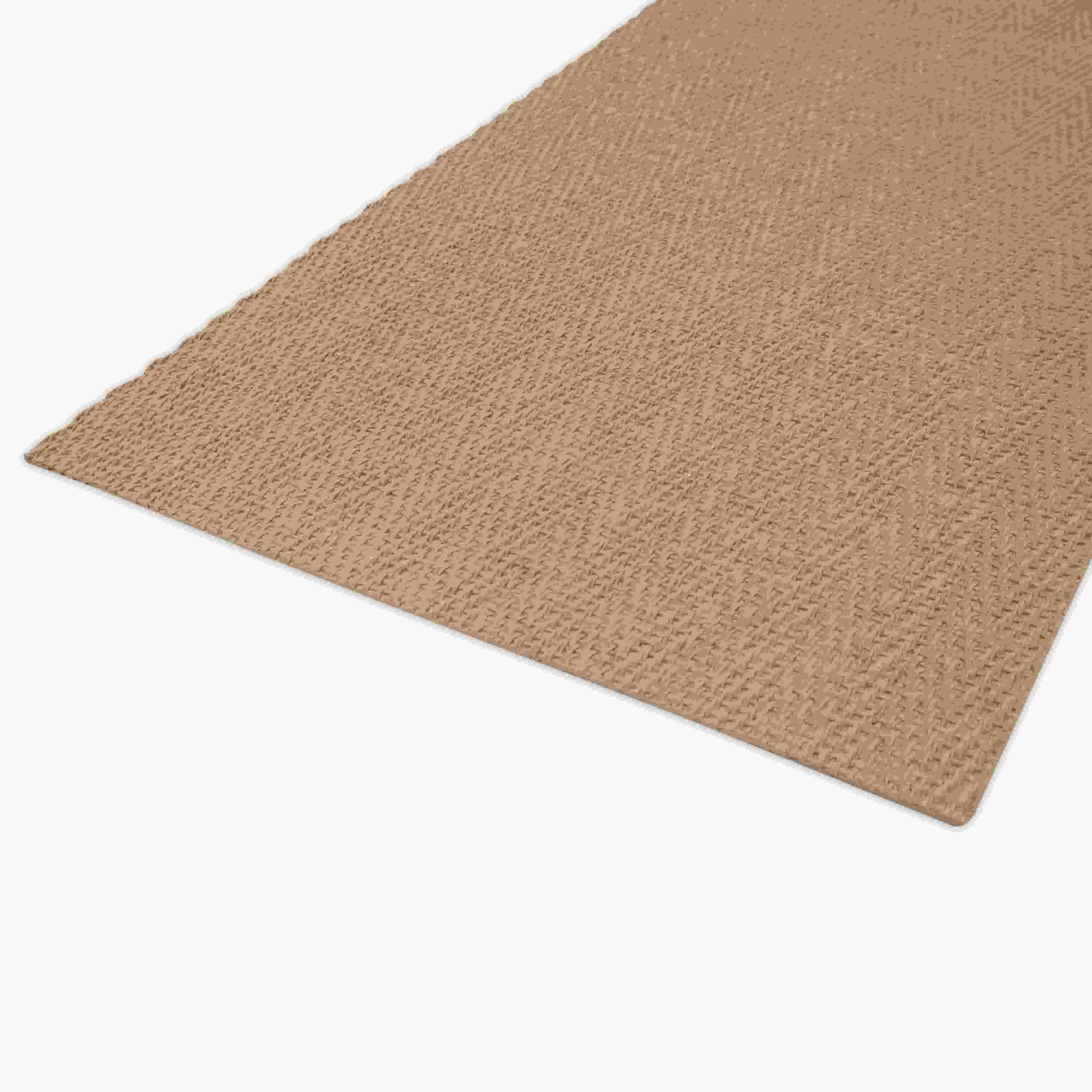
Let's talk about the star of the show: the texture. Run your hand across a panel of Weaving (Khaki), and you'll swear you're touching a handwoven rug or a vintage canvas bag. The 3D-printed "threads" are raised just enough to create depth—about 1.2mm in height—but not so much that they catch dust or feel rough. It's a balance of tactile interest and practicality. The khaki hue itself is a masterclass in understatement: not too green, not too brown, with subtle undertones that shift with light. In the morning, it leans warm and earthy; in the evening, it takes on a soft, golden glow. Designers often say it's "the color of comfort"—the kind that makes a space feel lived-in, not just designed.
"It's like bringing a cozy sweater to life on a wall," says Sarah Lin, an interior designer specializing in residential spaces. "My clients with kids or pets love it because it hides minor scuffs, but my minimalist clients adore it too—there's a quiet sophistication in how the weave catches light."
What makes Weaving (Khaki) truly unique, though, is how the 3D printing process elevates its design. Traditional woven materials are limited by the physical constraints of looms; you can only weave so tight, so intricate, before the material loses structural integrity. But with MCM 3D printing, every "thread" is printed with micrometer precision. The pattern repeats flawlessly across panels, but there's a deliberate "imperfection" baked in—tiny variations in thread thickness, subtle shifts in spacing—that mimic the organic feel of handcraft. It's controlled randomness, and it's genius.
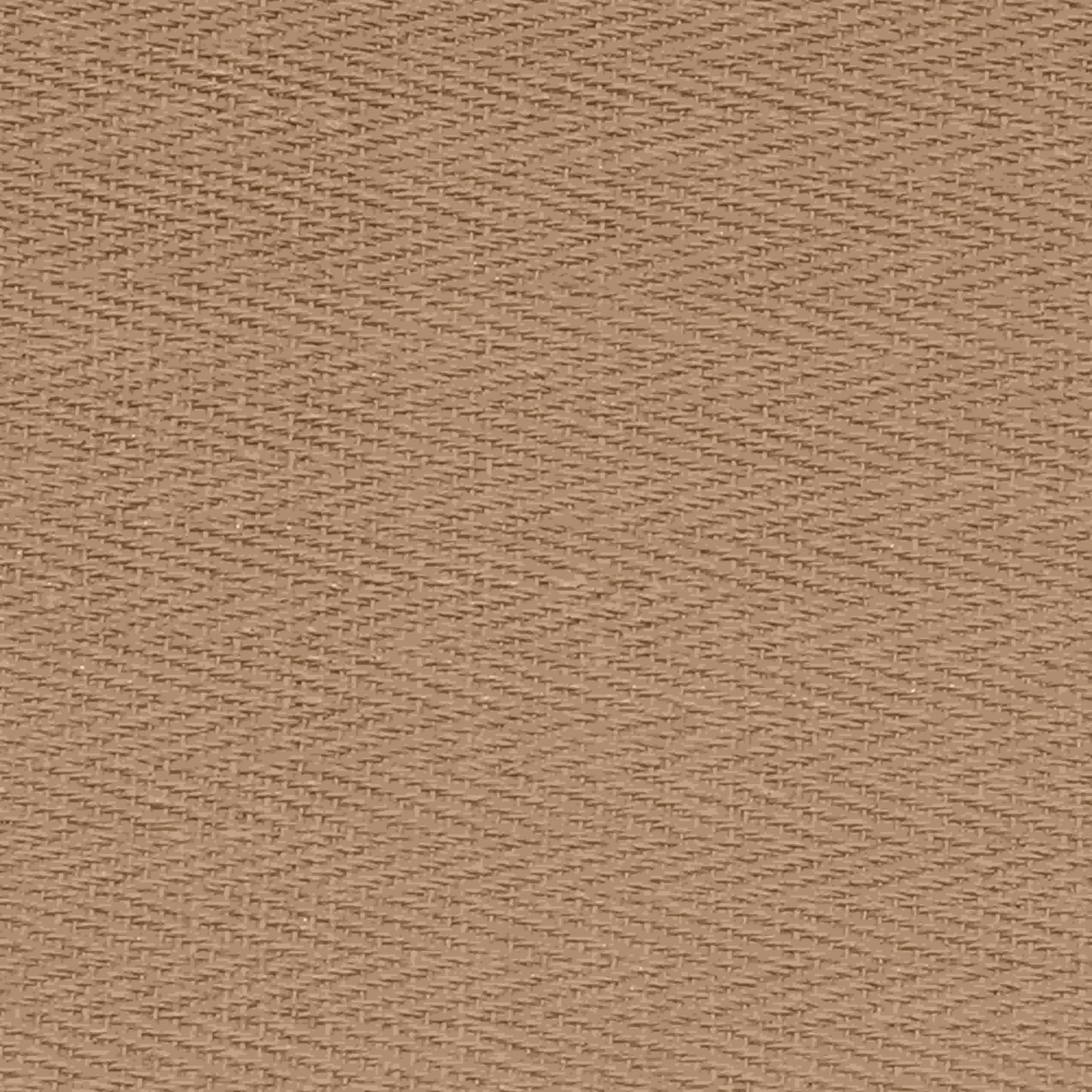
Let's geek out for a second about the tech. MCM 3D printing uses a layer-by-layer deposition process, similar to how a cake decorator pipes frosting, but on an industrial scale. For Weaving (Khaki), the printer extrudes MCM in thin, continuous "strands" that interlace to form the woven pattern. The result? A texture so precise, you could measure the gap between threads with a ruler and find consistency within 0.1mm. That's unheard of with traditional casting or molding methods.
Why does precision matter? For one, it means seamless installations. Imagine cladding an entire lobby wall with Weaving (Khaki) panels—no mismatched patterns, no awkward gaps, just a flowing, continuous weave that feels like a single, giant textile. For another, it opens doors for custom designs. Want to tweak the weave density for a more open, airy look? Or thicken the threads for a bolder texture? The 3D printer adapts, no retooling required. It's design on demand.
Compare this to MCM Flexible Stone —another standout in the MCM lineup. Flexible Stone is incredible for mimicking natural stone textures, but it's best suited for organic, irregular patterns (think rough-hewn rock or flowing marble veins). Weaving (Khaki), on the other hand, thrives on structure. Its geometric yet soft weave is a study in order, making it a perfect complement to Flexible Stone in mixed-material designs. Picture a bathroom wall: Flexible Stone on the shower surround for that earthy, spa-like vibe, and Weaving (Khaki) on the accent wall for a touch of textile warmth. It's a match made in design heaven.
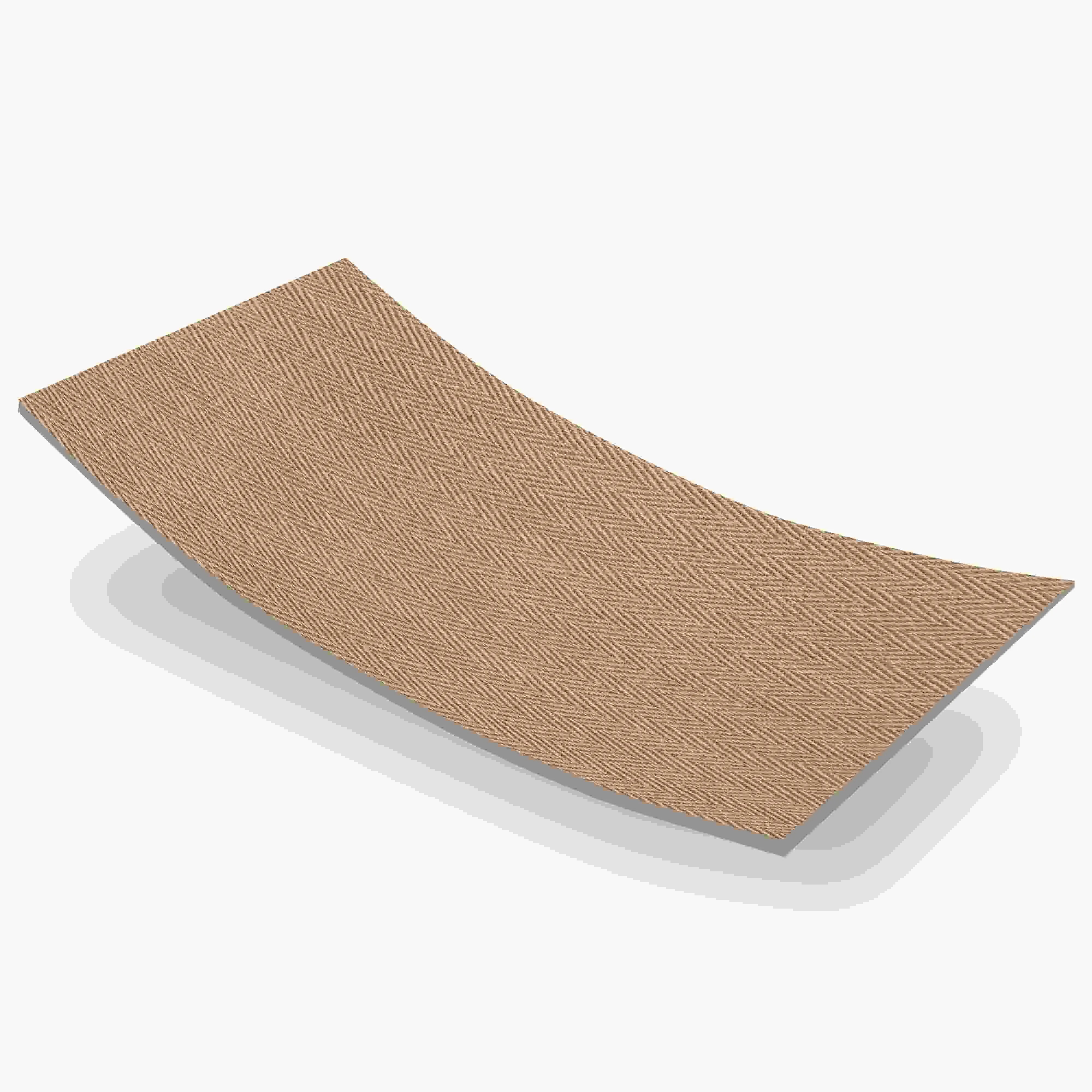
Curious how Weaving (Khaki) compares to other materials in the MCM family? Let's break it down. Below is a quick comparison with two close cousins: Weaving (Beige) (a lighter, softer take on the weave) and Foamed Aluminium Alloy Board (Vintage Silver) (a metallic option for modern spaces).
| Feature | Weaving (Khaki) MCM 3D Printing | Weaving (Beige) MCM 3D Printing | Foamed Aluminium Alloy Board (Vintage Silver) |
|---|---|---|---|
| Texture | Woven textile with 1.2mm raised threads; warm, earthy feel | Similar woven texture, but threads are slightly finer (0.9mm) | Matte metallic with subtle foam pores; cool, industrial vibe |
| Best For | Residential interiors, cafes, hotels (seeking warmth) | Bright, minimalist spaces (lightens rooms) | Modern offices, retail facades, high-traffic commercial areas |
| Durability | Water-resistant, scratch-resistant, UV-stable (50+ year lifespan) | Same as Khaki (MCM core ensures consistency) | Highly durable (foamed alloy resists dents), fire-retardant |
| Design Flexibility | Customizable thread density; works with curved surfaces | Same customization options as Khaki | Limited texture options (metallic finish is fixed) |
| Vibe | Cozy, nostalgic, organic | Airy, calm, contemporary | Sleek, edgy, futuristic |
As you can see, Weaving (Khaki) carves out its niche with that unbeatable blend of warmth and precision. It's not trying to be the shiniest or the most industrial—it's here to make spaces feel human .
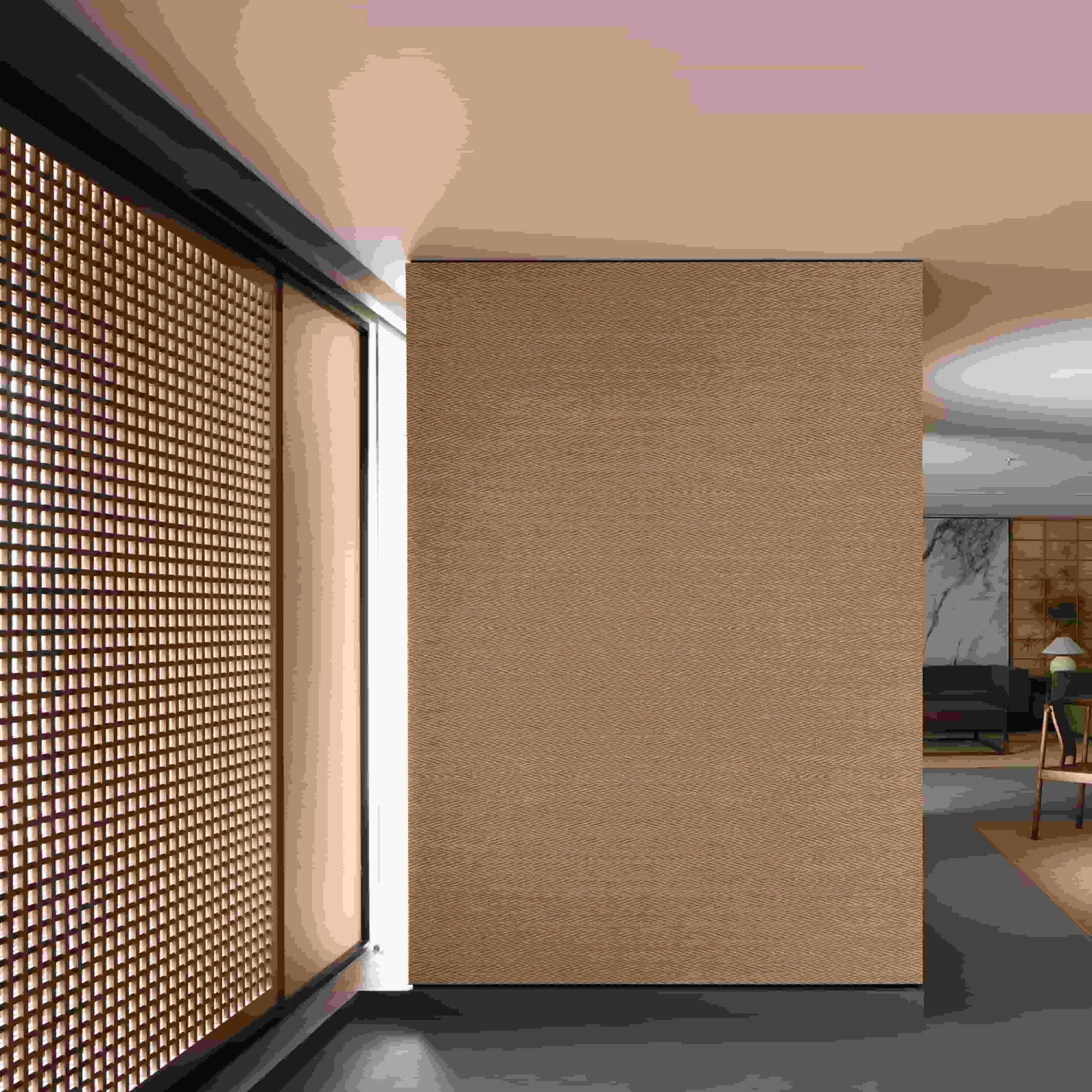
Let's talk real-world applications. Weaving (Khaki) isn't just a pretty face; it's surprisingly versatile. Here are a few places where it's making a statement:
Designers are using Weaving (Khaki) as an accent wall in living rooms and bedrooms, and for good reason. It adds texture without overwhelming a space, making it perfect for renters or homeowners who want to update a room without a full renovation. One client described it as "having a feature wall that doesn't scream for attention—it whispers, 'stay awhile.'"
Café owners love it for its ability to soften industrial-chic aesthetics. Imagine a coffee shop with exposed brick and metal fixtures—add Weaving (Khaki) to the back wall, and suddenly it feels like a friend's cozy kitchen. Co-working spaces, too, are leaning into it; studies show that textile-like textures reduce stress, making it easier to focus (or brainstorm over lattes).
Yes, you read that right—Weaving (Khaki) works outdoors, too. Thanks to MCM's weather-resistant properties, it's been used on building facades in rainy cities like Seattle and sunny spots like Phoenix. Over time, the khaki hue deepens slightly, developing a rich patina that makes the building feel like it's "grown into" its neighborhood.
In today's design world, beauty isn't enough—materials need to walk the walk on sustainability. Weaving (Khaki) checks that box, too. MCM itself is made from recycled minerals and polymers, and the 3D printing process minimizes waste (only the exact amount of material needed is used, no excess cuts or scraps). Plus, since it's lightweight, transporting Weaving (Khaki) panels reduces carbon emissions compared to heavy stone or concrete. It's a small choice with a big impact—proof that luxury and eco-consciousness can go hand in hand.
At the end of the day, materials succeed because they solve a problem for designers. Weaving (Khaki) solves the age-old dilemma: how to add texture and warmth without sacrificing durability or precision. It's a material that feels personal, like it was made for your space, not just any space.
Take Michael Torres, an architect who used Weaving (Khaki) on a boutique hotel in Portland. "We wanted guests to feel like they were staying in a curated home, not a generic hotel," he says. "The woven panels in the lobby do exactly that—people run their hands over them, comment on how 'homey' it feels. It's the little things, right?"
Whether you're a homeowner dreaming of a cozier living room, a designer chasing that "just right" texture, or a builder looking for a material that blends form and function, Weaving (Khaki) from the MCM 3D Printing Series is worth a closer look. It's more than a material—it's a reminder that in design, the most powerful stories are often told in the details: a thread here, a texture there, and a whole lot of heart.
So go ahead—touch it, imagine it, and let Weaving (Khaki) weave its way into your next project. Your space (and your clients) will thank you.
Recommend Products












