
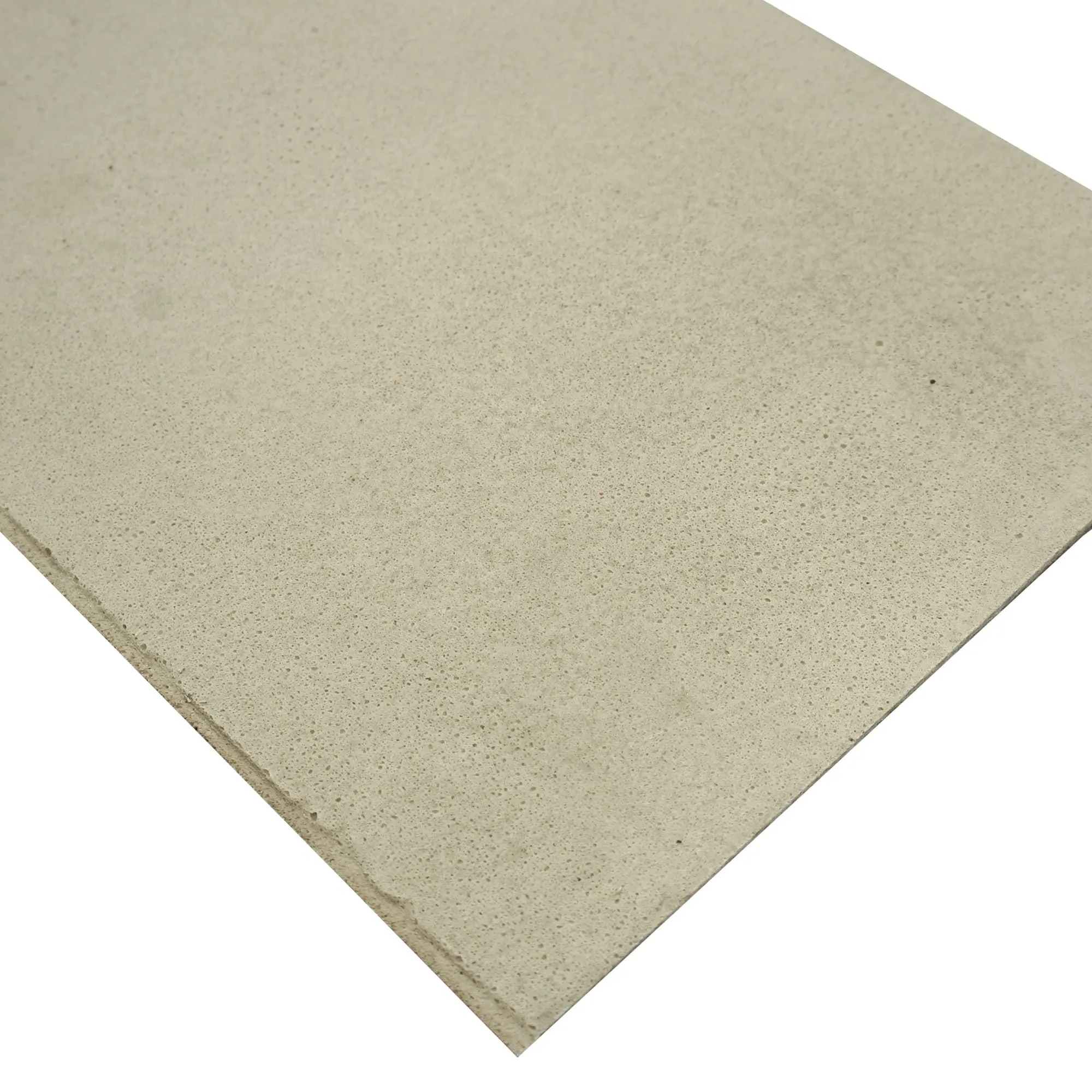
Fair-faced concrete, with its raw, authentic aesthetic, has become a hallmark of modern architecture. It celebrates the natural beauty and texture of concrete itself, transforming a fundamental structural material into a sophisticated design element. However, achieving that "perfect" fair-faced finish—one that is consistently smooth, uniform in color, and free from imperfections—is an art form, a meticulous process that demands precision at every step. It's not just about mixing cement and aggregate; it's about a deep understanding of materials, techniques, and the critical role they play in the final outcome. In this comprehensive guide, we'll dive deep into the essential tips and considerations for anyone aiming to master the craft of fair-faced concrete, ensuring impeccable surface quality every time.
The allure of fair-faced concrete lies in its minimalist appeal and industrial chic. Architects and designers around the globe, from bustling urban centers to serene residential estates, increasingly specify this finish for its unique ability to convey strength, permanence, and understated elegance. From imposing structural walls and grand staircases to delicate decorative elements, its versatility is unmatched. But herein lies the challenge: any flaw, no matter how small, becomes strikingly apparent on such an exposed surface. This means that attention to detail, from the very earliest stages of planning to the final curing, is paramount. Let's embark on this journey to uncover the secrets behind achieving truly exceptional fair-faced concrete.
Before we delve into the 'how-to,' it's crucial to solidify our understanding of fair-faced concrete. Simply put, it refers to concrete surfaces that are left exposed and untreated after the formwork is removed, serving as a finished surface rather than being covered by plaster, paint, or other cladding. The goal is to highlight the natural characteristics of the concrete, including its texture, color variations, and the patterns left by the formwork. The term "fair-faced" implies a surface that is "fair to look at"—a testament to the quality of the concrete mix, the formwork, and the pouring process itself.
This approach places immense pressure on every stage of construction. Unlike concrete that will be hidden, fair-faced concrete offers no room for error. Voids, bug holes, inconsistent color, and formwork marks that might be acceptable on a structural slab become glaring defects on an exposed wall. Achieving a consistently high-quality finish requires a holistic approach, where material selection, mix design, formwork precision, pouring techniques, and curing all work in perfect harmony. It's a challenge, yes, but the rewards—a stunning, durable, and low-maintenance surface—are well worth the effort.
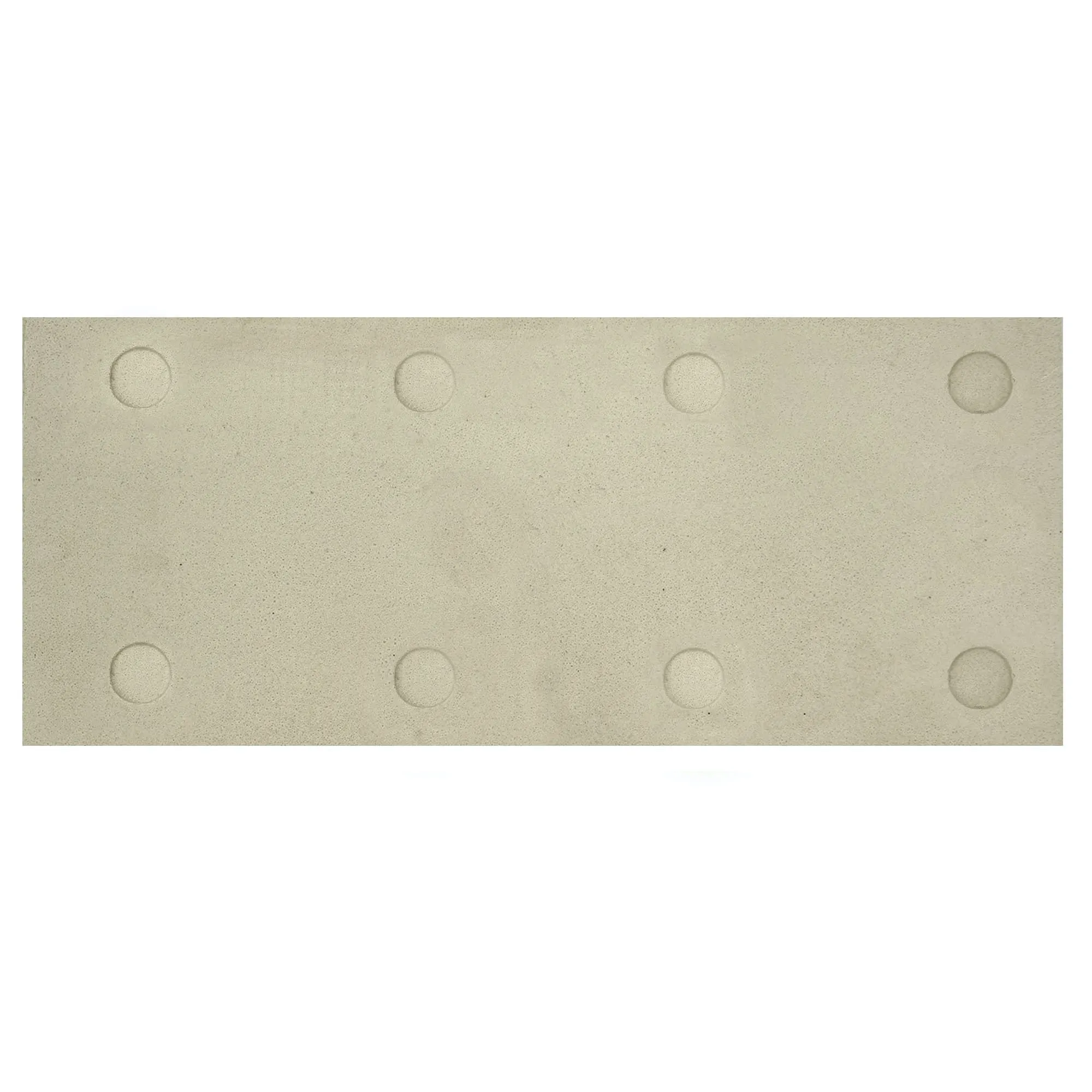
Achieving a perfect fair-faced concrete finish isn't a matter of luck; it's the result of meticulously controlling several critical variables. Think of it as a symphony where each instrument must play its part flawlessly for the overall masterpiece to emerge. Ignoring any one of these elements can lead to disappointing results. Here's a breakdown of the most influential factors:
The concrete mix design is arguably the most crucial factor. It dictates the strength, workability, and most importantly for fair-faced concrete, the final appearance. A well-designed mix ensures consistency in color, texture, and minimizes defects like bug holes and honeycombing.
Aggregate Selection: This is vital. Use high-quality, consistent aggregates (sand and gravel) with uniform grading. Angular aggregates tend to pack better and reduce segregation. The color of the aggregates will significantly influence the final concrete color, so choose carefully.
Cement Type and Source: Stick to a single type and brand of cement throughout the project to avoid color variations. Portland cement is standard, but specialized white cements can offer a lighter, more uniform appearance. Ensure it's fresh and properly stored.
Water-Cement Ratio: This is critical. A low water-cement ratio (<0.45) generally leads to stronger, denser concrete with fewer bug holes and better durability. However, it also reduces workability, so finding the right balance is key. Too much water can lead to segregation, bleed water, and a weaker, more porous surface.
Admixtures: Superplasticizers (high-range water reducers) are often indispensable for fair-faced concrete. They allow for a low water-cement ratio while maintaining excellent workability and flow, crucial for achieving a smooth, dense surface. Air-entraining agents can improve freeze-thaw resistance but might slightly affect the surface texture, so use them judiciously. Retarders might be used for large pours to manage setting times.
The formwork is the mirror reflecting the final concrete surface. Its quality, cleanliness, and construction directly impact the finish. Poor formwork will inevitably lead to a poor concrete finish, regardless of the quality of the mix.
Material Selection: Plywood with a high-quality, smooth, and impermeable face (e.g., phenolic resin-coated) is common. Steel forms offer superior rigidity and a very smooth finish, often preferred for repetitive elements. Plastics can also be used for specific textures. Ensure all panels are of the same type and in excellent condition.
Joints and Sealing: Absolutely critical. Joints between formwork panels must be perfectly sealed to prevent grout leakage (finishing) and unsightly lines. Use high-quality sealant tapes or compressible strips. Even a tiny gap can lead to a visible ridge or a blotchy area. Consider tongue-and-groove joints or carefully feathered edges.
Cleanliness: Forms must be meticulously clean before each pour. Remove any old concrete, dust, oil, or debris. Even small particles can leave imperfections on the surface.
Release Agents: Apply a high-quality, non-staining release agent evenly and thinly. Too much release agent can cause surface discoloration or inhibit adhesion of subsequent coatings (if any). Too little can cause concrete to stick, damaging the surface during stripping. Water-based agents are generally preferred for their environmental friendliness and consistency.
Rigidity and Support: The formwork must be robustly constructed and adequately braced to withstand the pressure of the wet concrete without deflecting or bowing. Any movement during pouring will compromise the surface flatness and overall geometry.
The way concrete is placed and compacted has an immediate and lasting effect on the fair-faced finish. This is where skilled labor and careful execution are non-negotiable.
Placement Method: Pour concrete in continuous layers, not in isolated dumps. Avoid dropping concrete from excessive heights, as this can lead to segregation. Use chutes or tremie pipes for controlled placement, especially in deep forms.
Vibration: Proper vibration is key to removing entrapped air (which causes bug holes) and ensuring the concrete consolidates fully against the formwork. Use high-frequency internal vibrators, but be careful not to over-vibrate (which can cause segregation) or under-vibrate. Systematically insert and withdraw vibrators at regular intervals, ensuring overlap of the zones of influence. For thin walls or delicate features, external vibrators attached to the formwork might be more appropriate.
Pacing: Maintain a consistent pouring rate to avoid cold joints and ensure uniform consolidation. Plan the pour sequence carefully, especially for large or complex structures.
Proper curing is often overlooked but is absolutely vital for developing concrete's strength, durability, and a consistent fair-faced appearance. It's not just about letting it dry; it's about controlling moisture and temperature.
Moisture Retention: Concrete needs moisture to hydrate properly. Keep the exposed surfaces moist for an extended period (typically 7-14 days). This can be achieved through water ponding, wet coverings (burlap), or specialized curing compounds.
Temperature Control: Protect concrete from extreme temperatures. High temperatures can cause rapid drying and cracking, while freezing temperatures can halt hydration and damage the concrete structure.
Protection from Elements: Shield freshly poured concrete from direct sunlight, wind, and rain, which can lead to rapid surface drying and plastic shrinkage cracks.
Removing the formwork too early or too aggressively can damage the still-setting concrete surface. This stage requires patience and care.
Timing: Follow engineering specifications for formwork stripping times, which depend on concrete strength, temperature, and structural requirements. Generally, wait until the concrete has gained sufficient strength to support its own weight and any imposed loads.
Gentle Removal: Strip forms carefully, avoiding sudden jolts or prying that could chip or spall the edges and corners of the fresh concrete.
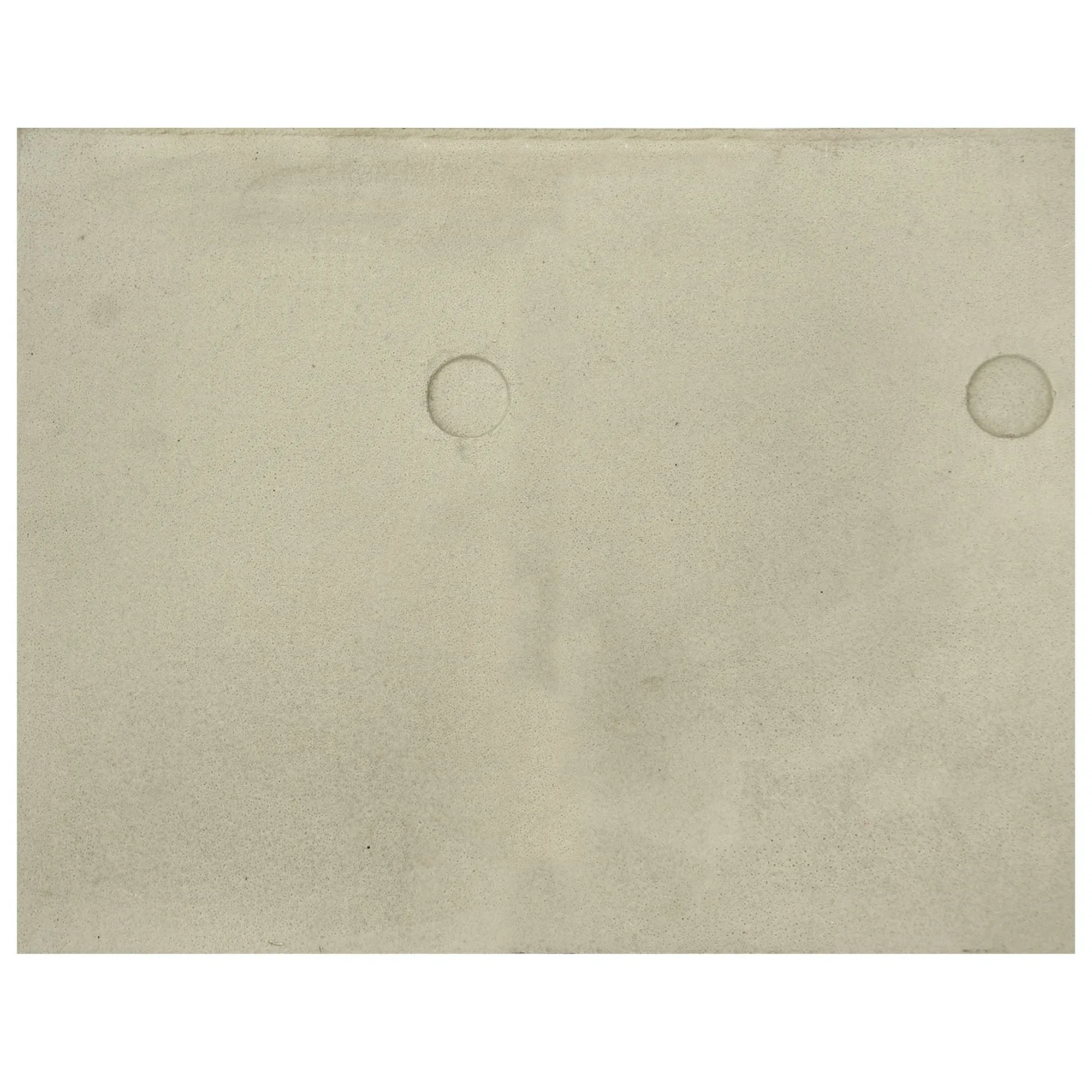
While traditional fair-faced concrete demands rigorous site control, modern advancements in construction materials offer compelling alternatives that streamline the process and deliver consistent, high-quality finishes with greater ease. This is where COLORIA GROUP steps in as a dedicated one-stop solution provider for architectural and construction projects, offering cutting-edge materials that redefine possibilities for both residential and commercial applications globally.
At the core of our innovative offerings is our flagship MCM (Modified Cementitious Material) series . This revolutionary material provides the aesthetic appeal of fair-faced concrete and natural stone but with enhanced performance characteristics, making it an ideal choice for both interior and exterior architectural finishes. Our MCM products are not just substitutes; they are upgrades, designed to overcome many of the inherent challenges associated with traditional concrete applications, especially concerning consistency and environmental impact.
MCM is a testament to sustainable innovation. Crafted from modified clay and cementitious binders, these materials are lightweight, flexible, and exceptionally durable. They offer a diverse range of textures and colors, meticulously engineered to mimic various natural materials, including concrete, stone, timber, and brick, with uncanny realism. Crucially, they address the challenges of achieving consistent surface quality in fair-faced finishes by providing a factory-controlled, ready-to-install solution.
| Feature | Traditional Fair-Faced Concrete | COLORIA GROUP's MCM Solutions |
|---|---|---|
| Consistency in Finish | Highly dependent on site conditions, labor skill, and material batching. Prone to variations in color, texture, and defects. | Factory-produced, ensuring superior consistency in color, texture, and panel quality. Significantly reduces on-site variability. |
| Installation Complexity | Requires skilled concrete pouring, vibration, and curing on-site. Formwork precision is critical. | Easy to install, often lighter weight than traditional materials. Reduces labor time and complexity on-site. |
| Weight | Heavy, requires robust structural support. | Lightweight , reducing structural load and making transportation and handling easier. |
| Flexibility | Rigid, prone to cracking with structural movement. | Flexible (especially MCM Flexible Stone), accommodating minor building movements without cracking. |
| Customization | Limited to formwork design and concrete mix. | Extensive customization options in color, texture, size, and even 3D patterns, catering to unique design visions. |
| Environmental Impact | High energy consumption, significant water usage, waste generation. | Green and sustainable , low energy consumption, reduced carbon footprint, often made from recycled materials. |
| Application | Primarily structural and large-scale architectural elements. | Versatile for both interior and exterior architectural finishes , renovation, and new construction. |
Our MCM series products offer tailored solutions for various project requirements:
MCM Big Slab Board Series: Imagine vast, seamless surfaces that evoke the grandeur of monolithic concrete, but with the practical benefits of a lightweight, easy-to-install board. These large-format panels are perfect for creating impactful interior and exterior facades, walls, and flooring, delivering that desired fair-faced concrete look without the complexities of casting. Their precision manufacturing guarantees unmatched consistency across large areas.
MCM Project Board Series: Designed with the demands of large-scale commercial and residential projects in mind, these boards offer a robust and efficient solution for achieving high-quality finishes. They are engineered for durability and ease of application, making them a preferred choice for architects and contractors seeking reliable performance and a stunning aesthetic.
MCM 3D Printing Series: Pushing the boundaries of design, this series leverages advanced manufacturing techniques to create intricate 3D textures and patterns. It allows for unprecedented customization, transforming walls into sculptural elements that can replicate complex concrete textures or unique geometric designs, offering architects a powerful tool for bespoke projects.
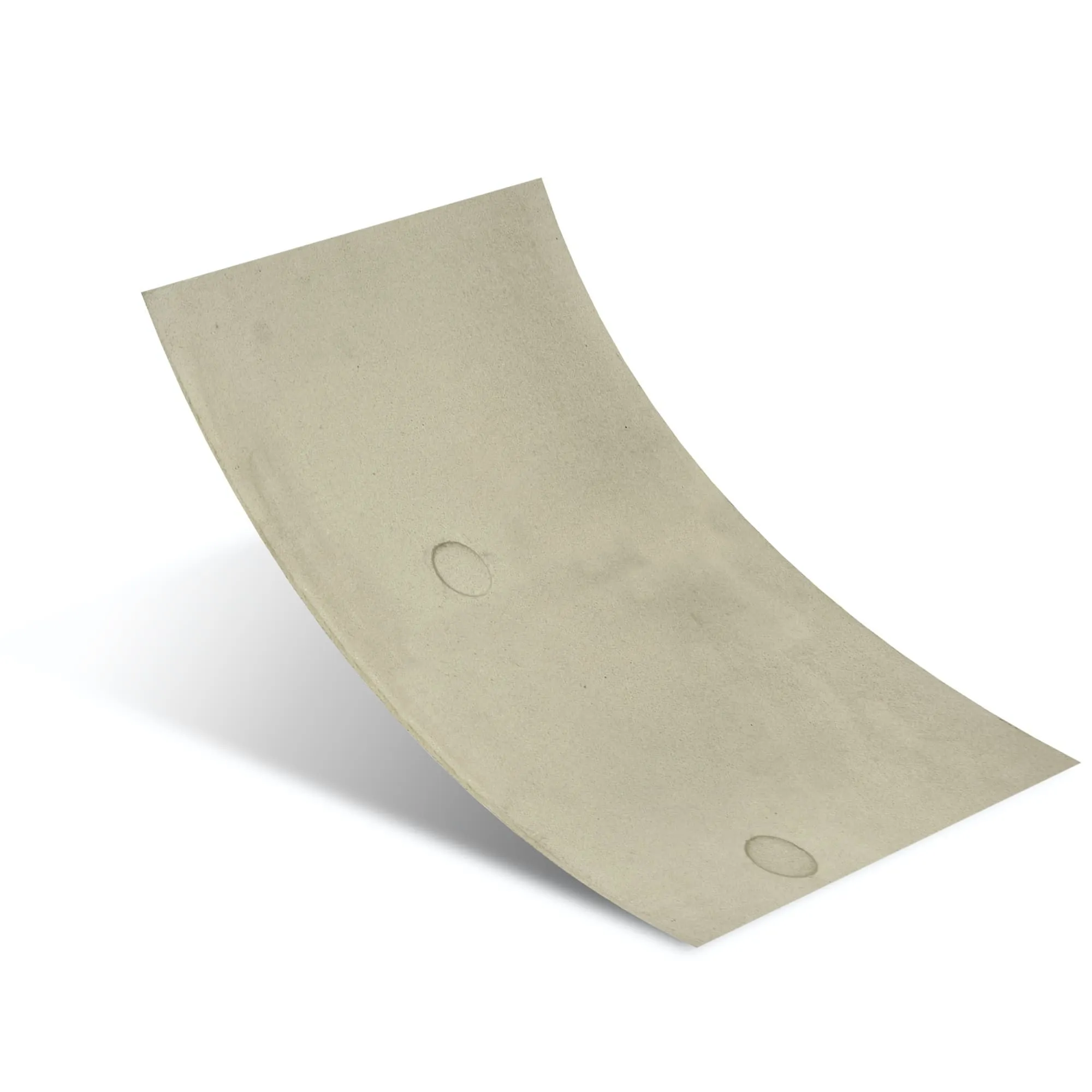
MCM Flexible Stone: For applications requiring the ultimate in adaptability, our MCM Flexible Stone offers the authentic look and feel of natural stone or concrete in a thin, lightweight, and flexible format. It's ideal for curved surfaces, renovations where weight is a concern, or situations where traditional rigid materials are impractical. This product exemplifies how our modified cementitious material can deliver both aesthetic beauty and unparalleled functional advantages.
All our MCM products are engineered for customization and green environmental protection . They provide not just a beautiful finish, but also contribute to healthier, more sustainable building practices. Whether you're replicating the raw elegance of fair-faced concrete, the ruggedness of natural stone, or intricate custom designs, COLORIA GROUP's MCM solutions offer a reliable, aesthetically superior, and environmentally conscious choice.
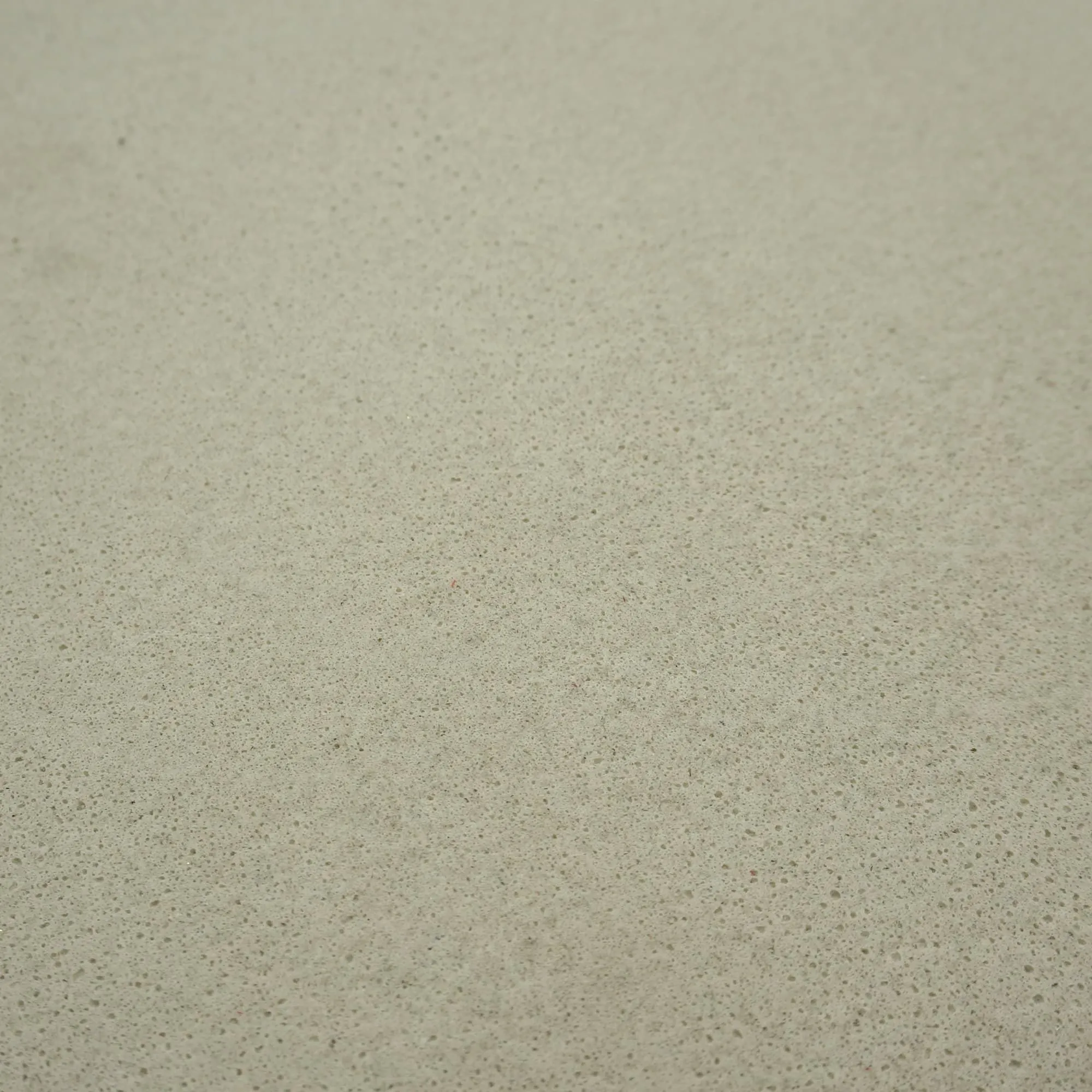
Even with advanced materials, understanding traditional concrete principles remains valuable. For projects where site-cast fair-faced concrete is chosen, here are some additional practical tips:
Mock-ups are Essential: Always, always, always create a mock-up panel before starting the main pour. This allows you to test the concrete mix, formwork, release agent, and pouring techniques under actual site conditions. It's the best way to identify and correct potential issues before they become expensive problems on the final structure.
Consistent Lighting: When inspecting fair-faced concrete, observe it under various lighting conditions, especially natural daylight. What looks perfect in shaded conditions might reveal imperfections under direct sunlight.
Skilled Workforce: Fair-faced concrete demands highly skilled and experienced workers. Invest in training or hire professionals who specialize in this type of work. Even the best materials can be compromised by inexperienced hands.
Communication is Key: Ensure clear communication between the architect, engineer, contractor, and concrete supplier regarding expectations for the finish. Establish acceptable tolerances for color, texture, and surface defects upfront.
Weather Monitoring: Keep a close eye on weather forecasts. Extreme temperatures, high winds, or heavy rain can all adversely affect the quality of a fair-faced concrete pour and cure. Plan pours during optimal weather windows.
Edge and Corner Protection: Freshly stripped concrete edges and corners are vulnerable to damage. Implement measures to protect them from impact during subsequent construction activities.

For those pushing the boundaries of fair-faced concrete, a few advanced considerations come into play:
Colored Concrete: If integral color is desired, use high-quality, UV-stable pigments specifically designed for concrete. Ensure consistent mixing ratios and thorough dispersion to avoid streaking or uneven coloration. Again, mock-ups are indispensable here.
Exposed Aggregate Finishes: While typically smooth, fair-faced concrete can also incorporate exposed aggregate for a different texture. This involves careful timing of surface retardation or sandblasting after stripping. Precision in aggregate size and color is paramount.
Surface Treatments: While the essence of fair-faced concrete is its raw look, protective clear sealers can be applied to enhance durability, resist staining, and deepen the color without altering the natural texture. Choose breathable, non-yellowing products. For COLORIA GROUP's MCM, the need for post-treatment is often significantly reduced or eliminated due to inherent material properties.
Architectural Form Liners: For truly unique textures and patterns, architectural form liners can be integrated into the formwork. These flexible liners impart specific designs onto the concrete surface, ranging from wood grain to complex geometric motifs, offering another layer of customization for designers.
Fair-faced concrete, when executed correctly, is remarkably durable and requires minimal maintenance. However, understanding its long-term behavior and proper care is essential to preserve its pristine appearance. Regular cleaning to remove dirt and environmental pollutants is usually sufficient. For areas exposed to heavy traffic or harsh conditions, periodic application of a breathable sealer can offer added protection. The inherent longevity and robust nature of concrete, especially when formulated and cured to high standards, ensures that a fair-faced finish can maintain its aesthetic integrity for decades.
In contrast, COLORIA GROUP's MCM products offer inherent advantages in maintenance. Designed for resilience and color stability, they often require even less upkeep than traditional concrete, resisting efflorescence and requiring only routine cleaning. This makes them a smart long-term investment, particularly for projects aiming for sustainability and reduced lifecycle costs.
Achieving a perfect fair-faced concrete finish is undeniably challenging, requiring meticulous planning, precise execution, and a deep understanding of materials and processes. It's a journey from raw components to a refined architectural statement, where every decision, from the choice of cement to the timing of formwork removal, plays a pivotal role. The rewards, however, are immense: a surface that speaks volumes about quality, craftsmanship, and timeless design.
Whether you choose the traditional path of on-site concrete pouring or opt for the innovative, consistent, and sustainable solutions offered by COLORIA GROUP's MCM series , the pursuit of perfection remains the goal. Our MCM (Modified Cementitious Material) products , with their exceptional consistency, lightweight nature, and vast customization capabilities, offer a compelling alternative for projects seeking the fair-faced aesthetic with reduced on-site complexity and enhanced environmental benefits. As a one-stop solution provider, COLORIA GROUP is committed to empowering architects and builders to realize their most ambitious visions, ensuring that every project achieves truly consistent surface quality and a perfect finish, every time. The future of architectural surfaces is here, and it's both beautiful and smart.
Recommend Products












