
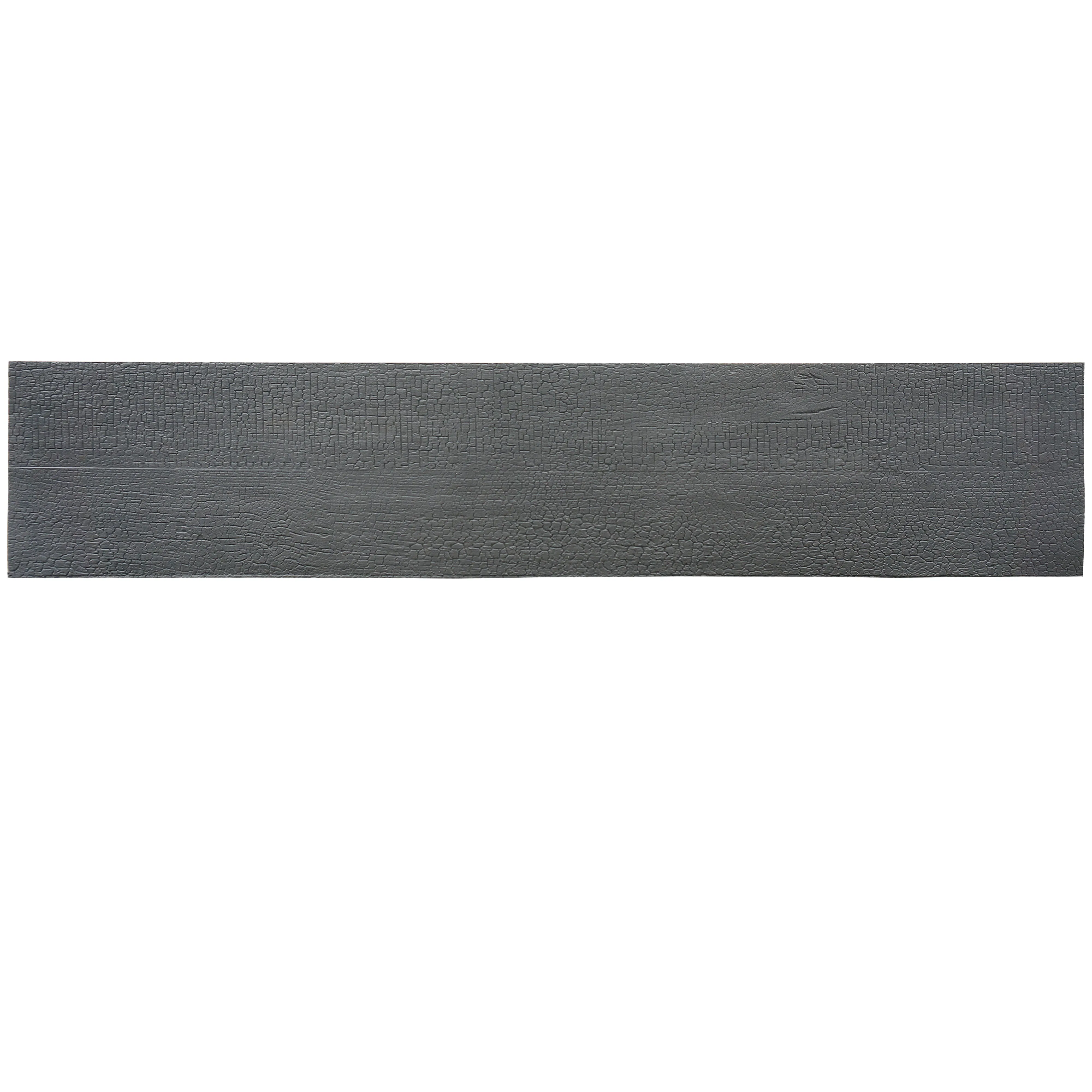
In the world of architectural design, materials are more than just building blocks—they're storytellers. They shape the way we experience spaces, evoke emotions, and connect us to both nature and innovation. Among the most exciting advancements in this realm is Modified Composite Material (MCM) technology, a game-changer that's redefining what's possible in surface design. Today, we're diving deep into one of its most remarkable applications: the precision of real pH control in charcoal burnt wood board production. This isn't just about creating beautiful surfaces—it's about crafting materials that stand the test of time, blend aesthetics with resilience, and open new doors for designers and homeowners alike.
Before we zoom in on pH control, let's take a moment to appreciate what makes MCM so revolutionary. Short for Modified Composite Material, MCM is a lightweight, flexible, and incredibly durable material that combines the best of natural elements and cutting-edge engineering. Unlike traditional stone or wood, MCM products—think MCM flexible stone , wood grain board , or even fair-faced concrete —offer unmatched versatility. They're thin yet strong, easy to install, and resistant to the wear and tear of daily life. But what truly sets MCM apart is its commitment to innovation, and nowhere is that more evident than in the production of charcoal burnt wood boards.
Charcoal burnt wood boards have long been admired for their rustic charm and deep, rich tones. Achieved through a meticulous burning process, these boards carry the warmth of natural wood with an added layer of depth—think of the way sunlight filters through a forest at dusk, casting amber and charcoal hues that feel both timeless and modern. But for years, producers struggled with a critical challenge: maintaining consistency and durability in these boards. Enter MCM technology, and specifically, the breakthrough of real pH control. This isn't just a technical tweak; it's a transformation that elevates charcoal burnt wood boards from "beautiful but delicate" to "stunning and built to last."
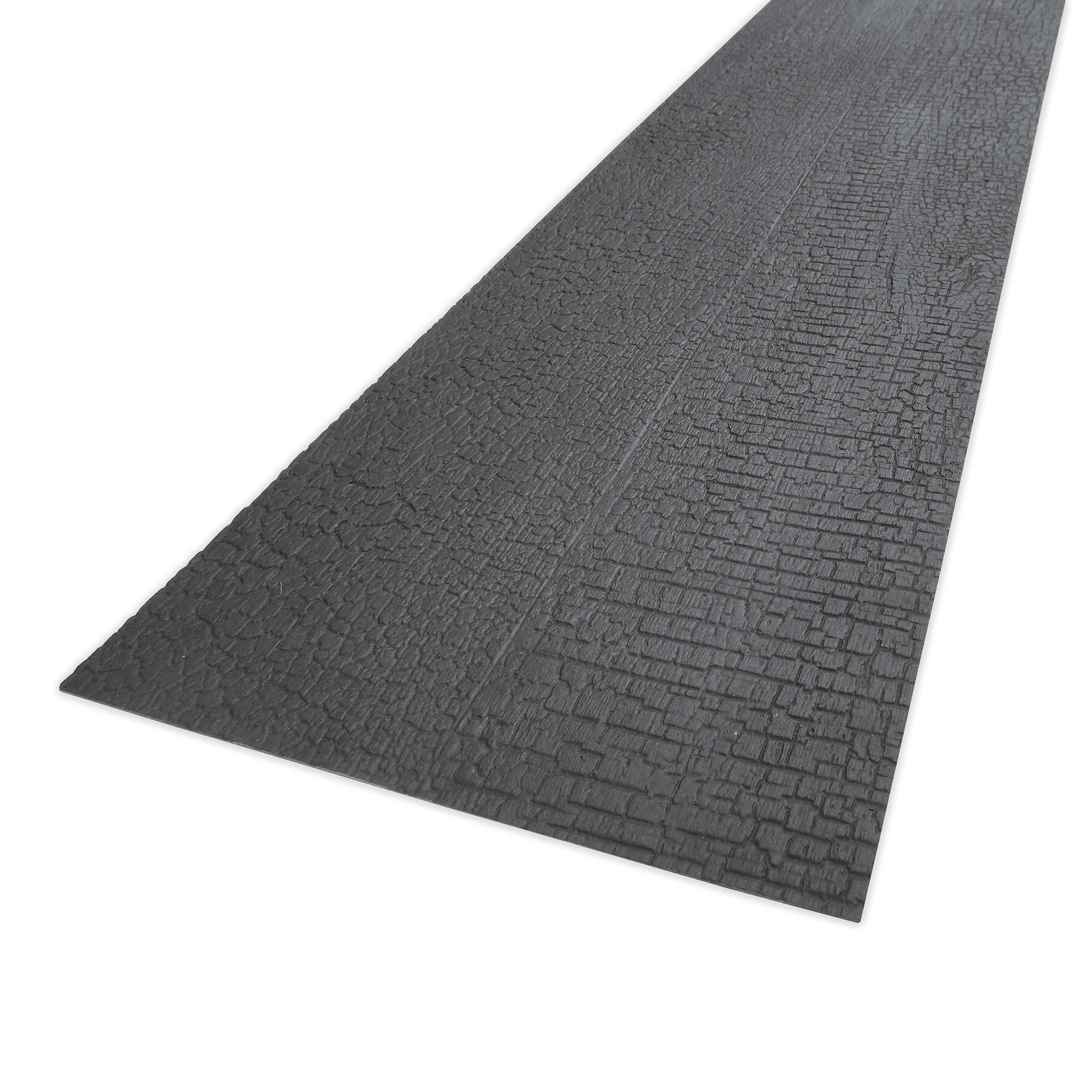
At first glance, pH levels might seem like a topic better suited for a chemistry class than a discussion about wood boards. But in reality, pH—the measure of how acidic or alkaline a substance is—plays a starring role in determining a material's performance. For charcoal burnt wood boards, pH control is the unsung hero that ensures everything from color retention to structural integrity. Let's break it down.
When wood is burnt to create that signature charcoal finish, it undergoes a chemical transformation. The burning process alters the wood's natural pH, which in turn affects how it interacts with adhesives, sealants, and the environment. If the pH is too high (alkaline), the wood might become brittle over time, losing its flexibility and cracking under stress. If it's too low (acidic), the wood could corrode, discolor unevenly, or fail to bond properly with other materials. In traditional production methods, pH was often an afterthought—monitored haphazardly, if at all—leading to inconsistent results: boards that warped, faded, or simply didn't hold up as promised.
MCM technology changes the game by putting real pH control at the center of the process. It's not just about "checking" pH levels; it's about actively managing them with precision. This means using advanced sensors to monitor pH in real time, making micro-adjustments to the burning and treatment processes, and ensuring that every board meets strict pH standards before it leaves the production line. The result? A product that's not only visually striking but also remarkably resilient.
To understand the impact of MCM's pH control, let's compare traditional charcoal burnt wood board production with the advanced MCM approach. The table below highlights key differences in how pH is managed—and why those differences matter:
| Parameter | Traditional Production | MCM Advanced Production |
|---|---|---|
| pH Monitoring | Manual testing, often once per batch | Continuous real-time sensor monitoring |
| pH Target Range | Broad (6.0–8.0), prone to variation | Precise (6.5–7.2), tight tolerance |
| Adjustment Method | Reactive (correcting after issues arise) | Proactive (micro-adjustments during production) |
| Outcome | Inconsistent color, potential warping, shorter lifespan | Uniform finish, enhanced durability, stable bonding |
Let's dig deeper into the MCM process. It starts with selecting high-quality wood fibers, which are then treated to remove impurities that could disrupt pH balance. From there, the wood undergoes a controlled burning phase, where temperature and oxygen levels are carefully regulated—not just to achieve that perfect charcoal hue, but to influence pH. As the wood burns, sensors embedded in the production line continuously measure pH levels, feeding data to a central system that adjusts variables like humidity and cooling time in real time. If the pH drifts too low, for example, the system might introduce a mild alkaline mist to bring it back into range. If it's too high, a gentle acidic solution (harvested from natural sources, aligning with MCM's sustainability goals) can be applied.
This level of precision ensures that every charcoal burnt wood board has a consistent pH, which in turn ensures consistent performance. The wood fibers remain stable, resisting warping even in humid or dry environments. The charcoal finish locks in its color, avoiding the splotchy fading that plagues traditional boards. And perhaps most importantly, the controlled pH creates an ideal surface for bonding with MCM's proprietary adhesives, making installation smoother and ensuring the boards stay firmly in place for decades.
Of course, durability is only part of the story. For designers and homeowners, the real magic lies in how these pH-controlled charcoal burnt wood boards transform spaces. Let's start with aesthetics. Thanks to precise pH management, the color of MCM charcoal burnt wood boards is remarkably consistent. Whether you're installing a single accent wall or covering an entire floor, you'll get the same deep, velvety charcoal tones with subtle variations that mimic natural wood—no patchy light or dark spots to distract from the design. This consistency is a dream for designers aiming for a cohesive look, especially in large-scale projects like hotels, restaurants, or commercial offices.
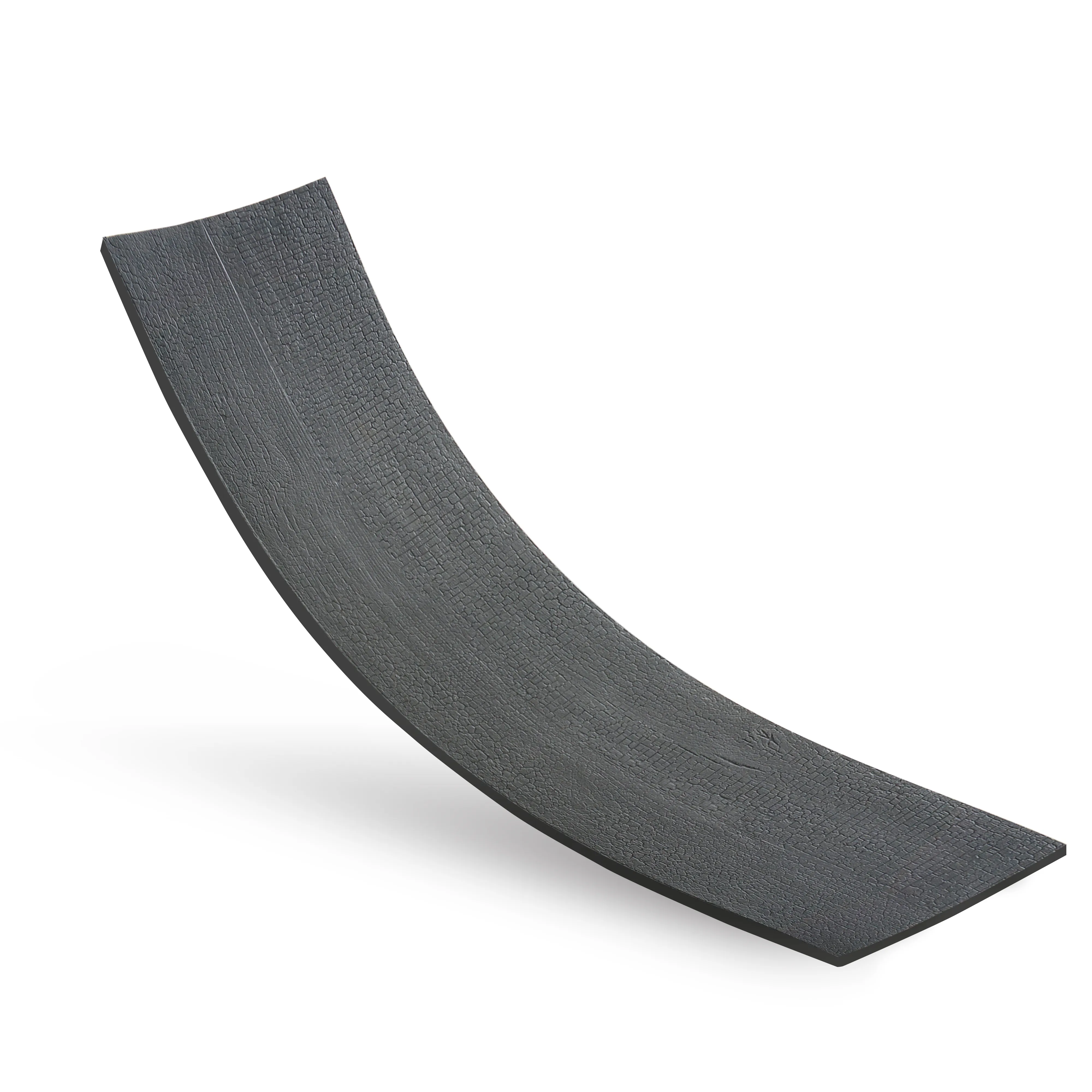
Then there's versatility. MCM charcoal burnt wood boards aren't just for walls. Their lightweight nature (up to 70% lighter than solid wood) makes them ideal for ceilings, furniture, and even outdoor applications like patio cladding. Imagine a backyard oasis with a charcoal burnt wood board feature wall, paired with MCM flexible stone planters and fair-faced concrete flooring—the combination of textures and tones creates a space that feels both rugged and refined. And because pH control ensures resistance to moisture and UV rays, these boards won't fade or degrade in the sun or rain, making them a practical choice for outdoor use.
Another unexpected benefit? Sustainability. By optimizing pH levels, MCM production reduces waste significantly. Traditional methods often result in 10–15% of boards being rejected due to pH-related defects (like warping or discoloration). With MCM's real-time control, that rejection rate drops to less than 2%. Fewer rejected boards mean less wood waste, lower energy consumption, and a smaller carbon footprint—all while delivering a higher-quality product. It's a win-win for both the planet and consumers who care about eco-friendly design.
One of the joys of working with MCM technology is how seamlessly its products complement each other. Charcoal burnt wood boards are just one piece of a much larger puzzle, designed to work in harmony with other MCM materials to create layered, textured spaces. Let's explore a few pairings that showcase this versatility:
Charcoal Burnt Wood + MCM Flexible Stone: The warmth of burnt wood pairs beautifully with the cool, earthy tones of MCM flexible stone . Imagine a living room with a charcoal burnt wood accent wall and a fireplace clad in travertine (vintage black) —the contrast of textures (smooth stone, grainy wood) creates visual interest, while the consistent pH levels ensure both materials age gracefully together.
Charcoal Burnt Wood + Wood Grain Board: For a space that celebrates wood in all its forms, combine charcoal burnt wood boards with wood grain board . The charcoal's deep color acts as a bold backdrop, while the wood grain's lighter tones and visible grain add warmth and depth. This pairing works wonders in bedrooms or home offices, where you want to create a cozy, nature-inspired retreat.
Charcoal Burnt Wood + Fair-Faced Concrete: For an industrial-chic vibe, pair charcoal burnt wood with fair-faced concrete . The raw, unfinished look of concrete balances the organic texture of burnt wood, creating a space that feels modern yet grounded. This combination is perfect for urban lofts or commercial spaces like coffee shops, where aesthetics and durability go hand in hand.
These pairings aren't just about looks—they're about performance. Because all MCM materials undergo rigorous testing (including pH compatibility checks), you can trust that they'll work together seamlessly, resisting wear, moisture, and time. It's this attention to detail that makes MCM a favorite among architects and designers who refuse to compromise on either beauty or functionality.
To truly appreciate the value of pH-controlled charcoal burnt wood boards, let's look at a real-world example. A boutique hotel in Portland, Oregon, recently renovated its lobby using MCM charcoal burnt wood boards for the reception desk and feature walls. The design team wanted a material that would evoke the Pacific Northwest's rugged forests while standing up to heavy foot traffic and constant use. Traditional burnt wood was initially considered but rejected due to concerns about durability in the hotel's humid climate.
Enter MCM's pH-controlled boards. Two years after installation, the lobby still looks as stunning as day one. The charcoal finish hasn't faded, even with large windows letting in sunlight. The boards show no signs of warping, despite the hotel's fluctuating humidity levels. And guests often comment on the warmth of the space—the burnt wood adds a tactile, inviting quality that makes the lobby feel less like a hotel and more like a welcoming living room. For the hotel owners, the investment in MCM technology has paid off not just in aesthetics, but in reduced maintenance costs and positive guest feedback.
Another example comes from a residential project in Colorado, where a homeowner used MCM charcoal burnt wood boards for their outdoor deck. Located in a region with harsh winters and hot summers, the deck needed to withstand snow, rain, and UV rays. Traditional wood decking would have required annual staining and sealing, but the MCM boards—thanks to pH control and MCM's inherent durability—have held up beautifully with minimal maintenance. The homeowner reports that the deck still looks new after three years, with no cracking, fading, or rotting. "It's like having the best of both worlds," they said. "The beauty of real wood, without the hassle."
As impressive as MCM technology is today, the future holds even more promise. Researchers are already exploring ways to expand pH control to other MCM products, from foamed aluminium alloy board (vintage silver) to lunar peak silvery stone, opening up new possibilities for material performance. There's also a focus on enhancing sustainability, with experiments in using recycled materials and bio-based pH adjusters to reduce the environmental impact even further.
Perhaps most exciting is the potential for customization. Imagine being able to tweak pH levels to achieve unique color variations in charcoal burnt wood boards—subtle shifts from deep charcoal to almost-black, or warm undertones of amber or mahogany—all while maintaining the same durability and consistency. MCM technology is making that possible, putting unprecedented creative control in the hands of designers and homeowners.
At the end of the day, MCM technology's real pH control in charcoal burnt wood board production is more than a technical achievement—it's a testament to how science and art can come together to create something extraordinary. These boards aren't just materials; they're expressions of creativity, durability, and respect for the environment. They allow us to build spaces that tell stories, evoke emotions, and stand the test of time.
Whether you're a designer working on a commercial project or a homeowner dreaming of a renovation, MCM products like charcoal burnt wood boards offer a world of possibilities. They remind us that the best materials don't just serve a function—they inspire. And in a world where we're increasingly disconnected from nature, that inspiration is more valuable than ever.
So the next time you walk into a space with MCM surfaces, take a moment to appreciate the science behind the beauty. Behind that charcoal burnt wood wall or that flexible stone countertop is a story of innovation—one that's changing the way we think about design, one pH-adjusted board at a time.
Recommend Products












