
Airports are no longer just waystations between destinations—they're gateways that shape first impressions, tell stories of place, and offer moments of calm amid the rush of travel. A well-designed airport interior can turn a stressful layover into a brief retreat, or a hurried transit into a memorable experience. But behind those seamless, welcoming spaces lies a hidden challenge: balancing beauty with the unforgiving demands of high traffic, variable climates, and the need for long-lasting performance. Enter MCM (Modified Composite Material) solutions—specifically the MCM marble series and its companion lines—which are redefining how we think about airport design. These materials don't just meet the technical needs of busy transit hubs; they infuse them with warmth, character, and a touch of luxury that lingers in travelers' minds.
Think about the average airport: thousands of footsteps daily, luggage being dragged across floors, spills in food courts, fluctuating temperatures from outdoor tarmacs to climate-controlled terminals, and the constant need to look fresh and inviting. Traditional building materials often stumble here. Natural marble, for example, is stunning but porous—prone to staining and scratching under heavy use. Solid concrete can feel cold and industrial, while wood paneling may warp or fade in humid environments. Even ceramic tiles, though durable, can crack under impact and lack the organic texture that makes a space feel human.
Designers and architects have long sought a middle ground: materials that offer the visual richness of natural stone, wood, or concrete, but with the toughness to withstand airport chaos. That's where MCM steps in. Engineered to mimic the look and feel of natural materials while addressing their flaws, MCM products are lightweight, flexible, and built to last—making them a game-changer for spaces that demand both form and function.
MCM, or Modified Composite Material, is a blend of natural minerals, polymers, and reinforcing fibers that creates a material with the best of both worlds: the aesthetic depth of natural stone or wood, and the practical benefits of modern engineering. Unlike traditional materials, MCM is thin (often just 3-5mm thick), lightweight (up to 80% lighter than natural stone), and flexible enough to bend around curves or adhere to uneven surfaces—simplifying installation and reducing structural load on buildings. Yet it's also scratch-resistant, water-repellent, and fire-retardant, making it ideal for high-stress environments like airports.
Among MCM's most celebrated offerings is the marble series—a line that captures the veining, luminosity, and elegance of natural marble without the maintenance headaches. But the magic doesn't stop there. Complementary lines like MCM flexible stone, fair-faced concrete, and lunar peak silvery extend this versatility, offering designers a palette of textures and tones to craft unique, site-specific narratives.
Imagine an accent wall in an airport lounge that curves gently, softening the space and guiding the eye toward floor-to-ceiling windows. Or a check-in counter with a seamless, flowing edge that feels approachable rather than imposing. These design moments are made possible by MCM flexible stone. Unlike rigid natural stone slabs, MCM flexible stone can be bent to radii as tight as 30cm, allowing for organic shapes that traditional materials can't match. Its lightweight nature also means it can be installed on vertical surfaces, ceilings, or even overhead canopies without adding excessive weight to structures—a critical advantage in retrofitted airports where structural limits are tight.
Beyond its flexibility, MCM flexible stone excels in durability. Treated with a protective coating, it resists stains from coffee spills or rainwater tracked in from outside, and its color runs through the material (not just a surface layer), so minor scratches blend in rather than stand out. For airports aiming to balance modernity with warmth, this material is a secret weapon—whether mimicking rough-hewn limestone for a rustic, regional feel or smooth travertine for a sleek, international vibe.
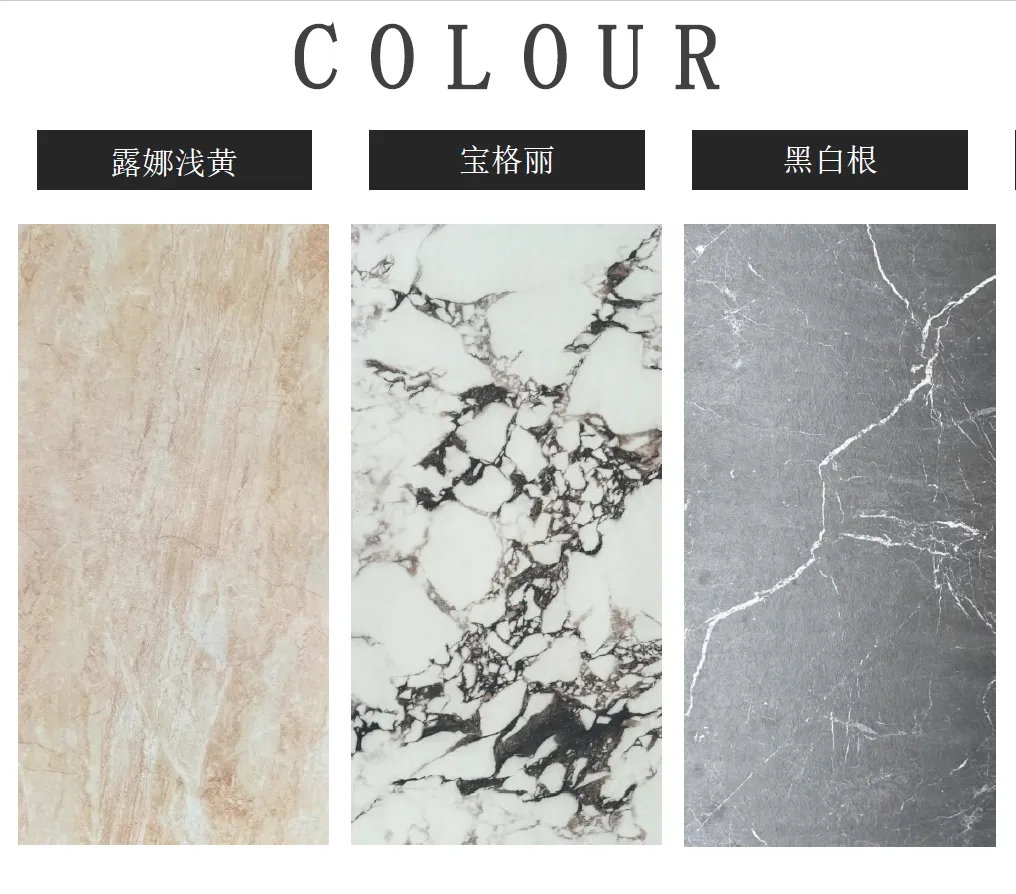
The MCM marble series is where elegance meets practicality. Natural marble has long been associated with luxury—think grand lobbies, high-end hotels—but its upkeep in airports was once unfeasible. MCM changes that by replicating marble's iconic veining, sheen, and depth using advanced molding techniques, then reinforcing it with composite materials to resist wear. The result? Surfaces that look like they were quarried from Italian mountainsides but can handle the daily grind of airport traffic.
Take the marble veil white variant, with its soft, swirling patterns that evoke clouds drifting across a sky. Installed in a VIP lounge, it adds a sense of calm and sophistication, turning a utilitarian space into a mini oasis. Or marble interstellar gray , with its deep, moody tones and subtle metallic flecks—perfect for a modern, futuristic terminal aiming to reflect a city's innovative spirit. Unlike natural marble, these MCM versions won't etch from acidic spills or lose their luster under constant cleaning, ensuring they look as good on day 1,000 as they did on opening day.
Not all airport spaces call for opulence—some thrive on understated, industrial chic. Fair-faced concrete, a staple of MCM's lineup, delivers that raw, honest aesthetic without the drawbacks of traditional concrete. Traditional fair-faced concrete can develop hairline cracks over time, or absorb moisture, leading to discoloration. MCM's take on this material is denser, more uniform, and treated to resist water and stains, making it ideal for high-traffic walkways, baggage claim areas, or even feature walls in budget-friendly terminals.
What makes MCM fair-faced concrete special is its texture. Unlike the cold, smooth finish of polished concrete, it retains the subtle imperfections—tiny air bubbles, slight color variations—that give natural concrete its warmth. In an airport context, this translates to spaces that feel grounded and authentic, like a nod to the craftsmanship of building rather than a sterile transit zone. Pair it with warm lighting, and suddenly "concrete" doesn't feel industrial anymore—it feels intentional.
For airports aiming to project a forward-thinking, cutting-edge identity, the lunar peak silvery line offers a sleek, otherworldly vibe. Mimicking the look of polished metal with a hint of iridescence, this MCM variant shimmers subtly under overhead lights, evoking the glow of moonlight on a dark surface. It's a material that feels both futuristic and timeless—perfect for international hubs that want to signal progress without feeling trendy.
Beyond its visual appeal, lunar peak silvery is surprisingly practical. Its metallic finish is scratch-resistant, so luggage wheels and scuff marks barely register, and it's easy to clean—just a wipe with a damp cloth keeps it looking fresh. Installed in duty-free storefronts or as a backdrop for digital flight information screens, it adds a layer of sophistication that elevates the entire space. Plus, its lightweight composition means it can be used in large panels, reducing installation time and minimizing disruption during terminal upgrades.
Every airport needs a "wow" moment—a space that makes travelers pause and reach for their phones. Enter travertine (starry blue), a standout in MCM's travertine lineup. Unlike traditional travertine, which is known for its earthy beige and ivory tones, this variant features a deep blue base dotted with flecks of silver and white, mimicking a starry night sky. It's bold, unexpected, and utterly memorable—exactly the kind of detail that turns a generic terminal into a destination.
Installed in a lounge area or along a long corridor, starry blue travertine transforms a functional space into a conversation piece. Imagine sitting by a window, waiting for your flight, and glancing up to see a wall that looks like it's been sprinkled with stardust. It's a small touch, but it turns "waiting" into "experiencing." And because it's MCM, that beauty isn't fragile—those starry flecks won't fade, and the blue base won't stain, even with heavy use.
Still skeptical? Let's break down how MCM products stack up against traditional materials in the high-pressure world of airports. The table below compares key factors like durability, weight, installation ease, and aesthetic versatility—so you can see why architects and designers are making the switch.
| Material | Durability (Scratch/Stain Resistance) | Weight (kg/m²) | Installation Time (per 100m²) | Aesthetic Range | Best For |
|---|---|---|---|---|---|
| Natural Marble | Low (porous, prone to etching) | 20-25 | 3-4 days (requires skilled labor) | High (veins, luminosity) | Low-traffic luxury spaces (e.g., VIP lounges) |
| MCM Marble Series | High (non-porous, scratch-resistant coating) | 3-5 | 1-2 days (lightweight, easy to cut) | High (mimics natural veining, custom colors) | High-traffic areas, accent walls, check-in counters |
| Traditional Concrete | Medium (prone to cracking, staining) | 22-24 | 2-3 days (requires curing time) | Low (limited texture, color options) | Industrial-style floors, structural elements |
| MCM Fair-Faced Concrete | High (dense, water-resistant) | 4-6 | 1 day (no curing needed, flexible installation) | Medium-High (custom textures, consistent color) | Walkways, baggage claim, feature walls |
| Natural Travertine | Medium (porous, requires sealing) | 18-20 | 2-3 days (brittle, hard to cut) | Medium (earthy tones, natural pits) | Decorative accents, low-traffic walls |
| MCM Travertine (Starry Blue) | High (sealed surface, scratch-resistant) | 3-4 | 1 day (flexible, lightweight) | High (custom starry patterns, vibrant colors) | Statement walls, lounge areas, retail spaces |
Let's paint a picture of how these materials might work together in a real airport. Imagine arriving at a mid-sized international hub: as you step off the jet bridge, you're greeted by a wall clad in lunar peak silvery, its soft shimmer reflecting the morning light and setting a calm, modern tone. To your left, a bank of check-in counters features the MCM marble series in marble interstellar gray, their sleek surfaces complemented by warm wooden accents. As you walk toward security, the floor transitions from fair-faced concrete (durable enough for rolling suitcases) to a subtle pattern of travertine (starry blue) inlays, guiding your path like constellations in the night sky.
Past security, the departure lounge offers a mix of textures: MCM flexible stone in a warm beige hue lines the walls, softening the space, while overhead canopies in lunar peak silvery add height and drama. A small café area features a bar top made of the MCM marble series (marble veil white), its veining echoing the clouds outside the windows. Even the restrooms feel intentional, with starry blue travertine accents adding a touch of whimsy to an otherwise utilitarian space.
What makes this vision possible is MCM's versatility. Each material plays a role: some handle heavy use, others add visual interest, and together they create a cohesive, intentional space that feels both polished and approachable. And because MCM is lightweight and easy to install, updates down the line—whether refreshing a wall color or reconfiguring a lounge—are simple, minimizing downtime for the airport and disruption for travelers.
Airports are more than buildings—they're experiences. And experiences are shaped by the details: the feel of a wall under your hand, the way light plays on a surface, the quiet confidence of a space that feels both beautiful and built to last. MCM marble series and its companion lines—MCM flexible stone, fair-faced concrete, lunar peak silvery, and travertine (starry blue)—don't just meet the technical demands of airport design; they elevate it. They prove that durability and beauty don't have to be trade-offs. In fact, when done right, they can be partners, creating spaces that welcome travelers, tell stories, and stand the test of time. The next time you find yourself in an airport, take a moment to look around—chances are, the materials that catch your eye are more than just pretty faces. They're MCM, working quietly to turn transit into something memorable.
Recommend Products












