

Airport terminals are more than just transit hubs—they're gateways. They're the first hello a city extends to arriving travelers and the last goodbye to those departing. In these bustling spaces, where millions of footsteps echo daily, where coffee spills, luggage wheels scrape, and time feels both fleeting and endless, the materials that shape the environment carry enormous weight. They must endure the chaos of high traffic while wrapping passengers in a sense of calm, beauty, and purpose. Enter Red Travertine MCM—a material that doesn't just meet these demands; it redefines what's possible for airport design.
Imagine (oops, scratch that—let's experience it) stepping into a terminal where the floor beneath you isn't cold or sterile. It's warm, with rich, earthy red tones that flow like a river of sunset, interrupted only by delicate, star-like flecks that catch the light as you walk. This isn't just stone. It's Red Travertine MCM, and in spaces where durability and beauty are non-negotiable, it's changing the game.
Airport terminals are architectural puzzles. On one hand, they need to withstand the kind of wear that would turn lesser materials to dust: think 50,000+ passengers daily, each with heavy bags, strollers, or rolling suitcases. On the other hand, they need to feel human . Cold, industrial spaces can heighten travel stress; warm, thoughtfully designed ones can turn a frantic layover into a moment of peace.
Traditional materials often fall short here. Marble, while stunning, is prone to scratching and staining. Granite, though durable, can feel harsh and uninviting. Concrete, the workhorse of construction, lacks the organic warmth that makes a space feel alive. So what's the solution? A material that marries the best of all worlds: the durability of concrete, the beauty of natural stone, and the flexibility to adapt to the unique demands of airport design. That's where Red Travertine MCM steps in.
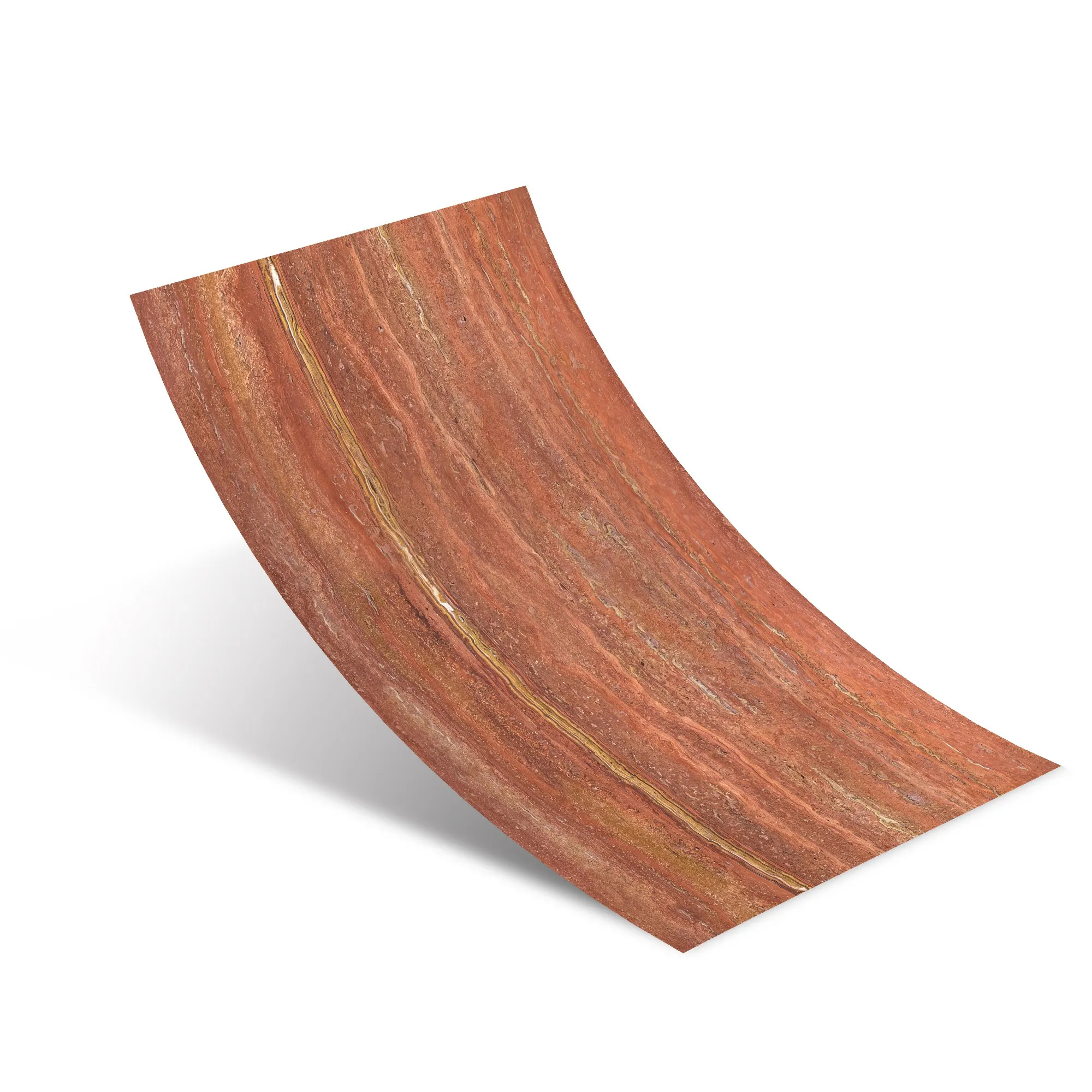
MCM, or Modified Composite Material, is a revolutionary category of building materials designed to mimic the look and feel of natural stone while addressing its biggest flaws. Red Travertine MCM takes this a step further by channeling the timeless allure of travertine—a stone formed over millennia by mineral-rich hot springs—with a modern twist. Its base is a lightweight, flexible composite that's reinforced to handle heavy foot traffic, making it part of the broader MCM flexible stone family.
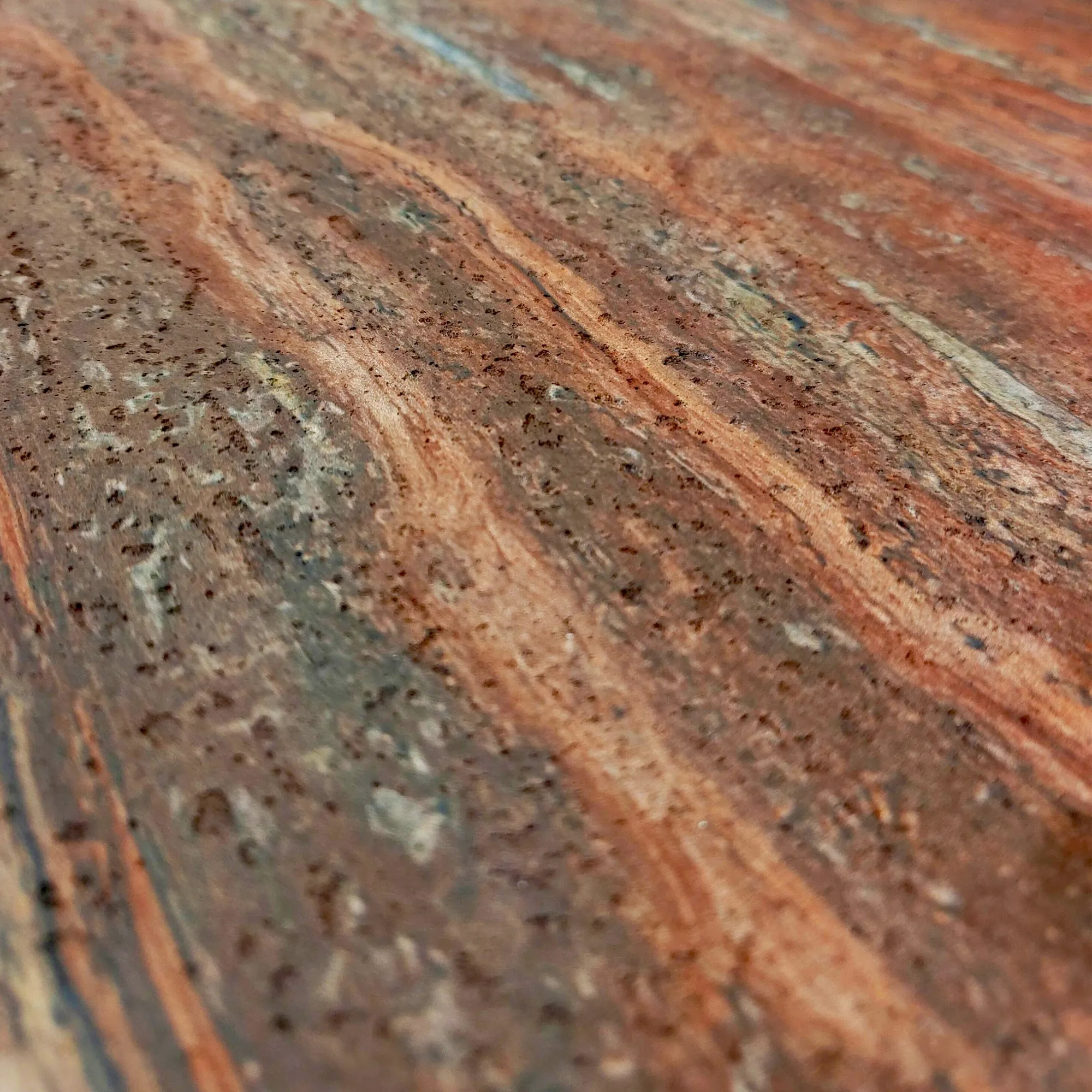
What sets Red Travertine MCM apart, though, is its aesthetic. Unlike uniform synthetic materials, it boasts the natural veining and texture of authentic travertine, but with controlled color consistency that ensures large installations feel cohesive. And for designers craving something truly unique, there's Travertine (starry red) —a variant where tiny, iridescent particles are embedded into the surface, creating the illusion of a starry night sky frozen in stone. It's not just flooring or cladding; it's a story underfoot.
Let's zoom in on a real-world example: New Horizon International Airport, a mid-sized hub that underwent a $200 million renovation in 2024. The goal? To turn a cramped, outdated terminal into a "destination within a destination"—a space that felt spacious, welcoming, and uniquely reflective of the region's desert landscapes. The design team faced a tall order: the main concourse, which sees 30,000 passengers daily, needed flooring that could handle constant foot traffic, resist stains from spilled drinks and food, and still look stunning 10 years down the line.
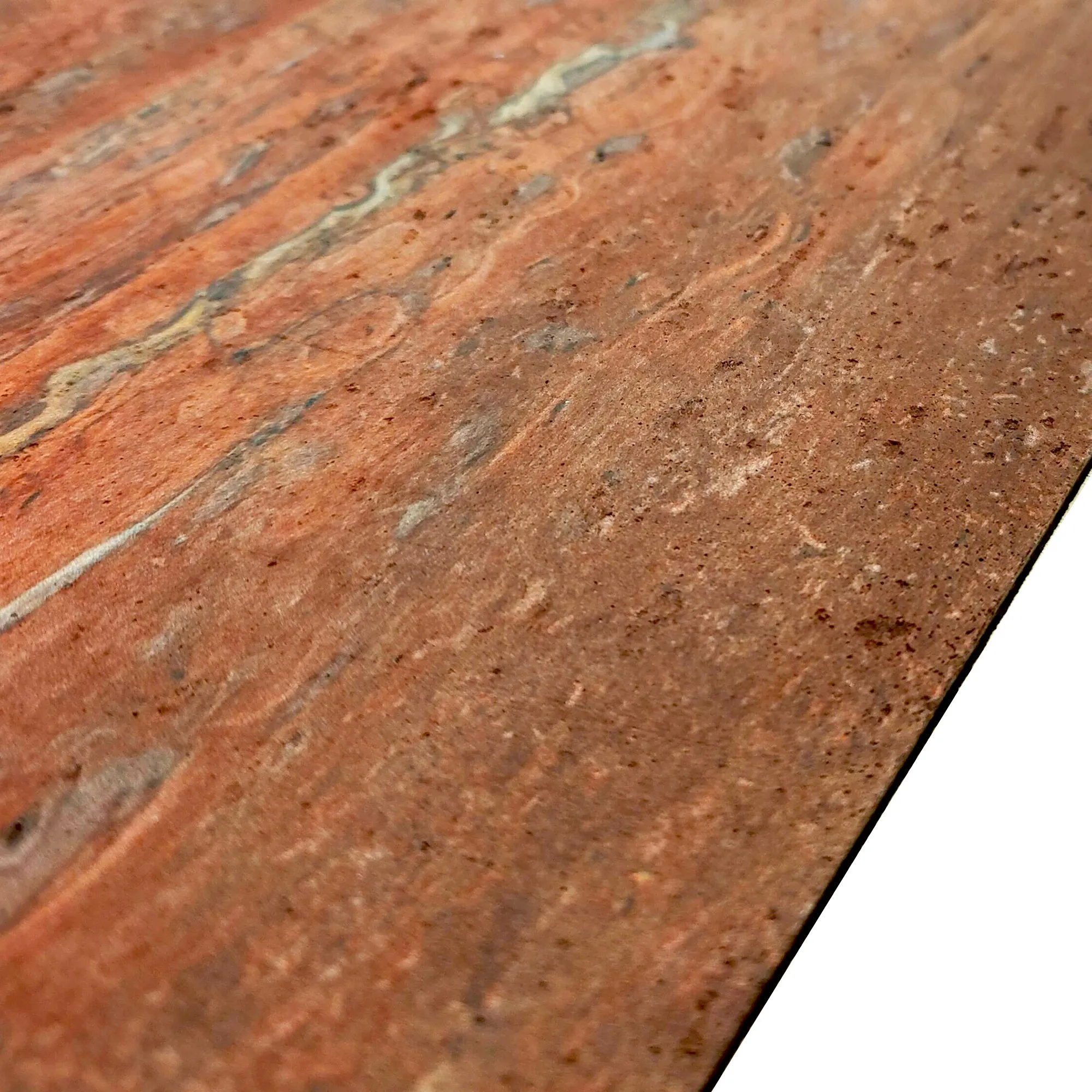
After testing dozens of materials, the team landed on Red Travertine MCM—specifically the MCM big slab board series for the concourse floors. Why big slabs? Traditional stone tiles come with grout lines that trap dirt, crack over time, and disrupt the visual flow. The MCM big slab series, however, offers panels up to 1200x2400mm, minimizing seams and creating a seamless, almost liquid-like expanse of red stone. For New Horizon, this meant fewer maintenance headaches and a more immersive aesthetic.
To complement the warmth of the Red Travertine, the designers paired it with fair-faced concrete for the walls and pillars. Fair-faced concrete's raw, industrial texture balanced the organic softness of the travertine, creating a space that felt both grounded and airy. "We wanted passengers to feel like they were walking through a desert canyon at sunset," said lead architect Maria Gonzalez. "The Red Travertine MCM's starry red variant added those subtle, glittering details—like sunlight reflecting off sand—that make the space feel alive, even during the busiest rush hours."
Let's break down the benefits that made Red Travertine MCM the star of New Horizon's renovation—and why it's becoming a go-to for airports worldwide:
Airport floors don't just see foot traffic—they see intense foot traffic. Heels, rolling luggage, heavy carts, even the occasional dropped tool during maintenance. Red Travertine MCM is engineered to handle it all. Its composite core resists chipping and cracking, while the surface is treated to withstand scratches and stains. In lab tests, it's shown to retain its appearance after 100,000+ abrasion cycles—equivalent to over a decade of heavy use in a busy terminal.
Traditional natural stone is heavy—so heavy that installing it in large slabs often requires reinforced subfloors and specialized equipment. Red Travertine MCM, though, is up to 70% lighter than natural travertine. That means faster installation (critical for airports, which can't afford long shutdowns) and lower structural costs. Its flexibility also allows it to be installed over uneven surfaces, reducing the need for extensive subfloor preparation.
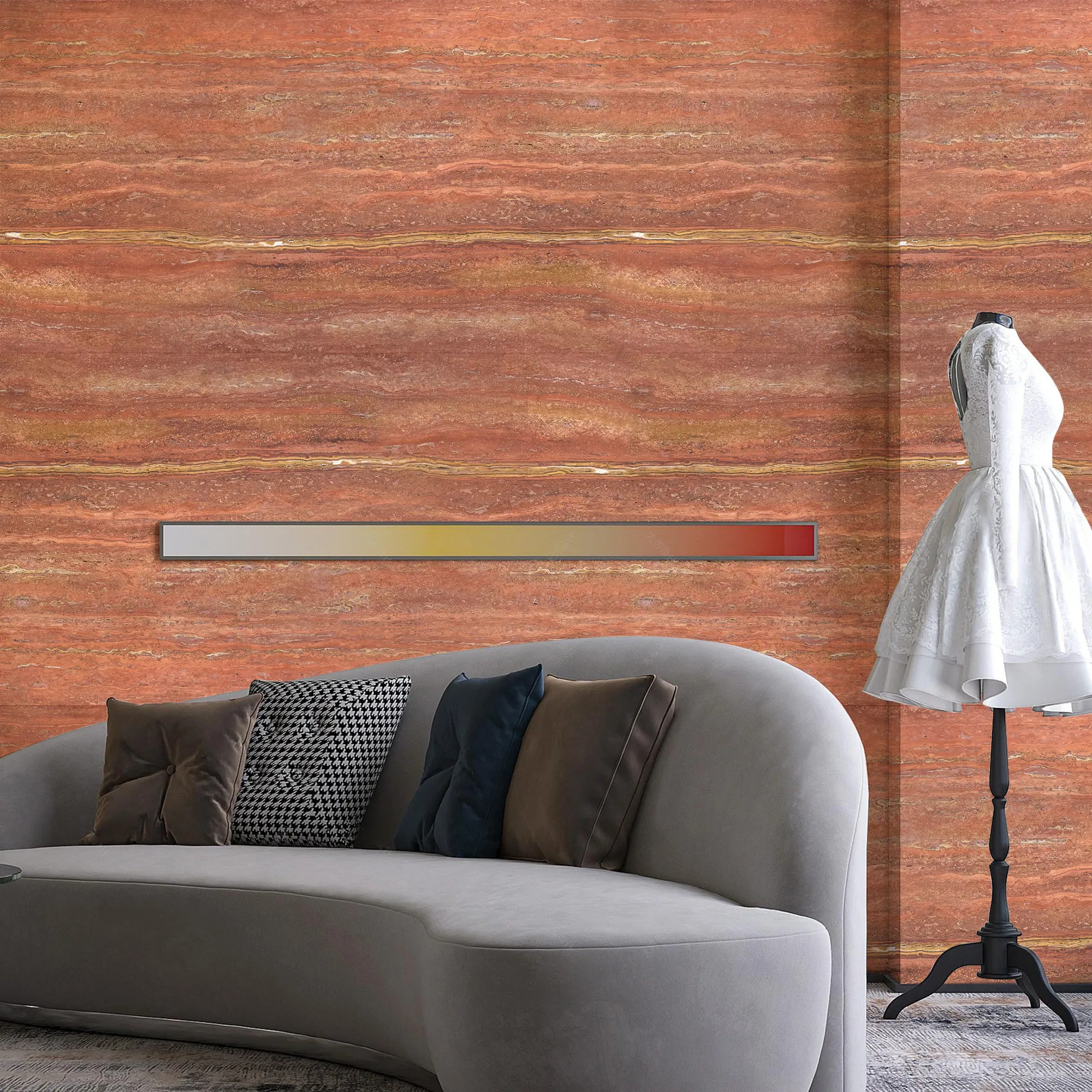
From the deep, rusty red of the standard variant to the starry, glittering finish of Travertine (starry red), Red Travertine MCM adapts to any design language. At New Horizon, the team used the starry red for the main concourse and paired it with plain Red Travertine MCM in quieter areas like the VIP lounges, creating a cohesive yet layered look. And because it's available in the MCM big slab series, designers can create sweeping, uninterrupted surfaces that feel grand and spacious—perfect for making passengers feel small in the best way, like they're part of something bigger.
| Material | Durability (10-year lifespan) | Maintenance Needs | Installation Time | Aesthetic Warmth |
|---|---|---|---|---|
| Red Travertine MCM | Excellent (resists scratches, stains, abrasion) | Low (occasional sweeping/mopping; no sealing needed) | Fast (big slabs reduce seams; lightweight) | High (natural veining, warm red tones) |
| Natural Marble | Poor (prone to scratching, etching from acids) | High (annual sealing; frequent polishing) | Slow (heavy slabs; requires precise cutting) | High (luxurious, but fragile) |
| Traditional Granite | Good (hard, but brittle; chips easily) | Moderate (sealing every 2-3 years) | Slow (very heavy; requires structural support) | Medium (dense, less organic texture) |
| Fair-faced Concrete | Excellent (durable, but prone to staining) | Moderate (sealing needed; stains visible) | Slow (poured on-site; long curing time) | Low (industrial, cool tone) |
At the end of the day, airports are for people. And people remember how a space feels . Red Travertine MCM doesn't just hold up to traffic—it elevates the passenger experience. Its warm red tones have a psychological effect: studies show that earthy, reddish hues can reduce stress and create a sense of comfort, even in chaotic environments. The natural veining and starry flecks of Travertine (starry red) add visual interest that draws the eye, turning a hurried walk into a moment of calm observation.
Take Sarah, a frequent business traveler who passes through New Horizon twice monthly. "Before the renovation, the terminal felt like a hospital—all white and gray, no personality," she says. "Now, when I walk through the concourse, I actually slow down. The floor has this… warmth to it. It's like walking on a piece of the desert, even though I'm miles from home. It makes the whole travel experience feel less like a chore."
That's the magic of Red Travertine MCM: it's not just a building material. It's a storyteller. It turns cold, functional spaces into places that feel connected to something real—to nature, to history, to the quiet moments that make travel meaningful.
As airports evolve from mere transit points to "experience hubs," materials like Red Travertine MCM will play an increasingly vital role. They're not just about surviving the chaos—they're about thriving in it, turning the stress of travel into something beautiful. With the MCM flexible stone family expanding, and options like Travertine (starry red) pushing the boundaries of aesthetic possibility, the future of airport design looks brighter—and warmer—than ever.
So the next time you're rushing through a terminal, take a second to look down. If the floor beneath you is a rich, inviting red, with subtle sparkles that catch the light, chances are it's Red Travertine MCM. And in that moment, you'll understand: great design isn't just about getting from point A to point B. It's about making the journey feel like home.
Recommend Products











