
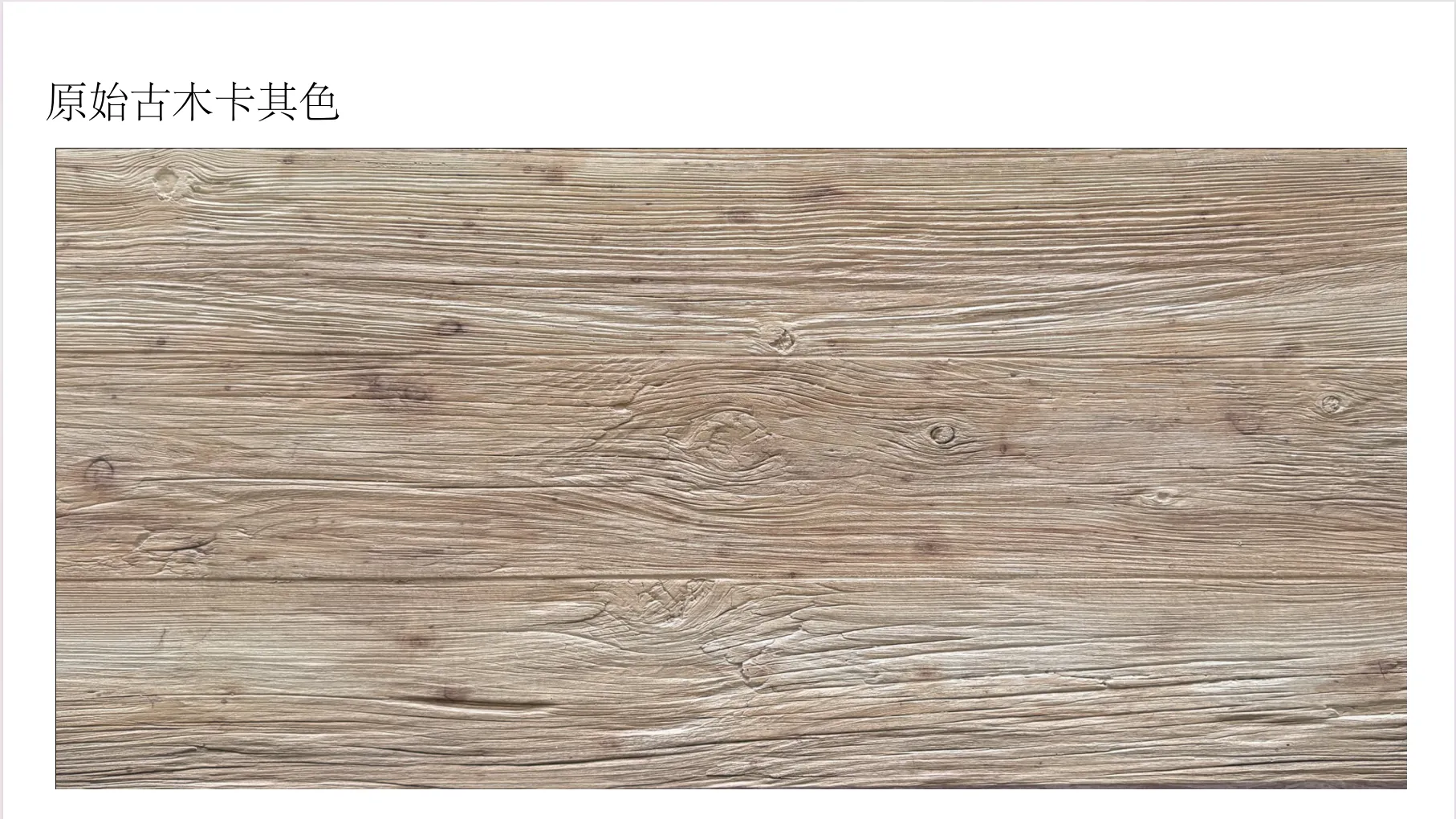
There's a quiet magic in ancient wood—the way its grains twist like whispered stories, the warmth it breathes into a room, the sense that it has witnessed decades, if not centuries, of life. For commercial spaces, this magic is more than aesthetics; it's a bridge between the past and present, a way to make customers and guests feel rooted, comfortable, and connected. But in a world of high foot traffic, shifting design trends, and the need for durability, real ancient wood often falls short. Enter MCM (Modified Composite Material) solutions—materials that capture the soul of aged wood, stone, and earth, while offering the resilience modern commercial environments demand. Today, we explore how MCM flexible stone , wood grain board , and masonry stone are redefining retail and hospitality design, one textured surface at a time.
Walk into a space clad in wood grain, and something primal stirs. It's the memory of childhood cabins with creaky floors, the aroma of aged libraries lined with oak shelves, or the quiet grandeur of a temple's wooden beams. Wood, in its many forms, is more than a material—it's a storyteller. But real wood, especially the reclaimed or "ancient" varieties that carry the most character, comes with trade-offs: it warps in humidity, fades under harsh light, and demands constant maintenance. For busy retail stores, bustling hotels, or high-traffic restaurants, this is a challenge. Designers crave the texture, the warmth, the feeling of ancient wood—but they need something that can keep up with the chaos of daily life.
MCM materials are the unsung heroes of this design dilemma. Crafted from a blend of natural minerals, polymers, and reinforced fibers, they mimic the look and feel of traditional materials—wood, stone, masonry—without the fragility. Let's dive into three standout options that are transforming commercial spaces:
Imagine running your hand over a wall that looks like weathered travertine but bends like fabric—that's MCM flexible stone . Its flexibility allows designers to curve it around columns, wrap it over arches, or even use it as ceiling panels, creating fluid, organic spaces that feel less like "construction" and more like art. When paired with wood grain accents, it adds depth: think a restaurant wall where warm wood grain MCM panels meet cool, textured MCM flexible stone, creating a balance of softness and strength.
If MCM flexible stone is about versatility, wood grain board is about precision. Using advanced printing and texturing techniques, these boards replicate the exact patterns of ancient oak, reclaimed teak, or weathered pine—right down to the tiny knots, splits, and color variations that make real wood so unique. Unlike vinyl or laminate, which can feel flat and artificial, MCM wood grain boards have a tactile depth; run your finger along the surface, and you'll feel the subtle rise and fall of the grain, just like you would on a 100-year-old barn door. And because they're moisture-resistant and scratch-proof, they're perfect for retail fitting rooms, hotel lobbies, or café tabletops where durability is non-negotiable.
For spaces that crave a more rugged, earthy vibe, masonry stone MCM panels deliver. Think of the rough-hewn texture of ancient village walls, the warmth of sun-baked adobe, or the solidity of a castle's stone ramparts—all recreated in lightweight, easy-to-install panels. When combined with wood grain elements, masonry stone adds a sense of grounding. A boutique hotel lobby, for example, might feature a fireplace clad in masonry stone MCM, flanked by wood grain board shelves holding vintage books and pottery—a blend that feels both timeless and welcoming.
Retail spaces today are no longer just places to shop—they're experiences. Brands want customers to linger, to feel something, to connect with their story. MCM materials help create that emotional bond. Take a high-end fashion boutique: walls lined with wood grain board in a soft, honeyed oak tone instantly evoke warmth, making customers feel invited to touch the fabrics, try on clothes, and stay awhile. Near the checkout, a feature wall of MCM flexible stone in a subtle, marbled pattern adds a touch of luxury, elevating the overall ambiance without overwhelming the merchandise. The result? A space that feels less like a "store" and more like a curated home—one that customers remember long after they've left.
For flagship stores aiming to make a statement, the combination of wood grain board and masonry stone MCM can be transformative. Imagine a tech brand's flagship in a bustling city: the exterior, clad in sleek, dark masonry stone MCM, exudes modernity, while the interior surprises with warm wood grain ceilings and walls, softening the space and making the latest gadgets feel approachable. It's a contrast that works—strength and warmth, innovation and tradition.
In hospitality, the goal is to make guests feel "at home," but with a touch of magic—a place where every corner feels intentional, every texture inviting. MCM materials excel here, whether in a boutique hotel, a cozy café, or a luxury resort. Consider a mountain lodge-inspired hotel: instead of using real logs (which are heavy and prone to insect damage), designers can use wood grain board to line the guest rooms, paired with masonry stone MCM for the fireplace surrounds. The result? A space that feels rustic and authentic, but with none of the maintenance headaches. Guests wake up to the sight of "ancient wood" walls, sunlight filtering through and highlighting the grain, and immediately feel relaxed, as if they've escaped to a cabin in the woods—even if the hotel is in the heart of the city.
Restaurants, too, benefit from MCM's versatility. A farm-to-table eatery might use wood grain board for the tables and chairs, creating a cozy, barn-like atmosphere, while the bar could be wrapped in MCM flexible stone in a warm, earthy tone, adding texture and visual interest. The material's durability means it can withstand spills, scratches, and the constant comings and goings of diners—all while retaining that "lived-in" charm that makes the restaurant feel like a favorite spot, not a new construction.
To help you choose, here's a breakdown of how MCM flexible stone, wood grain board, and masonry stone stack up in key areas:
| Material | Key Features | Aesthetic Appeal | Best For |
|---|---|---|---|
| MCM Flexible Stone | Lightweight, bendable, moisture-resistant, fire-retardant | Smooth to textured; mimics stone, travertine, or marble with organic depth | Feature walls, ceilings, curved surfaces, high-humidity areas (e.g., spas) |
| Wood Grain Board | Scratch-resistant, fade-proof, easy to clean, authentic wood texture | Warm, inviting; replicates oak, teak, pine, or reclaimed wood grains | Retail walls, hotel rooms, restaurant tables, shelving |
| Masonry Stone | Rugged texture, impact-resistant, weatherproof for exteriors | Earthy, rustic; mimics adobe, fieldstone, or ancient masonry | Exterior cladding, fireplace surrounds, lobby accents |
As commercial spaces continue to evolve—becoming more than just places to transact or stay, but hubs for connection, creativity, and storytelling—materials like MCM flexible stone, wood grain board, and masonry stone will play an increasingly vital role. They allow designers to honor the past while embracing the future, creating spaces that feel human, not sterile. Real ancient wood will always have its place, but MCM materials offer something equally precious: the ability to bring that same warmth, texture, and history into spaces that need to work as hard as the people who use them.
So the next time you walk into a boutique and feel an sense of comfort, or step into a hotel lobby and think, "This feels like home," take a closer look. Chances are, you're not just surrounded by walls—you're surrounded by stories, told through the quiet language of MCM materials. And that, perhaps, is the greatest magic of all: blending the old and the new to create something that feels truly timeless.
Recommend Products












