
Walk into any school, and you'll quickly realize: the walls, floors, and ceilings aren't just background noise. They're silent storytellers, shaping how students feel, focus, and even dream. A cold, sterile hallway might make a teenager slouch a little lower; a warm, sunlit classroom with textured walls could make a kindergartener's eyes light up. For educators and architects alike, the goal has long been clear: design spaces that don't just hold students—but inspire them. Yet here's the catch: educational buildings also need to survive the chaos of daily life—scuff marks from backpacks, spills from lunch trays, the relentless buzz of activity. How do you balance "inspiring" with "indestructible"? Enter MCM's innovative material solutions, where ancient wood aesthetics meet modern durability, and spaces become more than just buildings—they become partners in learning.
It's no secret that environment impacts mood. Studies have shown that students in classrooms with natural elements—warm colors, organic textures, soft lighting—report lower stress levels and higher engagement. But natural materials, historically, have come with a trade-off: wood warps, stone chips, fabrics stain. For schools operating on tight budgets, "beautiful but fragile" is a luxury they can't afford. That's where MCM (Modified Composite Material) steps in. By blending cutting-edge technology with nature-inspired design, MCM creates surfaces that look and feel like ancient wood, weathered stone, or woven bamboo—without the upkeep nightmares. These materials don't just imitate nature; they elevate it, offering the best of both worlds: the soul of natural materials and the resilience of modern engineering.
Among MCM's most beloved offerings for educational spaces are those that channel the timeless allure of wood. Think: the rich, honeyed tones of aged oak, the subtle grain of reclaimed teak, the earthy warmth of bamboo. These aren't just "wood-look" panels—they're materials that capture the essence of wood: its ability to make a room feel like a hug, its quiet reminder of growth and resilience. Let's dive into four standout options that are transforming schools from coast to coast: ancient wood, wood grain board, bamboo mat board, and fair-faced concrete. Together, they prove that durability and heart don't have to be enemies.
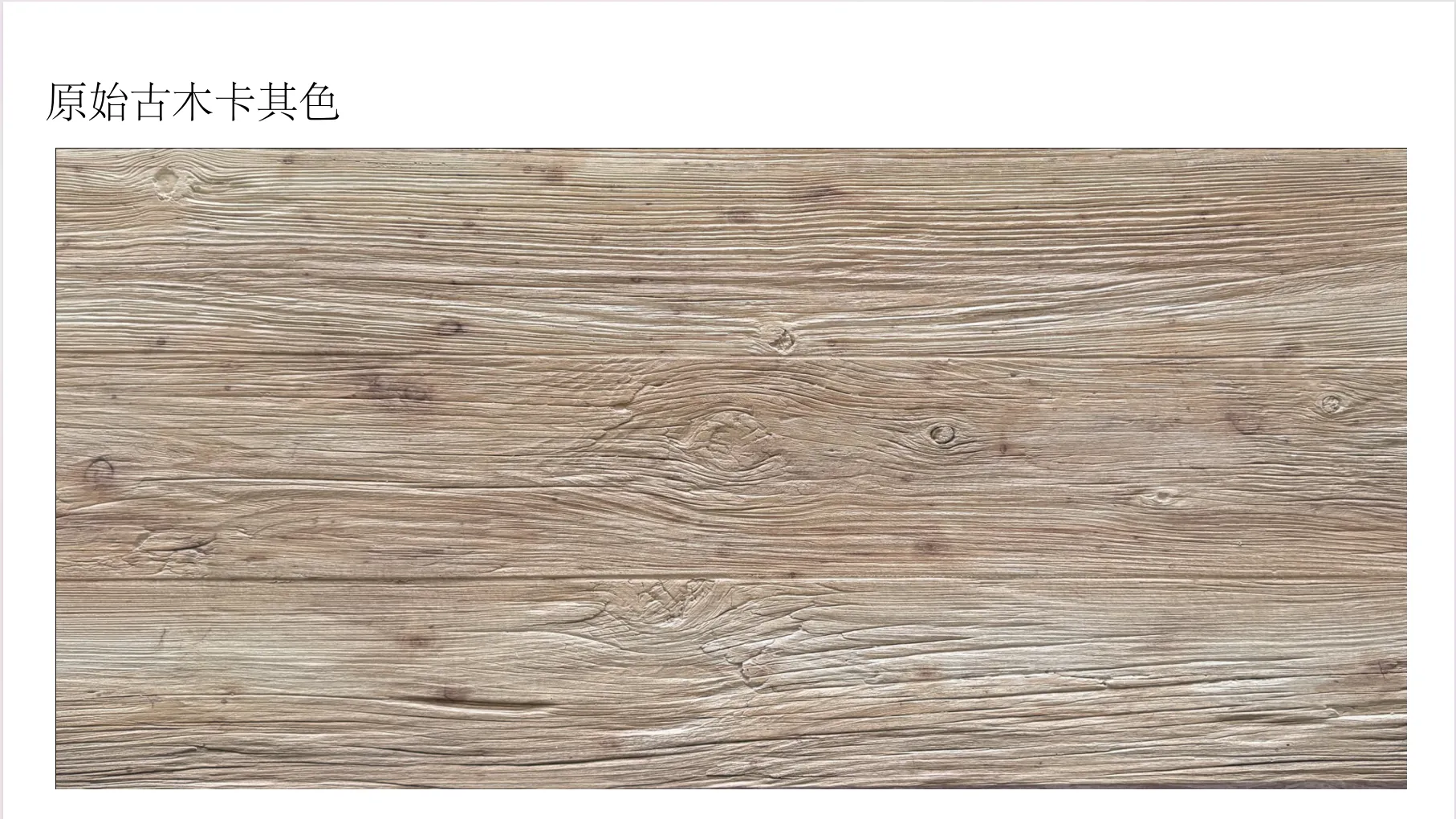
There's something almost magical about ancient wood. It carries history in its grains—each knot, each swirl tells a story of time, weather, and growth. In educational spaces, that story becomes a metaphor: learning is a journey, patience is key, every "imperfection" adds character. But real ancient wood? It's rare, expensive, and about as durable as a vintage book in a rainstorm. MCM's ancient wood panels solve this paradox by replicating that weathered, soulful look using advanced composite technology. The result? Panels that feel like they've been carved from a 100-year-old forest, but stand up to the chaos of a high school hallway.
Take, for example, the auditorium at Riverbend Middle School, where MCM's ancient wood panels line the walls. From the stage, the warm, amber tones of the panels create a soft, inviting glow—no harsh spotlights needed. Students performing in the school play say the space "feels like a real theater, not just a gym with chairs," and teachers note that even rowdy assemblies feel calmer here. "It's the wood," one drama teacher. "It absorbs the noise, but more than that—it absorbs the tension. Kids relax. They listen." And when a wayward basketball left a scuff mark during a pep rally? A quick wipe with a damp cloth, and the panel looked as good as new. That's the beauty of MCM's ancient wood: it's not just a surface—it's a performance.
Aesthetically, MCM's ancient wood offers endless versatility. Want the rough-hewn charm of a mountain cabin for a rural school's library? Or the sleek, polished look of a grand old university hall for a city charter school? The panels can be customized to mimic everything from weathered barn wood to smooth teak, all while maintaining that core warmth that makes wood such a beloved material. And because they're lightweight and easy to install, they're perfect for retrofits—breathing new life into decades-old buildings without the cost of a full rebuild.
If ancient wood is the storyteller, wood grain board is the reliable narrator. It takes the best parts of wood—those distinctive, flowing grains—and delivers them with the consistency schools crave. No two trees are alike, which is lovely in a living room, but problematic in a classroom where you need 20 identical panels. MCM's wood grain board solves this by offering a range of standardized grain patterns—oak, maple, walnut, and more—each replicated with such precision that you'd swear they were sliced from the same tree. The result? Walls that feel organic and cohesive, without the hassle of matching natural wood planks.
Lincoln Elementary School, a bustling K-5 in downtown Portland, chose MCM's wood grain board for their kindergarten classrooms. "Little kids are like tiny tornadoes," says Principal Maria Gonzalez. "We needed something that could handle sticky fingers, crayon marks, and the occasional juice box avalanche. But we also didn't want the rooms to feel like hospitals." The solution? Wood grain board in a soft, honey-maple tone. The panels line the lower half of the walls, creating a warm, protective "hug" around the room. "The kids love running their hands along the grain," Gonzalez notes. "It's tactile—they'll trace the patterns while they're thinking. It's like having a silent fidget toy built into the walls." And when a particularly enthusiastic art project left paint splatters? A little soap and water, and the panels were spotless. Durability, meet delight.
What sets MCM's wood grain board apart is its attention to detail. The grains aren't just printed on—they're embossed, creating a subtle texture that catches the light and adds depth to a room. In a third-grade classroom at Lincoln, the teacher hung student artwork directly on the wood grain panels, and the contrast between the bright, messy paintings and the structured, warm wood created a space that felt both creative and grounded. "It's like the walls are saying, 'Your ideas matter here,'" the teacher explains. "They're not just blank—they're supportive."
Bamboo has long been celebrated for its sustainability—it grows faster than any other tree, requires no pesticides, and absorbs more carbon dioxide than most plants. But in its natural form, bamboo can be brittle, prone to splitting, and difficult to shape into large panels. MCM's bamboo mat board reimagines this versatile material, weaving thin bamboo strips into a durable composite that captures the material's signature texture while adding strength and flexibility. The result? Panels that look like handwoven bamboo mats, with all the eco-friendly appeal and none of the fragility.
At Green Valley High School's environmental science wing, MCM's bamboo mat board takes center stage. The walls of the lab are covered in the panels, their light, natural color and woven texture evoking a greenhouse or a forest floor. "We wanted the space to reflect what we teach," says the science department head. "Sustainability isn't just a lesson—it should be part of the environment. The bamboo mat board does that. It's a conversation starter. Kids ask, 'Is this real bamboo?' And then we get to talk about renewable resources, about how materials can be both beautiful and responsible."
Beyond its eco-credentials, bamboo mat board adds a unique tactile element to spaces. The woven pattern invites touch—students will run their hands over the ridges and valleys of the matting, a small, grounding action that can help with focus. In a quiet reading corner at Green Valley, the bamboo mat board lines the walls and even covers a small bench, creating a cozy nook that feels like a hideaway in the middle of a busy school. "It's become the most popular spot in the library," the librarian laughs. "Kids drag their books over there and just… sink in. The texture makes it feel private, even though it's in the open. It's like having a little piece of nature inside."
Not all educational spaces call for warmth and whimsy. Some—like science labs, maker spaces, or college lecture halls—thrive on a more modern, industrial aesthetic. That's where fair-faced concrete comes in. Raw, honest, and unapologetically bold, fair-faced concrete is concrete left in its natural state, showing off the texture of the formwork, the subtle variations in color, and the quiet strength of the material. MCM's fair-faced concrete panels capture this industrial charm while adding the same durability and ease of installation that define their other products.
At Innovation Tech High, the school's robotics lab is a study in contrasts: sleek metal workbenches, high-tech equipment, and walls lined with MCM's fair-faced concrete panels. The cool, gray tones of the concrete create a backdrop that makes the bright colors of the robots and tools pop, while the material's texture adds visual interest without distraction. "It feels like a real workshop," says a senior robotics student. "Not a classroom. That matters. When you're building something, you want to feel like you're in a space that means business." And "means business" it does—fair-faced concrete is resistant to heat, chemicals, and heavy impact, making it perfect for a lab where soldering irons, power tools, and the occasional dropped wrench are part of the daily routine.
What's surprising about fair-faced concrete is how versatile it is. Paired with MCM's ancient wood panels, it can create a warm-industrial vibe in a school cafeteria; paired with metal accents, it becomes futuristic in a tech lab. At Innovation Tech, the designers used fair-faced concrete in the hallway leading to the robotics lab, creating a "transition space" that builds anticipation. "It starts with wood grain board in the main hallway, then gradually shifts to concrete as you get closer to the lab," explains the architect. "It's like the building is telling you, 'Something cool is coming up.'"
The magic of MCM's materials isn't just in their individual strengths—it's in how they harmonize. Imagine a middle school where the entrance lobby features ancient wood panels (warm, welcoming), the classrooms use wood grain board (consistent, durable), the art room has bamboo mat board (textural, inspiring), and the science wing uses fair-faced concrete (modern, functional). Together, they create a journey—one that feels cohesive but never boring. "Students notice that," says a school counselor. "They'll say, 'The art room feels different from math class,' but in a good way. It's like the building is helping them switch gears—get creative in one space, focus in another."
To illustrate how these materials complement each other, let's take a closer look at their key features:
| Material | Aesthetic Characteristic | Durability Features | Ideal Educational Spaces |
|---|---|---|---|
| Ancient Wood | Weathered, soulful grain patterns; warm, amber to rich brown tones | Scratch-resistant, moisture-proof, fire-retardant; easy to clean | Auditoriums, libraries, entrance lobbies |
| Wood Grain Board | Consistent, embossed grain patterns (oak, maple, walnut); smooth texture | Stain-resistant, impact-resistant, colorfast; suitable for high-traffic areas | Classrooms, hallways, student lounges |
| Bamboo Mat Board | Woven, tactile texture; light, natural bamboo color with subtle variations | Eco-friendly, flexible, resistant to splitting; easy to install | Art rooms, science labs, reading corners |
| Fair-Faced Concrete | Raw, industrial texture; cool gray tones with subtle formwork patterns | Heat-resistant, chemical-resistant, heavy-impact resistant; low maintenance | Robotics labs, maker spaces, lecture halls |
In today's world, "durable" isn't enough—materials also need to be kind to the planet. Schools, which often serve as community hubs, have a responsibility to model sustainability, and MCM takes this seriously. All of their materials are produced using eco-friendly processes: low-VOC adhesives, recycled content where possible, and energy-efficient manufacturing. Ancient wood and bamboo mat board, in particular, shine here—by replicating natural materials without depleting forests, MCM helps reduce deforestation and promote responsible resource use.
Take the example of Westfield High School, which recently underwent a renovation using MCM's bamboo mat board and fair-faced concrete. The project earned LEED Gold certification, in part due to the materials' sustainability credentials. "We wanted to teach students that every choice matters—even the walls," says the school's sustainability coordinator. "When they learn that the bamboo in their art room grew without pesticides, or that the concrete in the lab uses recycled aggregates, it connects the dots between their lessons and the world around them. It's not just about being green—it's about being mindful."
At the end of the day, MCM's materials are about more than durability or aesthetics—they're about creating spaces that grow with students. A kindergarten classroom with wood grain board walls today might host a shy 5-year-old; in 12 years, that same room could welcome a confident teenager, the walls still warm and intact. A library with ancient wood panels might inspire a first-grader to pick up a book; decades later, that student might return as an alum, smiling at the familiar, timeless walls.
So the next time you walk into a school, take a moment to look around. Notice the walls. The textures. The colors. If they're made with MCM materials, chances are they're not just holding up the roof—they're lifting up the students inside. And that, perhaps, is the greatest durability of all: the ability to inspire, day in and day out, for years to come.
Recommend Products












