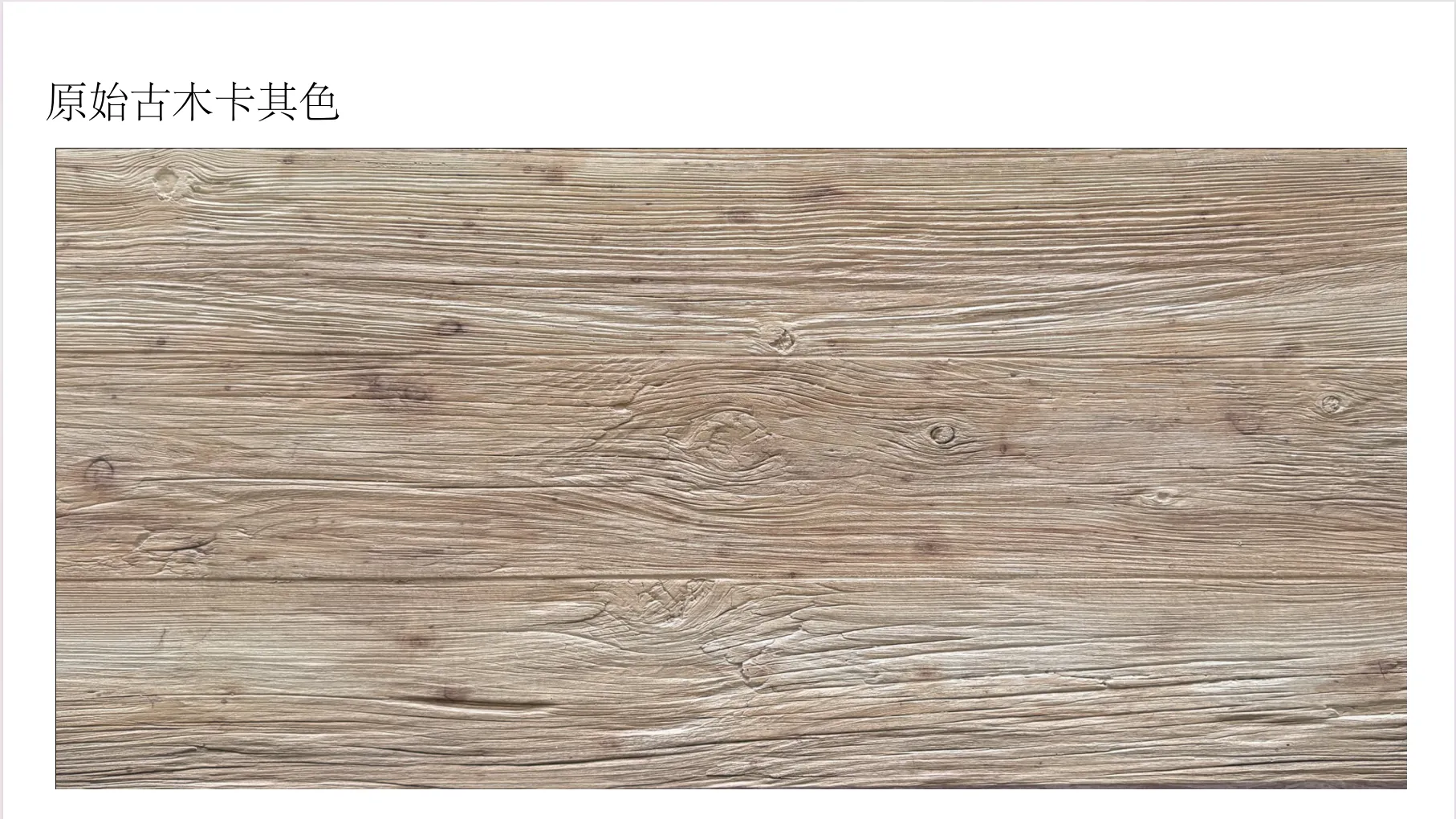
When you step into a healthcare facility, the air often carries the sharp tang of disinfectant, and the walls—pale, smooth, and unyielding—can feel like they're closing in. For patients, families, and even staff, these spaces can amplify stress: the sterile coldness whispers of vulnerability, while the lack of warmth makes recovery feel like an uphill battle. But what if healthcare spaces didn't have to feel this way? What if they could be places that calm the nerves, ease the mind, and even speed up healing? This is where MCM's
ancient wood series and wood-inspired materials step in—blending the best of nature's comfort with cutting-edge engineering to redefine what a healing environment can be.
The Healing Power of "Soft" Spaces
Research has long shown that our surroundings shape our well-being. In healthcare, a 2015 study in the
Journal of Environmental Psychology
found that patients in rooms with natural elements (think plants, wood textures, or views of greenery) reported 37% lower anxiety levels than those in stark, clinical settings. Another study, published in
Healthcare Design
, linked exposure to natural materials to reduced blood pressure and faster post-surgery recovery times. The message is clear: when we feel connected to nature, our bodies and minds respond by healing.
But here's the challenge: natural wood, while beautiful, isn't always practical for healthcare. It's porous, making it hard to disinfect thoroughly; it warps with moisture; and it wears down quickly under constant cleaning. Enter MCM's solution: materials like
ancient wood,
wood grain board, and wood concrete board. These products mimic the warmth and texture of real wood but are engineered to meet the strictest hygiene standards—proving that you don't have to sacrifice function for feeling.
Hygiene First: The Science of Safe Surfaces
In healthcare, cleanliness isn't just a preference—it's a lifeline. MCM's wood-inspired materials are designed with this reality at their core. Take
wood concrete board
, for example. Blending the durability of concrete with the visual warmth of wood, it's crafted to be non-porous. Unlike traditional wood, which can trap bacteria in its grains, wood concrete board's surface is smooth and sealed, leaving no hiding spots for germs. Wiping it down with standard hospital-grade disinfectants is enough to keep it sterile—a critical feature in spaces where infection control is non-negotiable.
Then there's
ancient wood
, a signature MCM product that captures the weathered, timeless look of reclaimed timber without the drawbacks of aged wood. Its engineered surface resists moisture, so it won't swell or rot in humid environments like recovery rooms or therapy pools. And because it's made from modified composite materials (MCM), it's scratch-resistant too—standing up to the daily hustle of wheelchairs, medical carts, and busy staff without losing its integrity. For clinics and hospitals, this means fewer replacements, lower maintenance costs, and surfaces that stay pristine for years.
Why does this matter?
For patients with weakened immune systems, every surface is a potential risk. MCM's wood-inspired materials don't just look clean—they
are
clean, giving patients and families peace of mind that the space around them is working to keep them safe, not put them at risk.
Calming the Chaos: The Emotional Language of Wood
Beyond hygiene, MCM's wood materials speak to something deeper: our instinctive need for connection. There's a reason we're drawn to wood in homes, cafes, and parks—it feels alive. Its grains tell a story, its warmth softens harsh edges, and its texture invites touch. In healthcare, this "language of wood" becomes a powerful tool for reducing stress.
Consider
wood grain board
, which replicates the subtle patterns of oak, maple, and pine with stunning accuracy. In a pediatric ward at Cityview Children's Hospital, the walls of the playroom were recently clad in MCM's
wood grain board (claybank finish). Nurses there report a noticeable shift: "Kids used to cry when their parents left for appointments," says Nurse Elena Torres. "Now, they run their hands along the walls, pointing out 'tree lines' and making up stories about forests. It's like the room itself is comforting them." For children, who often can't articulate their fear, the wood's familiar texture becomes a silent friend—turning a scary place into one that feels a little more like home.
Zen wood panel real photos
(a popular MCM product) take this a step further. These panels feature gentle, flowing wood grains that evoke the calm of a forest at dawn. In rehabilitation centers, therapists have integrated them into treatment rooms for patients recovering from strokes or anxiety disorders. "We use the panels as a focal point during mindfulness exercises," explains Dr. Raj Patel, a neurorehabilitation specialist. "Patients focus on the natural patterns, and we guide them to breathe deeply—slowing their heart rate, relaxing their muscles. It's remarkable how quickly they settle. The wood doesn't just look calm; it
feels
calm."
MCM's Wood-Inspired Lineup: A Closer Look
To understand how these materials balance hygiene and comfort, let's break down key products and their roles in healthcare spaces:
|
Product
|
Hygienic Features
|
Calming Benefits
|
Common Applications
|
|
Ancient Wood
|
Non-porous surface, moisture-resistant, easy to disinfect
|
Weathered texture evokes timelessness; reduces perceived stress
|
Hospital lobbies, long-term care facilities
|
|
Wood Grain Board
|
Smooth, sealed finish; resistant to scratches and stains
|
Replicates familiar wood patterns; creates "home-like" warmth
|
Pediatric wards, clinics, waiting rooms
|
|
Wood Concrete Board
|
Durable, mold-resistant, compatible with hospital-grade cleaners
|
Blends concrete's stability with wood's softness; balances strength and warmth
|
Rehabilitation centers, therapy rooms, staff break areas
|
|
Zen Wood Panel
|
Non-toxic, low-VOC emissions; easy to wipe clean
|
Flowing grains and soft tones promote mindfulness and relaxation
|
Mental health clinics, meditation rooms, palliative care units
|
Beyond Aesthetics: The Practicality of MCM's Vision
What makes MCM's wood-inspired materials truly revolutionary is their ability to serve both heart and mind. Take
wood concrete board (light grey)
, for instance. In a busy emergency room, where seconds count, the board's durability ensures it can withstand the chaos of stretchers, dropped equipment, and constant foot traffic. Yet its light grey wood tone softens the harshness of the ER's bright lights and blaring monitors, helping staff stay calm under pressure. "When you're working a 12-hour shift, small things matter," says ER nurse Marcus Greene. "The walls here used to be stark white—they felt like they were staring at you. Now, with the wood concrete panels, it's easier to breathe. You don't feel as on edge."
Even in high-moisture areas like hydrotherapy pools or dialysis centers, MCM's wood materials hold their own. Unlike real wood, they don't warp or mildew, making them ideal for spaces where water is a constant presence. At Riverbend Dialysis Clinic, the treatment pods are lined with
wood concrete board (dark grey)
, which patients describe as "soothing, like sitting by a cabin fireplace" during their 3-hour sessions. "Dialysis is tough enough," says patient James Wilson, who's been receiving treatment for 5 years. "The wood walls make the time pass faster. It's not just a medical procedure anymore—it's a little slice of peace."
The Future of Healing Spaces
MCM's
ancient wood series and wood-inspired materials aren't just products—they're a philosophy. They remind us that healthcare isn't just about treating bodies; it's about caring for souls. In a world where medical advancements often focus on technology, MCM is turning back to something simpler: the power of nature to heal.
Imagine a world where every hospital room feels like a sanctuary, where every clinic waiting area feels like a cozy retreat, and where every rehabilitation center feels like a place of growth. With MCM's
ancient wood,
wood grain board, and wood concrete board, that world is already taking shape. These materials don't just cover walls—they create environments that say, "You are safe here. You are cared for. You will heal."
For healthcare providers, this means investing in spaces that work
with
patients, not against them. For patients and families, it means walking into a facility and feeling, at last, that they're in a place that understands: healing isn't just about medicine. It's about warmth. It's about connection. It's about wood.