Walk into a retail space that lingers in your memory. Chances are, it's not just the products that stuck with you—it's the feeling of the place. The way sunlight filters through windows, the scent of fresh coffee, or maybe the texture of a wall that makes you want to reach out and touch it. In today's world, where online shopping dominates, brick-and-mortar stores are racing to become more than just places to buy things. They're becoming
experiences
. And at the heart of that experience? Materials. Specifically, materials that tell a story, evoke emotion, and make customers feel like they're part of something bigger. One trend that's been stealing the spotlight in retail design lately? The warm, timeless allure of
ancient wood. But how do designers capture that rustic, weathered charm without sacrificing durability or modern appeal? Enter MCM—a brand that's redefining retail aesthetics with materials that blend the nostalgia of
ancient wood with cutting-edge innovation. Let's dive into how MCM's products are transforming retail spaces and, in turn, how we experience them.
Beyond Shelves and Signage: The Rise of Sensory Retail Design
Remember when retail design was all about bright lights, bold logos, and shelves crammed with products? Those days are fading fast. Today's shoppers—especially younger generations—crave connection. They want to walk into a store and feel something. A sense of calm. Nostalgia. Adventure. Retailers are catching on, and they're turning to design to create that emotional hook. According to a 2024 study by the Design Management Institute, stores with thoughtfully designed physical spaces report 32% higher customer retention rates than those focused solely on product display. Why? Because humans are sensory beings. We don't just see a store—we touch, smell, and even hear it. And when a space feels
authentic
, we're more likely to stay, explore, and come back.
Ancient wood has become a star player in this shift. There's something inherently comforting about wood that looks like it's been around for centuries—its knots, its grain, the way it fades from deep browns to soft grays. It whispers of history, of craftsmanship, of a world that moved a little slower than our own. But here's the problem: real
ancient wood is rare, expensive, and often too fragile for high-traffic retail spaces. That's where MCM comes in. Their line of materials doesn't just mimic the look of
ancient wood—it captures its
essence
. From the rough-hewn texture of "
ancient wood" panels to the organic patterns of "
wood grain board," MCM is giving designers the tools to create spaces that feel both timeless and fresh. And they're not stopping at wood. By pairing these wood-inspired materials with others like
bamboo mat board, flexible stone, and
fair-faced concrete, MCM is helping retailers strike that perfect balance between rustic warmth and modern edge.
Why Ancient Wood? The Psychology of Nostalgia in Retail
Let's talk about nostalgia. It's not just a fuzzy feeling we get when we smell our grandma's cookies or hear a song from our teens. Psychologists call it "nostalgic bonding"—a powerful emotion that connects us to our past, our culture, and even to each other. In retail, that bond is gold. When a store feels nostalgic, it's not just selling a product; it's selling a memory, a feeling of belonging.
Ancient wood taps into that. It reminds us of old barns, family cabins, or the wooden floors of our childhood homes. It's a material that feels "lived-in," like it has a story to tell. And in a world that's constantly changing—where apps update overnight and trends come and go—stability is a rare commodity.
Ancient wood offers that stability. It says, "I've been here, and I'll be here." That sense of permanence makes customers feel safe, and when they feel safe, they're more likely to relax, explore, and yes, spend money.
But
ancient wood isn't just about nostalgia. It's also about nature. In an era where we're all stuck to screens, there's a growing hunger to reconnect with the natural world. Studies show that exposure to natural materials like wood can reduce stress levels, lower heart rates, and even improve mood. Walk into a store lined with
wood grain board, and suddenly, the chaos of the outside world fades a little. Your shoulders relax. You take a deep breath. You start to notice the details—the way the light plays off the grain, the subtle variations in color. You're not just shopping anymore; you're
experiencing
. And that experience is what turns casual browsers into loyal customers.
MCM's Material Magic: Capturing Ancient Wood's Charm, Reinvented
MCM doesn't just "do"
ancient wood—they
elevate
it. Their lineup of materials is like a toolkit for designers who want to create spaces that are both visually stunning and emotionally resonant. Let's break down a few standout products that are making waves in retail design:
1. Ancient Wood Panels: The Star of the Show
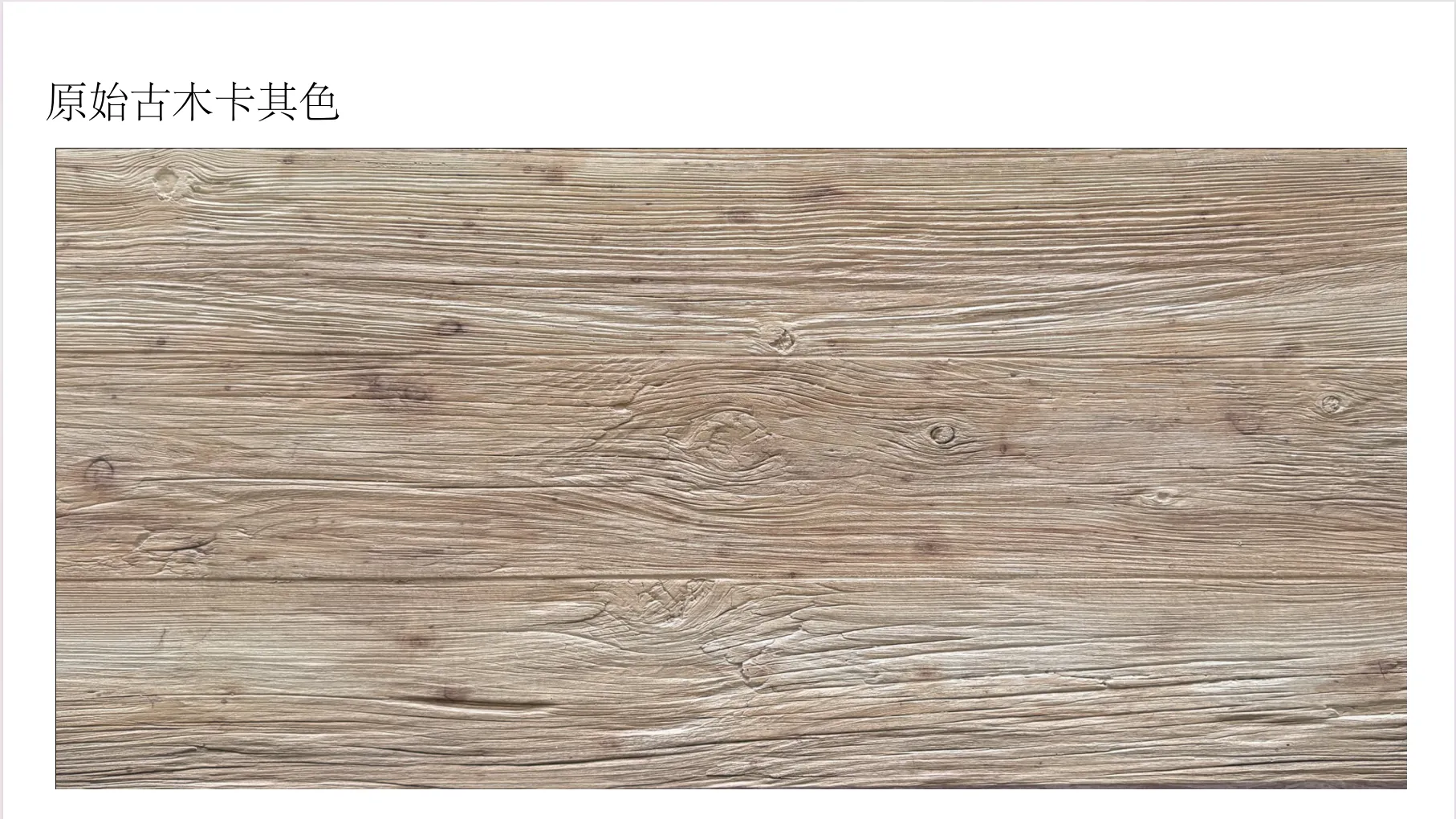
MCM's "
ancient wood" panels are the real deal. They're crafted to look like wood that's been weathered by time—think deep cracks, uneven edges, and a color palette that ranges from rich mahogany to sun-bleached gray. But unlike real reclaimed wood, these panels are durable enough to stand up to the hustle and bustle of a busy retail space. Scratches? Spills? No problem. They're also lightweight, which makes installation a breeze—a huge plus for retailers working with tight timelines and budgets. What's most impressive, though, is the texture. Run your hand over an MCM
ancient wood panel, and you'll swear it's the real thing. That tactile quality is key in retail; it invites interaction, turning a passive shopper into an active explorer. Imagine a boutique clothing store where the walls are clad in these panels. The wood's warmth softens the harshness of bright retail lights, making the clothes feel more approachable. Customers linger, touching the walls as they browse, and suddenly, the store feels less like a transactional space and more like a cozy cabin in the woods.
2. Wood Grain Board: Authenticity Meets Versatility
If
ancient wood panels are the "statement piece" of MCM's lineup,
wood grain board is the reliable workhorse. It's designed to mimic the natural grain of wood with stunning precision—no two boards look exactly alike, just like real wood. But here's the twist: MCM's
wood grain board comes in a range of finishes, from smooth to rough-sawn, and can be cut into any shape or size. That means designers aren't limited to traditional planks. They can create custom accent walls, curved displays, or even ceiling features that bring the outdoors in. One of the biggest perks? It's eco-friendly. Unlike solid wood, which requires cutting down trees, MCM's
wood grain board is made from modified composite materials, reducing its environmental footprint. For retailers leaning into sustainability as part of their brand identity, that's a major selling point. Picture a bookstore where the checkout counter is made of
wood grain board, its warm tones complementing the leather-bound books on the shelves. The board's subtle grain adds depth to the space, making it feel inviting and grounded. Customers don't just buy a book—they buy into the store's values, too.
3. Bamboo Mat Board: Organic Texture, Modern Edge
For retailers looking to add a touch of organic texture without going full "log cabin,"
bamboo mat board is a game-changer. MCM's version mimics the look of woven bamboo mats, with thin, parallel strips that create a rhythmic pattern. It's light, airy, and adds a subtle tropical vibe—perfect for brands with a bohemian or coastal aesthetic. But don't let its delicate appearance fool you:
bamboo mat board is tough. It's resistant to moisture, making it ideal for spaces like coffee shops or beauty stores where spills are common. What I love most about it is how it plays with light. When sunlight hits a wall of
bamboo mat board, it casts soft, dappled shadows that shift throughout the day, creating a dynamic, ever-changing environment. It's like bringing a little piece of the forest indoors, but with a modern twist. Imagine a wellness boutique where the treatment rooms are lined with
bamboo mat board. The texture feels calming, almost meditative, putting customers at ease the moment they walk in. It's not just a wall—it's a mood setter.
Okay, so we've talked a lot about wood, but no retail space is complete without balance. That's where
MCM flexible stone comes in. It's designed to look like natural stone—think slate,
travertine, or limestone—but with a flexibility that traditional stone can't match. It can be bent, curved, or wrapped around columns, adding visual interest without the weight or cost of real stone. When paired with
ancient wood or
wood grain board, flexible stone creates a stunning contrast: the warmth of wood against the cool, earthy tones of stone. It's a combination that feels both rustic and refined, making it perfect for high-end retail spaces that want to exude luxury without feeling cold. For example, a high-fashion boutique might use
MCM flexible stone for the floor, its smooth surface reflecting light, while the walls are clad in
ancient wood panels, adding warmth. The result? A space that feels opulent but approachable, where customers feel confident trying on clothes and staying awhile.
Last but not least, let's talk about
fair-faced concrete. It sounds industrial, but in the hands of a skilled designer, it's surprisingly versatile. MCM's
fair-faced concrete has a raw, unfinished look—think exposed aggregate, subtle cracks, and a muted gray tone—that pairs beautifully with
ancient wood. It's the ultimate "modern rustic" material, balancing the warmth of wood with the sleekness of concrete. What's great about
fair-faced concrete is its neutrality. It doesn't compete with other materials; instead, it enhances them. A retail space with
fair-faced concrete walls and an
ancient wood ceiling feels grounded and contemporary, like a warehouse converted into a boutique. It's also incredibly durable, making it ideal for high-traffic areas like entryways or fitting rooms. Imagine a home goods store where the display tables are made of
fair-faced concrete, their cool surfaces contrasting with the
wood grain board shelves above. The combination feels fresh and modern, but the wood adds just enough warmth to keep it from feeling sterile. Customers are drawn in by the space's unique aesthetic, and once they're in, they're more likely to explore the products.
|
Material
|
Aesthetic Vibe
|
Retail Application
|
Customer Experience Benefit
|
|
Ancient Wood Panels
|
Weathered, rustic, nostalgic
|
Accent walls, feature ceilings, focal displays
|
Evokes warmth and nostalgia; encourages tactile interaction
|
|
Wood Grain Board
|
Natural, authentic, versatile
|
Countertops, shelves, custom fixtures
|
Adds organic texture; supports sustainability messaging
|
|
Bamboo Mat Board
|
Organic, tropical, light
|
Accent walls, room dividers, ceiling panels
|
Creates a calming, meditative atmosphere; plays with light
|
|
MCM Flexible Stone
|
Earthy, luxurious, durable
|
Floors, columns, backsplashes
|
Adds sophistication; balances wood's warmth with cool tones
|
|
Fair-Faced Concrete
|
Raw, modern, industrial
|
Walls, floors, display tables
|
Creates a grounded, contemporary feel; enhances other materials
|
The Impact: Why Materials Matter for Customer Experience
So, what do these case studies tell us? That materials aren't just "background noise" in retail design—they're active participants in shaping how customers feel and behave. When a store uses MCM's
ancient wood-inspired materials, it's not just decorating a space; it's creating a
narrative
. A narrative of warmth, authenticity, and connection. And in a world where customers have endless choices, that narrative is what sets a store apart.
Let's break down the impact:
Emotional Connection:
Ancient wood,
wood grain board, and
bamboo mat board all tap into our primal love for nature and nostalgia. They make customers feel safe, relaxed, and at home. When we feel good in a space, we're more likely to associate those positive feelings with the brand. That emotional bond leads to loyalty—customers don't just buy from the store; they
advocate
for it.
Brand Identity:
MCM's materials help retailers tell their unique story. A sustainable brand can highlight the eco-friendly aspects of
wood grain board. A luxury brand can lean into the sophistication of flexible stone and
ancient wood. A bohemian brand can embrace
bamboo mat board's organic texture. Materials become a visual shorthand for what the brand stands for, making it easier for customers to connect with their values.
Increased Engagement:
When a space is visually interesting and tactilely inviting, customers stay longer. They explore more products, interact with staff, and even post about the space on social media. That increased engagement translates to higher sales and brand awareness. As the Portland bookstore owner put it: "People aren't just buying books—they're buying the experience of being in our store. And MCM's materials made that experience possible."
Sustainability Appeal:
Today's customers—especially Gen Z and millennials—care deeply about sustainability. MCM's materials, many of which are made from modified composites or recycled materials, align with that demand. Retailers who use these materials can market themselves as eco-conscious, appealing to customers who want to shop with brands that share their values.
Conclusion: The Future of Retail is in the Materials
As online shopping continues to grow, brick-and-mortar retailers need to double down on what makes them irreplaceable: the ability to create real, tangible experiences. And at the heart of those experiences are materials. MCM's
ancient wood-inspired products—from the weathered charm of
ancient wood panels to the versatility of
wood grain board—are leading the charge, proving that you don't have to sacrifice durability for beauty, or modernity for warmth. These materials aren't just transforming walls and shelves; they're transforming how we connect with the spaces we love. So, the next time you walk into a retail space that feels like more than a store, take a closer look at the walls, the floors, the displays. Chances are, MCM's materials are hard at work, turning a simple shopping trip into a memory you'll carry with you long after you leave. And in the end, that's the magic of retail design: it's not about the products—it's about the feeling. And with MCM, that feeling is one of warmth, authenticity, and connection. The kind that makes you want to come back, again and again.