
How modern building materials are redefining durability and beauty in the kingdom's unforgiving environment
Stand on the rooftop of a Riyadh high-rise at noon in July, and you'll feel it—the sun beating down with a intensity that turns metal surfaces into ovens, the dry wind carrying fine sand that scours every exposed edge, and the silent threat of sudden temperature drops that can crack even the sturdiest stone. For decades, builders and designers in Saudi Arabia have waged a quiet war against this climate. Traditional materials—solid wood, natural stone, painted concrete—have fought valiantly, but all too often, they've bowed to the kingdom's extremes: warping, fading, corroding, or crumbling long before their time.
But walk through the lobby of a new boutique hotel in Jeddah today, or trace the curves of a contemporary mosque in Dammam, and you'll notice something different. The walls gleam with a metallic luster that hasn't dulled after years of coastal humidity. The stone accents retain their vibrant hues, unmarred by sandstorms. The wood-look panels feel cool to the touch, even under the midday sun. These aren't miracles of nature—they're marvels of engineering: Modern Composite Materials (MCM), a category of building products designed to thrive where traditional materials falter.
The Saudi Climate: A Builder's Toughest Test —Temperatures soar to 50°C (122°F) in summer; coastal areas like Jeddah see 90% humidity; sandstorms hurl abrasive particles at 60 km/h; and UV radiation is 30% stronger than in temperate zones. For building materials, this isn't just wear and tear—it's a relentless assault.
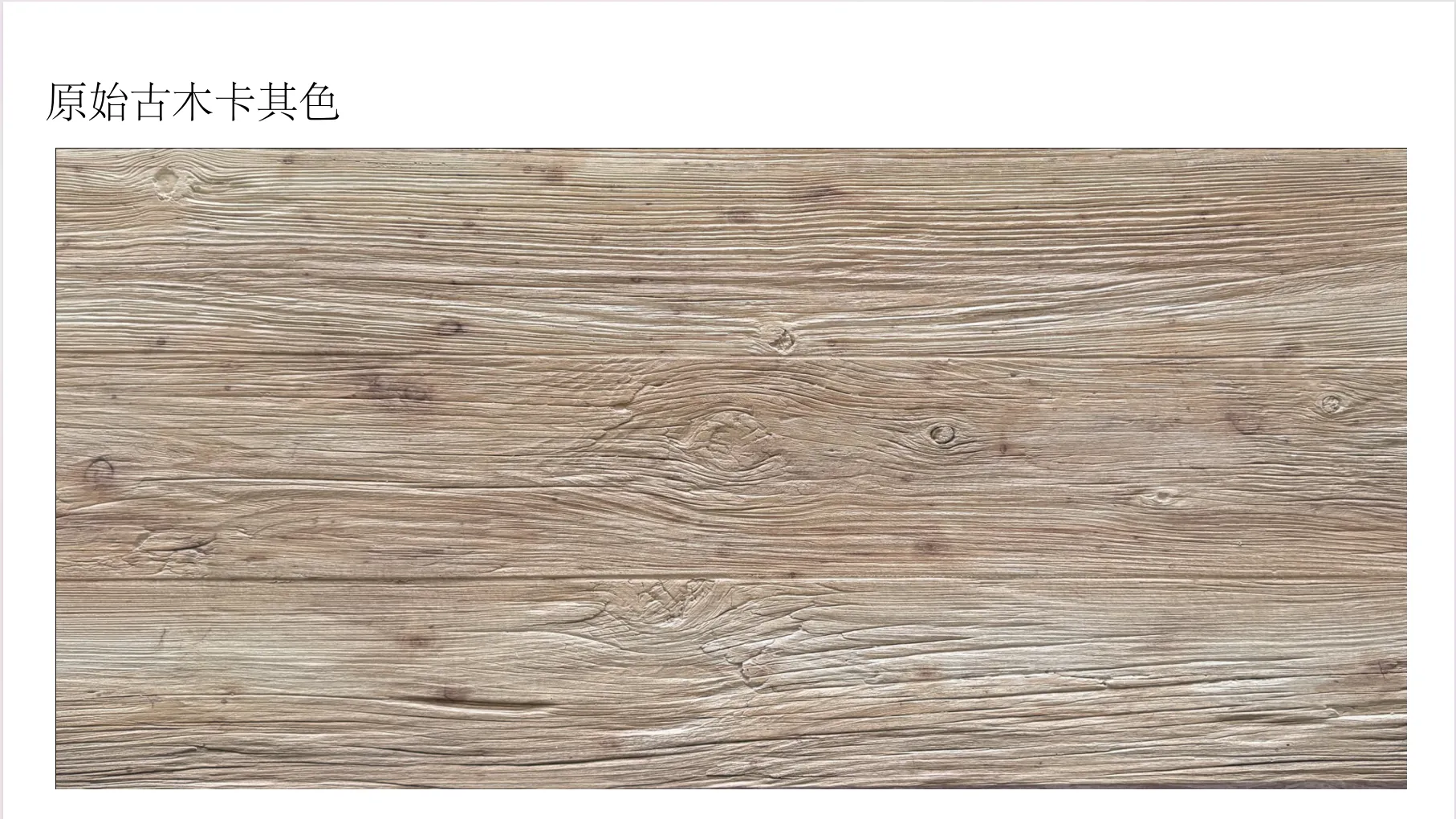
Let's start with the obvious: wood. In Saudi Arabia, "ancient wood" isn't a metaphor for durability—it's a cautionary tale. Imported hardwoods, once prized for their warmth, twist and split within years as the arid air sucks out moisture, then swell and rot when seasonal humidity spikes. Even treated lumber, meant to resist decay, fades to a ghostly gray under the sun's UV rays, losing its character long before its structural integrity.
Natural stone, too, has its flaws. Solid marble, a staple in luxury projects, etches easily when sand particles grind against its surface. Limestone, with its porous texture, absorbs salt from coastal air, leading to unsightly efflorescence—the white, powdery deposits that bloom on facades like a disease. And then there's the weight: hauling massive slabs of granite or travertine to high-rise projects drives up costs and construction time, a problem in a country racing to build for its growing population.
Concrete, the workhorse of modern construction, fares little better. Traditional poured concrete cracks under thermal stress as daytime heat expands it and night chills contract it. Painted concrete? The finish peels within months, leaving walls looking patchy and neglected. Even "weathered" styles—intended to age gracefully—often end up looking worn out, not characterful.
Enter Modified Composite Materials (MCM)—a class of engineered products that blend the best of natural aesthetics with the resilience of modern technology. At their core, MCMs are hybrid materials: a thin layer of decorative finish (mimicking stone, wood, metal, or concrete) bonded to a lightweight, flexible substrate (often aluminum or fiberglass). The result? Surfaces that look and feel like natural materials but laugh off the kingdom's climate challenges.
What makes MCM different? For starters, flexibility. Unlike rigid stone or wood, MCM panels bend slightly with temperature changes, avoiding the cracks that plague traditional materials. They're also lightweight—up to 80% lighter than solid stone—reducing structural load and cutting installation time. And perhaps most importantly, they're designed with Saudi Arabia in mind: UV-resistant coatings that lock in color, moisture barriers that repel salt and humidity, and scratch-resistant surfaces that stand up to sandstorms.
But MCM isn't just about survival—it's about beauty. Today's MCM products don't just mimic natural materials; they elevate them. Want the warmth of rammed earth but with gradient color shifts that evoke desert sunsets? There's a panel for that. Crave the sparkle of starry night skies embedded in travertine? It exists. Dream of a metallic finish that shimmers like moonlight on sand without overheating? Done. These aren't just building materials—they're tools for storytelling, letting designers weave the kingdom's landscapes and heritage into every structure.
Let's dive into five standout MCM products that are solving real problems for Saudi builders and designers. Each brings something unique to the table, from flexibility to fire resistance, from earthy warmth to futuristic shine—all while standing up to the kingdom's toughest conditions.
Imagine a stone wall that curves like a wave, or a column wrapped in stone that bends gently at the top—without the need for custom-cut (and expensive) solid stone blocks. That's the magic of mcm flexible stone , a product that lives up to its name. Unlike rigid natural stone, which cracks under stress, MCM flexible stone is thin (as little as 3mm thick) and pliable, making it ideal for curved surfaces, intricate facades, or even furniture.
But don't let its flexibility fool you. This isn't a flimsy material. The surface is a blend of natural stone particles and polymer resins, baked under high pressure to create a finish that's scratch-resistant and fade-proof. In Jeddah, where coastal humidity can warp solid stone, flexible stone panels on a beachfront café have retained their warm beige tones for five years—no mold, no discoloration, no peeling.
"We used mcm flexible stone for the curved walls of a community center in Riyadh," says Al-Mansoori. "The client wanted a organic, welcoming feel, but we needed something that could handle the city's temperature swings. The panels bent perfectly around the design, and two years later, they still look brand-new. It was a 'Eureka!' moment."
There's a reason Saudi poets have long sung of the moon's glow over the desert—it's a light that feels both cool and radiant, even in the heat. Lunar peak silvery captures that essence: a metallic MCM finish that shimmers like moonlight on sand, without the drawbacks of traditional metal.
Unlike solid aluminum or steel, which absorb heat and become scorching to the touch, lunar peak silvery uses a specialized coating that reflects up to 70% of solar radiation. That means cooler facades, lower air conditioning costs, and surfaces that won't burn curious hands (or paws—think stray cats seeking shade). The vintage-inspired silver tone also ages gracefully, developing a subtle patina over time that adds character without looking dated.
Architects in Riyadh have embraced lunar peak silvery for commercial buildings, using it to create striking contrasts with earth-toned materials. A recent office complex in the King Abdullah Financial District pairs the silvery panels with warm wood-look MCM, evoking the balance of modernity and tradition that defines contemporary Saudi design. "It's not just about looking good," says the project's lead designer. "It's about creating a building that breathes in our climate—cool, calm, and unapologetically beautiful."
Travertine has long been beloved for its creamy tones and natural veining, but travertine (starry green) reimagines this classic stone. Embedded with microscopic, iridescent particles, this MCM variant shimmers like starlight when hit by light—turning walls, countertops, and accent pieces into celestial canvases.
The "starry" effect isn't just for show. The particles are mixed into the top layer of the MCM panel, protected by a clear, UV-resistant coating that ensures the green hue (a nod to the rare desert oases) stays vibrant for decades. In a country where indoor spaces are sanctuaries from the heat, starry green travertine adds a touch of whimsy and wonder—perfect for hotels, restaurants, or residential interiors where ambiance matters.
Take the lobby of a boutique hotel in Al Ula, a city known for its ancient rock formations. The designers used starry green travertine MCM for the reception desk and accent walls, pairing it with warm lighting to mimic the night sky over the desert. "Guests stop and stare," says the hotel manager. "They run their hands over it, asking if it's real stone. When we tell them it's MCM—and that it'll still look this way in 10 years—their eyes widen. It's not just a surface; it's an experience."
For designers craving industrial-chic style without the weight or maintenance, foamed aluminium alloy board (vintage silver) is a game-changer. Made from a lightweight, porous aluminum core (hence "foamed") clad in a vintage silver finish, these panels combine industrial ruggedness with a touch of retro elegance.
Foamed aluminium is naturally fire-resistant—a critical feature in Saudi Arabia's dry climate—and its porous structure acts as a sound insulator, making it ideal for busy urban areas (think Riyadh's bustling markets or Jeddah's waterfront promenades). The vintage silver finish, with its slightly weathered look, adds depth without requiring actual weathering—no rust, no corrosion, just consistent, controlled character.
A recent project in Dammam's waterfront district used foamed aluminium alloy boards for a public amphitheater's seating and stage backdrop. "We needed something that could handle salt air, resist graffiti, and look good under both harsh sunlight and evening spotlights," explains the civil engineer on the project. "These panels checked all the boxes. And because they're so light, we could install them quickly—even on the curved seating tiers. It's industrial design with a Saudi twist."
Rammed earth has deep roots in Saudi Arabia's architectural heritage—think ancient mud-brick forts that have stood for centuries. But traditional rammed earth is heavy, prone to cracking, and limited in color. Rammed earth board (gradient) reimagines this classic material for the 21st century, offering warm, earthy tones with stunning color gradients that evoke desert sunrises and sunsets.
These MCM panels blend natural clay and sand particles with a flexible binder, creating a surface that looks and feels like hand-rammed earth but with none of the maintenance. The gradient effect—achieved through precise layering during manufacturing—adds movement and depth, turning walls into works of art. And unlike traditional rammed earth, which absorbs moisture, the panels are sealed with a breathable coating that repels rain and humidity while allowing the material to "breathe" (preventing mold growth in coastal areas).
In Al Khobar, a residential development aimed at eco-conscious families used rammed earth gradient boards for exterior walls and courtyard accents. "Our clients wanted to honor Saudi traditions but also live in homes that didn't require constant upkeep," says the project's developer. "The gradient panels—shifting from soft terracotta at the base to pale gold at the top—look like the desert itself. And when the sun sets, they glow like the dunes. It's heritage, reimagined."
While climate resistance is MCM's headline feature, its benefits extend far beyond survival. For starters, sustainability. Many MCM products use recycled materials (like the aluminum in foamed alloy boards or the stone particles in flexible stone), reducing reliance on virgin resources. Their lightweight nature also cuts transportation emissions—critical in a country where materials are often imported from abroad.
Installation is another win. Traditional materials require specialized labor: stonemasons to cut slabs, carpenters to shape wood, welders for metal. MCM panels, by contrast, are lightweight and easy to handle, often installing with simple tools and standard construction techniques. That means faster build times, lower labor costs, and fewer delays—a boon for Saudi Arabia's fast-paced development projects.
And let's not forget versatility. MCM isn't limited to exteriors. From kitchen backsplashes to ceiling panels, furniture to decorative accents, these materials bring durability and beauty indoors, too. A restaurant in Jeddah uses travertine (starry green) panels for tabletops, where they resist stains from spicy curries and hot tea. A café in Riyadh lines its walls with lunar peak silvery panels, creating a cool, inviting space that stays comfortable even during heatwaves.
Boutique hotels and resorts are using MCM to create memorable guest experiences. Imagine a spa with walls of rammed earth gradient panels, where the color shifts mimic desert sunsets, or a rooftop bar with foamed aluminium alloy railings that stay cool to the touch even in August. MCM lets hoteliers offer "desert chic" without the worry of weather-related wear and tear.
For homeowners, MCM means less time painting, sealing, or replacing worn surfaces—and more time enjoying their spaces. A family in Riyadh used mcm flexible stone for their outdoor patio, creating a seamless flow from indoors to out that's scratch-resistant enough for kids' bikes and pet claws. "We used to avoid outdoor gatherings in summer because the stone got too hot," says the homeowner. "Now, the patio stays cool, and the stone still looks perfect after three years."
Museums, cultural centers, and mosques are turning to MCM to balance tradition and modernity. A new cultural center in Medina pairs lunar peak silvery panels with traditional geometric patterns, creating a building that honors the past while embracing the future. "These materials let us tell Saudi stories without being trapped by traditional material limitations," says the center's curator.
Saudi Arabia's climate is unforgiving, but it's also inspiring. It demands materials that don't just survive—they thrive, reflecting the kingdom's resilience, creativity, and pride. MCM isn't just a solution to a problem; it's a bridge between the past and the future: the warmth of ancient building techniques, the durability of modern engineering, and the beauty of a landscape that has shaped a nation.
As more architects, builders, and homeowners discover MCM, we're seeing a shift in Saudi architecture—away from "survival mode" and toward bold, expressive design. Buildings that once hid behind neutral tones are now wearing starry travertine and gradient rammed earth. Homes that once felt closed off are opening up to the outdoors, thanks to heat-resistant MCM facades. And everywhere, there's a new confidence: a sense that the kingdom's buildings can be as vibrant, resilient, and timeless as its people.
So the next time you walk past a gleaming new structure in Riyadh or Jeddah, take a closer look. The stone that shimmers like starlight? The metal that stays cool in the sun? The wood that never warps? It might just be MCM—quietly revolutionizing how we build, live, and create in one of the world's toughest climates. And in that revolution, there's a message: in Saudi Arabia, the future isn't just being built—it's being built to last.
Recommend Products












