
Bridging the Past and Present with Modern Composite Mastery
Walk through the cobblestone streets of a centuries-old village, and you'll feel it—the weight of stories in every weathered beam, every cracked lintel, every piece of wood that has stood guard over generations. Historical buildings aren't just structures; they're living narratives, tangible links to the craftsmen, dreamers, and everyday people who built our collective past. But time is unkind to wood. Moisture seeps in, pests carve their homes, and the elements wear down even the sturdiest oak. Restoring these treasures isn't just about fixing what's broken—it's about honoring the hands that shaped them, ensuring their stories outlive us.
Yet restoration is a delicate dance. Use the wrong materials, and you risk erasing the building's character. Stick too rigidly to tradition, and you might condemn it to repeat the same decay. This is where MCM (Modified Composite Material) steps in—not as a replacement for history, but as a partner in preserving it. MCM products, from the MCM flexible stone to the MCM 3D printing series , blend cutting-edge technology with an reverence for the past, offering solutions that protect ancient wood structures while letting their original beauty shine.
Anyone who has worked on a historical renovation knows the headaches. Traditional wood, while rich in character, is prone to warping, rotting, and insect infestations. In humid climates, moisture trapped in walls can turn beams into breeding grounds for mold. In coastal areas, salt air eats away at surfaces. Even well-maintained wood ages—gaps form, finishes fade, and structural integrity weakens.
The problem? Many traditional restoration materials only address the symptoms, not the cause. Paint might hide a crack, but it won't stop water from seeping in. Chemical treatments can repel pests, but they often contain harsh substances that damage the wood over time. And sourcing matching wood for repairs? It's getting harder by the day, as old-growth forests dwindle and sustainable alternatives struggle to mimic the density and grain of centuries-old timber.
MCM isn't just another building material—it's a philosophy. Developed to meet the demands of modern architecture while respecting the past, MCM products are engineered to be lightweight, durable, and stunningly realistic. Made from a blend of natural minerals and high-performance polymers, they mimic the look and texture of traditional materials—wood, stone, concrete—without the drawbacks. For ancient wood restoration, this means three game-changing benefits:
Let's dive into some of the standout MCM products that are making waves in historical restoration—and how they're breathing new life into ancient wood buildings.
Imagine a 17th-century inn with a wooden porch that's seen centuries of boots, hooves, and rain. The original stone steps, once smooth and sturdy, are now cracked and uneven, threatening to damage the wooden supports below. Enter historical pathfinders stone , part of MCM's heritage collection. Designed to mimic the weathered texture of ancient stone paths, this product isn't just a replacement—it's a tribute. Its matte finish and subtle color variations (think earthy beiges and soft grays) blend seamlessly with the inn's wooden beams, while its non-slip surface ensures safety for modern visitors. Best of all, it's lightweight, so it won't add extra stress to the aging wooden structure.
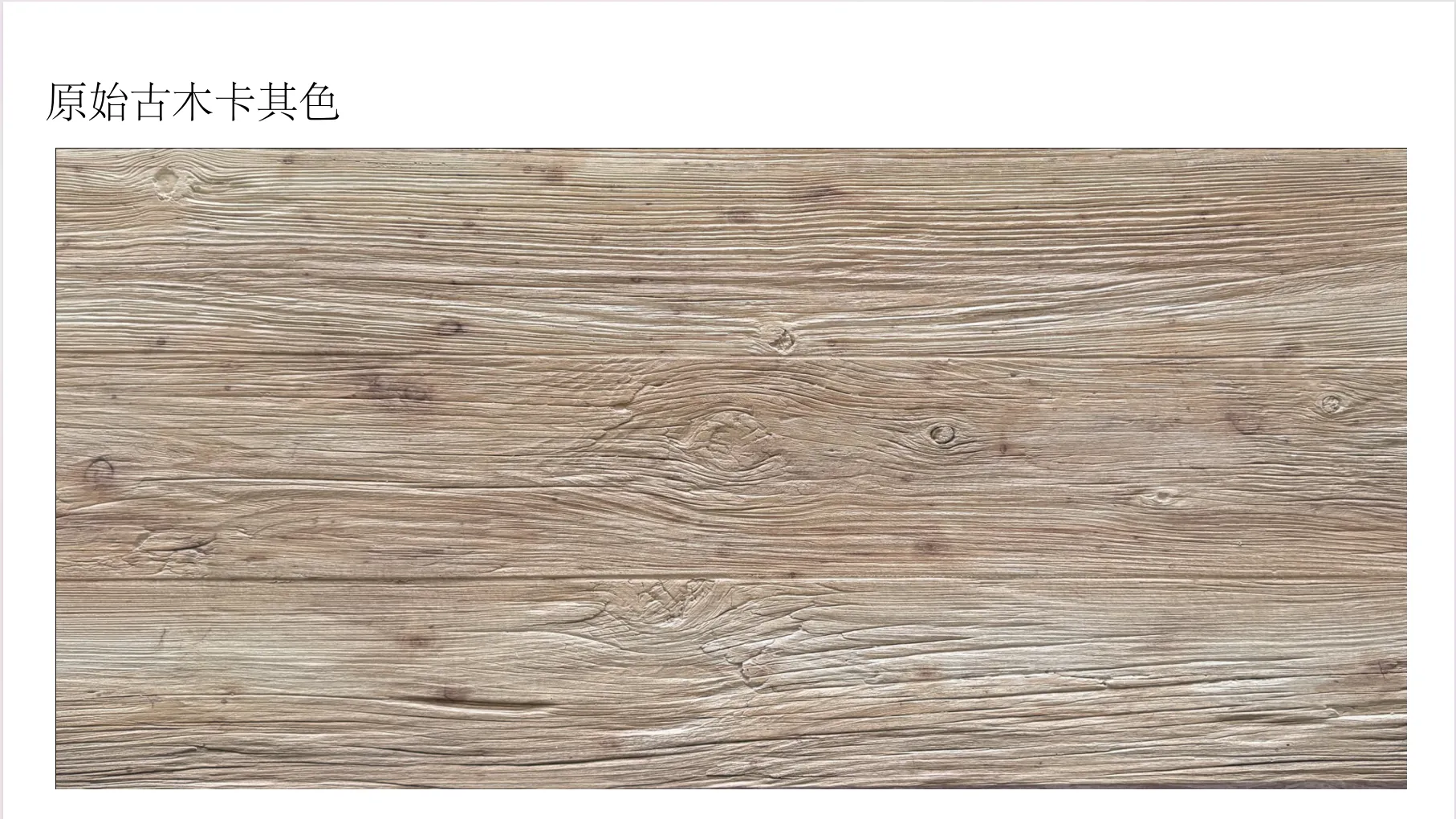
For many historical buildings, wood isn't just structural—it's part of the aesthetic. A Tudor-style cottage with exposed wooden beams, a Japanese teahouse with sliding wood doors, a colonial mansion with paneled walls—these features define their character. But when those beams rot or panels warp, replacing them with real wood is costly and unsustainable. That's where wood grain board comes in. Part of MCM's surface solutions line, wood grain board uses high-definition printing to replicate the look of oak, pine, cedar, or even rare woods like mahogany. Run your hand over it, and you'll feel the same subtle grooves and knots as the real thing. But unlike wood, it won't swell in humidity, shrink in dry weather, or attract termites. It's the perfect middle ground: honoring the past while embracing modern resilience.
Some historical buildings pair wood with concrete or stone accents—think industrial-era factories with wooden trusses and concrete floors, or ancient barns with stone foundations. For these, ando cement (available in light and dark grey) is a revelation. Named after the legendary architect Tadao Ando, who celebrated the raw, unpolished beauty of concrete, MCM's ando cement captures that same minimalist elegance. Its matte, slightly textured surface mimics the look of aged concrete, with subtle variations in tone that add warmth (not coldness) to wood-heavy spaces. When used to repair a crumbling concrete base under an ancient wooden staircase, it reinforces the structure while complementing the wood's natural grain. And because it's MCM, it's lighter than traditional concrete, so it won't strain the wooden supports above.
Restoring a large wooden structure—say, a 19th-century church with high, vaulted ceilings—often requires covering expansive surfaces. Traditional materials like stone or tile are heavy and require extensive scaffolding, which can damage delicate woodwork. The MCM big slab board series solves this with panels up to 1.2m x 2.4m, reducing the number of seams and cutting installation time. Whether used to clad a wooden exterior (protecting it from rain and wind) or to line the interior of a wooden ceiling (hiding water stains while preserving the original beam layout), these slabs are lightweight enough to be installed with minimal support, yet tough enough to withstand the test of time. Choose from finishes like lunar peak silvery (for a soft, moonlit glow) or lime stone (beige) (for a warm, earthy feel), and you'll get a surface that looks like it's been there for centuries—without the weight or hassle.
| Material | Pros for Historical Restoration | Cons for Historical Restoration | MCM Alternative | MCM Advantage |
|---|---|---|---|---|
| Traditional Wood | Authentic look, matches original grain | Prone to rot, warping, and pests; hard to source sustainably | Wood Grain Board | Replicates wood grain perfectly; resists moisture and pests |
| Natural Stone | Durable, historic aesthetic | Heavy (strains wooden structures), prone to cracking | Historical Pathfinders Stone | Lightweight, weather-resistant, mimics aged stone texture |
| Traditional Concrete | Strong, fire-resistant | Heavy, prone to spalling (flaking) over time | Ando Cement | Lightweight, mimics aged concrete; no spalling |
Let's put this into practice with a real-world example (names changed for privacy). The "Old Mill" in a small New England town was built in 1820, with a wooden water wheel, oak beams, and a clapboard exterior. By 2020, it was in dire straits: the wooden siding was rotting, the stone foundation was crumbling, and the interior wood panels were warped from decades of humidity.
The restoration team faced a dilemma: replace the wood siding with new clapboard (expensive, and it would take decades to match the original weathered look) or use vinyl (cheap, but jarringly modern). Instead, they chose MCM flexible stone in travertine (starry blue) —a finish that mimics the look of weathered stone, with subtle "starry" flecks that echo the mill's history as a nighttime landmark. The flexible stone was lightweight enough to install without reinforcing the wooden frame, and its water-resistant properties ensured the underlying wood would stay dry.
For the interior, rotted wood panels were replaced with wood grain board in a pine finish, matching the original beams. The crumbling stone foundation? Repaired with MCM big slab board in lime stone (beige) , which blended seamlessly with the remaining original stone. Today, the Old Mill stands tall again—its wooden bones protected, its historical charm intact, and its future secure.
Ancient wood buildings are more than bricks and beams—they're storytellers. They remind us of who we were, what we valued, and how we built. Preserving them isn't just an act of conservation; it's an act of respect. With MCM products, we're not just repairing buildings—we're ensuring those stories continue to be told.
Whether it's the MCM 3D printing series recreating a one-of-a-kind wood carving, MCM flexible stone protecting a wooden facade from the elements, or historical pathfinders stone honoring the footsteps of those who came before, MCM is proving that modern technology and historical preservation don't have to be enemies. They can be partners.
So the next time you walk past an ancient wooden building—its beams creaking, its windows glinting in the sun—take a moment to appreciate not just the history it holds, but the innovation that's helping it hold on. Thanks to MCM, those stories? They're just getting started.
Recommend Products












