
Walk through the bustling streets of Dubai, and you'll notice a striking trend: buildings that blend modernity with warmth, often featuring textures that evoke the timeless charm of wood. From luxury villas in Abu Dhabi to boutique hotels in Riyadh, the allure of wood—with its organic grains, soft hues, and sense of comfort—is undeniable. Yet for architects, builders, and homeowners in the UAE and Saudi Arabia, this dream has long been tempered by a harsh reality: real timber struggles to survive in these unforgiving climates. The scorching sun, sudden sandstorms, high humidity, and relentless termites turn once-beautiful wooden facades into warped, cracked, or infested eyesores within years. But what if there was a material that captures the soul of wood—its texture, its warmth, its character—without the fragility? Enter MCM: Modified Composite Material, a game-changer that's redefining durability and aesthetics in the region's construction landscape.
For anyone who's invested in real wood for exterior or high-traffic interior spaces in the UAE or Saudi Arabia, the disappointment is all too familiar. Let's paint a picture: A family in Jeddah installs a beautiful wooden deck overlooking the Red Sea. For the first year, it's perfect—warm underfoot, a stunning contrast to the blue waters. But then summer hits. Temperatures soar to 50°C, baking the wood until it shrinks and cracks. The occasional rain brings humidity, causing the wood to swell again. Within two years, the deck is a patchwork of splits and warped planks. Meanwhile, in Dubai, a restaurant owner opts for wooden cladding to create a cozy, rustic vibe. By the end of the first summer, termites have made their way in, leaving telltale tunnels and weakening the structure. The maintenance bills pile up—sanding, sealing, replacing damaged boards—until the "cozy vibe" feels more like a never-ending battle.
Timber's vulnerabilities in these climates are well-documented. Its natural composition makes it prone to:
-
Thermal expansion and contraction:
Extreme temperature swings cause wood to expand when hot and contract when cool, leading to cracks, warping, and loose joints.
-
Moisture damage:
Even in arid deserts, humidity spikes (especially along coasts like Dubai or Dammam) can seep into wood, promoting rot and mold.
-
Pest infestations:
Termites and wood-boring beetles thrive in the region's warmth, turning wooden structures into their next meal.
-
UV degradation:
The intense sun fades wood's color, leaving it looking dull and weathered long before its time.
For architects and designers, this means choosing timber often feels like a trade-off: beauty today for hassle tomorrow. But MCM flips that script entirely.
So, what exactly is MCM? At its core, Modified Composite Material is an engineered blend of natural minerals, polymers, and reinforcing fibers, designed to mimic the look and feel of natural materials—wood, stone, metal—while surpassing them in durability. Think of it as nature's beauty, reimagined with science. MCM panels are lightweight (up to 80% lighter than natural stone), flexible, and built to withstand the harshest conditions. But what truly sets MCM apart is its ability to feel authentic. Run your hand over an MCM wood grain board, and you'll feel the subtle ridges and valleys of real wood—no plastic-y sheen, no artificial smoothness. It's a material that doesn't just look the part; it acts the part, but without the weaknesses.
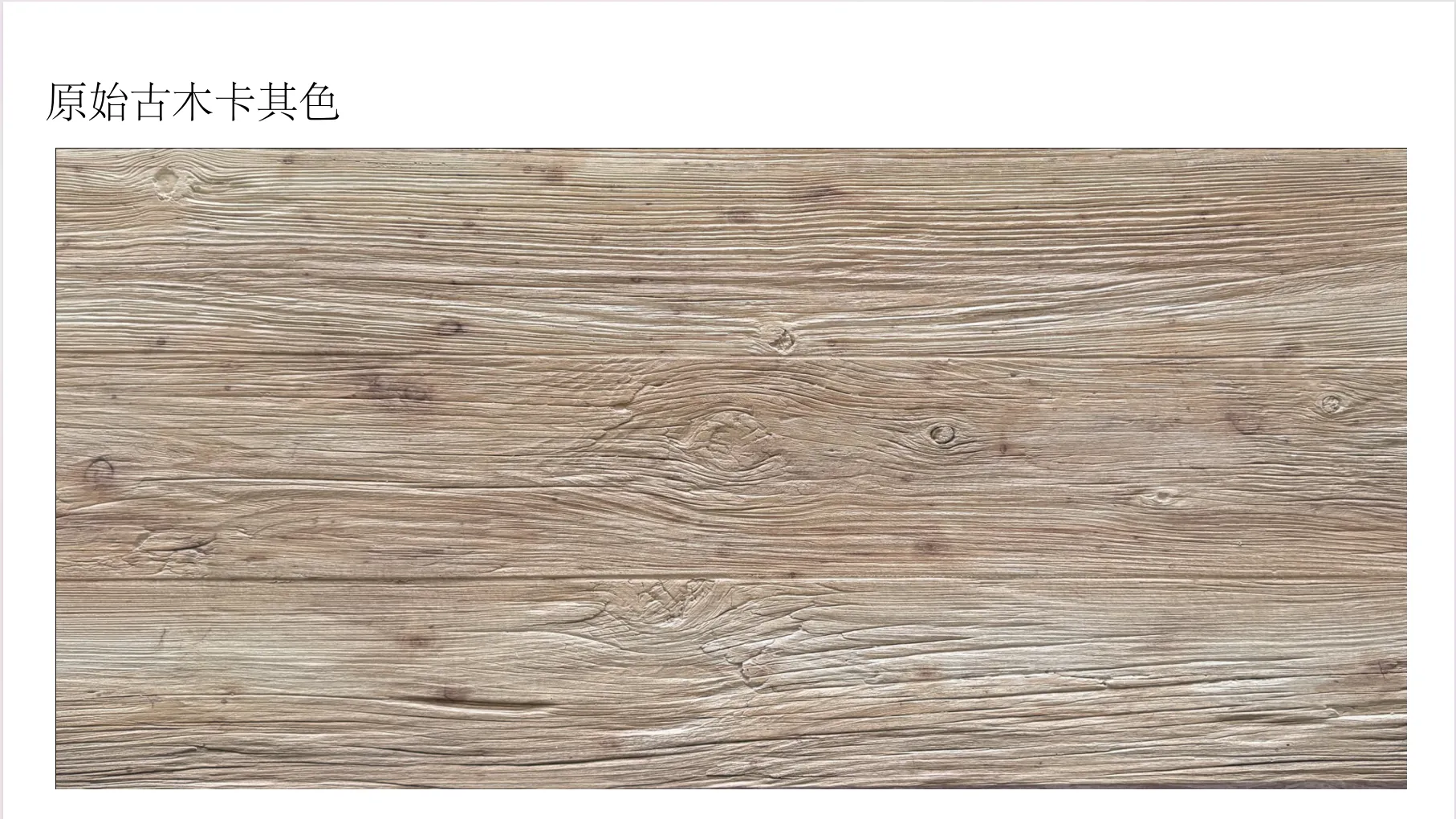
Take, for example, the wood grain board series—a standout in MCM's lineup. Crafted to replicate the intricate patterns of oak, teak, and pine, these panels capture the warmth of wood without the maintenance nightmare. Unlike real timber, they won't shrink, crack, or splinter when exposed to the desert sun. They're also impervious to termites—no more late-night inspections or costly pest control treatments. For a homeowner in Riyadh, this isn't just a material choice; it's peace of mind. Imagine installing a wood-textured accent wall in your living room and never having to worry about water damage from a spilled drink or scratches from playful kids. That's the freedom MCM offers.
Let's talk numbers—because in construction, durability isn't just a feeling; it's a measurable quality. MCM panels are rigorously tested to withstand the unique challenges of UAE and Saudi Arabian climates, and the results are impressive. For starters, they boast a thermal stability range of -40°C to 80°C—far beyond the region's typical temperature extremes. This means no warping, no cracking, even on the hottest summer days. In independent tests, MCM panels exposed to 50°C direct sunlight for 1,000 hours showed zero signs of color fading or structural damage. Compare that to timber, which can start fading and warping in as little as 6 months under similar conditions.
Then there's moisture resistance . MCM is inherently waterproof, making it ideal for coastal areas like Abu Dhabi or Jeddah, where salt-laden air can corrode even treated wood. Unlike timber, which absorbs water like a sponge, MCM repels moisture, preventing rot, mold, and mildew. And when it comes to pests? MCM is 100% termite-proof. Its composite structure offers nothing for insects to feed on, eliminating the need for toxic chemical treatments that harm the environment and add to maintenance costs.
Sandstorms, a common occurrence in Riyadh and parts of the UAE, are another test. The abrasive sand particles can strip paint and scratch surfaces, but MCM's tough outer layer resists abrasion, retaining its finish even after years of exposure. For a commercial building in Riyadh, this means the facade will look as crisp and vibrant on day 1,000 as it did on day 1—no repainting, no touch-ups, just consistent beauty.
One of MCM's greatest strengths is its ability to wear many hats. While it excels at mimicking wood, it doesn't stop there. The MCM lineup includes textures and colors that cater to every design vision, from sleek modernism to rustic charm. Let's explore a few standout options that are winning over architects in Dubai, Abu Dhabi, and Riyadh:
Lunar Peak Silvery: Imagine the surface of the moon—smooth yet textured, with a soft, silvery sheen that catches the light. That's lunar peak silvery , a finish that adds an otherworldly elegance to facades and interiors. It's perfect for contemporary buildings aiming to stand out, like a boutique hotel in Dubai's Design District or a tech office in Riyadh. Paired with warm lighting, it shimmers without feeling cold, balancing modernity with warmth.
Foamed Aluminium Alloy Board (Vintage Gold): For projects that demand luxury, foamed aluminium alloy board in vintage gold is a showstopper. Its metallic finish evokes old-world opulence—think Art Deco grandeur—with the durability of modern engineering. A restaurant in Doha might use it for a feature wall behind the bar, where it catches the glow of pendant lights and adds a touch of glamour. Unlike real gold leaf or solid metal, it's lightweight and resistant to tarnishing, ensuring that "vintage" look stays timeless, not tired.
Fair-Faced Concrete: Raw, honest, and industrial-chic, fair-faced concrete MCM panels capture the rugged beauty of exposed concrete without the weight or cracking issues of the real thing. A startup office in Abu Dhabi might opt for this finish to create an edgy, minimalist vibe, pairing it with wood grain board accents for warmth. It's a texture that feels both grounded and modern, perfect for spaces that want to tell a story of authenticity.
Wood Grain Board: Of course, we can't forget the star of the show. MCM's wood grain board comes in a range of tones—from light oak to deep walnut—each with the natural variation that makes wood so appealing. A residential project in Al Ain might use it for exterior cladding, creating a "country home" feel in the middle of the desert. The best part? Unlike real wood, it won't fade to a uniform gray; it retains its rich color year after year, keeping the home feeling welcoming and lived-in.
What ties all these options together is MCM's commitment to authenticity . These aren't cheap imitations; they're carefully crafted to replicate the depth and character of natural materials. Whether you're drawn to the weathered look of historical pathfinders stone or the sleekness of travertine (starry blue) , MCM delivers texture that feels real to the touch and true to the eye.
Beyond durability and aesthetics, MCM offers a host of practical benefits that make it a favorite among contractors and builders in the region. Let's start with weight: MCM panels weigh just 3-5 kg per square meter, compared to natural stone (20-30 kg/m²) or even timber (10-15 kg/m²). This lightweight nature reduces structural load on buildings, making it ideal for both new construction and retrofits. In Dubai, where skyscrapers reach for the clouds, every kilogram saved matters—and MCM delivers without compromising strength.
Installation is another breeze. Unlike real stone, which requires heavy machinery and specialized labor, MCM panels can be cut, drilled, and installed with standard tools. A team of two or three workers can clad an entire facade in days, not weeks, reducing labor costs and project timelines. For a developer in Riyadh racing to meet a tight deadline, this speed is invaluable. And because MCM is flexible, it can be curved or shaped to fit unique architectural designs—think sweeping arches or organic, flowing walls—without cracking or breaking.
Maintenance? Minimal. Unlike timber, which needs annual sealing, sanding, and painting, MCM requires little more than an occasional wipe with a damp cloth. Stains from coffee, oil, or dirt can be cleaned off easily, and the color won't fade, so there's no need for touch-up paints. For a busy hotel in Abu Dhabi, this translates to lower operational costs and less downtime—no closing sections of the lobby for maintenance when guests are around.
To truly understand why MCM is replacing timber in UAE and Saudi Arabian projects, let's put them head-to-head. The table below compares key factors that matter most to homeowners, architects, and developers:
| Feature | MCM (e.g., Wood Grain Board) | Real Timber |
|---|---|---|
| Thermal Resistance | Withstands -40°C to 80°C without warping or cracking | Warping and cracking occur at temperatures above 35°C; prone to shrinkage/expansion |
| Moisture & Rot Resistance | 100% waterproof; no rot or mold growth | Absorbs moisture, leading to rot, mold, and mildew (even with sealing) |
| Pest Resistance | Termite-proof; no insect damage | Highly susceptible to termites, beetles, and borers |
| UV Resistance | Color retention for 15+ years; no fading | Fades significantly within 2-3 years; requires regular staining |
| Maintenance | Low: Occasional cleaning with water; no sealing or painting | High: Annual sanding, sealing, and staining; frequent repairs |
| Lifespan | 25+ years with minimal wear | 5-10 years outdoors; 10-15 years indoors (with heavy maintenance) |
| Weight | Lightweight (3-5 kg/m²); reduces structural load | Heavy (10-15 kg/m²); requires stronger support structures |
| Aesthetic Versatility | Mimics wood, stone, metal, etc.; wide range of colors/finishes (e.g., lunar peak silvery, vintage gold) | Limited to natural wood tones; grain/pattern depends on tree species |
The data speaks for itself: MCM outperforms timber in every critical category. It's not just a "good alternative"—it's a superior one, offering the beauty of wood without the headaches.
In a region increasingly focused on sustainability—with Dubai aiming for net-zero by 2050 and Saudi Arabia's Vision 2030 prioritizing green construction—MCM aligns perfectly with green building materials goals. Here's why:
Reduced Deforestation: By mimicking wood, MCM reduces the demand for real timber, helping preserve forests and biodiversity. For every square meter of MCM wood grain board used, a tree is saved from being cut down.
Recycled Content: Many MCM panels incorporate recycled materials, such as post-consumer plastics and industrial byproducts, reducing waste and lowering the carbon footprint.
Energy Efficiency: MCM's lightweight nature reduces transportation emissions—trucks can carry more panels per trip, cutting down on fuel use. Its thermal stability also helps insulate buildings, reducing the need for excessive air conditioning in summer (a major energy saver in Dubai and Riyadh).
Longevity = Less Waste: With a lifespan of 25+ years, MCM panels need to be replaced far less frequently than timber, reducing construction waste and the environmental impact of manufacturing new materials.
For developers pursuing LEED or Estidama certifications, MCM is more than a durable choice—it's a sustainable one, helping projects earn crucial green building points.
Let's take a closer look at a hypothetical but realistic example of MCM in action. Imagine a residential complex in Riyadh, "Al Nour Heights," with 50 villas designed to blend traditional Saudi architecture with modern comfort. The developer's vision? Warm, inviting exteriors that feel like a "home in the desert," with wood-like textures to soften the concrete and glass. But after consulting with architects, they realized real timber would be too high-maintenance for residents and too risky in the climate. Enter MCM.
The design team chose MCM wood grain board in a warm walnut tone for the villa facades, paired with lunar peak silvery accents for the window frames and entryways. The result? A community that looks like it's been carved from natural materials, with the warmth of wood and the elegance of stone. Three years later, the villas still look brand-new. Residents report no issues with warping, fading, or pests. The maintenance team? They've only needed to hose down the facades a few times a year to keep them clean. For the developer, the choice paid off: Al Nour Heights sold out within months, with buyers citing the "low-maintenance luxury" as a key selling point.
Another example: A boutique hotel in Abu Dhabi's Corniche wanted to create a coastal vibe with "beach house" aesthetics. They opted for MCM foamed aluminium alloy board (vintage gold) for the lobby ceiling, paired with wood grain board for the walls. The vintage gold shimmers like sunlight on the water, while the wood grain adds warmth. Even with the high humidity and salt air, the materials have remained flawless—no tarnishing, no warping, just consistent beauty that guests rave about.
In the UAE and Saudi Arabia, where climate and culture demand both beauty and resilience, MCM isn't just a material—it's a revolution. It captures the emotional appeal of wood, stone, and metal, then amplifies it with durability that stands up to the desert's harshest tests. For homeowners, it means investing in spaces that stay beautiful for decades, not years. For architects, it means designing without limits—no more compromising vision for practicality. For developers, it means projects that attract buyers, reduce maintenance costs, and align with sustainability goals.
The next time you walk through a new development in Dubai or Riyadh, take a closer look at the facades, the accent walls, the feature panels. Chances are, that "wooden" texture or "stone" finish isn't what it seems. It's MCM—quietly redefining what's possible, one durable, beautiful surface at a time. And as the region continues to grow and build, MCM will be there, proving that you don't have to choose between heart and resilience. With MCM, you can have both.
Recommend Products












