
Where Buildings Breathe, Stories Unfold, and Materials Whisper Heritage
Walk down any street, and the buildings around you aren't just structures—they're storytellers. The rough-hewn stone of a century-old cottage murmurs of resilience; the sleek glass of a modern skyscraper shouts progress. In 2025, this dialogue between the past and future is getting richer, warmer, and more intentional. At the heart of it all? MCM's innovative materials, designed not just to build, but to connect . This year, construction isn't about bricks and mortar—it's about memory, emotion, and the quiet magic of a space that feels like home, even if you've never been there before.
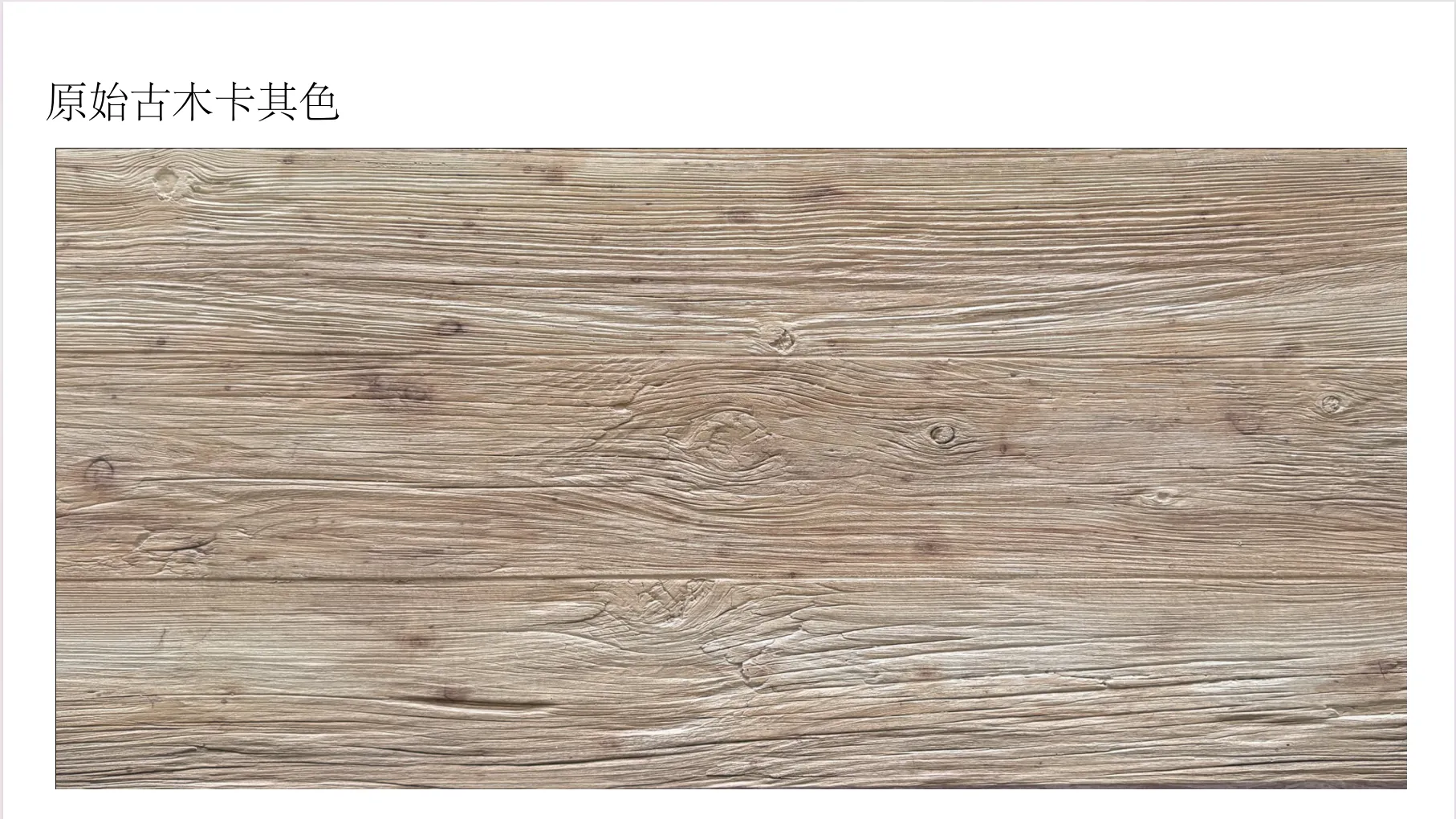
Remember the first time you ran your hand over a weathered wooden beam in a historic inn? That's the texture of memory. In 2025, we're craving that same warmth, but with a twist. Enter wood grain board —MCM's love letter to traditional craftsmanship, reborn for the modern world. Unlike solid wood, which warps, fades, and demands constant care, this engineered marvel retains every knot, every whorl, every imperfection that makes wood feel alive. Architects in Tuscany are using it to clad boutique wineries, pairing it with exposed stone to create spaces that feel like they've stood for centuries, yet hum with the efficiency of 21st-century materials.
But heritage isn't just about wood. Think of the sunbaked adobe walls of a New Mexican pueblo, or the cool, earthy (rammed earth) of a Chinese courtyard home. MCM's rammed earth board (matcha green) takes that primal connection to the land and elevates it. Swirled with soft, verdant hues that evoke sunlit tea fields in Kyoto, it's being used in everything from urban cafes to rural retreats. "It's not just a wall," says interior designer Lila Marquez, who specified it for a community center in Portland. "It's a conversation starter. Kids press their palms against it, seniors tell stories of 'when buildings felt real.' It's grounding—literally and figuratively."
We've all walked into a room and felt instantly calm—or tense—without knowing why. More often than not, it's the textures around us. In 2025, designers are leaning into this silent language, using materials that don't just look good, but feel good. Enter MCM flexible stone , a chameleon of a material that bends, curves, and conforms to any shape you can dream up. Unlike rigid natural stone, which limits design possibilities, this flexible wonder is being used to create sweeping, organic forms—think a lobby wall that flows like a river, or a fireplace surround that wraps around a corner like a hug. "It's liberation," says architect Raj Patel, who used it in a yoga studio in Bali. "Stone has always been about strength, but this? This is stone with a heartbeat."
On the flip side, there's the crisp, futuristic allure of foamed aluminium alloy board (vintage gold) . Brushed to a soft, metallic sheen that glows like aged treasure, it's the antidote to cold, sterile modernism. In a tech startup's Tokyo office, it's paired with plush velvet couches and warm pendant lights, creating a space that says "cutting-edge" without feeling clinical. "Aluminium used to feel industrial—like a factory floor," says Patel. "This? It's aluminium with soul. It catches the light differently at dawn than at dusk, so the room shifts mood throughout the day. It's dynamic."
And then there's the drama of travertine (starry blue) . Travertine has long been a staple in luxury design, but MCM's starry variant takes it to another dimension. Infused with microscopic, iridescent particles that catch the light, it shimmers like a night sky spilled across a wall. "I used it in a home theater in Dubai," says designer Karim Hassan. "When the lights go down, the walls glow—faintly, like distant stars. Clients tell me it's like watching a movie under the cosmos. Texture isn't just visual; it's experiential."
Gone are the days when "sustainable" meant "drab." In 2025, eco-friendly materials are leading the charge in aesthetics, and MCM is at the forefront. Take foamed aluminium alloy board (vintage gold) again—lightweight, 100% recyclable, and 70% more energy-efficient to produce than traditional aluminium. It's being used in high-rises in Singapore, where its reflective surface reduces heat absorption, cutting cooling costs by up to 30%. "Sustainability shouldn't feel like a compromise," says environmental engineer Mia Chen. "This board proves you can have luxury and (conscience) in one."
Then there's MCM flexible stone , which requires a fraction of the water and energy to quarry compared to natural stone. By mimicking the look and feel of marble, granite, and limestone without depleting finite resources, it's helping developers meet strict green building certifications like LEED and BREEAM. "We recently used it to clad a hospital in Berlin," says project manager Thomas Koch. "Natural stone would have required shipping from Italy, leaving a huge carbon footprint. MCM's version? Made locally, with recycled aggregates. And patients love it—they say the texture feels 'gentle,' less institutional."
For years, construction stuck to "safe" colors: whites, beiges, grays. 2025 is flipping the script, and MCM's color library is leading the rebellion. Let's talk about travertine (starry blue) again—not just for its texture, but for that jaw-dropping hue. Imagine a restaurant in Barcelona, where the back wall is clad in this stone, paired with brass fixtures and deep, indigo upholstery. It's like dining under the Mediterranean night sky, even at noon. "Color affects appetite, mood, connection," says color psychologist Dr. Elena Torres. "Starry blue is calming but not boring—it sparks curiosity. People linger longer, talk more. That's gold for businesses."
But it's not all bold. rammed earth board (matcha green) brings a soft, earthy vibrancy that feels both modern and timeless. It's being paired with warm neutrals and natural woods in residential spaces, creating interiors that feel like a breath of fresh air. In contrast, foamed aluminium alloy board (vintage gold) adds a touch of old-world glamour. Think a boutique hotel lobby in Paris, where it's used as an accent wall behind a velvet sofa, catching the light from crystal chandeliers. "Gold can feel gaudy," admits designer Hugo Dubois, "but vintage gold? It's muted, almost burnished. It says 'elegance,' not 'excess.'"
| Material | Traditional Version | MCM Innovation | Why It Matters |
|---|---|---|---|
| Wood | Solid hardwood (prone to warping, expensive) | wood grain board (durable, zero deforestation) | Keeps the warmth of wood without the environmental cost |
| Rammed Earth | Heavy, labor-intensive, limited color options | rammed earth board (matcha green) (lightweight, customizable hues) | Makes ancient building techniques accessible to modern projects |
| Aluminium | Heavy, high-energy production | foamed aluminium alloy board (vintage gold) (70% lighter, 100% recyclable) | Brings metallic luxury to sustainable design |
| Travertine | Quarried stone (water-intensive, limited colors) | travertine (starry blue) (engineered, energy-efficient, custom pigments) | Turns a classic material into a canvas for creativity |
| Stone | Rigid, hard to install in curved spaces | MCM flexible stone (bendable, lightweight, low-maintenance) | Unlocks design possibilities (hello, curved walls!) |
At the end of the day, buildings are more than shelters. They're the backdrops to our lives: the first home we buy, the office where we land our dream job, the community center where we celebrate weddings and birthdays. In 2025, MCM isn't just selling materials—they're selling experiences . A wood grain board wall that feels like a hug. A travertine (starry blue) accent that makes you pause and stare, like you've stumbled on a secret. A rammed earth board (matcha green) room that smells faintly of earth after rain.
These trends aren't just about what's new—they're about what's needed . We're craving connection: to our past, to the planet, to each other. And in the quiet hum of a foamed aluminium alloy board (vintage gold) wall, or the soft texture of MCM flexible stone , we're finding it. This year, let's build spaces that don't just stand—they breathe . Spaces that tell our stories, one texture, one color, one memory at a time.
Recommend Products












