
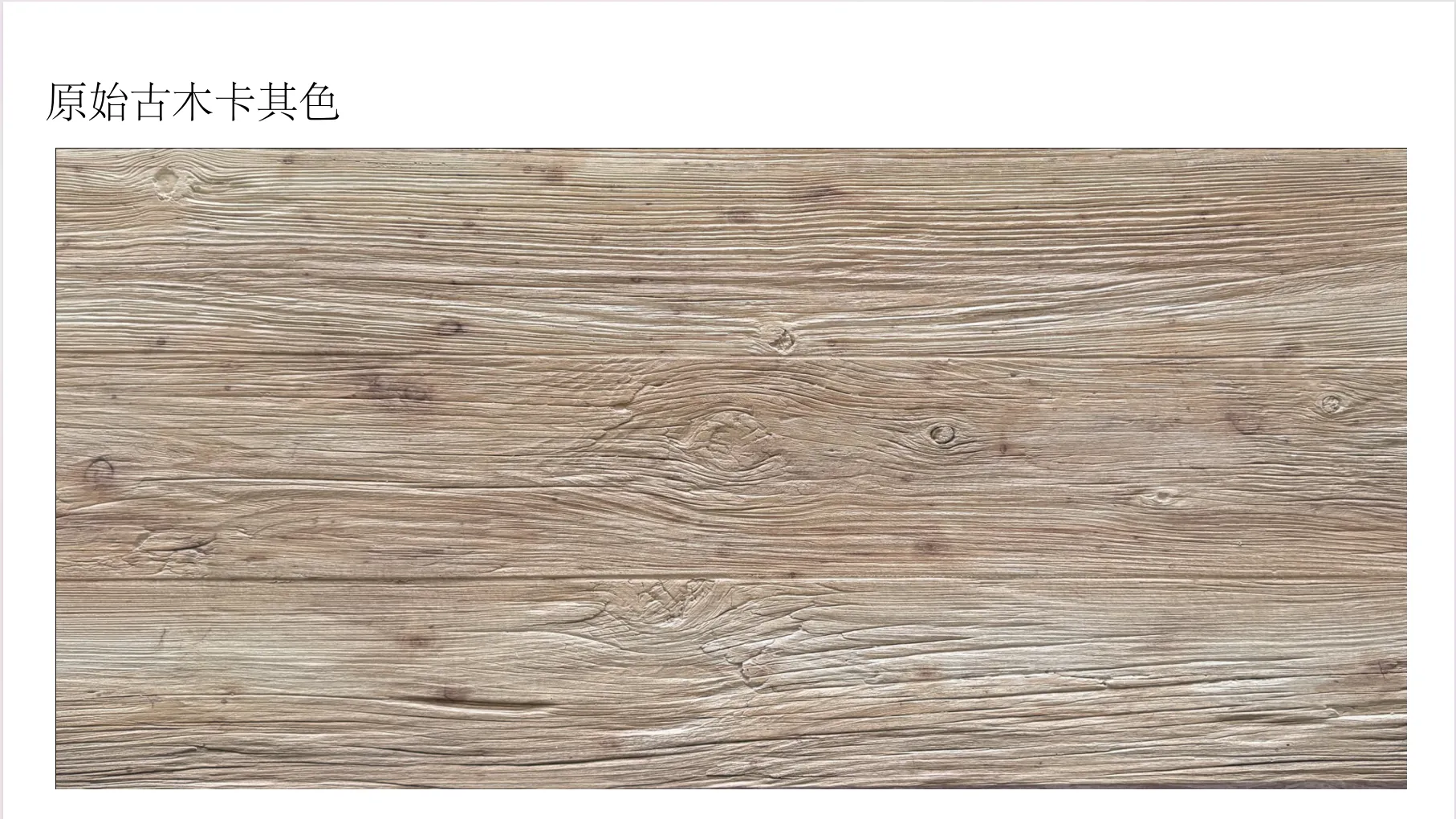
Choosing the right material for a home or commercial project is more than just a design decision—it's a promise to the future. Whether you're a homeowner dreaming of a backyard oasis, a designer crafting a boutique hotel, or a developer planning a community space, the material you pick today will shape how that space feels, functions, and costs over decades. For generations, Ancient Wood has been the go-to for its warmth, character, and timeless appeal. But in recent years, a new contender has emerged: MCM (Modified Composite Material) . Sleek, innovative, and engineered for longevity, MCM is challenging tradition. Let's dive into the heart of the matter: over 20 years, which material truly delivers the best value—for your wallet, your peace of mind, and the spaces you love?
There's a reason Ancient Wood has been a staple for centuries. Walk into a room with wooden floors, and you'll feel it immediately—the way the grain catches the light, the subtle warmth underfoot, the quiet stories of growth and time embedded in every knot. It's a material that feels alive, evolving with the years. A wooden deck might start as a honeyed blonde, then mellow into a rich amber as it basks in the sun; a wooden facade softens storms with its natural texture. For many, this aging process is part of its charm—a patina that tells a story of family barbecues, rainy afternoons, and lazy Sundays.
But here's the catch: that story can take a costly turn. Ask any homeowner who's cared for a wooden structure over decades, and they'll recount the to-do list: annual sealing to fend off moisture, termite inspections that feel like quarterly rituals, refinishing every 5–7 years to sand away scratches and restore the shine. In humid climates, wood swells and warps; in dry regions, it cracks and fades. Even with meticulous care, the average lifespan of untreated or minimally treated Ancient Wood in exterior settings is often 10–15 years before major repairs or replacement are needed. And let's not forget the environmental cost: sourcing large quantities of Ancient Wood often means logging old-growth forests, a choice that weighs heavy on eco-conscious builders.
Enter MCM—a category that includes materials like MCM flexible stone , 3D printing series panels, and foamed aluminium alloy board —engineered to address the pain points of traditional materials. MCM isn't just a single product; it's a family of composites designed to mimic the look of natural materials (wood, stone, metal) while eliminating their weaknesses. Take MCM flexible stone , for example: it captures the rugged beauty of travertine or slate but weighs a fraction of the real thing, resists water and pests, and never fades under UV rays. Or consider the 3D printing series , which uses advanced manufacturing to create intricate textures—think travertine (starry green) with a galaxy-like sparkle or wave panels that ripple like water—without the fragility of natural stone.
What truly sets MCM apart is its focus on green building materials . Most MCM products are made from recycled or sustainably sourced components, with low-VOC adhesives and minimal waste during production. Unlike Ancient Wood, which often requires harsh chemicals for preservation, MCM is inert—no toxic sealants or pesticides needed to keep it looking new. For builders and homeowners prioritizing sustainability, this is a game-changer: you get the aesthetic you love without compromising the planet.
To really understand the cost-benefit of Ancient Wood vs. MCM, let's zoom out to a 20-year timeline—the average span of a mortgage, a family's time in a home, or the lifecycle of a commercial project. We'll break it down by five key factors: initial cost, maintenance, durability, aesthetic longevity, and environmental impact.
| Factor | Ancient Wood | MCM (e.g., MCM Flexible Stone, 3D Printing Series) |
|---|---|---|
| Initial Cost | Lower upfront: $8–$15 per sq. ft. for mid-grade wood (e.g., cedar, pine). | Higher upfront: $12–$25 per sq. ft. (varies by type; 3D-printed or specialty finishes like travertine (starry green) may cost more). |
| Annual Maintenance | High: $2–$4 per sq. ft. (sealing, staining, termite treatment, minor repairs). | Low: $0.20–$0.50 per sq. ft. (occasional cleaning with mild soap and water; no sealing or refinishing). |
| Durability & Lifespan | 10–15 years average (exterior); prone to rot, warping, pest damage. Requires partial replacement at 10 years ($5–$8 per sq. ft.). | 25–30+ years (exterior); resistant to water, UV rays, pests, and impact. No replacement needed in 20 years. |
| Aesthetic Longevity | Fades, cracks, or discolors; may develop mold or mildew. "Patina" can become unappealing without constant upkeep. | Retains original color, texture, and finish. Products like foamed aluminium alloy board (vintage gold) or lunar peak silvery stay vibrant, with no fading or degradation. |
| Environmental Impact | High: Requires logging (risk of deforestation); chemical treatments leach into soil/water. Carbon footprint from harvesting and transportation. | Low: Made with green building materials (recycled content, low-VOC); lightweight design reduces transportation emissions. No toxic runoff from maintenance. |
| 20-Year Total Cost* | $38–$65 per sq. ft. (initial + maintenance + replacement). | $16–$30 per sq. ft. (initial + minimal maintenance; no replacement). |
*Estimates based on 20-year lifespan, 1,000 sq. ft. project, and average regional costs in the U.S.
Numbers tell part of the story, but let's talk about what the table can't capture: peace of mind. Imagine spending weekends sanding and sealing a wooden deck instead of hosting friends, or budgeting for termite treatments when you'd rather save for a family vacation. For Sarah, a homeowner in coastal Florida, the switch from wood to MCM was life-changing. "We had a wooden porch that rotted after three hurricane seasons—cost us $12,000 to replace," she recalls. "Now we have MCM flexible stone in travertine (starry blue) . It's been five years, and it still looks brand new. I don't worry about storms or termites anymore. That's priceless."
For designers, MCM offers creative freedom without compromise. "I used to avoid recommending wood for high-moisture areas like bathrooms or pool surrounds because I knew clients would face issues down the line," says Mia, an interior designer in California. "Now, with 3D printing series panels that mimic reclaimed wood, I can give them that rustic vibe without the risk. The wood grain board MCM looks so real, clients can't believe it's not solid oak—until I tell them it's waterproof."
In an era where every choice echoes through the planet, sustainability can't be an afterthought. Ancient Wood, when sourced from certified sustainable forests, has its merits—but the reality is that demand often drives unsustainable logging, contributing to deforestation and habitat loss. MCM, by contrast, is built on green building materials principles. Many MCM products use recycled stone, metal, or plastic, reducing waste sent to landfills. The manufacturing process is energy-efficient, and because MCM is lightweight, transporting it emits fewer greenhouse gases than heavy natural stone or lumber.
Take foamed aluminium alloy board , for example: it's made from recycled aluminum, a material that requires 95% less energy to recycle than to produce from raw ore. Or MCM flexible stone , which uses byproducts from natural stone quarries that would otherwise be discarded. For builders aiming for LEED certification or homeowners who want to leave a lighter footprint, MCM aligns with the goal of "building for the future without depleting it."
Let's circle back to the original question: over 20 years, which material is the better investment? Ancient Wood has its romantic appeal, but when you add up the annual maintenance costs, the need for replacement, and the hidden expenses of repairs, its "affordable" upfront price tag fades. MCM, with its higher initial cost, quickly closes the gap thanks to minimal maintenance, no replacement fees, and unwavering durability. By year 10, the savings start to pile up; by year 20, MCM often costs 30–50% less than Ancient Wood when total expenses are tallied.
But value isn't just about money. It's about the weekends you won't spend sanding a deck, the peace of mind knowing your facade won't rot in a storm, and the satisfaction of choosing a material that respects the planet. MCM doesn't just mimic the look of natural materials—it elevates them, offering the best of both worlds: beauty and resilience.
So, whether you're designing a home, a restaurant, or a public park, remember: the material you choose today isn't just for now. It's for the 20 years of memories, moments, and milestones that will unfold in the spaces you create. With MCM, you're not just building—you're investing in a future where durability, beauty, and sustainability coexist. And that? That's a value that lasts.
Recommend Products












