
There's a quiet magic in poolside spaces—they're where morning coffee meets the sound of splashing water, where evening gatherings linger under string lights, and where the boundary between indoors and outdoors blurs into something soft and inviting. But anyone who's designed or maintained a pool area knows the unspoken truth: the materials that make these spaces beautiful are often the same ones that fight a losing battle against water, sun, and time. Traditional wood, once the darling of pool decks for its warm, organic feel, all too quickly becomes a headache—splitting, warping, or growing mold after just a few seasons. Stone is heavy and porous, concrete feels cold and industrial, and even composite decking can fade or peel under relentless UV rays. What if there was a material that captured the soul of natural wood, the durability of stone, and the low-maintenance ease of modern engineering? Enter MCM flexible stone —and in particular, its stunning ancient wood finish—a game-changer for poolside cladding that marries aesthetics with unbeatable water resistance.
Let's start with the obvious: pool areas are wet. Not just occasionally damp—we're talking constant exposure to splashes, rain, humidity, and even the chemicals in pool water. Add in direct sunlight, temperature swings, and foot traffic, and you've got a hostile environment for most building materials. Traditional wood, for all its charm, is a prime example of this paradox. I've seen it firsthand: a friend's cedar pool deck that looked picture-perfect on installation, only to start cupping and graying within two years. By year three, there were gaps between boards where water seeped through, and by year four, they were replacing entire planks. The maintenance? Annual sanding, staining, and sealing—hours of work that felt like pouring money into a material that was slowly self-destructing.
Natural stone, like travertine or limestone, fares better in terms of longevity but brings its own set of issues. It's porous, so without constant sealing, it absorbs water and becomes a breeding ground for algae—slippery when wet and impossible to keep looking clean. A hotel I consulted with once had a travertine pool surround that required monthly pressure washing and quarterly sealing to combat mold. The cost added up, and the stone still developed dark, stained patches where water pooled. Concrete, while durable, feels sterile and uninviting; it cracks over time, and those cracks become traps for dirt and moisture. Even "waterproof" composite decking, made from wood fibers and plastic, can warp if the plastic layer wears thin, exposing the wood core to moisture. It's a cycle of compromise: choose beauty and accept maintenance, or choose durability and sacrifice warmth.
"We wanted our pool area to feel like a retreat, not a construction site. Traditional wood looked great but turned into a maintenance nightmare. Stone was too cold, concrete too harsh. MCM panels changed everything—they look like aged wood, but we haven't touched them in three years except to hose them down." — Maria, homeowner in Scottsdale, AZ
So, what makes MCM flexible stone different? Let's break it down. MCM stands for Modified Composite Material, a blend of natural minerals (like stone powder and fiberglass) and high-performance polymers engineered to mimic the look and texture of natural materials—wood, stone, even metal—without their weaknesses. Think of it as nature's beauty, reimagined with modern science. The "flexible" part is key: unlike rigid stone or brittle concrete, MCM panels bend slightly, making them resistant to cracking from temperature changes or minor impacts. But the real star here is their water resistance, a feature built into their very structure.
MCM panels are created through a multi-layer process: a base layer of reinforced fiberglass provides strength, a middle layer of mineral composites adds density, and a top layer of polymer resin (infused with pigments and textures) creates the finish—whether that's the grain of ancient wood or the sparkle of stone. This layered construction results in a material that's dense, non-porous, and impermeable to water. Unlike wood, which absorbs moisture through its pores and swells, or stone, which traps water in its natural fissures, MCM panels shed water like a duck's back. Spills, splashes, even standing rainwater simply bead up and evaporate, leaving no trace behind. There's no warping, no rotting, and no mold growth because there's nowhere for moisture to hide.
But MCM isn't just about repelling water—it's about thriving in wet environments. Pool chemicals, like chlorine and bromine, are notoriously harsh on building materials, eating away at wood finishes and discoloring stone. MCM's polymer top layer is chemically resistant, so it won't fade, pit, or degrade even with regular exposure to pool water. UV rays, which break down organic materials like wood and cause plastics to become brittle, are no match for MCM either. The pigments are locked into the resin layer, so colors stay vibrant for decades, not years. It's a material designed to laugh off the elements that make poolside cladding so challenging.
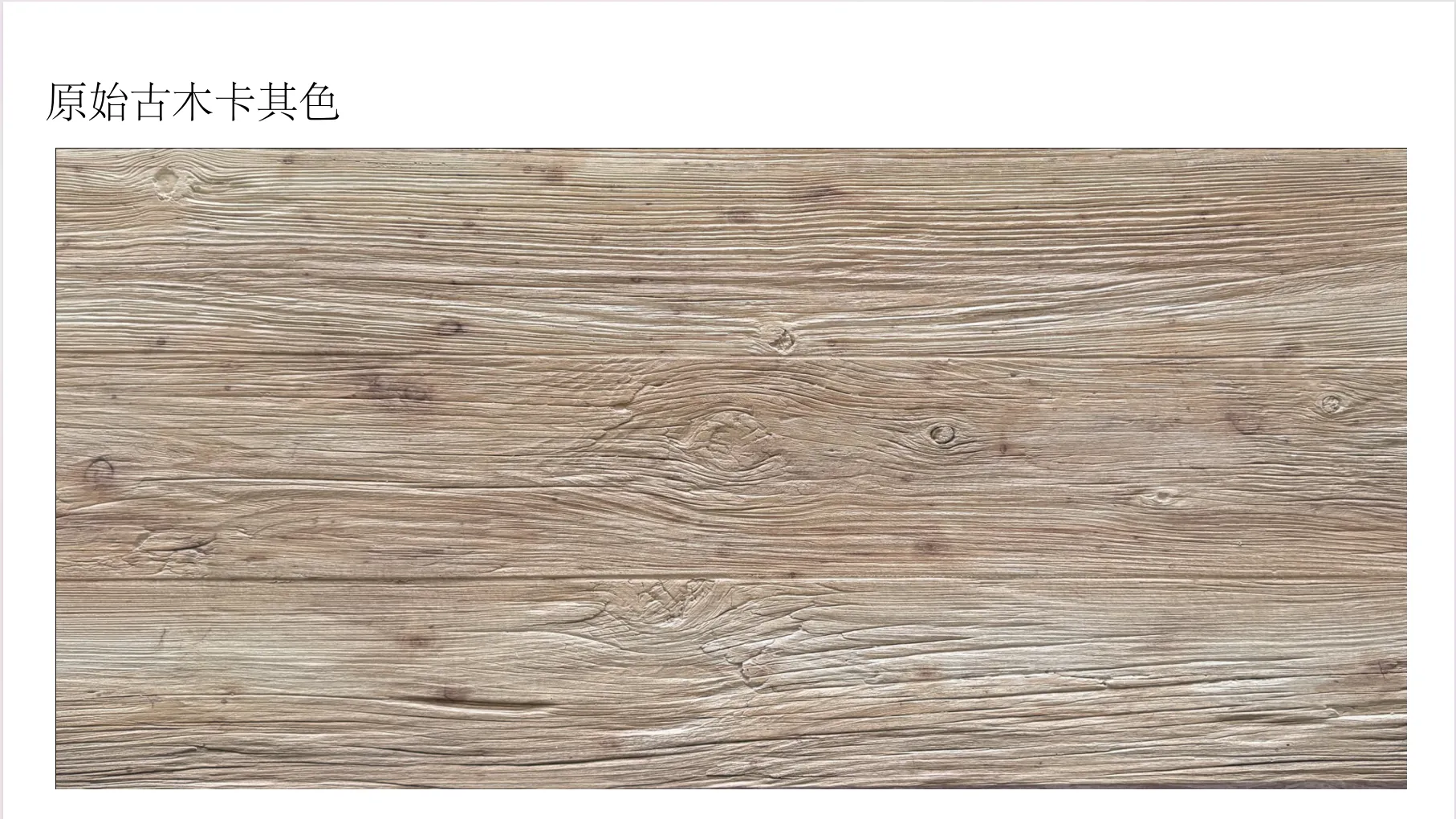
Here's where it gets exciting: ancient wood isn't just a name—it's a promise. MCM panels with this finish are crafted using digital scanning technology that captures the intricate details of real, centuries-old wood planks—think deep, weathered grains, subtle knots, and the warm, varied hues of wood that's been kissed by time. The result? A surface that looks and feels like reclaimed barn wood or aged teak, but without the fragility. Run your hand over it, and you'll feel the texture of grain, the slight ridges of knots, the soft warmth that makes wood such a beloved material. But touch it after a rainstorm, and it's dry to the touch—no sticky moisture, no splinters, no worry.
I visited a boutique resort in Bali last year that had wrapped their infinity pool in ancient wood MCM panels, and I'll admit—I did a double-take. From a distance, it looked like weathered teak, the kind that would normally require constant oiling to keep from turning gray. But up close, there were no cracks, no splinters, and no signs of the mold that's common in Bali's humid climate. The resort manager told me they'd installed the panels five years earlier and hadn't done a thing to maintain them except hose them down monthly. "We used to spend $10,000 a year on refinishing our old wood deck," he said. "Now, we spend $0, and they still look like the day they were installed." That's the power of MCM: it captures the soul of wood without the hassle.
What's most striking about the ancient wood finish is how it transforms the mood of a pool area. Unlike cold stone or industrial concrete, it adds warmth and character—like bringing a piece of the forest to the water's edge. It pairs beautifully with lush greenery, woven furniture, and soft lighting, creating spaces that feel lived-in and welcoming. And because MCM panels are customizable, you can choose from lighter, honeyed tones that glow in the sun or deeper, espresso hues that add drama. Some even mimic the look of driftwood, with weathered gray streaks that evoke coastal vibes. It's wood, but better—wood that doesn't just survive the elements, but thrives in them.
While ancient wood is the star of the show for warm, organic poolside vibes, MCM panels offer a range of complementary styles that elevate the design without sacrificing water resistance. One standout is foamed aluminium alloy board (vintage gold) —a sleek, metallic option that adds a touch of glamour to pool surrounds. Imagine ancient wood panels lining the deck, paired with foamed aluminium alloy board (vintage gold) as an accent along the pool coping or as a backdrop for outdoor lighting. The vintage gold finish has a soft, brushed texture that shimmers in sunlight but doesn't feel flashy—think old-world elegance meets modern durability. And because it's foamed aluminium, it's lightweight (so easy to install), rust-proof (perfect for wet areas), and resistant to scratches and dents from patio furniture.
For a more earthy, natural look, rammed earth board (gradient) is a showstopper. Rammed earth has been used for centuries in architecture for its warm, terracotta hues and natural texture, but traditional rammed earth is heavy, porous, and prone to cracking when exposed to moisture. MCM's take on rammed earth fixes all that, with a gradient finish that blends soft beiges, terracottas, and warm grays in a way that mimics the layered look of hand-tamped soil. I recently saw this paired with ancient wood in a desert-inspired pool design, and the effect was stunning—the gradient rammed earth looked like eroded canyon walls, while the ancient wood added the warmth of desert campfires. It's a combination that feels both timeless and contemporary, and because both materials are MCM, they share the same water-resistant, low-maintenance benefits.
Another versatile option is travertine (starry blue) —though not the focus here, it's worth mentioning as a complement to ancient wood . MCM travertine captures the classic pitted texture of natural travertine but in vibrant, pool-friendly colors like starry blue, which shimmers like water under sunlight. Paired with ancient wood, it creates a coastal-inspired palette that's both calming and invigorating. The key, as with all MCM styles, is that these aren't just pretty faces—they're engineered to handle the unique demands of poolside life.
To truly understand why MCM panels are revolutionizing poolside cladding, let's put them head-to-head with traditional options. The table below compares ancient wood MCM panels with four common poolside materials: cedar wood, natural travertine, concrete, and composite decking. We'll focus on the factors that matter most for pool areas: water resistance, maintenance, durability, aesthetics, and long-term value.
| Material | Water Resistance | Annual Maintenance | Expected Lifespan | Aesthetic Appeal | Long-Term Value |
|---|---|---|---|---|---|
| Cedar Wood | Poor: Absorbs water, swells, rots | High: Sanding, staining, sealing (2x/year) | 5-7 years before replacement | Warm, organic, but fades/grays quickly | Low: High upkeep costs; needs replacement every 5-7 years |
| Natural Travertine | Moderate: Porous; requires sealing (4x/year) | Moderate: Pressure washing, sealing, algae removal | 15-20 years (with heavy maintenance) | Timeless, but cold; stains easily | Medium: High initial cost, ongoing sealing expenses |
| Concrete | Good: Non-porous when sealed | Moderate: Cracks need filling; occasional resurfacing | 20-30 years (with repairs) | Sterile, industrial; stains show easily | Medium: Low initial cost, but repairs add up; low aesthetic value |
| Composite Decking | Moderate: Prone to warping if plastic layer wears | Low: Occasional cleaning; no sealing | 10-15 years (fades/peels over time) | Plastic-like appearance; limited color options | Medium: High initial cost, fades quickly; resale value low |
| MCM Ancient Wood | Excellent: Non-porous, water-shedding surface | Very Low: Hose down monthly; no sealing/staining | 30+ years (no fading, warping, or rotting) | Warm, organic wood look; vibrant, long-lasting color | High: Moderate initial cost, no upkeep; retains aesthetic value |
The data speaks for itself: MCM panels outperform traditional materials across the board, especially in the areas that matter most for poolside cladding. Water resistance? MCM's non-porous surface and polymer coating make it nearly impervious to moisture. Maintenance? A quick hose-down is all it takes. Durability? Thirty-plus years of performance with no fading, warping, or rotting. Aesthetics? It captures the warmth of wood without the wear and tear. And long-term value? The initial investment pays off in spades with zero maintenance costs and decades of beauty.
Let's move beyond the specs and talk about real people and places transformed by MCM poolside cladding. Take the case of a luxury villa community in Miami, where developers wanted to create a "tropical oasis" vibe with pool areas that felt lush and organic. Initially, they specified ipe wood—a dense, durable tropical hardwood—for the pool surrounds. But after two years, the wood had started to gray and splinter, and homeowners were complaining about slippery surfaces after rain. The HOA faced a choice: refinish the wood (at a cost of $250,000) or replace it. They opted for ancient wood MCM panels, and the results were dramatic. Five years later, the panels still look like new—no graying, no splinters, no slippery spots. Homeowners report spending less time cleaning and more time enjoying their pools, and resale values have increased by an average of 8% thanks to the low-maintenance, high-appeal cladding.
Another example: a public aquatic center in Austin, TX, needed to replace its worn concrete pool deck, which had cracked and become uneven, creating tripping hazards. They wanted a material that could handle heavy foot traffic, constant water exposure, and the harsh Texas sun. After considering stone and concrete alternatives, they chose ancient wood MCM panels paired with foamed aluminium alloy board (vintage gold) accents. The aluminium panels added a sleek, modern touch to the wood's warmth, and the MCM's lightweight design made installation faster and cheaper than laying stone. Three years in, the deck has withstood thousands of swimmers, rainstorms, and 100-degree days with no signs of wear. The aquatic director summed it up: "We used to spend $15,000 a year on concrete repairs. Now, we spend $500 on hose attachments. It was a no-brainer."
"MCM panels were a revelation for our pool project. We wanted the look of reclaimed wood but didn't want to deal with the maintenance. The ancient wood finish is indistinguishable from real wood, but it's so much tougher. Last summer, we had a monsoon that flooded the pool deck—water was standing for days. The MCM panels dried out with no damage, no mold, nothing. I can't imagine going back." — Raj, homeowner in Phoenix, AZ
One of the unsung benefits of MCM panels is how easy they are to install and customize. Unlike natural stone, which requires heavy equipment and structural reinforcement, MCM panels are lightweight—typically 3-5 pounds per square foot—so they can be installed on existing structures without adding extra load. They're also flexible, which means they can be curved around pool edges, steps, or custom features like built-in benches. Installation is straightforward: panels can be cut with standard tools (no special diamond blades needed), and they attach via adhesive or interlocking systems, depending on the substrate. This makes them a favorite among contractors and DIYers alike—some homeowners even tackle small projects themselves, saving on labor costs.
Customization is another strong suit. MCM panels come in a range of sizes, from standard planks to large-format slabs, and can be ordered in custom colors or finishes to match any design vision. Want your ancient wood panels to have deeper knots or richer hues? Manufacturers can adjust the digital scanning and pigmentation to create a one-of-a-kind look. The rammed earth board (gradient) I mentioned earlier is a perfect example—designers can specify the color transition, from soft beige to terracotta to gray, to complement their overall aesthetic. And because MCM is a composite material, it can mimic not just wood and stone, but also metal, concrete, and even woven textures, giving designers endless creative freedom.
In an era where sustainability matters more than ever, MCM panels hold their own. Traditional wood cladding often relies on endangered or slow-growing species, contributing to deforestation. Natural stone quarrying disrupts ecosystems and consumes massive amounts of energy. MCM, by contrast, is made from a blend of recycled minerals (like stone dust from quarry waste) and recycled polymers, reducing its environmental footprint. The manufacturing process uses less energy than quarrying stone or processing hardwood, and because MCM panels last for decades, they reduce the need for frequent replacements—another win for sustainability.
Additionally, MCM's lightweight nature reduces transportation emissions, and its low-maintenance requirements mean fewer harsh chemicals (like wood stains or stone sealers) are released into the environment. Some manufacturers even offer panels with recycled content certifications, making them a smart choice for LEED-certified projects or eco-conscious homeowners. It's a material that not only stands up to the elements but also stands for responsible design.
So, what does the future hold for poolside cladding? If the rise of MCM is any indication, it's a future where beauty and durability coexist. Homeowners and designers are no longer willing to choose between a space that looks good and one that lasts—and MCM panels deliver on both fronts. Ancient wood finish, with its uncanny resemblance to real wood and unbeatable water resistance, is leading the charge, but it's just the beginning. As technology advances, we'll see even more innovative MCM styles and finishes, each designed to capture the essence of natural materials while fixing their flaws.
For those of us who dream of poolside spaces that feel like retreats—warm, inviting, and effortlessly beautiful—MCM panels are more than a building material. They're a promise: that we can have the best of both worlds. No more sacrificing aesthetics for durability, no more endless maintenance, no more watching a once-beautiful space slowly deteriorate. With MCM, poolside cladding becomes something to cherish, not just maintain—something that grows more beloved with time, not less.
So, the next time you find yourself staring at a warped wood deck or a stained stone pool surround, remember: there's a better way. MCM flexible stone , with its ancient wood finish, foamed aluminium alloy accents, and rammed earth gradients , is here to redefine what poolside beauty can be. It's not just about resisting water—it's about embracing life, one splash, one sunset, one quiet morning at a time.
Recommend Products












