

In the quiet hum of a hospital, every surface tells a story of care. From the sterile white walls that cradle hope to the gentle beep of monitors that mark life's rhythm, every detail is designed to nurture healing. But there's one element so foundational it often goes unnoticed—until a misstep happens: the floor beneath our feet. In healthcare settings, where urgency and vulnerability walk hand in hand, flooring isn't just a functional choice. It's a silent promise to protect those who need it most. This is the story of how anti-slip mosaic travertine flooring, backed by COLORIA GROUP's innovative MCM technology, is redefining safety and compassion in hospitals worldwide.
Picture this: A nurse rushes to answer a patient's call, her shoes skidding slightly on a recently mopped corridor. A elderly patient, unsteady on their feet, reaches for a handrail as their foot slips on a polished surface. A parent, distracted by a child's tears, nearly trips on a loose tile edge. These aren't just hypothetical scenarios—they're daily risks in healthcare environments where wet floors, constant foot traffic, and vulnerable individuals collide. According to industry reports, slip-and-fall accidents account for over 25% of non-fatal injuries in hospitals, with floors cited as the primary culprit in 60% of cases. The cost? Not just medical bills, but shattered trust, prolonged recovery times, and the quiet fear that lingers when safety feels compromised.
Healthcare flooring must balance conflicting demands: it needs to repel bacteria but welcome thorough cleaning, resist stains from chemicals yet remain gentle underfoot, and stand up to heavy equipment while cushioning accidental falls. Traditional materials often falter here—vinyl tears, ceramic cracks, and polished stone becomes a hazard when wet. Enter mosaic travertine, a material with a history as old as healing itself, reimagined through modern engineering to meet the unique challenges of 21st-century healthcare.
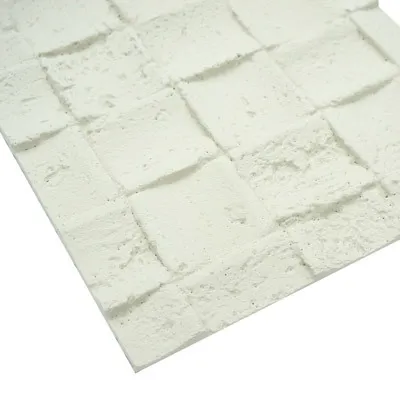
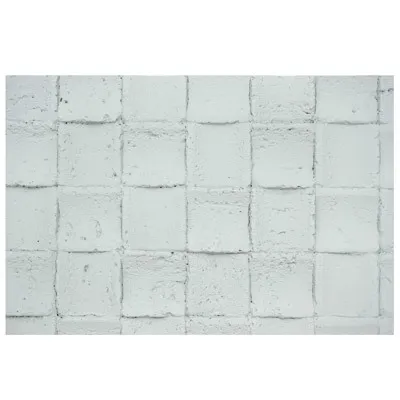
Travertine, formed over millennia by mineral-rich hot springs, has long been prized for its warm, organic texture. Its naturally pitted surface and matte finish make it inherently slip-resistant—a quality that has made it a staple in ancient bathhouses and modern public spaces alike. But in healthcare, "good enough" isn't enough. That's where mosaic design elevates the material: small, interlocking tiles create micro-grooves that channel water away, while their compact size reduces the risk of large-scale cracking. When paired with COLORIA GROUP's MCM (Modified Cementitious Material) technology, this ancient stone becomes something extraordinary.
| Feature | Traditional Hospital Flooring | MCM Mosaic Travertine |
|---|---|---|
| Slip Resistance (Wet Surface) | Low (Coefficient of Friction <0.5) | High (Coefficient of Friction >0.8 with textured finish) |
| Impact Resistance | Prone to cracking under heavy loads | Flexible core absorbs shock, reducing breakage |
| Hygiene Maintenance | Grout lines trap bacteria; porous surfaces stain easily | Sealed MCM surface resists mold; tight mosaic joints minimize debris buildup |
| Comfort Underfoot | Hard, unforgiving surface | Natural thermal insulation eases fatigue for standing staff |
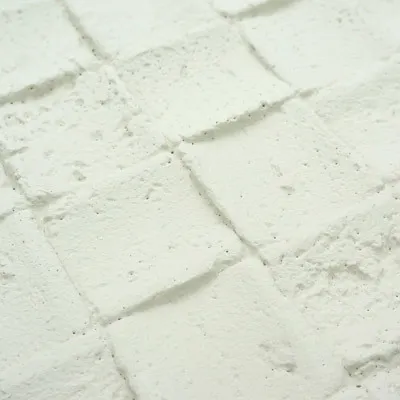
At the heart of COLORIA GROUP's mosaic travertine lies a innovation born from decades of listening—to architects, to healthcare administrators, to the people who walk these floors every day. MCM, or Modified Cementitious Material, isn't just a formula; it's a commitment to reimagining what building materials can be. By blending natural travertine aggregates with a proprietary mix of polymers and reinforcing fibers, COLORIA transforms stone into something both stronger and softer, more durable and more adaptive.
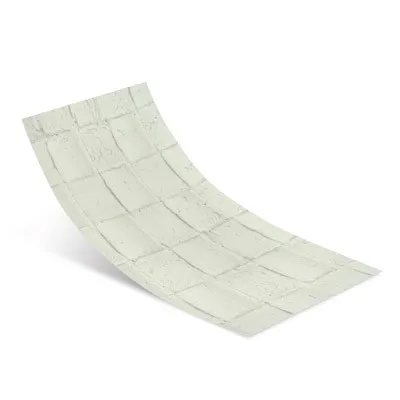
Imagine a floor that bends without breaking, that absorbs the impact of a dropped instrument cart without sending shards flying, that conforms to uneven subfloors to eliminate trip hazards. That's the promise of MCM Flexible Stone, a cornerstone of COLORIA's healthcare flooring solutions. Unlike rigid natural stone, which can crack under stress, these panels flex with movement—whether from the weight of a stretcher or the subtle shifting of a building's foundation. In a pediatric ward, this means fewer sharp edges to worry about during playful tumbles. In an emergency room, it means a surface that stays intact even when life-saving equipment is rushed across it.
Not all mosaic travertine is created equal. COLORIA's mosaic travertine stone takes the material's natural slip resistance a step further with precision-engineered textures. Take, for example, the travertine (starry green) variant—a striking blend of deep emerald tones and subtle metallic flecks that mimic a starry night sky. Beyond its visual appeal, its surface is etched with microscopic ridges, designed to channel moisture away from shoe soles and create friction even when wet. This isn't just aesthetics; it's safety with soul. In a cancer ward, where patients often feel disconnected from the world outside, a floor that shimmers like a forest glade can be a small, powerful reminder of beauty and resilience.
Hospitals aren't one-size-fits-all environments, and neither should their flooring. A labor and delivery unit has different needs than an operating room; a psychiatric ward demands different considerations than a rehabilitation center. COLORIA's anti-slip mosaic travertine adapts to each zone, ensuring safety never compromises functionality.
Corridors are the arteries of a hospital, bustling with staff, patients, and equipment around the clock. Here, flooring must withstand constant wear while maintaining grip. COLORIA's flexible stone cladding panels shine here, with their high compressive strength and resistance to scuffing. The mosaic design, with its interlocking tiles, ensures that even if one tile is damaged, the rest remain secure—no loose edges to trip over during a code blue.
In the OR, precision is everything—including underfoot. Surgeons and nurses stand for hours, often on wet surfaces (think: sterile water, antiseptic solutions). MCM mosaic travertine here is treated with an antimicrobial sealant that repels bacteria, while its non-porous surface allows for harsh chemical cleaning without degradation. The result? A floor that's as clean as the instruments on the table, and as steady as the hands that wield them.
For patients relearning to walk, every step is a victory—and a risk. Rehabilitation zones need flooring that's gentle on fragile joints but firm enough to support assistive devices like walkers and wheelchairs. COLORIA's MCM Flexible Stone offers just the right balance of cushioning and stability, with a texture that gives patients the confidence to take that next, crucial step toward healing.
Healthcare is about healing—not just people, but the world we share. Traditional stone mining often leaves behind scarred landscapes and excessive carbon footprints, but COLORIA's MCM technology changes that. By using upcycled materials in their modified cementitious mix and minimizing water usage during production, these flooring solutions reduce environmental impact without sacrificing performance. For hospitals committed to green building certifications like LEED, this is more than a selling point; it's a way to align their mission of care with a responsibility to future generations.
Consider this: A single 10,000-square-foot hospital wing using COLORIA's MCM mosaic travertine diverts approximately 20 tons of waste from landfills and reduces carbon emissions by 30% compared to traditional stone flooring. That's not just sustainability—it's healing the planet while healing people.
Choosing healthcare flooring is about trust—and trust is earned through experience. With decades of expertise in building materials and a global presence that includes a dedicated agency in Saudi Arabia, COLORIA GROUP understands the unique challenges of healthcare environments. They don't just deliver products; they deliver peace of mind through a one-stop solution that includes custom design, on-site installation support, and long-term maintenance guidance.
For a children's hospital in Riyadh, COLORIA created a custom mosaic pattern using travertine (starry green) and soft beige tones, designed to calm anxious young patients. For a trauma center in Dubai, they developed a specialized anti-fatigue underlayment beneath their flexible stone panels, reducing foot and leg strain for nurses working 12-hour shifts. These aren't just projects—they're partnerships, built on the belief that healthcare flooring should serve the people who use it, not the other way around.
In the end, anti-slip mosaic travertine flooring for hospitals is about more than preventing falls. It's about dignity—for the elderly patient who can walk independently again, for the nurse who no longer worries about slipping during a crisis, for the parent who can focus on their child's recovery instead of watching their step. It's about creating spaces where safety is felt, not just seen—a quiet reassurance that in this place of healing, every detail has been considered with care.
At COLORIA GROUP, they don't just build floors. They build foundations for trust. And in healthcare, trust is the most healing material of all.
Recommend Products












