
There's something undeniably magical about stepping into a space that feels like it's been shaped by time itself. The walls, the floors, the surfaces—they don't just exist; they tell a story. That's the power of antique finishes. They transform ordinary materials into something with soul, something that whispers of history while fitting seamlessly into modern life. And when it comes to stone, few options capture this balance quite like rock cut dolomitic stone. With its rugged texture, earthy tones, and inherent durability, it's a canvas waiting for the right finish to unlock its full potential. In this article, we'll dive into the art of crafting antique finishes for rock cut dolomitic stone, explore how it pairs with materials like mcm flexible stone, and even touch on the warm allure of vintage travertine variants like travertine (vintage silver) and travertine (vintage gold). Whether you're a designer dreaming up a boutique hotel lobby or a homeowner reimagining your kitchen backsplash, this is your guide to bringing timeless elegance into every corner.
Before we talk about finishes, let's get to know the star of the show: rock cut dolomitic stone. You might be wondering, "What makes this stone different from the rest?" Well, dolomitic stone is a type of sedimentary rock rich in dolomite, a mineral that gives it a unique density and resistance to wear. Unlike softer stones that scratch easily or harder ones that feel cold and impersonal, dolomitic stone strikes a sweet spot—it's tough enough for high-traffic areas but retains a tactile warmth that invites touch. And when it's "rock cut"? That's where the magic begins. Rock cutting is a traditional technique where artisans use chisels, hammers, or specialized tools to shape the stone, leaving behind rough, uneven surfaces that mimic the way stone breaks naturally in the wild. The result? A texture that's equal parts rugged and refined, with grooves and ridges that catch light and shadow, creating depth you just can't get from a perfectly polished slab.
Think about the last time you walked through an ancient village in Tuscany or a historic square in Marrakech. The stone walls there weren't smooth or uniform—they bore the marks of the people who built them, the weather that aged them, the passage of time. Rock cut dolomitic stone brings that same authenticity into contemporary spaces. It's not trying to be something it's not; it's leaning into its natural character. And that character is what makes antique finishes so effective here. Unlike a glossy finish that screams "new," an antique finish enhances the stone's existing story, adding layers of patina and color that make it feel like it's been part of the landscape for decades, if not centuries.
Antique finishing isn't just a process—it's an art form. It requires a deep understanding of the stone's personality, a steady hand, and a willingness to let the material guide the outcome. There's no one-size-fits-all approach here; each technique leaves a distinct mark, and the best results often come from combining a few. Let's break down the most popular methods and how they transform rock cut dolomitic stone.
If you want a finish that feels truly artisanal, hand-chiseling is the way to go. This is old-school craftsmanship at its finest: skilled artisans use pointed chisels and mallets to chip away at the stone's surface, creating irregular indentations and grooves. The key here is inconsistency—no two chisel marks are the same, which gives the stone a lived-in look. Imagine a master craftsman spending hours on a single slab, varying the pressure of each strike to create light and dark areas, depth and texture. The result? A surface that looks like it was hewn from a mountainside centuries ago, with edges that are soft yet defined, and a texture that begs to be run over with your fingertips. Hand-chiseling works especially well with dolomitic stone because of its density; it holds the chisel marks without crumbling, ensuring the finish lasts for years.
For a finish that mimics the effects of rain, wind, and time, acid washing is a go-to technique. Here, a mild acid solution (usually a mix of water and hydrochloric or phosphoric acid) is applied to the stone's surface, gently eating away at the top layer. The acid reacts differently with various minerals in the dolomitic stone, creating subtle color variations—darker streaks here, lighter patches there—that look like natural weathering. It's a delicate process; leave the acid on too long, and you risk damaging the stone. But when done right, the result is a finish that's soft and muted, with a matte appearance that feels both ancient and understated. Acid washing is perfect if you want to tone down the stone's natural brightness, giving it a more subdued, earthy vibe that pairs beautifully with warm wood tones or soft textiles.
Ever picked up a sea stone and marveled at how smooth and rounded it is? That's the effect of tumbling, and it works wonders for creating antique finishes. In this process, small pieces of rock cut dolomitic stone are placed in a large drum with abrasive materials (like sand, gravel, or even other stones) and water. The drum spins slowly, and over time, the stones rub against each other, wearing down sharp edges and smoothing rough surfaces. For larger slabs, a similar effect can be achieved with mechanical tumblers or specialized sandblasting tools. The result is a stone with a soft, pebbled texture and edges that look like they've been polished by a river. Tumbling adds a sense of movement to the stone, making it feel dynamic and alive, as if it's been on a journey before finding its place in your space.
Sometimes, antique finishes need a pop of color to really stand out—and that's where patination comes in. This technique involves applying chemical solutions (like iron oxides or copper compounds) to the stone's surface, which react with the minerals in the dolomitic stone to create rich, earthy hues. Think warm browns, deep greens, or even subtle blues, all blending together in a way that looks completely natural. Patination is often used to enhance the stone's existing color variations, turning a plain slab into a work of art with veins and swirls that resemble a landscape painting. It's a great way to customize the stone to fit a specific color palette, whether you're going for a cozy, cabin-like feel or a sophisticated, industrial look.
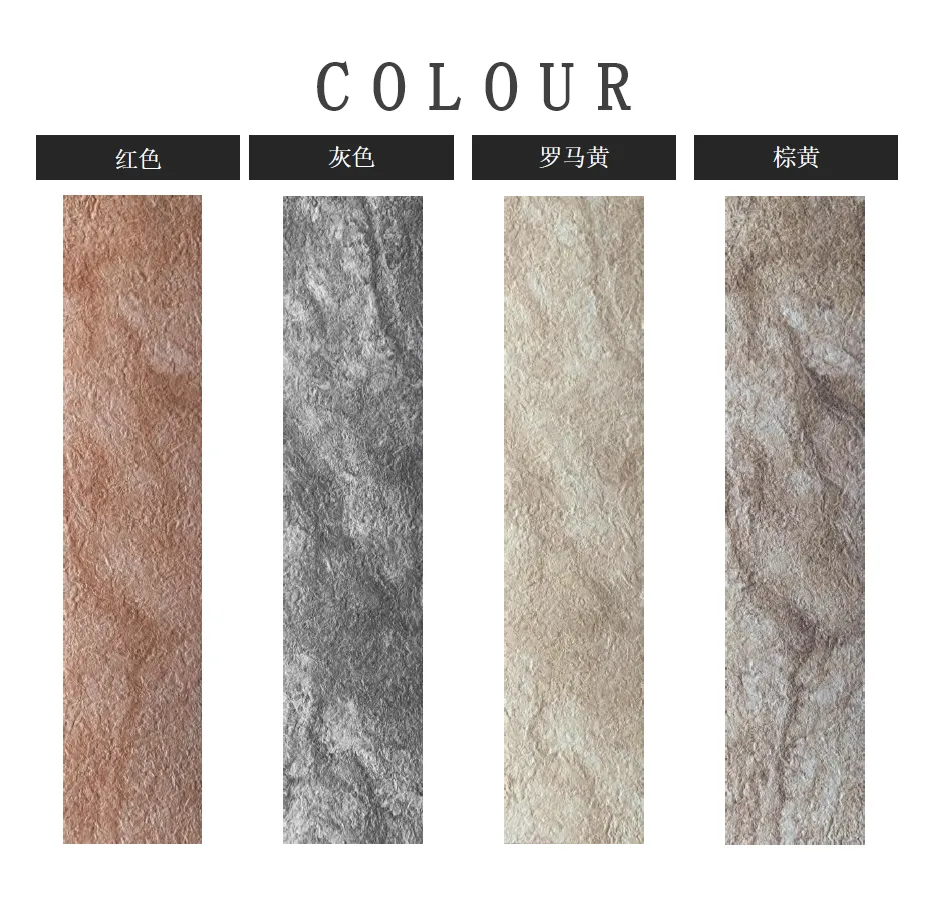
Antique finishes aren't just about texture—color plays a huge role in creating that timeless vibe. Rock cut dolomitic stone naturally comes in a range of neutral tones, from soft beiges to deep greys, but antique techniques can enhance these colors or even introduce new ones. Let's explore some of the most popular color variations and how they can transform a space.
Starting with the classics: dolomitic travertine (dark grey) and dolomitic travertine (claybank). These are the workhorses of antique finishes, offering a versatile base that pairs with just about any design style. Dark grey dolomitic stone, with its moody, stormy undertones, adds drama to a room—perfect for a feature wall in a modern living room or a restaurant bar. Claybank, on the other hand, is warm and inviting, with hints of terracotta and sand that bring to mind sun-baked landscapes. It's ideal for spaces where you want to create a cozy, rustic feel, like a kitchen backsplash or a bedroom accent wall.
But if you're looking for something with a bit more sparkle, let's talk about vintage travertine variants. Travertine (vintage silver) and travertine (vintage gold) are two of the most sought-after options in this category. Vintage silver travertine has a cool, silvery sheen that's achieved through a combination of acid washing and tumbling, giving it a subtle metallic glow that catches light beautifully. It's a sophisticated choice for high-end spaces, like a luxury hotel lobby or a boutique retail store, where you want to balance modern elegance with a touch of old-world charm. Vintage gold travertine, on the other hand, is all about warmth. With its rich, honeyed tones and soft metallic highlights, it feels like a piece of sunlit history. Imagine this stone as a fireplace surround in a mountain cabin or a bathroom vanity in a spa-like retreat—it adds a layer of luxury without feeling over-the-top.
| Finish Type | Technique | Color Palette | Best For |
|---|---|---|---|
| Hand-Chiseled Antique | Artisan chiseling for irregular grooves | Natural dolomitic tones (claybank, dark grey) | Rustic kitchens, feature walls |
| Acid-Washed Vintage | Mild acid solution for weathered effect | Soft beiges, muted greys, travertine (vintage silver) | Modern farmhouses, boutique hotels |
| Patinaed Gold | Chemical patination with iron oxides | Warm golds, honeyed hues, travertine (vintage gold) | Spa bathrooms, luxury lobbies |
| Tumbled Earth | Mechanical tumbling for smooth texture | Earthy browns, terracottas, dolomitic travertine (claybank) | Outdoor patios, rustic entryways |
While rock cut dolomitic stone is a showstopper on its own, it plays well with others—and one of its best dance partners is mcm flexible stone. If you're not familiar, mcm flexible stone is a modern innovation: a thin, lightweight material made from natural stone aggregates and a flexible binder, allowing it to bend and curve around corners, columns, and irregular surfaces. It's durable, easy to install, and comes in a wide range of finishes, making it the perfect complement to the rigidity of rock cut dolomitic stone.
So why pair them? Imagine a restaurant where the main dining area features floor-to-ceiling rock cut dolomitic stone walls with a hand-chiseled antique finish—rough, textured, full of character. Now, picture the bar area: curved, sleek, with mcm flexible stone in a matching vintage silver hue. The contrast between the rigid, imposing stone and the flexible, flowing mcm creates visual interest, while the shared color palette ties the space together. It's a balance of old and new, of strength and adaptability, that feels fresh yet timeless.
Another example: a residential living room with a rock cut dolomitic stone fireplace (in a warm claybank finish) as the focal point. Flanking the fireplace, you could use mcm flexible stone panels in a dark grey dolomitic travertine to create built-in bookshelves. The mcm's flexibility allows the shelves to wrap around the fireplace seamlessly, while the stone's texture mirrors the fireplace, creating a cohesive look. It's practical, too—mcm flexible stone is resistant to heat, so it can handle the warmth of the fire without warping or discoloring. Plus, its lightweight nature means you won't need heavy-duty structural support, making installation a breeze compared to solid stone.
Now that we've covered the "how" and "what" of antique finishes, let's talk about the "where." Rock cut dolomitic stone with an antique finish is surprisingly versatile, finding its place in both residential and commercial spaces. Here are some of our favorite applications, along with tips for making the most of this stunning material.
In homes, antique finished dolomitic stone adds warmth and personality to just about any room. Let's start with the kitchen—a space where functionality meets style. A rock cut dolomitic stone backsplash in a tumbled earth finish (think earthy browns and terracottas) pairs beautifully with wooden cabinets and brass hardware, creating a rustic-chic vibe that's perfect for cooking and entertaining. The rough texture hides minor spills and splatters, making it practical for busy families, while the antique finish ensures it ages gracefully, getting more beautiful over time.
Bathrooms are another great spot. Imagine a master bathroom with a freestanding tub surrounded by walls clad in travertine (vintage gold) with a patinaed finish. The warm gold tones reflect the soft light from a chandelier, creating a spa-like atmosphere that feels indulgent yet grounded. Pair it with matte black fixtures and white subway tiles for a contrast that pops, or keep it monochromatic with gold accents for a more opulent look. And since dolomitic stone is naturally water-resistant, you won't have to worry about mold or mildew—just wipe it down with a damp cloth and enjoy its beauty for years.
Outdoor spaces deserve love too. A patio or terrace paved with rock cut dolomitic stone in a hand-chiseled antique finish becomes an extension of your home, blurring the line between indoors and out. The rough texture provides grip, even when wet, making it safe for poolside areas or rainy climates. Add some outdoor furniture with weathered wood frames and plush cushions in earthy tones, and you've got a backyard oasis that feels like a private retreat in the countryside.
In commercial settings, antique finished dolomitic stone is all about making a memorable first impression. Boutique hotels, for example, often use it in lobbies to create a sense of grandeur and history. Imagine walking into a hotel where the reception desk is carved from a single slab of rock cut dolomitic stone in a dark grey antique finish, with travertine (vintage silver) accents on the walls. The combination of textures and colors tells a story of luxury and timelessness, setting the tone for the entire guest experience.
Restaurants and cafes also benefit from this stone's charm. A pizzeria with a rock cut dolomitic stone accent wall (in a warm claybank finish) behind the counter feels cozy and inviting, like a family-owned spot that's been around for generations. Pair it with exposed brick and wooden tables, and you've got a space that guests will want to return to again and again—not just for the food, but for the atmosphere.
Even retail spaces can leverage the power of antique finishes. A high-end clothing store might use mcm flexible stone in a vintage gold travertine finish for its display walls, creating a backdrop that makes the clothes feel more luxurious. Meanwhile, the fitting rooms could feature rock cut dolomitic stone in a tumbled earth finish, adding a tactile element that makes the shopping experience more immersive. It's all about creating a sensory journey that connects with customers on an emotional level.
One of the best things about antique finished rock cut dolomitic stone is that it's designed to age gracefully—but that doesn't mean it doesn't need a little care. The good news is, maintenance is relatively simple, and with the right routine, your stone will look beautiful for decades. Here's what you need to know:
First, cleaning. For day-to-day upkeep, a soft broom or vacuum (with a brush attachment) will remove dust and debris from textured surfaces. When it comes to spills, blot them up immediately with a clean, dry cloth—don't wipe, as that can spread the liquid into the stone's pores. For deeper cleaning, mix a few drops of mild dish soap with warm water and use a soft sponge to gently scrub the surface. Avoid harsh chemicals like bleach or ammonia, as they can strip away the stone's patina and damage the finish. And steer clear of abrasive cleaners or scouring pads, which can scratch the surface and ruin the antique texture.
Sealing is another important step, especially for areas prone to moisture (like bathrooms or outdoor patios). A good quality stone sealer will penetrate the pores of the dolomitic stone, creating a barrier against water, oil, and stains. How often you need to seal depends on the finish—hand-chiseled or tumbled stones, with their more porous surfaces, may need sealing every 1-2 years, while acid-washed or polished stones can go 3-5 years between treatments. Always test the sealer on a small, inconspicuous area first to make sure it doesn't alter the stone's color or finish.
Finally, embrace the aging process. Remember, antique finishes are meant to look lived-in, so a few scratches or minor stains here and there are part of the charm. In fact, these imperfections can add to the stone's story, making it feel more authentic and unique. If you do notice a deeper scratch or chip, don't panic—there are stone repair kits available that can fill in the damage and blend it with the surrounding area. Just follow the instructions carefully, and you'll hardly notice the repair was ever done.
In a world that's always chasing the next trend, there's something comforting about materials that stand the test of time. Rock cut dolomitic stone with an antique finish is more than just a building material—it's a bridge between the past and the present, a way to bring history into our homes and businesses without sacrificing modern comfort or style. From the rough texture of hand-chiseled grooves to the warm glow of travertine (vintage gold), every detail tells a story, inviting us to slow down, appreciate the craftsmanship, and connect with the natural world.
Whether you're pairing it with mcm flexible stone for a contemporary twist or letting it shine on its own in a traditional space, this stone has a way of making every room feel special. It's durable enough to handle the chaos of daily life, yet beautiful enough to make even the simplest moments feel luxurious. And as it ages, it only gets better—gaining character, depth, and a patina that no new material can replicate.
So the next time you're designing a space, consider the allure of antique finishes. Think about the way light plays on a rough-hewn dolomitic stone wall at sunset, or how the warmth of vintage gold travertine can turn a bathroom into a sanctuary. Think about the stories your stone will tell—of the artisans who crafted it, the hands that touched it, the memories made in the spaces it inhabits. That's the magic of timeless design: it doesn't just look good today; it looks good forever.
Recommend Products












