
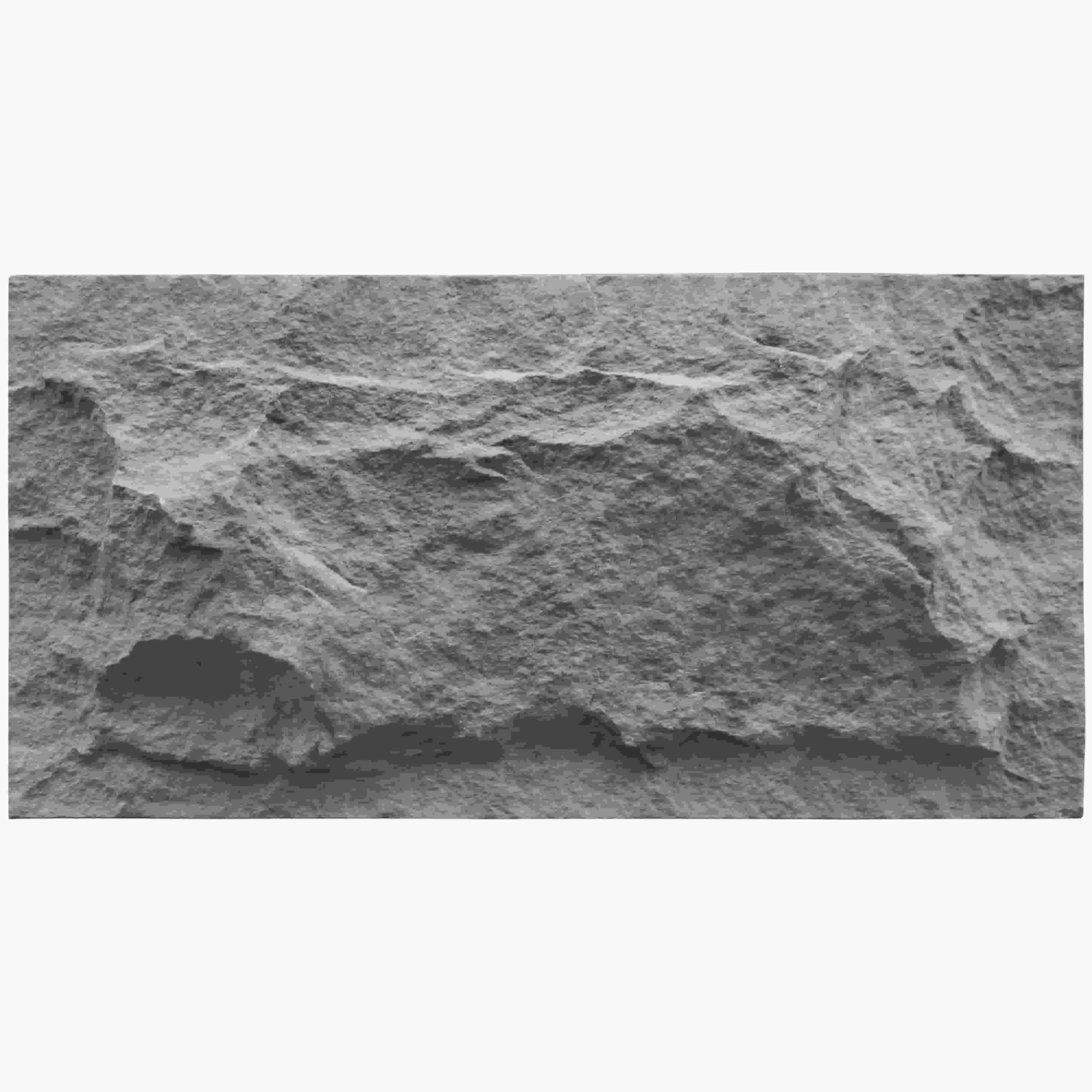
In the heart of the Middle East, Saudi Arabia is undergoing a construction transformation unlike any other. From the futuristic skylines of NEOM to the bustling commercial hubs of Riyadh and the coastal elegance of Jeddah, the kingdom is redefining what modern architecture can be. This boom isn't just about size—it's about substance. Developers, architects, and builders are on the hunt for materials that blend durability with beauty, tradition with innovation, and sustainability with luxury. Enter Crossare Mushroom Stone043, a material that's quietly stealing the spotlight in this dynamic landscape. But what makes this stone stand out in a market flooded with options? Let's dive in.
Saudi Arabia's construction sector is driven by ambitious visions: the $500 billion NEOM project, the expansion of Riyadh's King Khalid International Airport, and the redevelopment of historic districts like Jeddah's Al-Balad. Each of these projects demands materials that can withstand the kingdom's harsh climate—scorching summers, occasional sandstorms, and temperature fluctuations—while also reflecting the cultural identity and aspirational goals of the nation. Crossare Mushroom Stone043, with its unique texture and adaptability, has emerged as a front-runner in meeting these dual demands.
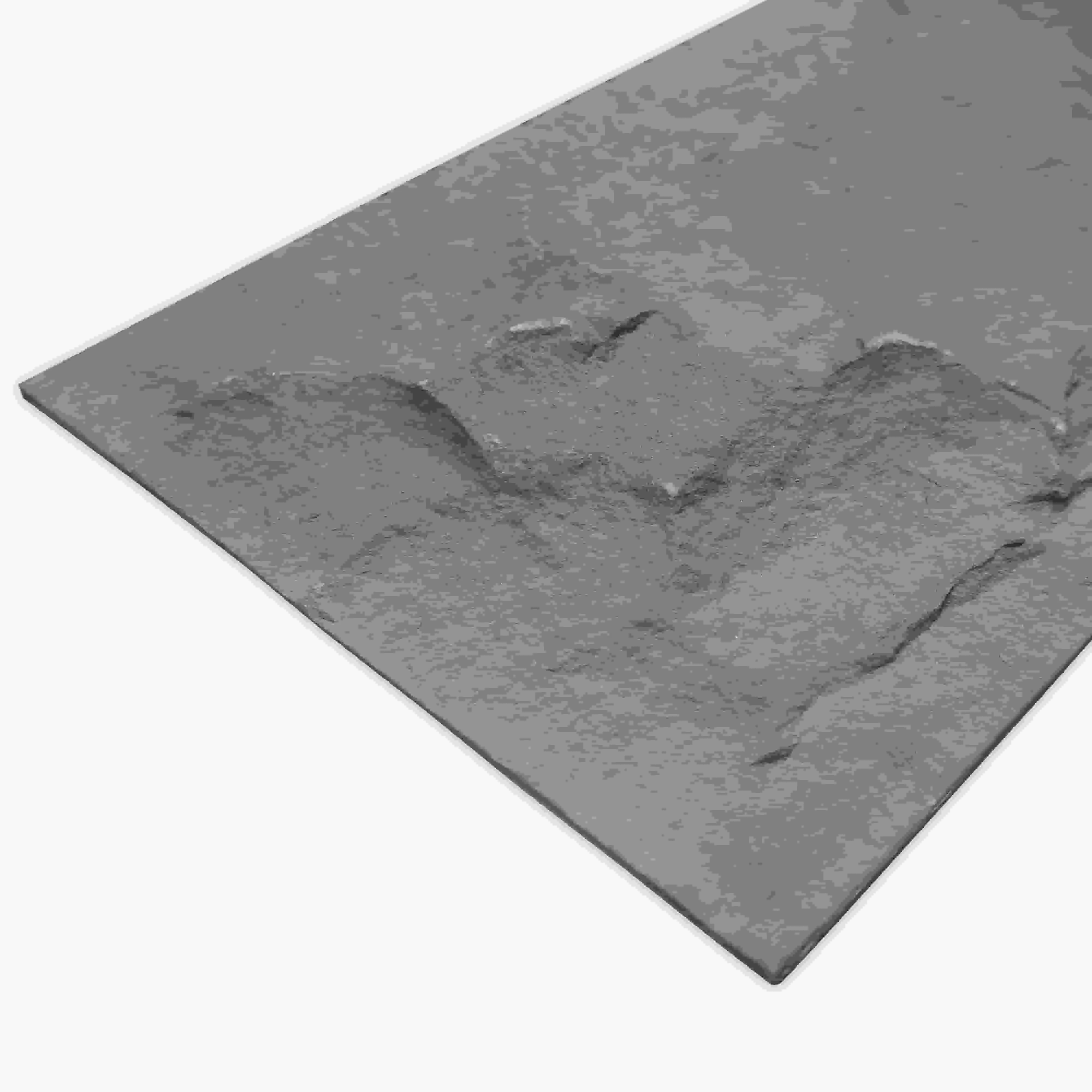
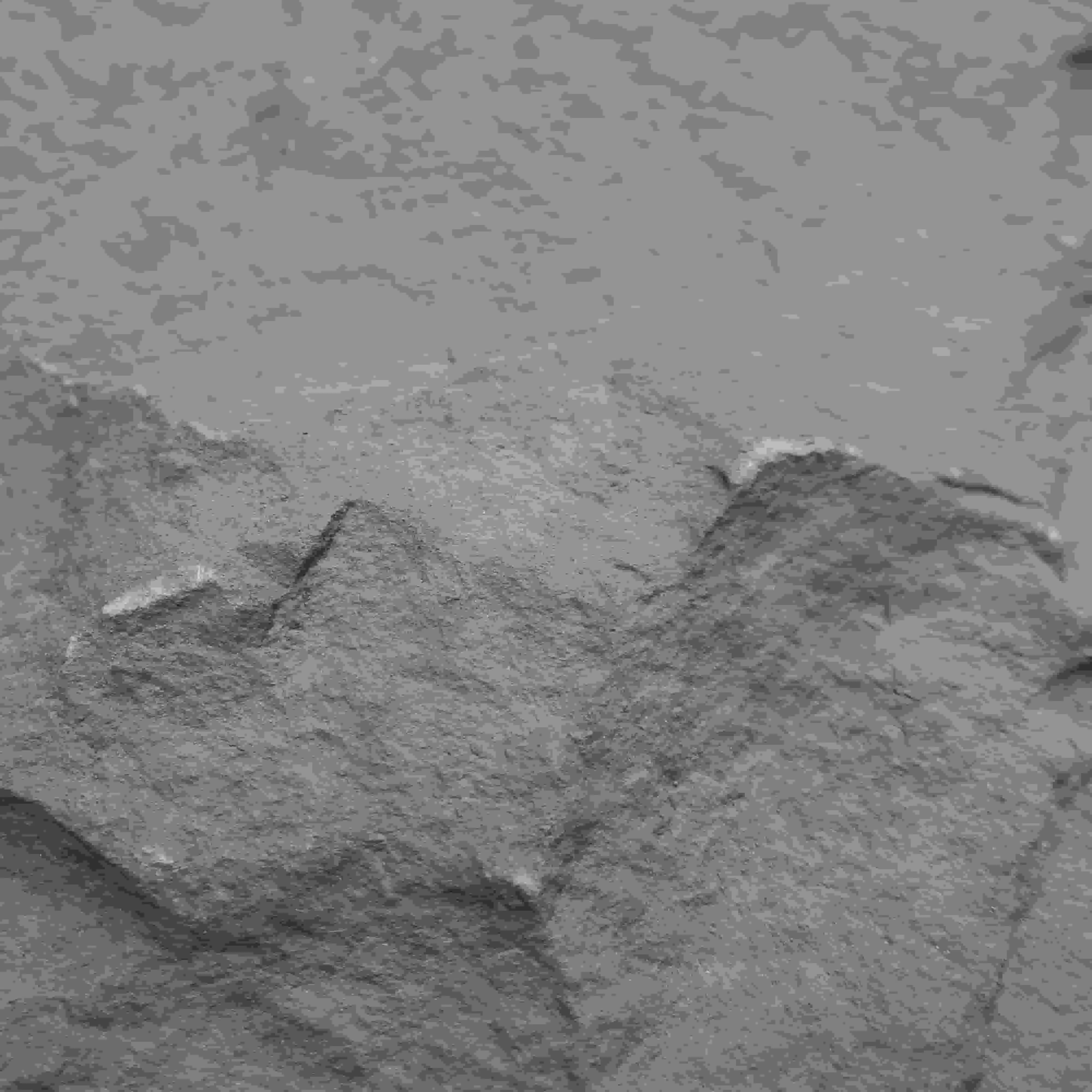
First things first: what exactly is Crossare Mushroom Stone043? At its core, it's a modified composite material (MCM) that marries the natural beauty of stone with the flexibility of modern engineering. Think of it as nature's artistry enhanced by human ingenuity. The "mushroom" moniker comes from its distinctive texture—small, rounded protrusions that mimic the gills of a mushroom, creating a surface that's both tactile and visually engaging. Unlike rough-hewn natural stones that can be unpredictable in size and weight, this stone is crafted to be lightweight, uniform, and easy to install, making it a favorite among contractors working on tight deadlines.
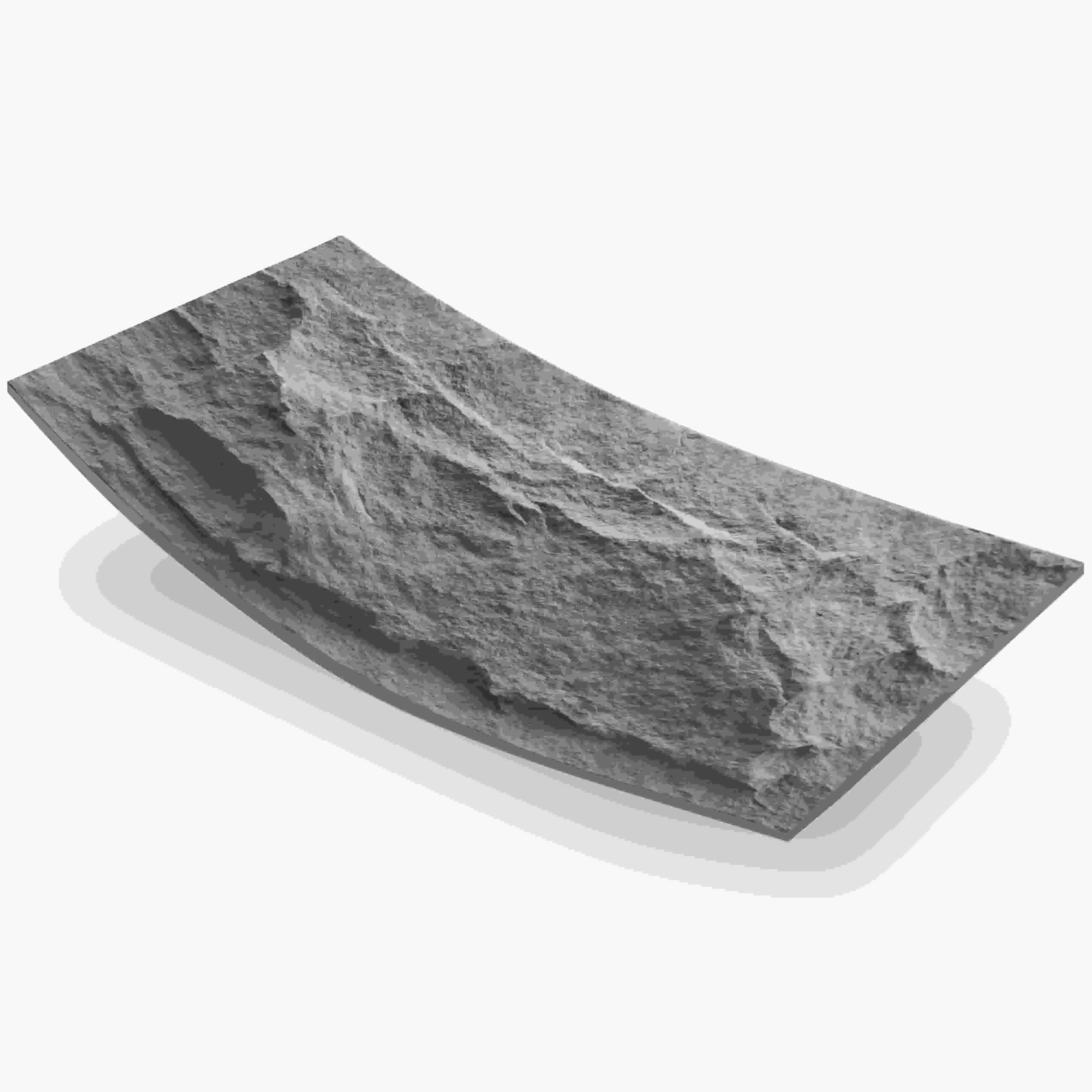
But its appeal goes beyond aesthetics. Crossare Mushroom Stone043 is designed to thrive in Saudi Arabia's climate. Its composition includes a high-performance resin that resists fading under the intense sun, while its porous yet durable surface allows it to breathe, preventing moisture buildup that can lead to cracking. It's also fire-resistant, a critical feature in a region where safety regulations are stringent. And here's the kicker: despite its rugged look, it's surprisingly flexible. Thanks to the MCM technology it's built on, it can be curved or shaped to fit unique architectural designs—think sweeping arches in a mosque or undulating facades in a contemporary hotel. This flexibility sets it apart from rigid alternatives like traditional granite or even some types of Lunar Peak Golden stone, which often require custom cutting and heavy machinery to install.
Another standout feature is its color palette. Crossare Mushroom Stone043 comes in earthy tones—warm beiges, soft grays, and subtle rusts—that complement Saudi Arabia's natural landscape. This isn't just a coincidence; the color selection was intentional, designed to harmonize with the desert surroundings while adding warmth to modern structures. It's a material that doesn't shout but whispers, creating spaces that feel grounded yet sophisticated.
Now, let's talk about where this stone is making its mark. In Saudi Arabia's construction scene, Crossare Mushroom Stone043 has found a home in three key areas: luxury residential projects, commercial developments, and cultural heritage sites. Let's explore each.
Saudi Arabia's luxury villa market is booming, with homeowners seeking properties that offer privacy, opulence, and a connection to nature. Crossare Mushroom Stone043 has become a go-to choice for exterior cladding and accent walls. Take, for example, a recent project in Riyadh's Diplomatic Quarter, where a developer used the stone to clad the lower half of a villa's facade. The mushroom texture adds depth to the building's exterior, while the warm beige hue contrasts beautifully with the villa's white upper floors and lush landscaping. Inside, the stone was used in the outdoor patio area, creating a seamless transition between indoor and outdoor living spaces. Homeowners love it because it's low-maintenance—no need for frequent power washing or sealing—and guests can't stop commenting on its unique look.
Interior designers are also embracing it. In a high-end villa in Jeddah, the stone was used to create a feature wall in the living room, paired with wooden beams and neutral-toned furniture. The result? A space that feels cozy yet upscale, with the stone adding a touch of rustic elegance that's hard to replicate with synthetic materials like fair-faced concrete. Unlike concrete, which can feel cold and industrial, Crossare Mushroom Stone043 has a warmth that makes large rooms feel intimate.
In commercial projects, where foot traffic is high and first impressions matter, Crossare Mushroom Stone043 is proving its mettle. Shopping malls, in particular, are leveraging its durability and aesthetic appeal. The new Al-Rajhi Mall in Dammam, for instance, used the stone in its food court area. The mushroom texture helps hide minor scratches and stains from spills, while its light color reflects natural light, making the space feel brighter and more inviting. Retailers in the mall have noted that customers linger longer in areas clad with the stone, perhaps drawn to its organic feel amid the sleek, modern storefronts.
Office buildings are another sector where this stone is gaining traction. A multinational company's regional headquarters in Riyadh features Crossare Mushroom Stone043 in its lobby, paired with glass and steel. The contrast between the stone's natural texture and the building's contemporary lines creates a striking first impression for clients and employees alike. Facility managers appreciate that it's easy to clean—just a quick wipe with a damp cloth—and that it doesn't show dust, a common issue in desert climates. Compared to materials like Lunar Peak Black, which can show fingerprints and smudges easily, this stone maintains its appearance with minimal effort.
Saudi Arabia is deeply proud of its heritage, and many construction projects aim to honor this legacy while embracing modernity. Crossare Mushroom Stone043 has found a special place in these efforts. Take the restoration of a historic fort in Najran, for example. The original structure, built with traditional mud bricks, was in need of repair, but the team wanted to preserve its authentic look. They chose Crossare Mushroom Stone043 for the new sections, as its texture and color closely resemble the weathered mud bricks of the original fort. The result is a building that looks centuries old but is built to last for centuries more. Local historians praised the choice, noting that the stone "feels like it belongs here, like it's been part of the landscape forever."
Cultural centers are also turning to this stone. The King Abdulaziz Center for World Culture (Ithra) in Dhahran, known for its innovative design, used Crossare Mushroom Stone043 in its outdoor amphitheater. The stone's natural acoustic properties help amplify sound, making it ideal for performances, while its earthy color blends with the surrounding desert landscape. Visitors often remark that the amphitheater feels "rooted in the land," a testament to the stone's ability to connect modern architecture with its environment.
To truly understand why Crossare Mushroom Stone043 is gaining popularity, it helps to compare it with other common materials in Saudi Arabia's construction toolkit. Let's take a look at how it measures up against two popular alternatives: fair-faced concrete and Lunar Peak Golden.
| Material | Key Features | Best For | Pros | Cons |
|---|---|---|---|---|
| Crossare Mushroom Stone043 | Lightweight, textured surface, flexible, weather-resistant, fire-retardant | Luxury residential, commercial lobbies, cultural projects | Unique aesthetic, easy installation, low maintenance, blends with heritage designs | Slightly higher upfront cost than basic concrete |
| Fair-faced Concrete | Sleek, industrial look, high strength, cost-effective | Modern commercial buildings, parking structures | Durable, budget-friendly, customizable with staining | Cold appearance, prone to cracking in extreme temperatures, shows dust easily |
| Lunar Peak Golden | Metallic sheen, high durability, reflective surface | High-end commercial facades, luxury hotels | Striking visual appeal, resistant to corrosion | Heavy, requires specialized installation, shows fingerprints and scratches |
As the table shows, each material has its strengths, but Crossare Mushroom Stone043 offers a unique balance of beauty, functionality, and versatility. It's not the cheapest option, but its long-term durability and low maintenance costs often offset the initial investment. For projects that prioritize both aesthetics and performance, it's hard to beat.
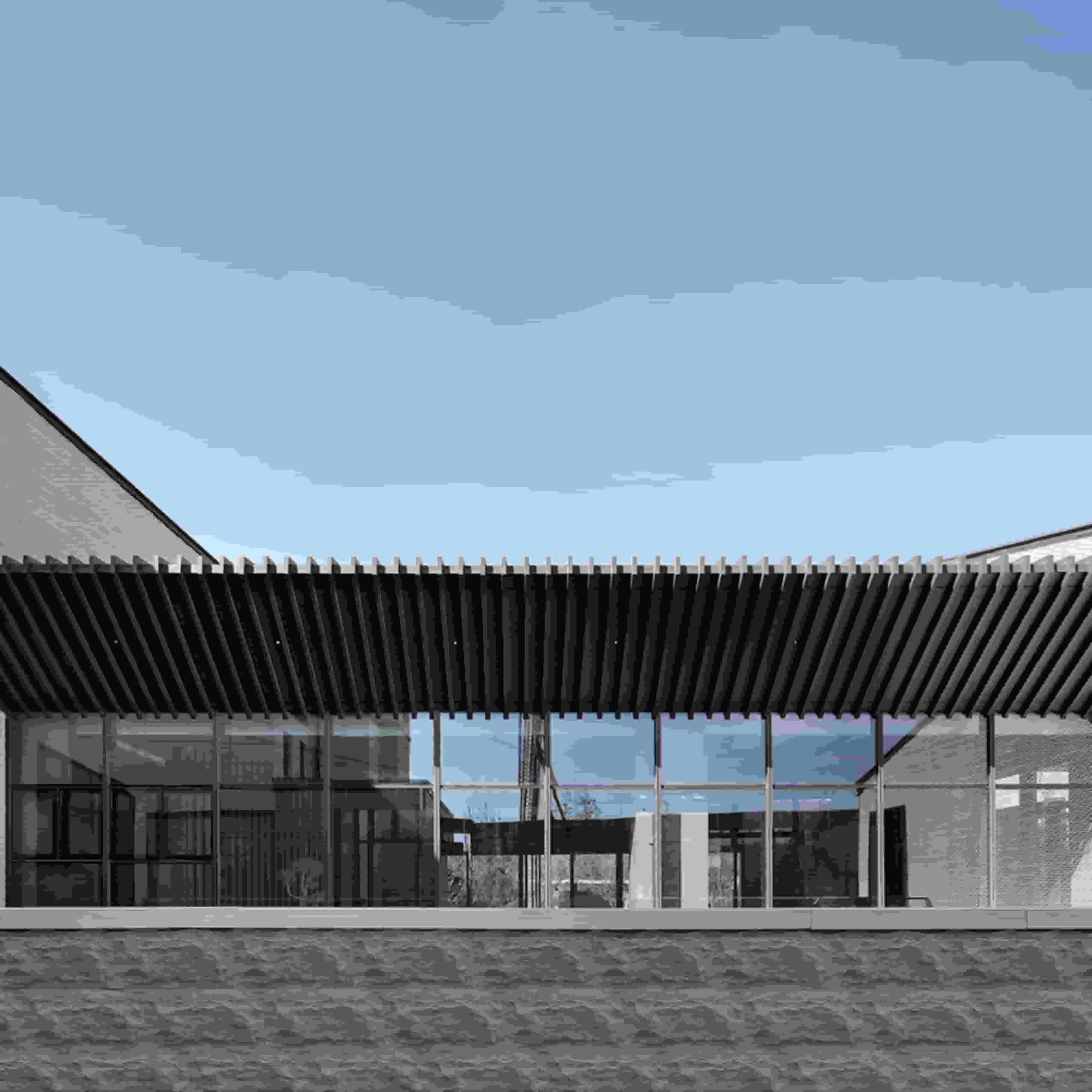
To bring this all to life, let's look at a real-world example: the Al-Madinah Cultural Center, a recently completed project in Medina. The center, which hosts art exhibitions, lectures, and community events, was designed to reflect the city's spiritual and cultural significance while serving as a modern gathering space. The architects wanted a material that would honor Medina's traditional architecture—think mud-brick buildings and stone fortifications—while meeting modern safety and accessibility standards.
After evaluating several options, including traditional limestone and Lunar Peak Silvery, the team chose Crossare Mushroom Stone043 for the building's exterior cladding and interior courtyard walls. Here's why: the stone's texture mimicked the weathered look of historic Medina stone, creating a visual link to the past. Its lightweight nature meant that the building's foundation didn't need extensive reinforcement, saving time and money during construction. And its fire-resistant properties ensured compliance with strict safety codes for public buildings.
The results speak for themselves. Visitors to the center often comment on how the stone "feels alive"—its texture changes with the light, appearing warm and golden at sunrise and cool and gray at dusk. Local residents have embraced the building as a "bridge between old and new," and the center has become a popular spot for photography, with the stone walls serving as a backdrop for countless social media posts. The project's success has led to other cultural centers in Mecca and Taif reaching out to the architects to inquire about using Crossare Mushroom Stone043 in their own designs.
In today's construction world, sustainability isn't just a buzzword—it's a requirement. Saudi Arabia's Vision 2030 emphasizes environmental stewardship, and builders are under pressure to choose materials that reduce carbon footprints. Crossare Mushroom Stone043 aligns with this vision in several ways.
First, its manufacturing process is energy-efficient. Unlike natural stone, which requires extensive quarrying and transportation, this MCM stone is produced in a controlled factory setting, minimizing waste. The production facility in Riyadh uses solar power, further reducing its environmental impact. Additionally, the stone is 100% recyclable at the end of its lifespan, a feature that appeals to developers aiming for LEED certification.
Its lightweight design also contributes to sustainability. Because it's easier to transport and install, it reduces fuel consumption during construction. A study by a leading Saudi construction firm found that using Crossare Mushroom Stone043 instead of traditional granite reduced transportation-related carbon emissions by 30% on a mid-sized project. Its insulating properties are another plus: the stone helps regulate indoor temperatures, reducing the need for air conditioning in summer—a significant energy saver in a country where cooling costs can account for up to 70% of a building's energy use.
Perhaps most importantly, the stone is locally produced. By sourcing materials from within Saudi Arabia, developers reduce reliance on imported stone, which often comes with high shipping emissions and long lead times. This local production also supports the kingdom's goal of growing its manufacturing sector, creating jobs and boosting the economy.
As Saudi Arabia's construction boom continues, materials like Crossare Mushroom Stone043 will play an increasingly important role. Its ability to blend beauty, durability, and sustainability makes it a versatile choice for projects of all sizes and types. From luxury resorts on the Red Sea coast to community centers in small towns, this stone is proving that modern architecture doesn't have to sacrifice soul for strength.
Looking ahead, we can expect to see even more innovative uses for Crossare Mushroom Stone043. Architects are experimenting with combining it with other materials, such as foamed aluminium alloy boards (vintage silver) for a futuristic twist, or pairing it with travertine (starry blue) for a bold, artistic statement. Developers are exploring its use in vertical gardens, where its porous surface can support small plants, bringing greenery to urban spaces. And as MCM technology advances, we may see even more textures and colors added to the line, expanding its creative potential.
In a country that's building for the future while honoring its past, Crossare Mushroom Stone043 isn't just a material—it's a storyteller. It tells the story of Saudi Arabia's ambition, its respect for tradition, and its commitment to innovation. And as more projects embrace this unique stone, that story will only grow richer, one wall, one facade, one community at a time.
So the next time you find yourself in a newly built space in Saudi Arabia, take a moment to touch the walls. If you feel a texture that's both rough and refined, earthy and elegant, chances are you're experiencing Crossare Mushroom Stone043—a material that's not just building structures, but building a legacy.
Recommend Products












