

Wave panels have become one of the most striking cladding trends in modern architecture. Their flowing, undulating surface catches light and shadow in a way flat panels never can, which is why they keep appearing on feature walls, entrance facades, and full building elevations. But when the question turns to exterior walls, the answer is not a simple yes or no — it depends almost entirely on the material. A lightweight MCM flexible stone wave panel behaves very differently outdoors from a metal, PVC, or wood-fiber panel. This guide looks at what makes a wave panel suitable for exterior use, what to avoid, and how to choose the right one for your project.
A wave panel is a cladding panel with a repeating, wave-like profile. Instead of a flat face, the surface rises and falls in smooth curves, creating depth, shadow, and a sense of movement that changes with the angle of the light. This three-dimensional texture gives buildings a distinctive character that flat cladding cannot match, and it works equally well on a single accent wall or across an entire elevation.
Wave panels are available in a wide range of materials — metal, PVC, wood fiber, polyurethane, and modified clay materials (MCM). The material determines everything that matters outdoors: how the panel performs in sun and rain, how long it lasts, how it is installed, and how much it weighs. So the real question is not whether wave panels can go on exterior walls, but which material is built for the job.
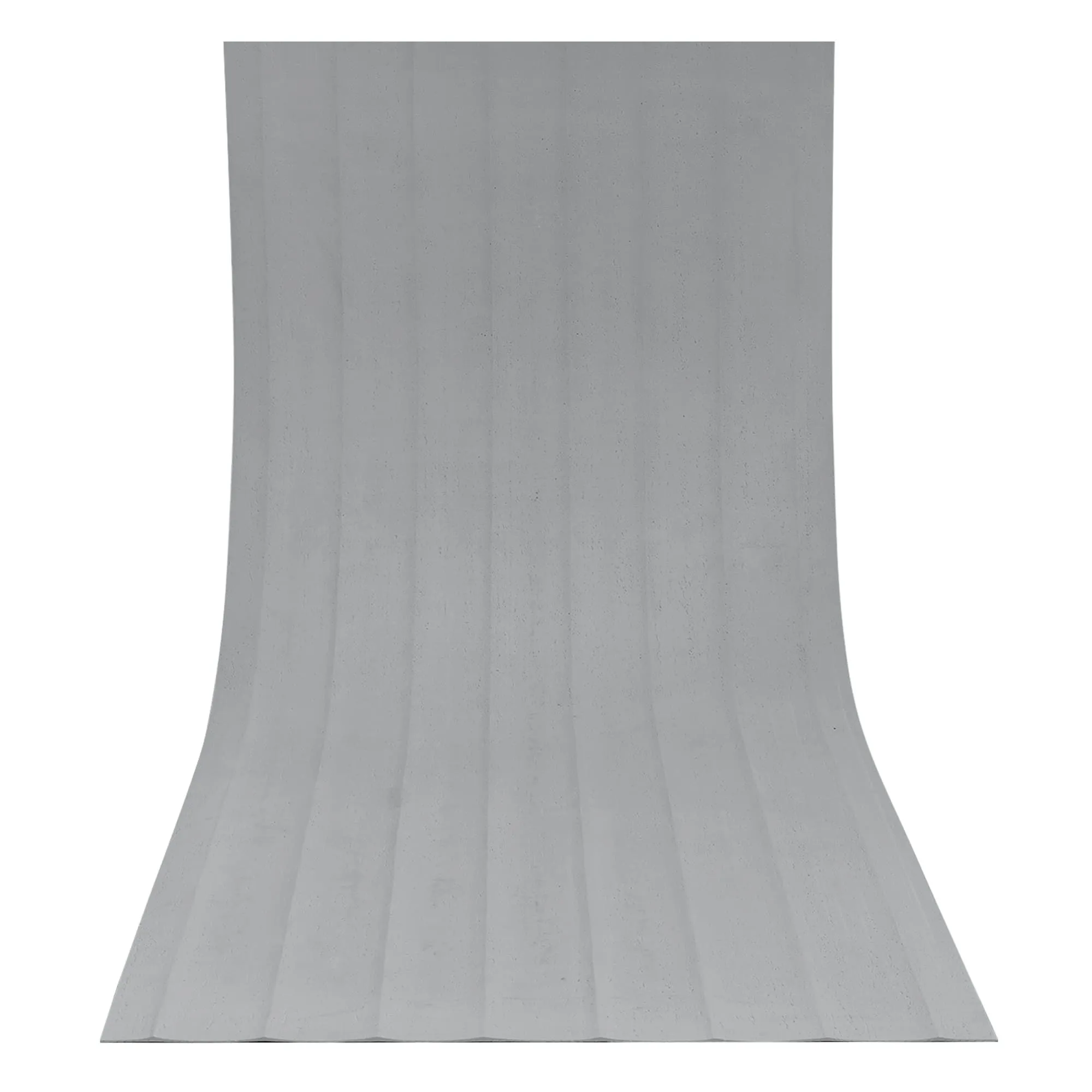
Not every wave panel is suitable for exterior walls, and this is where many buyers go wrong. Metal wave panels are durable and widely used on commercial facades, but they are heavy, conduct heat, and can be noisy in rain and hail. They need a full structural support system, which raises both material and installation cost, especially on high-rise buildings. PVC and wood-fiber wave panels are popular indoors, but they are not designed for long-term outdoor exposure. PVC can become brittle and fade under strong sunlight, while wood-fiber panels absorb moisture and can warp, swell, or rot when exposed to rain and humidity.
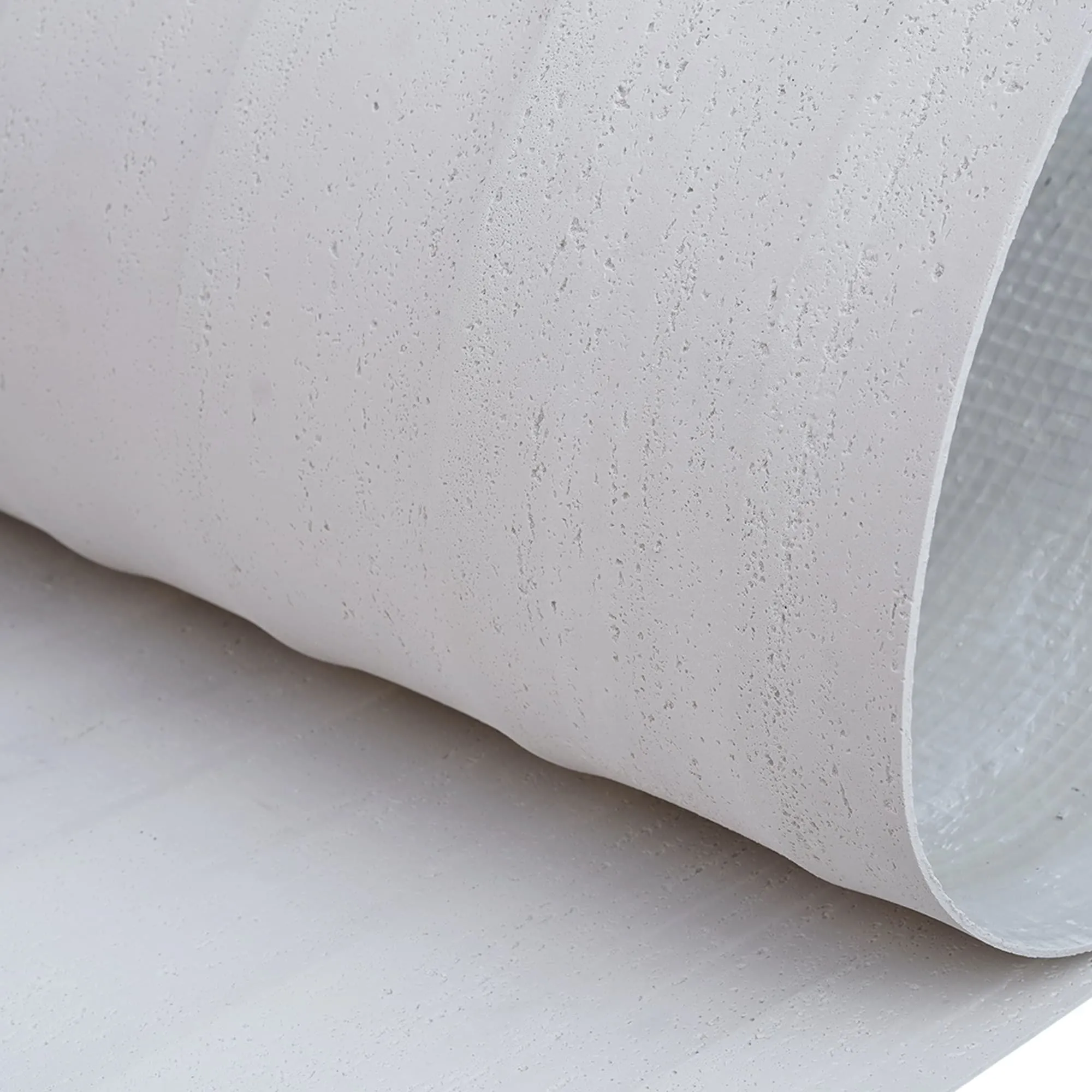
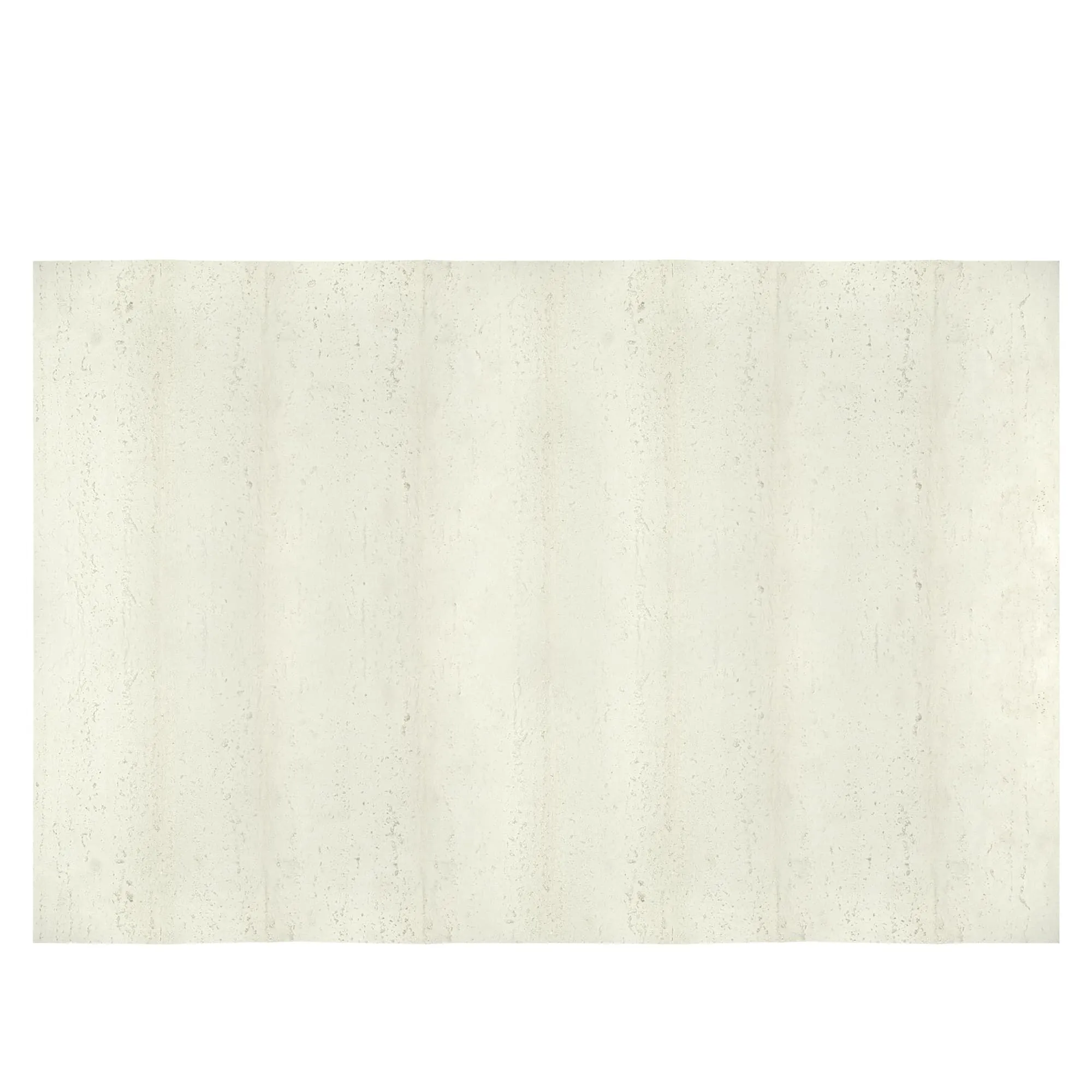
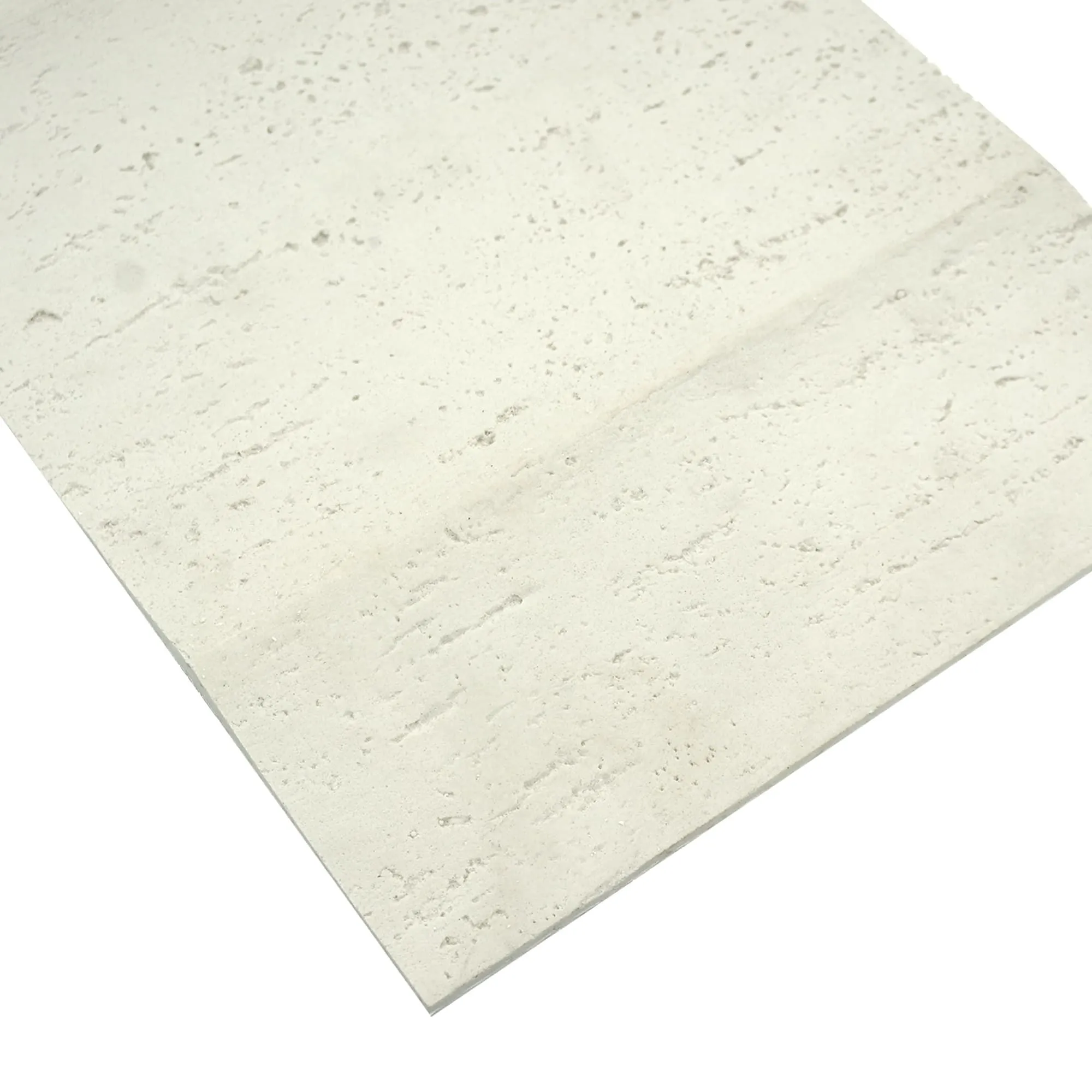
This is why architects and contractors increasingly turn to MCM flexible stone wave wall panels for exterior walls. Made from modified clay materials blended with natural stone powder, these panels combine the look of natural stone with the flexibility and low weight of a membrane. They are engineered specifically for outdoor performance.
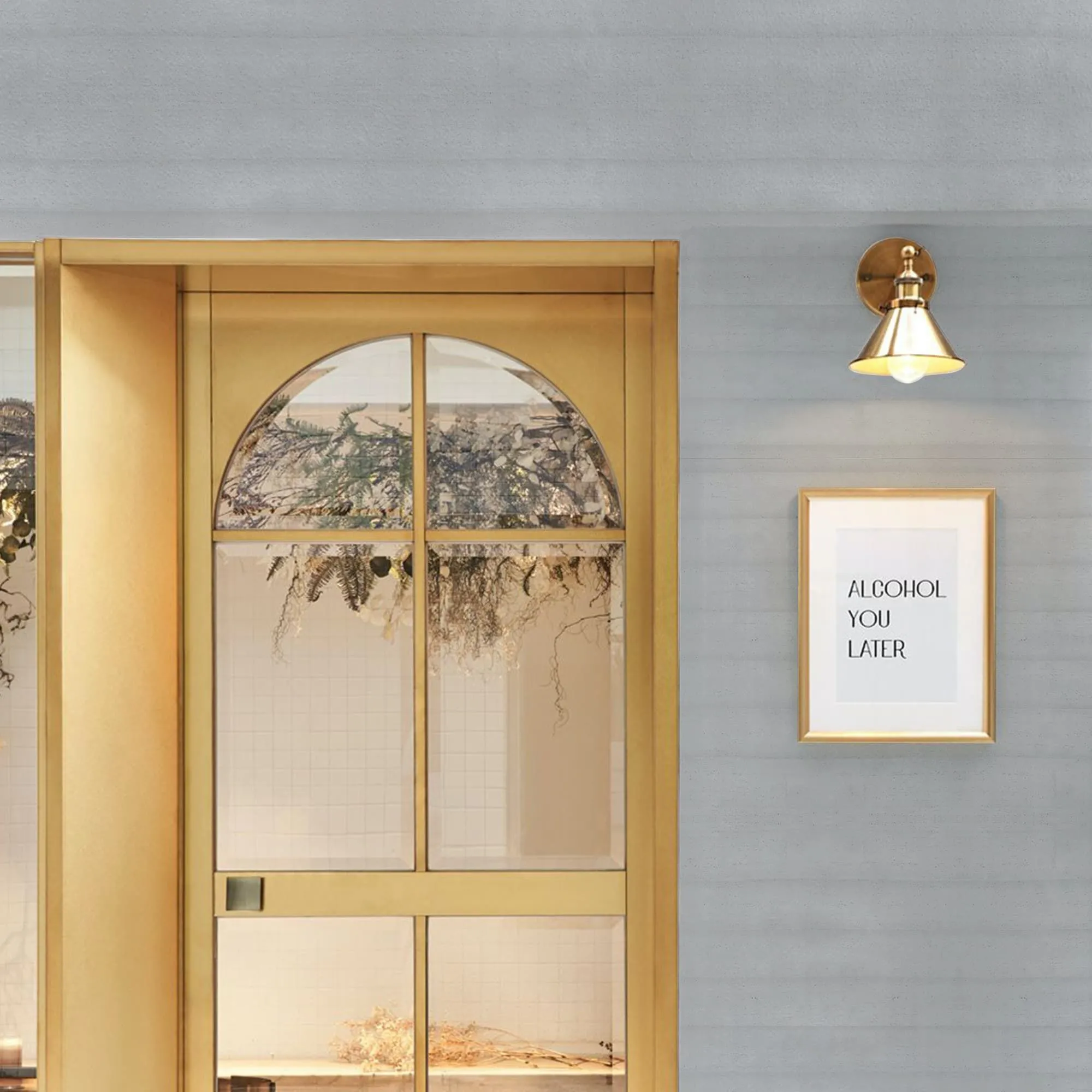
Modified clay materials (MCM), also known as flexible stone, were developed to close the gap between the appearance of natural stone and the practicality of a lightweight sheet. For exterior walls, they offer several advantages that matter in practice:
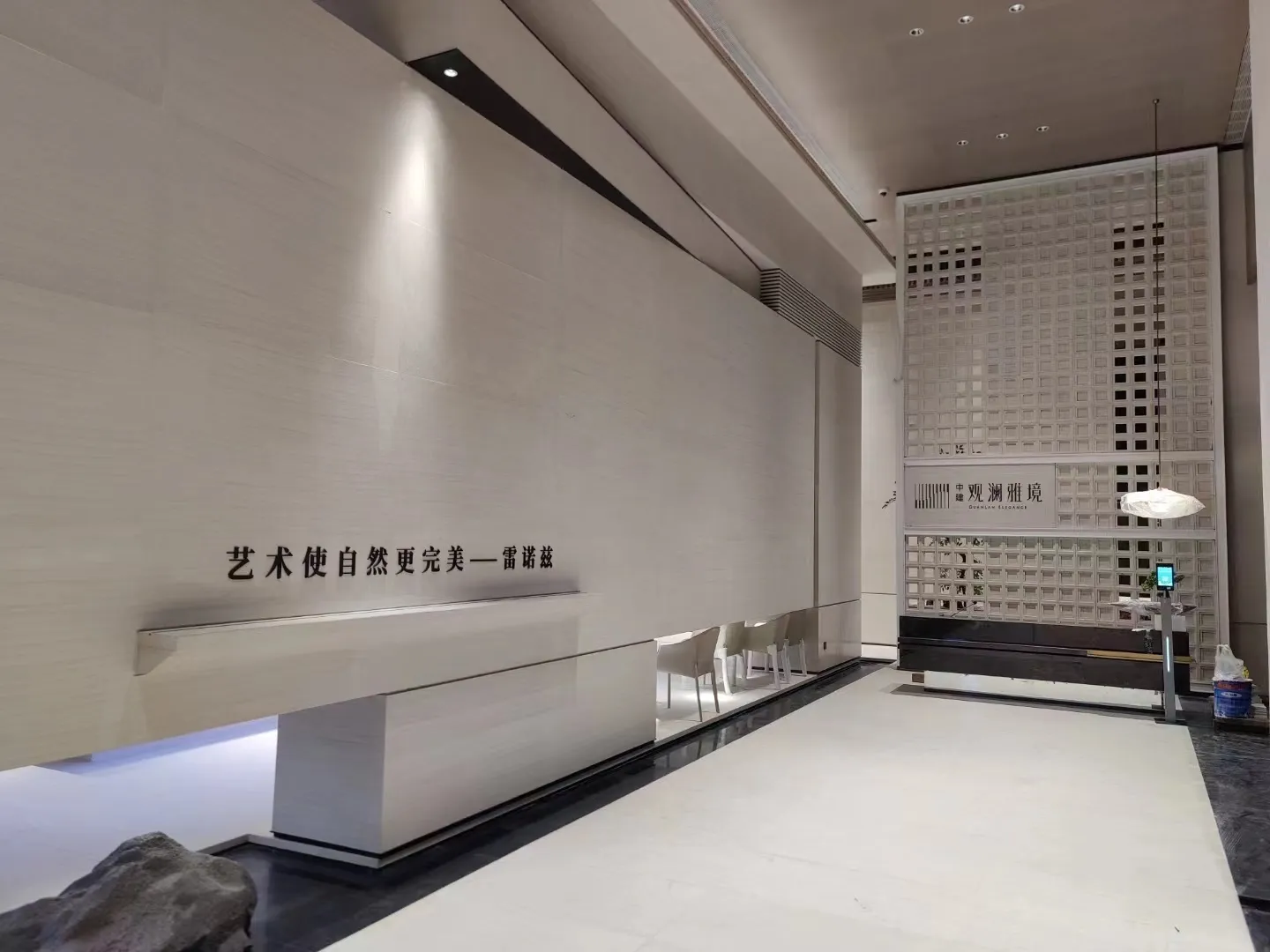
Because MCM panels are lightweight and flexible, they suit a wide range of exterior applications: feature walls and entrance facades, full building elevations on residential and commercial projects, columns, arches, and curved surfaces, renovation projects where panels are bonded directly over old tiles or painted concrete, and public buildings such as hotels, retail stores, offices, and schools. For any of these, flexible exterior wall cladding in a wave profile delivers a distinctive look without the weight and cost of natural stone.
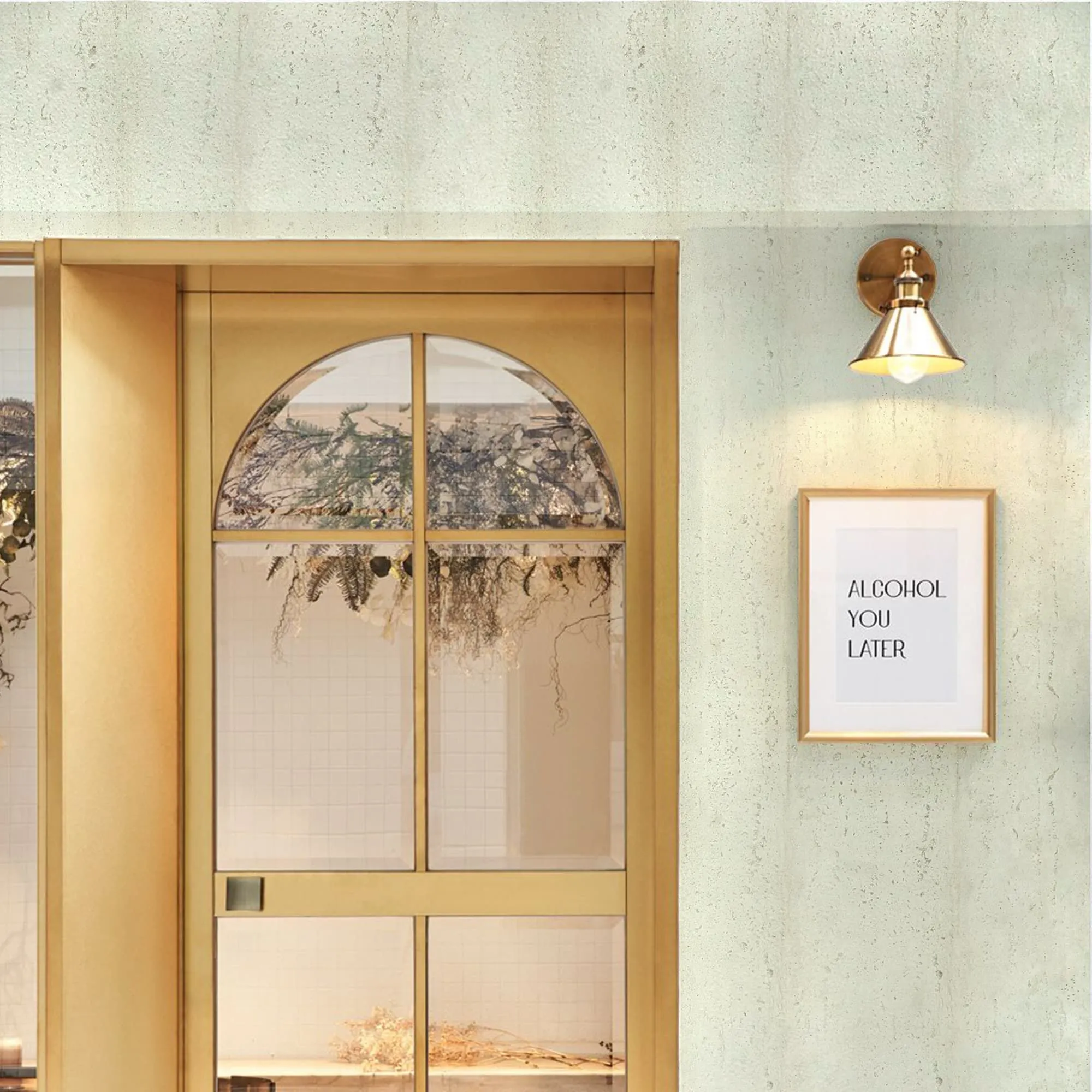
Work through these points before you commit to a wave panel, and most of the common mistakes disappear:
Installation is straightforward, but a few details make the difference between a facade that lasts and one that fails early:
So, are wave panels suitable for exterior walls? Yes — when you choose the right material. MCM flexible stone wave panels combine the striking visual appeal of a wave profile with the durability, safety, and low weight required for outdoor use. They are a practical, cost-effective choice for feature walls, full facades, and renovation projects alike. Coloria Group, a Foshan-based manufacturer specializing in MCM flexible building materials since 2010, offers a full range of flexible stone panels and related products, and is a practical starting point for your next exterior wall project.
Recommend Products











