


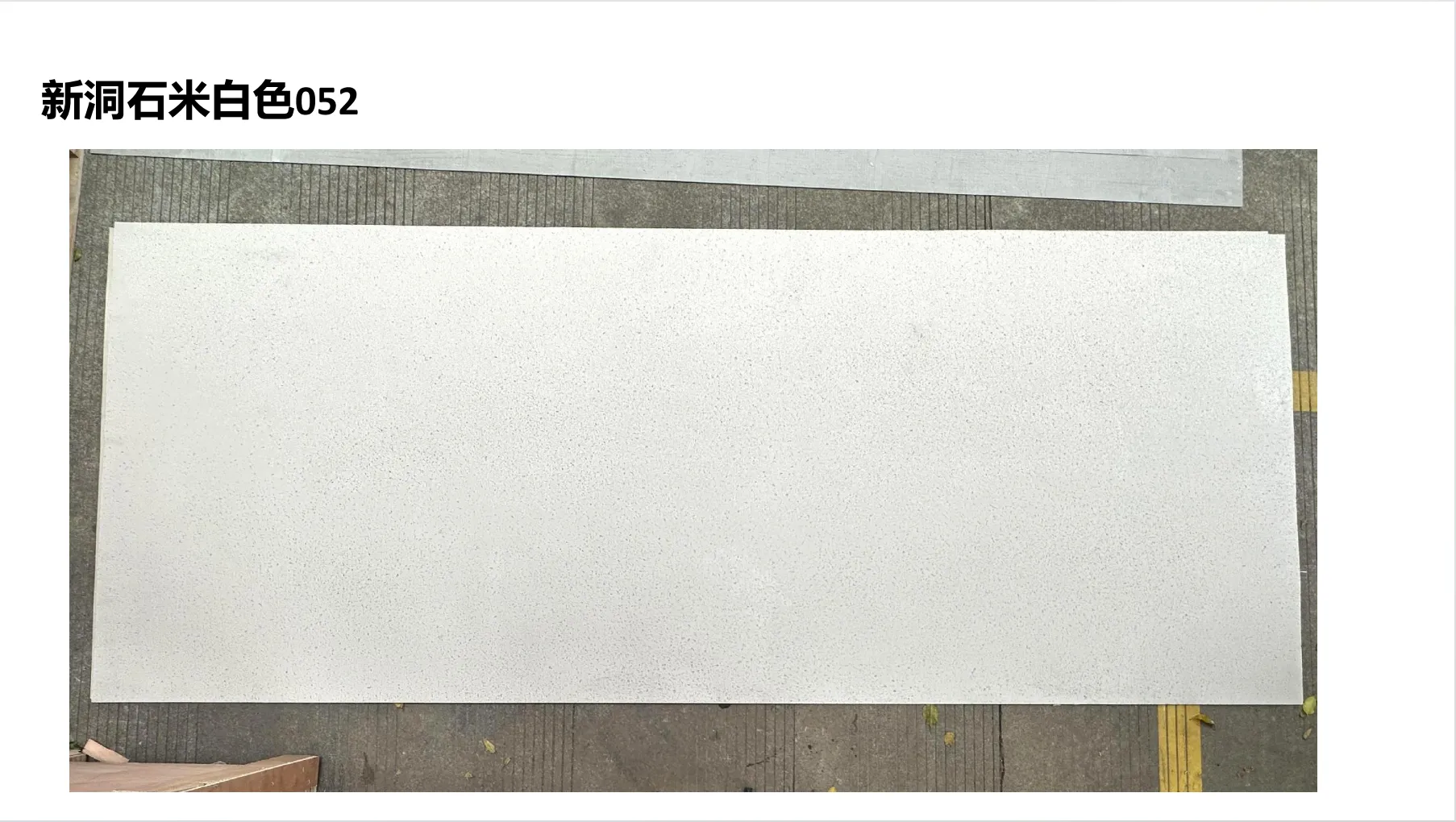
It's 2 a.m. in a bustling design studio in Barcelona. Maria, an architect with ink-stained fingers and a half-empty coffee cup, stares at her screen, frustration creasing her brow. She's spent weeks hunting for a material that can turn her client's vision—a boutique hotel lobby that feels like a "starlit cave"—into reality. She's scrolled through hundreds of stock photos: travertine that looks smooth in pixels but feels gritty in samples, "silver lunar" panels that shine in images but dull under real light. "Why can't a photo just tell the truth?" she mutters, before clicking on a link labeled MS Travertino Authentic Gallery .
What she finds stops her in her tracks. The photos aren't glossy, over-edited shots. They're raw, unfiltered, and alive : close-ups of travertine (starry green) where mineral deposits catch the light like scattered emeralds; lunar peak silvery slabs that glow with the soft iridescence of moonlight on snow; mcm flexible stone bending gently over a curved wall mockup, proving flexibility without sacrificing strength. "This is it," she thinks. "This is how materials should be shown—honestly."
Authentic photos aren't just marketing tools. For designers like Maria, they're lifelines. They turn abstract ideas into tangible plans, build trust between creators and suppliers, and ensure that the "wow" moment in a render doesn't fizzle into disappointment on-site. At MS, we believe every photo should be a promise—and every product should keep it. Let's dive into the story behind the lens, where craftsmanship, nature, and global standards collide to create materials that look as extraordinary in reality as they do in pixels.










