

When you walk into a bustling café, a sleek office lobby, or a vibrant retail store, what catches your eye first? Maybe the warm lighting, the layout, or the unique textures on the walls. But behind those aesthetics lies a critical concern that every business owner, architect, and designer must prioritize: safety. In commercial spaces, where foot traffic is high and the stakes are even higher, fire resistance isn't just a box to check—it's the foundation of trust between a space and the people who use it. And today, we're diving into a material that's quietly revolutionizing how we balance safety and style: Bali Stone. Along the way, we'll explore how it stands alongside other innovative materials like MCM flexible stone, fair-faced concrete, and even the eye-catching travertine (starry blue) to create spaces that don't just look good—they protect good.
Let's start with the basics: commercial buildings aren't just structures—they're ecosystems. A restaurant kitchen with open flames, an office with electrical wiring, a retail store with fabric displays—each has unique fire risks. According to the National Fire Protection Association (NFPA), over 3,300 commercial building fires occur annually in the U.S. alone, causing millions in damage and, more importantly, endangering lives. That's why building codes, from the International Building Code (IBC) to local regulations, are strict about fire-resistant materials. But here's the catch: many fire-safe materials feel cold, industrial, or plain boring. Business owners don't want their café to look like a warehouse, and architects don't want to sacrifice creativity for compliance. So, how do we bridge that gap?
Enter Bali Stone. If you've ever visited a high-end boutique or a modern hotel and marveled at the warm, earthy walls that feel both luxurious and sturdy, there's a good chance you were looking at Bali Stone. Hailing from the volcanic landscapes of Indonesia, this natural stone has been used for centuries in traditional architecture, but its recent surge in commercial design comes down to one key trait: it's a master of both safety and style. Let's break down what makes it special.
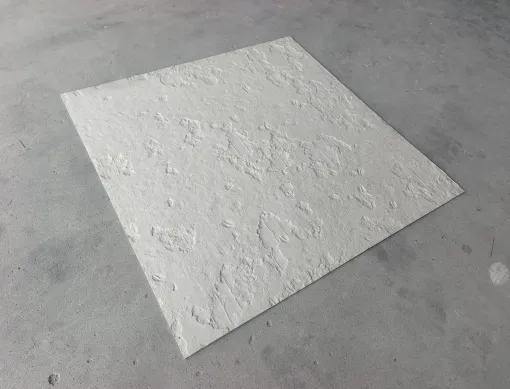
Bali Stone, at its core, is a type of sedimentary rock formed from compressed volcanic ash and limestone. Picture layers of mineral-rich deposits, forged over millennia by heat and pressure—nature's own fire-resistant formula. Unlike synthetic materials that can melt or release toxic fumes when exposed to flame, Bali Stone is inherently non-combustible. Its high density and low porosity mean it doesn't absorb heat quickly, and even under intense fire conditions, it retains its structural integrity. Think of it as a shield: it won't catch fire, it won't spread flames, and it won't contribute to the growth of a blaze.
But fire resistance isn't its only trick. Bali Stone comes in a range of earthy tones—soft beiges, warm terracottas, and deep grays—that add warmth to any space. Its surface, often finished with a subtle texture, invites touch, making it perfect for accent walls, countertops, or even flooring. And because it's a natural material, each slab has unique veining and patterns, ensuring that no two commercial spaces using Bali Stone look exactly alike. For business owners who want their brand to stand out, that's a game-changer.
Let's talk numbers, though, because safety is about more than just "feeling" secure. Bali Stone typically boasts a Class A fire rating, the highest possible under ASTM E84 standards. That means it has a flame spread index (FSI) of 0-25 and a smoke development index (SDI) of less than 450—both well below the thresholds for hazardous materials. In real-world terms, if a fire breaks out, a wall clad in Bali Stone will act as a barrier, slowing the spread of flames and giving occupants precious time to evacuate. Compare that to materials like untreated wood (Class C rating, FSI 76-200) or some plastics (which can melt and drip, spreading fire), and the difference is clear.
Of course, Bali Stone isn't the only player in the fire-resistant materials game. Let's take a closer look at some other popular choices—including a few from our keyword list—to see how they measure up. This comparison will help you understand why Bali Stone often comes out on top for commercial spaces that refuse to compromise on design.
| Material | Fire Rating (ASTM E84) | Weight (per sq. ft) | Aesthetic Appeal | Best For |
|---|---|---|---|---|
| Bali Stone | Class A (FSI 0-20) | 12-15 lbs | Warm, natural textures; earthy tones | Accent walls, countertops, high-traffic areas |
| MCM Flexible Stone | Class A (FSI 0-25) | 3-5 lbs | Versatile; mimics stone, wood, or concrete | Curved surfaces, exterior cladding, lightweight applications |
| Fair-Faced Concrete | Class A (FSI 0-30) | 10-12 lbs | Minimalist, industrial; raw, unpolished look | Modern lobbies, warehouse-style cafes |
| Foamed Aluminium Alloy Board (Vintage Silver) | Class A (FSI 0-15) | 2-4 lbs | Sleek, metallic; retro-industrial vibe | Accent panels, ceiling features, high-end retail |
| Travertine (Starry Blue) | Class A (FSI 0-30) | 11-14 lbs | Swirled patterns with "starry" flecks; vibrant blue hues | Statement walls, luxury hotels, artistic installations |
As the table shows, all these materials meet the Class A fire rating, but each has its own strengths. MCM flexible stone, for example, is a standout for lightweight applications—ideal for buildings where structural weight is a concern, like historic renovations or high-rise exteriors. Its flexibility allows it to conform to curved surfaces, making it a favorite for architects aiming for organic, flowing designs. Imagine a boutique hotel with a curved lobby wall clad in MCM flexible stone that mimics the look of rough-hewn wood—safe, lightweight, and stunning.
Fair-faced concrete, on the other hand, is the poster child for minimalist design. Its raw, uncoated surface brings an industrial edge to spaces like tech offices or modern coffee shops. But while it's fire-safe, it can feel cold if overused. That's where Bali Stone shines: it adds warmth that concrete often lacks, making it more inviting for customer-facing spaces like restaurants or retail stores.
Foamed aluminium alloy board (vintage silver) is another interesting contender. Lightweight and durable, it has a sleek, metallic finish that's perfect for high-end retail or hospitality spaces aiming for a retro-futuristic look. Its fire resistance comes from aluminium's natural properties—it melts at high temperatures but doesn't burn, and it releases no toxic smoke. However, it's more expensive than Bali Stone and may not fit every budget.
Then there's travertine (starry blue)—a showstopper for designers who want to make a bold statement. With its deep blue base and shimmering "starry" flecks (caused by mineral deposits), it's like bringing a piece of the night sky indoors. While it's fire-safe, its porosity means it requires more sealing than Bali Stone, making it better suited for low-moisture areas like accent walls rather than countertops or flooring.
To truly understand Bali Stone's impact, let's step into a real-world scenario. Meet Maria, the owner of a new café in downtown Portland. She wants her space to feel cozy and welcoming—think exposed wooden beams, soft lighting, and walls that feel like a hug. But as a business owner, she also knows that her kitchen (with its gas stoves and electrical appliances) is a fire risk, and the local fire code requires that any wall adjacent to the kitchen have a Class A fire rating. She's torn: wood paneling would give her the warmth she wants, but it's a fire hazard. Concrete would be safe but feels too cold. Then her architect suggests Bali Stone.
Maria visits a showroom and runs her hand over a slab of Bali Stone in "Sandy Beige." It's smooth but not slippery, with subtle veining that looks like waves in sand. The architect explains that they can use it for the wall behind the coffee bar (adjacent to the kitchen) and pair it with MCM flexible stone in a wood-grain finish for the other walls. The result? A space that feels warm and organic, with the coffee bar wall acting as a safe, stylish barrier between the kitchen and dining area. "It's like having the best of both worlds," Maria says. "I don't have to choose between safety and making my customers feel at home."
Maria's café is just one example. Bali Stone has been used in everything from boutique hotels in Bali (fittingly) to corporate offices in New York. In Dubai, a luxury hotel used Bali Stone for its lobby pillars, pairing it with travertine (starry blue) accents to create a celestial theme that's both opulent and fire-safe. In Tokyo, a co-working space opted for Bali Stone flooring in high-traffic areas, citing its durability and fire resistance as key factors—after all, with dozens of laptops and printers running daily, fire safety is non-negotiable.
Another notable project is the "Green Leaf" restaurant chain, which has locations across Europe. They wanted a material that aligned with their sustainability mission (Bali Stone is locally sourced and requires minimal processing) and their commitment to safety. They chose Bali Stone for their dining room walls and fair-faced concrete for their ceilings, creating a rustic-modern aesthetic that customers love. "Our customers often comment on how 'earthy' the space feels," says the chain's design director. "Little do they know, those earthy walls are also working hard to keep them safe."
So, you're sold on Bali Stone—now what? How do you incorporate it into your commercial design without sacrificing creativity? Here are a few tips, inspired by architects and designers who've worked with Bali Stone and other fire-safe materials:
Remember, fire safety doesn't mean boring design. It means being intentional about the materials you choose—and Bali Stone gives you plenty of room to be intentional.
In today's world, "green building materials" aren't just a trend—they're a necessity. Commercial buildings account for a significant portion of global energy use and carbon emissions, so choosing sustainable materials is key to reducing that footprint. Bali Stone checks this box, too. Because it's a natural stone, it requires minimal processing compared to synthetic alternatives. There's no need for harsh chemicals or energy-intensive manufacturing; it's quarried, cut, and finished with basic tools. And since it's durable, it lasts for decades, reducing the need for frequent replacements (and the waste that comes with them).
Compare that to some synthetic fire-resistant materials, which are made from petroleum-based products and can release harmful chemicals during production. Bali Stone, by contrast, is inert and non-toxic—even when exposed to fire, it doesn't release smoke or fumes. For businesses aiming for LEED certification (Leadership in Energy and Environmental Design), Bali Stone can contribute points toward the "Materials and Resources" category, making it a smart choice for sustainability-focused projects.
MCM flexible stone, too, has sustainability credentials. Many manufacturers use recycled materials in its production, and its lightweight nature reduces transportation emissions. When paired with Bali Stone, you get a combination that's both fire-safe and eco-friendly—a win-win for the planet and your business.
At the end of the day, commercial building design is about balance—between safety and style, function and aesthetics, practicality and creativity. Bali Stone, with its natural fire resistance, warm beauty, and sustainability, embodies that balance. It's a material that doesn't just meet codes; it elevates spaces, making them safer and more inviting.
Whether you're designing a café, a hotel, or an office, remember that fire safety isn't a limitation—it's an opportunity to innovate. By choosing materials like Bali Stone, MCM flexible stone, and fair-faced concrete, you're not just protecting people and property; you're creating spaces that tell a story. A story of care—for your customers, your employees, and the planet. And in a world where we spend so much time in commercial spaces, that story matters.
So, the next time you walk into a commercial building and think, "This feels safe and beautiful," take a closer look. Chances are, you're looking at Bali Stone—or another fire-resistant material that's proving, once again, that safety and style can go hand in hand. And that's a trend we can all get behind.
Recommend Products












