Walk into a modern office building today, and you might notice something different—walls that breathe, surfaces that tell a story of sustainability, and a quiet confidence that the space around you isn't just built to last, but built to
give back
. Behind this shift is a growing commitment to green building practices, and at the heart of it all lies a certification that has become a gold standard: LEED. But what makes a building "LEED-certified"? It's not just about solar panels or rainwater harvesting—it starts with the materials we choose. Materials like
Bali Stone, a name that's becoming synonymous with both aesthetic beauty and environmental responsibility. In this article, we'll explore how
Bali Stone and other innovative materials are reshaping the future of construction, one LEED credit at a time.
What is LEED Certification, Anyway?
For anyone new to the world of green building, LEED (Leadership in Energy and Environmental Design) can sound like just another acronym. But to architects, developers, and even everyday building occupants, it's so much more. Developed by the U.S. Green Building Council (USGBC), LEED is a rating system that evaluates buildings based on their environmental performance across key areas: energy efficiency, water conservation, materials selection, indoor air quality, and innovation. Projects earn points in these categories, and depending on their score, they receive certifications like LEED Certified, Silver, Gold, or Platinum.
The beauty of LEED is that it's not a one-size-fits-all checklist. It's a framework that encourages creativity—proving that sustainability and design excellence can go hand in hand. "LEED isn't about sacrificing beauty for the planet," says Maria Gonzalez, a LEED AP and sustainable design consultant with over 15 years of experience. "It's about reimagining what 'beautiful' means. A space that's kind to the environment often ends up being more comfortable, more inspiring, and more connected to the world outside. That's the magic of it."
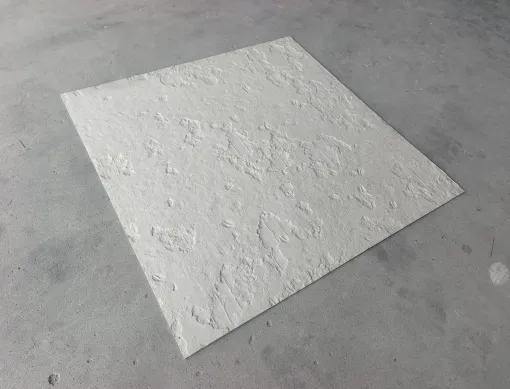
Bali Stone: A Sustainable Choice with Timeless Appeal
Let's start with the star of the show:
Bali Stone. If you've ever walked through a boutique hotel or a high-end retail space and paused to run your hand over a wall that feels both rugged and refined, chances are you've encountered
Bali Stone. Inspired by the natural textures of the Indonesian island it's named after, this material blends the raw beauty of natural stone with modern manufacturing techniques that prioritize sustainability.
What makes
Bali Stone stand out in the green building world? For starters, its composition. Unlike traditional stone, which often requires intensive quarrying and transportation (both major sources of carbon emissions),
Bali Stone is often crafted using recycled or locally sourced aggregates. This reduces its carbon footprint from the very first step of production. "We work with quarries within 200 miles of our manufacturing facilities whenever possible," explains David Chen, operations manager at a leading
Bali Stone producer. "It's not just about cutting costs—it's about cutting emissions. Every mile a truck doesn't have to drive is a win for the planet."
Durability is another key factor.
Bali Stone is engineered to withstand the test of time, meaning buildings clad in it require less frequent replacement or repair. This longevity directly contributes to LEED's "Materials and Resources" category, which rewards projects that minimize waste. Imagine a school built 50 years ago with crumbling stone walls, requiring constant patching and repainting. Now imagine that same school with
Bali Stone—still looking fresh, still performing well, and still contributing to the community. That's the sustainability of durability in action.
But
Bali Stone isn't just about being "green"—it's about enhancing the human experience. Its natural texture and warm color palette create spaces that feel less like sterile environments and more like extensions of nature. Studies have shown that exposure to natural materials can reduce stress, improve focus, and even boost productivity—all of which align with LEED's "Indoor Environmental Quality" credits. "When I design a workspace, I want people to feel energized, not drained," says architect James Park, who used
Bali Stone in a recent LEED Gold office project. "
Bali Stone does that. It brings a piece of the outdoors in, without sacrificing the functionality modern offices need."
Beyond Bali Stone: Complementary Green Materials
While
Bali Stone is a standout, it rarely works alone. The most successful LEED projects often combine multiple sustainable materials to maximize their environmental impact. Let's take a closer look at three materials that frequently partner with
Bali Stone to create LEED-worthy buildings:
MCM flexible stone, foamed aluminium alloy board (vintage silver), and
fair-faced concrete.
MCM Flexible Stone: Lightweight, Versatile, and Eco-Friendly
MCM (Modified Composite Material) flexible stone is like the chameleon of sustainable building materials. Thin, lightweight, and surprisingly strong, it can mimic the look of traditional stone, wood, or even metal—all while being far more eco-friendly. Its flexibility makes it ideal for curved surfaces or complex architectural designs, reducing the need for custom-cut materials (and the waste that comes with them).
"We used
MCM flexible stone on the facade of a community center last year," recalls Gonzalez. "The design called for a wave-like pattern, which would have been impossible with heavy natural stone. MCM not only made it possible but also cut our transportation costs in half because we could fit so much more material on a single truck. That's a direct reduction in carbon emissions—and a LEED credit for 'Reduced Transportation Impacts'."
MCM flexible stone also scores points for its low VOC (Volatile Organic Compound) content. VOCs are chemicals found in many building materials that can off-gas into the air, causing headaches, allergies, and long-term health issues. By choosing low-VOC materials like MCM, projects can earn LEED credits for "Low-Emitting Materials," ensuring the air inside the building is as healthy as the environment outside.
Foamed Aluminium Alloy Board (Vintage Silver): Recyclable and Energy-Efficient
When you think of aluminium, you might picture soda cans or window frames—but foamed aluminium alloy board is redefining what this metal can do. Lightweight yet incredibly strong, this material is created by injecting gas into molten aluminium, resulting in a porous structure that's both insulating and durable. The "vintage silver" finish adds a sleek, modern touch, making it a favorite for accent walls or exterior cladding.
What makes foamed aluminium a LEED star? For one, it's highly recyclable. Aluminium can be recycled indefinitely without losing quality, and recycling it uses just 5% of the energy required to produce new aluminium. "We specify foamed aluminium whenever possible because it's a closed-loop material," says Chen. "At the end of a building's life, that aluminium can be melted down and turned into something new—no waste, no guilt."
Its insulating properties are another win. Buildings with foamed aluminium cladding require less energy to heat and cool, which directly contributes to LEED's "Energy and Atmosphere" credits. Imagine a home in a hot climate: with foamed aluminium walls, the interior stays cool even on the hottest days, reducing the need for air conditioning. That's lower energy bills, lower carbon emissions, and a happier planet—all from a single material choice.
Concrete has a reputation for being cold and industrial, but
fair-faced concrete is here to change that. Also known as "architectural concrete," this material is left exposed after casting, showcasing its natural texture and color without the need for paint or cladding. It's a minimalist's dream—and a sustainability champion.
The key to
fair-faced concrete's sustainability is its simplicity. By eliminating the need for additional finishes (which often contain harmful chemicals or require frequent upkeep), it reduces both material waste and long-term maintenance costs. "We used
fair-faced concrete for the floors and walls of a LEED Platinum library," says Park. "Not only did it save us from buying and installing tiles, but it also meant the client wouldn't have to repaint or refinish those surfaces for decades. That's a huge win for both their budget and the environment."
Like
Bali Stone,
fair-faced concrete also has excellent thermal mass properties, meaning it can absorb and store heat, helping to regulate indoor temperatures naturally. This reduces reliance on heating and cooling systems, further cutting energy use. And because it's made from locally available materials (cement, sand, gravel), its transportation footprint is often smaller than that of imported stones or metals.
|
Material
|
Key Sustainable Features
|
LEED Credits Addressed
|
|
Bali Stone
|
Locally sourced aggregates, high durability, low VOC, natural aesthetic
|
Materials and Resources (MR), Indoor Environmental Quality (EQ)
|
|
MCM Flexible Stone
|
Lightweight (reduced transportation emissions), versatile design, low VOC
|
Materials and Resources (MR), Indoor Environmental Quality (EQ)
|
|
Foamed Aluminium Alloy Board (Vintage Silver)
|
100% recyclable, excellent insulation, energy efficiency
|
Energy and Atmosphere (EA), Materials and Resources (MR)
|
|
Fair-Faced Concrete
|
Minimal finishes, thermal mass, locally available materials
|
Energy and Atmosphere (EA), Materials and Resources (MR)
|
How These Materials Meet LEED Criteria
So, how exactly do
Bali Stone and its counterparts translate into LEED points? Let's break it down by key LEED categories:
Materials and Resources (MR):
This category focuses on reducing waste and promoting sustainable sourcing.
Bali Stone's use of recycled aggregates and local sourcing earns points for "Recycled Content" and "Regional Materials."
MCM flexible stone's lightweight design reduces transportation emissions, contributing to "Reduced Transportation Impacts." Foamed aluminium's recyclability aligns with "Construction and Demolition Waste Management." Together, these materials can add up to 10-15 LEED points in this category alone.
Energy and Atmosphere (EA):
Here, the focus is on energy efficiency. Foamed aluminium's insulating properties and
fair-faced concrete's thermal mass help reduce energy use for heating and cooling, earning points for "Optimize Energy Performance."
Bali Stone's natural color can also reflect sunlight, reducing the urban heat island effect—a bonus for "Heat Island Reduction" credits.
Indoor Environmental Quality (EQ):
This category is all about the people inside the building.
Bali Stone and
MCM flexible stone's low VOC emissions improve indoor air quality, earning points for "Low-Emitting Materials." Their natural textures and colors also contribute to "Daylight and Views," which studies show enhances occupant well-being.
"LEED isn't just about checking boxes," says Gonzalez. "It's about creating buildings that work
with
the planet, not against it. When you choose materials like
Bali Stone,
MCM flexible stone, or foamed aluminium, you're not just earning points—you're creating spaces that make people healthier, communities stronger, and the world a little greener. That's the real power of LEED."
Real-World Impact: Projects Using Bali Stone and LEED
Numbers and categories are helpful, but nothing illustrates the impact of these materials like real projects. Let's take a look at two examples of buildings that combined
Bali Stone with other sustainable materials to achieve LEED certification—and in the process, transformed their communities.
The Evergreen Community Center (Portland, OR – LEED Gold):
Completed in 2023, this 40,000-square-foot center serves as a hub for local events, fitness classes, and youth programs. Architect James Park specified
Bali Stone for the main lobby walls and outdoor patio, paired with
MCM flexible stone for the curved facade and
fair-faced concrete for the floors. "We wanted the building to feel welcoming, like a gathering place that belonged to the neighborhood," Park explains. "
Bali Stone's warm tones and natural texture did exactly that. Parents tell me their kids love running their hands along the lobby walls—something about the texture feels like a secret adventure."
The center earned LEED Gold by scoring high in several categories: 15 points for Materials and Resources (thanks to local sourcing and recycled content in
Bali Stone and MCM), 8 points for Energy and Atmosphere (foamed aluminium cladding on the gymnasium helped reduce heating costs by 22%), and 6 points for Indoor Environmental Quality (low-VOC materials like
Bali Stone improved air quality). "The best part?" Park adds. "The center's energy bills are 30% lower than similar buildings in the area. That means more money goes toward programs for kids and families, not utility companies. That's sustainability you can feel."
The Horizon Office Tower (Austin, TX – LEED Platinum):
This 12-story office building, completed in 2024, is a showcase for high-performance design. Its exterior features a mix of
Bali Stone (for the ground-floor retail spaces) and foamed aluminium alloy board (vintage silver) for the upper floors, creating a striking contrast between natural and modern elements. "We wanted to prove that a commercial office building could be both luxurious and sustainable," says project developer Elena Rodriguez. "
Bali Stone was the perfect anchor—it grounds the building in nature, while the foamed aluminium adds that sleek, contemporary feel our tenants wanted."
The tower achieved LEED Platinum by prioritizing energy efficiency (solar panels, smart lighting) and sustainable materials.
Bali Stone's durability means the ground-floor cladding won't need replacement for at least 50 years, and the foamed aluminium's recyclability ensures minimal waste at the end of the building's life. "Our tenants love it," Rodriguez notes. "We've had 98% occupancy since opening, and many companies cite the building's LEED status as a key reason for leasing. They want to tell their clients they're in a space that aligns with their values.
Bali Stone and these other materials help them do that."
As we look to the future of construction, one thing is clear: sustainability isn't a trend—it's a necessity. LEED certification has emerged as a powerful tool to guide this shift, but its success ultimately depends on the choices we make at the most basic level: the materials we build with.
Bali Stone, with its blend of beauty, durability, and eco-friendliness, is leading the charge, supported by materials like
MCM flexible stone, foamed aluminium alloy board, and
fair-faced concrete.
These materials aren't just "green"—they're human-centered. They create spaces that inspire, comfort, and connect us to the world around us. They reduce our impact on the planet while enhancing our quality of life. And they prove that sustainability and design excellence don't have to be mutually exclusive.
So the next time you walk into a building and feel that subtle sense of well-being—the kind that makes you think, "This place feels right"—take a closer look at the walls, the floors, the surfaces. Chances are, you're standing in a space shaped by materials like
Bali Stone, and maybe even a LEED certification. And in that moment, you're not just experiencing good design—you're experiencing the future of building. A future where we build not just for today, but for all the tomorrows to come.














