

High-rise buildings pierce the skyline like modern-day giants, symbols of human ambition and engineering prowess. But behind their sleek glass facades and towering heights lies a silent challenge: structural load. Every beam, every panel, every material choice adds up, testing the limits of what a building's skeleton can bear. For architects and engineers, the quest for materials that marry durability, aesthetics, and lightness has long been a holy grail. Enter Bali Stone—a material that's quietly revolutionizing how we build upward, without weighing our aspirations down.
At first glance, Bali Stone might evoke the warm, earthy charm of traditional natural stone—think sun-bleached beaches or ancient temple walls. But look closer, and you'll realize it's a product of cutting-edge innovation, part of MCM's renowned project board series that blends nature's beauty with modern material science. Unlike heavy, quarry-hewn stones that have defined construction for centuries, Bali Stone is engineered to be lightweight without sacrificing strength. Its secret? A composite core reinforced with advanced fibers, wrapped in a thin layer that mimics the texture and color of natural stone. This design shaves off pounds while retaining the visual appeal that makes stone such a timeless choice.
But Bali Stone isn't just about looks. It's built to withstand the harsh realities of high-rise life: wind, rain, temperature swings, and the slow creep of time. In lab tests, it holds its own against traditional materials like fair-faced concrete in compressive strength, yet weighs up to 60% less per square meter. That's a game-changer for buildings where every kilogram counts.
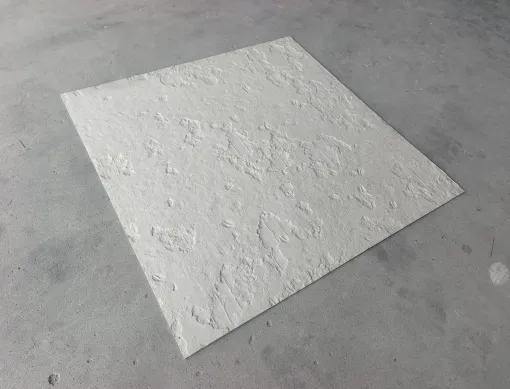
To understand why Bali Stone matters, let's talk about the "weight problem" in high-rises. When you stack floor upon floor, each material—from cladding to flooring—adds stress to the building's foundation, columns, and beams. Heavier materials like solid travertine (starry green) or thick foamed aluminium alloy board (vintage silver) demand beefier support structures: stronger steel, deeper foundations, more concrete. These aren't just technical hurdles; they're budget-busters. Extra support means more labor, more materials, and longer construction timelines. Worse, it limits design freedom. Want a cantilevered balcony or a glass-walled lobby? Heavy cladding might make those dreams structurally unfeasible.
Consider this: A typical 50-story building using traditional stone cladding could add hundreds of tons to its total weight. That's like strapping an extra cruise ship to the structure. Engineers have to overdesign the frame to compensate, leaving less room for creative flourishes or functional spaces like higher ceilings or larger apartments. It's a trade-off that architects have grudgingly accepted—until now.
How does Bali Stone stack up against other popular materials? Let's break it down with hard numbers and real-world context:
| Material | Weight (kg/m²) | Compressive Strength (MPa) | Aesthetic Flexibility | Installation Time (per 100m²) |
|---|---|---|---|---|
| Bali Stone | 12–15 | ≥30 | Natural stone textures, multiple finishes | 8–10 hours |
| Fair-Faced Concrete | 22–25 | ≥35 | Industrial, uniform look | 12–15 hours |
| Foamed Aluminium Alloy Board (Vintage Silver) | 8–10 | ≥25 | Metallic, modern finish | 6–8 hours |
| Travertine (Starry Green) | 28–32 | ≥20 | Organic, veined patterns | 15–18 hours |
What jumps out? Bali Stone's weight is dramatically lower than travertine (starry green) and even edges out fair-faced concrete , while matching or exceeding their strength. And unlike foamed aluminium alloy board (vintage silver) —which offers a sleek metallic look but limited natural stone mimicry—Bali Stone delivers the best of both worlds: the warmth of stone and the lightness of modern composites. Installation is faster too, thanks to its lighter weight and modular design, cutting down on labor costs and construction delays.
It's easy to get stuck on the technical specs, but Bali Stone's real magic lies in how it transforms spaces for people. Take the Everest Heights project in downtown Singapore, a 42-story residential tower where architects wanted to bring "nature indoors" without overloading the structure. Initially, they planned to use rammed earth board (matcha green) for accent walls and traditional travertine for the facade. But when calculations showed the stone would add 20% to the building's load, they pivoted to Bali Stone for the exterior. The result? A tower wrapped in warm, stone-like panels that reflect sunlight, reducing heat absorption and lowering energy costs. Inside, rammed earth board (matcha green) still lines the lobbies, pairing with Bali Stone's exterior to create a cohesive, earthy vibe—without compromising on safety or budget.
Residents love it too. "The lobby feels like a mountain lodge, not a concrete box," says one tenant. "And I don't worry about the building swaying in storms—knowing it's built with lighter, stronger materials gives peace of mind." That's the human impact of smart material choices: spaces that feel safe, beautiful, and connected to nature, even 40 stories up.
Weight reduction doesn't just benefit buildings—it benefits the planet. Lighter materials mean less fuel burned during transportation (a single truck can carry 3x more Bali Stone panels than traditional stone). Its composite makeup also uses less raw stone, reducing quarrying impacts. And because it's so durable, buildings clad in Bali Stone require fewer replacements over time, cutting down on waste. Compare that to fair-faced concrete , which has a hefty carbon footprint, or travertine (starry green) , which often requires energy-intensive mining and processing. Bali Stone proves that sustainability and aesthetics don't have to be enemies.
As cities grow denser and high-rises become the norm, materials like Bali Stone will shape the skyline of tomorrow. They're not just "lightweight alternatives"—they're enablers of bold, human-centered design. Imagine a skyscraper with a stone-clad exterior that doesn't need massive steel girders, freeing up space for parks, community areas, or larger apartments. Or a hotel where every balcony feels like it's carved from natural stone, but won't weigh the building down. With Bali Stone, these aren't pipe dreams—they're blueprints.
In the end, construction has always been about balance: strength and beauty, function and form, past and future. Bali Stone tips that balance in favor of possibility, proving that we can build higher, smarter, and more beautifully—without letting the weight of tradition hold us back. For architects, engineers, and anyone who calls these towers home, that's a future worth reaching for.
Recommend Products












