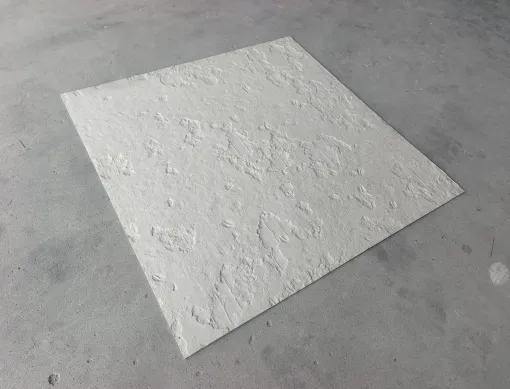
Bali Stone draws its inspiration from the lush, textured landscapes of Bali—think sun-baked beaches, weathered temple walls, and the earthy hues of the island's rice terraces. Unlike generic commercial stones that feel cold and impersonal, Bali Stone carries a story in every inch of its surface. Its texture is a harmonious blend of smooth and rough: run your hand over it, and you'll feel gentle undulations that mimic the natural erosion of rock by water and wind, yet it's refined enough to feel intentional, not haphazard.
Color-wise, Bali Stone leans into warmth. You'll find soft sandy beiges that evoke tropical shores, muted terracottas reminiscent of Balinese clay pottery, and subtle greys that ground the palette without feeling stark. What truly sets it apart, though, is its versatility. It can be finished in endless ways: polished to a soft sheen for a modern look, left with a matte "natural split" texture for rustic charm, or even honed to a velvety smoothness that feels luxurious underfoot. This adaptability makes it a chameleon in mall design, fitting seamlessly into bohemian boutiques, sleek tech stores, and family-friendly food courts alike.
But Bali Stone isn't just about looks. At its core, it's engineered to thrive in high-traffic environments. Made from a dense blend of natural stone aggregates and reinforced polymers, it boasts impressive durability ratings—scratch-resistant, stain-proof, and slip-resistant even when wet (a crucial feature for food courts and rainy-day mall entrances). It's also surprisingly lightweight compared to traditional marble or granite, making installation easier and reducing structural load on mall floors.