

When you pull up to a luxury hotel or resort, the first thing that greets you isn't just the doorman or the lobby—it's the exterior. Those walls, facades, and outdoor spaces set the tone for your entire stay. They whisper stories of the destination, hint at the experience inside, and promise a retreat that feels both indulgent and rooted in its surroundings. In recent years, one material has been quietly stealing the spotlight in high-end hospitality design: Bali Stone. More than just a pretty face, this natural stone has become a favorite among architects and designers who refuse to choose between aesthetics and durability. Let's dive into why Bali Stone is redefining resort exteriors, how it marries beauty with brawn, and why it's often paired with innovative materials like MCM flexible stone and Lunar Peak series to create spaces that leave guests in awe—rain or shine.
Walk up to a Bali Stone facade, and you'll immediately understand its charm. Unlike uniform synthetic materials, Bali Stone carries the earth's fingerprint in every inch. Its surface is a tapestry of soft beige and warm terracotta hues, swirled with subtle veins of cream and hints of gold that catch the light like sunlight on sand. Run your hand over it, and you'll feel the gentle, almost tactile texture—rough enough to feel organic, smooth enough to exude luxury. It's the kind of material that doesn't just "look" natural; it feels like it was plucked from a sunlit cliffside or a quiet riverbed, making it perfect for resorts aiming to blend into tropical, coastal, or mountainous landscapes.
What truly sets Bali Stone apart, though, is its versatility in color and pattern. No two slabs are identical. Some lean into warm, honeyed beiges that evoke beachside serenity; others have deeper, richer undertones that mirror the earthiness of a forest retreat. Designers often use it to create focal points—think a grand entrance wall, a sweeping terrace, or even a cascading water feature where the stone's texture plays with the flow of water. In the day, it glows under the sun; at night, when lit from below, its natural pits and crevices cast soft, shadowy patterns that turn a simple facade into a work of art. For hotels and resorts, this isn't just about "looking good"—it's about creating an emotional connection. Guests remember the way the light hit the stone as they sipped their morning coffee on the balcony, or how the facade seemed to "breathe" with the changing weather. That's the magic of Bali Stone: it doesn't just decorate a building; it becomes part of the guest experience.
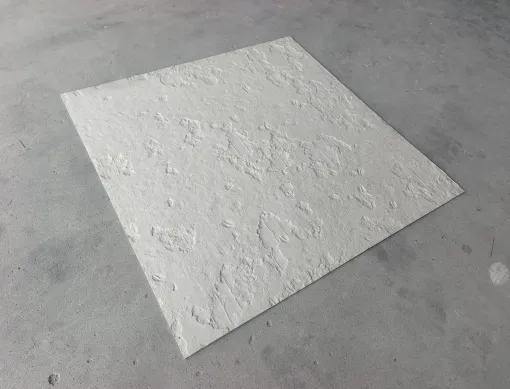
Of course, beauty alone won't cut it for resort exteriors. Imagine investing in a stunning stone facade only to watch it fade, crack, or erode after a few seasons of rain, salt, or harsh sunlight. For hotels in tropical destinations (think Bali, the Maldives, or the Caribbean), or mountain resorts battered by snow and wind, weather resistance isn't a bonus—it's a necessity. This is where Bali Stone truly shines (pun intended). Unlike some porous natural stones that absorb water and deteriorate over time, Bali Stone has a naturally dense composition that repels moisture. Its low porosity means rainwater beads up and rolls off, rather than seeping in and causing cracks during freeze-thaw cycles. For coastal resorts, this resistance to water is a game-changer; it also stands up to salt spray, which can corrode lesser materials and leave unsightly stains.
UV resistance is another feather in its cap. In sun-drenched locations, many stones fade from vibrant to dull after years of exposure to harsh rays. Bali Stone, however, maintains its color integrity, thanks to its mineral composition that reflects rather than absorbs UV light. This means that a facade installed today will still look just as warm and inviting a decade from now—a huge plus for resorts that want to maintain their luxury appeal without constant renovations. Temperature fluctuations? No problem. Whether it's sweltering heat or sudden downpours, Bali Stone expands and contracts minimally, reducing the risk of cracks or warping. It's the kind of durability that gives architects and resort owners peace of mind: "This material won't just look good on day one; it'll look good for years to come."
While Bali Stone is a star on its own, it truly shines when paired with complementary materials from MCM's innovative lineup. Designers today aren't just choosing one material—they're mixing textures, colors, and finishes to create exteriors that tell a story. Let's take a closer look at how some of MCM's standout products work in harmony with Bali Stone.
First up: MCM flexible stone . If Bali Stone is the "heart" of the exterior, MCM flexible stone is the "versatile sidekick." Unlike rigid natural stone, this material is lightweight and bendable, making it perfect for curved surfaces, accent walls, or intricate architectural details that Bali Stone (with its rigidity) might struggle with. Imagine a resort entrance where Bali Stone forms the main facade, but MCM flexible stone wraps around a circular porte-cochère, creating a seamless flow that feels both organic and modern. It comes in a range of textures that complement Bali Stone's earthiness—think rough-hewn finishes that mimic natural rock or smoother surfaces for a subtle contrast.
For resorts aiming for a touch of modern luxury, Lunar Peak Silvery is a showstopper. This material has a soft, metallic sheen that catches the light, adding a hint of glamour without overwhelming Bali Stone's natural warmth. Picture a beachfront resort where Bali Stone covers the lower levels (grounded, earthy) and Lunar Peak Silvery clads the upper floors (reflecting the sky and sea). At sunrise, the silvery panels glow pink and gold; at sunset, they shift to amber, creating a dynamic facade that changes with the day. It's a pairing that says "luxury" without shouting—ideal for high-end resorts that want to balance tradition and modernity.
Then there's Travertine (Starry Blue) —a material that adds a touch of whimsy to Bali Stone's groundedness. As the name suggests, this travertine has tiny, star-like flecks embedded in its deep blue base, making it perfect for accent walls or nighttime features. Imagine a resort's pool area where Bali Stone lines the walkways (warm, neutral) and Travertine (Starry Blue) frames the pool itself. By day, the blue is a calming contrast to Bali Stone's beige; by night, under soft lighting, the starry flecks twinkle like a night sky, turning the pool area into a magical retreat. It's details like these that make guests feel like they're staying somewhere truly unique.
And let's not forget fair-faced concrete —a material that brings sleek, minimalist energy to Bali Stone's organic texture. For resorts with a modern design ethos, fair-faced concrete (with its smooth, unadorned finish) pairs beautifully with Bali Stone's rough-hewn charm. Think a boutique mountain resort where Bali Stone covers the exterior walls (blending with the surrounding rocks) and fair-faced concrete forms the roof overhangs and balcony railings (clean, sharp lines). The contrast is striking: warm vs. cool, organic vs. structured. It's a combination that appeals to design-savvy guests who appreciate both nature and modernity.
| Material | Aesthetic Appeal | Weather Resistance | Installation Ease | Best For |
|---|---|---|---|---|
| Bali Stone | Warm beige/terracotta tones, organic texture, natural patterns | Excellent (low porosity, UV/salt resistance) | Moderate (requires skilled labor for cutting) | Main facades, walkways, pool surrounds |
| MCM Flexible Stone | Versatile textures (rough/smooth), lightweight | Very Good (resistant to moisture, UV) | High (flexible, easy to install on curves) | Curved surfaces, accent walls, intricate details |
| Lunar Peak Silvery | Metallic sheen, modern glamour, light-reflective | Excellent (corrosion-resistant, UV stable) | Moderate (lightweight but requires precise fitting) | Upper floors, rooftop terraces, signage |
| Fair-faced Concrete | Sleek, minimalist, smooth finish | Very Good (resistant to weathering, low maintenance) | Moderate (requires formwork for custom shapes) | Roof overhangs, railings, modern accent walls |
To truly understand Bali Stone's impact, let's step into the shoes of a guest arriving at the Serenity Bay Resort, a luxury beachfront property in Bali (fitting, right?). As your car pulls up, the first thing you notice is the facade: warm, honey-colored Bali Stone stretches across the main building, its texture catching the tropical sunlight. The stone looks like it belongs here—like it grew from the same earth that surrounds the resort. But as you get closer, you see the details: MCM flexible stone wraps around the curved entrance canopy, its rough texture mirroring the Bali Stone but with a subtle flexibility that softens the building's edges. Above, Lunar Peak Silvery panels clad the upper floors, reflecting the sky and sea, making the resort feel like it's "floating" between earth and water.
Three years after opening, the resort's exterior looks as stunning as day one. Despite daily exposure to salt spray (the resort is steps from the ocean) and intense UV rays, the Bali Stone hasn't faded or pitted. The MCM flexible stone canopy still hugs the entrance without cracking, even during monsoon season. Guests rave about the "natural vibe" of the resort, often mentioning how the exterior makes them feel "connected to the island." For the resort's owners, that's priceless: not only did the materials hold up to Bali's harsh climate, but they also became a key part of the guest experience—a selling point that keeps visitors coming back.
While Bali Stone is a dream to design with, there are a few practical tips to keep in mind. First, installation : because it's a natural stone, it's heavier than materials like MCM flexible stone, so structural support is key. Work with contractors experienced in natural stone installation to ensure the facade is properly anchored, especially for multi-story buildings. Second, maintenance : while Bali Stone is low-maintenance, a yearly power wash (with mild soap) will keep it looking fresh, removing dirt or salt buildup. Avoid harsh chemicals, as they can strip the stone's natural patina. Third, sustainability : MCM sources Bali Stone from ethical quarries that prioritize reforestation and minimal environmental impact, so designers can feel good about choosing a material that's as kind to the planet as it is to the eye.
Finally, cost : Bali Stone is an investment, but one that pays off in longevity and guest appeal. When compared to synthetic materials that need replacing every 5–10 years, Bali Stone's 20+ year lifespan makes it cost-effective in the long run. Pairing it with more budget-friendly options like fair-faced concrete or MCM flexible stone can also help balance costs without sacrificing design quality.
At the end of the day, resort exteriors are about more than just "looking nice." They're about creating a first impression that lingers, a sense of place that makes guests feel "at home" in luxury, and a durability that stands the test of time. Bali Stone checks all these boxes—and then some. Its natural beauty, with its warm tones and organic texture, creates exteriors that feel rooted in their surroundings, whether that's a tropical beach, a mountain valley, or a desert oasis. Its weather resistance ensures that beauty doesn't fade, even in the harshest climates. And when paired with complementary materials like MCM flexible stone, Lunar Peak Silvery, or fair-faced concrete, it becomes part of a design language that's both timeless and modern.
For architects and designers, Bali Stone isn't just a material—it's a partner in storytelling. It helps create resorts that don't just "exist" but resonate with guests, making them want to return again and again. And for resort owners, it's an investment in both aesthetics and peace of mind. After all, in the world of hospitality, the exterior is the first chapter of the guest's journey. With Bali Stone, that chapter is always a beautiful one—tough, warm, and impossible to forget.
Recommend Products












