

There's something magical about coastal living—the sound of waves crashing at dawn, the salty breeze that carries the scent of the ocean, and the endless horizon that makes every sunset feel like a gift. But anyone who's built or renovated a home by the sea knows the dark side of this paradise: the relentless assault of saltwater, humidity, and storms that turn even the sturdiest materials into victims. Wood rots, concrete cracks, metal rusts, and stone weathers away, leaving homeowners with endless repairs and a growing list of "what ifs." What if there was a material that could stand up to the coast's worst, without sacrificing beauty? Enter Bali Stone—a game-changer in coastal construction that's redefining durability and design.
Let's start with the basics: coastal environments are brutal. Saltwater spray drifts through the air, clinging to walls and decks like invisible sandpaper. Humidity levels hover around 80% year-round, creating the perfect breeding ground for mold and mildew. Storms bring driving rain and high winds that test a building's structural integrity. Even sunlight, amplified by the ocean's reflection, fades colors and weakens surfaces over time.
Traditional materials weren't built for this. Take wood, for example—once the go-to for decks and siding. Inland, a well-maintained wooden deck might last 15 years. By the coast? Five years, maybe. The saltwater seeps into the grain, breaking down fibers until planks warp and rot. Concrete, often hailed as "indestructible," fares little better. Saltwater reacts with its minerals, causing spalling (those ugly flakes and pits that make walls look like they're peeling). Metal fixtures? They rust so quickly, you'll be replacing railings and hardware before you've finished decorating the living room.
Natural stone, like marble or granite, seems like a smarter choice—after all, rocks have been around for millions of years. But many natural stones are porous, meaning saltwater can penetrate their surface, leading to discoloration, cracks, and erosion. Travertine, for instance, is beloved for its earthy, textured look, but its honeycomb-like pores act like sponges for salt and moisture. Even "durable" options like fair-faced concrete can struggle, as its rough surface traps salt particles that eat away at the material over time.
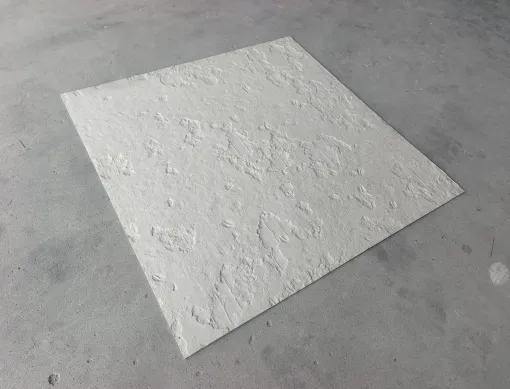
Bali Stone isn't your average building material. Part of the MCM (Modified Composite Material) family—a line of engineered products designed to mimic natural stone with added resilience—it's a hybrid of natural minerals and modern technology. Think of it as nature's best traits, supercharged. Developed specifically to thrive in tough environments, Bali Stone was born from a simple question: Why can't a material be both beautiful and bulletproof?
What sets Bali Stone apart? Let's start with its composition. Unlike traditional stone, which is mined and cut, Bali Stone is crafted in a controlled environment, blending natural stone aggregates with polymers and reinforcing fibers. This engineering gives it a non-porous surface (no more saltwater seepage!), flexibility to withstand temperature swings (coastal days can go from 50°F to 90°F in hours), and a density that resists chipping and cracking. It's also lightweight, making installation easier and reducing stress on a building's foundation—critical in areas prone to soil erosion.
But here's where it gets interesting: Bali Stone doesn't just "survive" the coast—it thrives there. Its surface repels saltwater like a duck's back, and its color pigments are UV-stabilized, so that warm beige or soft gray you fell in love with won't fade into a dull shadow after a few summers. And because it's part of the MCM flexible stone family, it can bend slightly without breaking—perfect for curved walls, archways, or decorative accents that add character to coastal homes without the risk of cracking.
Let's break down why Bali Stone is becoming the go-to for coastal builders and designers:
Curious how Bali Stone compares to other popular coastal materials? Let's take a look at the numbers (and the real-world results):
| Material | Saltwater Resistance | Durability (Expected Lifespan) | Maintenance Needs | Aesthetic Appeal | Cost (Relative) |
|---|---|---|---|---|---|
| Bali Stone | Excellent (No penetration, no staining) | 50+ years | Minimal (Hose down occasionally; no sealing required) | High (Mimics natural stone; wide range of colors/textures) | Moderate (Higher upfront than wood/concrete, lower long-term costs) |
| Travertine (Starry Blue) | Poor (Porous; prone to salt staining and erosion) | 15-20 years (with annual sealing) | High (Seal yearly; clean with special stone cleaners) | Very High (Unique blue veining; natural elegance) | High (Expensive to buy and maintain) |
| Fair-Faced Concrete | Moderate (Prone to spalling from salt reactions) | 20-30 years | Moderate (Repair cracks; seal every 2-3 years) | Low to Moderate (Industrial look; limited color options) | Low (Cheap upfront, high repair costs over time) |
| Rust Mosaic Stone | Poor (Iron content accelerates rust in saltwater) | 10-15 years | High (replace rusted pieces; seal regularly) | High (Rustic, earthy texture) | Moderate to High |
| Pressure-Treated Wood | Very Poor (Saltwater breaks down preservatives quickly) | 5-8 years | Very High (replace rotted boards; sand and refinish yearly) | High (Warm, natural look) | Low upfront, Very High long-term |
Bali Stone isn't just a theoretical solution—it's already making waves in coastal communities from the Caribbean to the Mediterranean. Let's look at a few real-world examples:
Beachfront Homes: In Costa Rica, a luxury villa overlooking the Pacific Ocean used Bali Stone for its exterior walls and pool deck. Five years later, the stone still looks brand new—no staining, no cracks, and the color hasn't faded, even after two major hurricanes. "We chose Bali Stone because we wanted something that would age gracefully, not fall apart," says the homeowner. "It was the best decision we made."
Boardwalks and Public Spaces: In coastal towns like Cape Cod, USA, wooden boardwalks used to require replacement every 7-10 years. Now, several towns are switching to Bali Stone planks. They're slip-resistant even when wet (a must for busy tourist areas), easy to clean, and stand up to salt, sand, and foot traffic without warping or splintering.
Commercial Spaces: Beachfront hotels and restaurants are also jumping on the trend. A boutique hotel in Bali (fittingly!) used Bali Stone for its outdoor bar counter and dining patio. "Our guests spill drinks, drag chairs, and the ocean breeze is constant," says the hotel manager. "With Bali Stone, we haven't had to refinish or repair a thing in three years. It's saved us thousands in maintenance costs."
Bali Stone is a star, but it plays well with others. For homeowners who want to mix materials, MCM flexible stone is a perfect partner. Its flexibility makes it ideal for curved features like archways or rounded columns, where rigid materials might crack. Pair Bali Stone walls with MCM flexible stone accents in a contrasting texture, and you've got a design that's both durable and dynamic.
Another great pairing? Foamed aluminium alloy boards (vintage silver or gold) for railings or trim. These lightweight, rust-proof metals add a modern touch without the upkeep, and their sleek finish complements Bali Stone's earthy texture. Together, they create a look that's coastal-chic and built to last.
One of the best things about Bali Stone is how little it asks in return. Unlike natural stone, which needs annual sealing, or wood, which requires staining, Bali Stone is low-maintenance. Here's all you need to do:
Coastal living shouldn't mean choosing between beauty and durability. With Bali Stone, you get both—a material that stands up to saltwater, storms, and humidity, while adding warmth and texture to your home. It's not just a building material; it's an investment in peace of mind. So the next time you dream of that beach house, don't just imagine the view—imagine a home that looks as good in 20 years as it does today. With Bali Stone, that dream is within reach.
Recommend Products












