

Bridging Tradition, Innovation, and Durability in the Kingdom's Building Boom
Saudi Arabia's construction landscape is undergoing a transformation unlike any other. From the futuristic skylines of Riyadh to the ambitious megaprojects of NEOM and The Line, the kingdom is redefining modern architecture while honoring its rich cultural heritage. At the heart of this evolution lies a search for materials that can withstand the harsh desert climate, align with strict local standards, and capture the essence of Saudi design—where geometric precision meets natural warmth. Enter Bali Stone , a material that has quietly emerged as a favorite among architects and builders. Blending the timeless appeal of natural stone with the flexibility of modern composites, Bali Stone is not just a building material; it's a bridge between tradition and innovation, perfectly suited to meet the unique demands of Saudi Arabian construction.
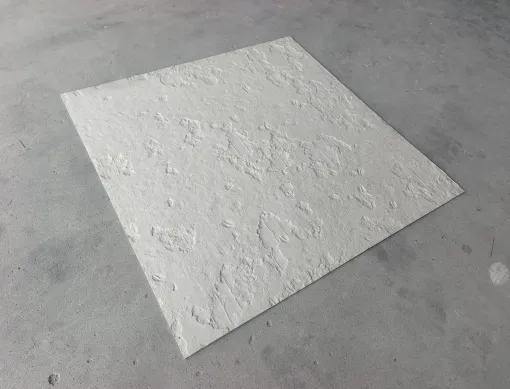
Bali Stone, part of the broader MCM flexible stone family (Modified Composite Material), is a engineered stone that marries the aesthetic depth of natural stone with the practical benefits of modern composites. Unlike raw stone, which is heavy and prone to cracking, Bali Stone is crafted by bonding natural stone aggregates with a polymer matrix, resulting in a material that's lightweight, flexible, and incredibly durable. Its surface mimics the organic textures of quarried stone—think weathered travertine, rough-hewn granite, or smooth marble—yet it offers a level of customization that natural stone simply can't match.
What truly sets Bali Stone apart is its versatility. Available in a spectrum of earthy tones—from warm beiges and terracottas to deep grays and muted golds—it can be tailored to evoke the sandy hues of the Saudi desert or the rich patinas of traditional Islamic art. Its flexibility allows it to be curved, cut, or shaped into intricate geometric patterns, a nod to the kingdom's love for ornate architectural details. Whether used as cladding for skyscrapers, flooring for cultural centers, or accent walls in luxury villas, Bali Stone adds a layer of tactile warmth that transforms spaces from functional to unforgettable.
Saudi Arabia's construction industry is governed by some of the strictest standards in the world, a necessity given its extreme climate and ambitious building goals. Materials must withstand scorching summer temperatures (often exceeding 50°C), relentless sandstorms, and occasional flash floods—all while adhering to fire safety, energy efficiency, and sustainability mandates. Local regulations, such as those set by the Saudi Standards, Metrology and Quality Organization (SASO), and international certifications like LEED and BREEAM, are non-negotiable for major projects.
For a material to thrive in this environment, it must check multiple boxes: thermal stability to prevent warping in the heat, resistance to UV radiation to avoid fading, low water absorption to combat humidity, and fire retardancy to ensure occupant safety. Additionally, with Saudi Vision 2030 prioritizing sustainability, materials are increasingly judged by their carbon footprint, recyclability, and ability to reduce long-term energy consumption. Bali Stone, as part of the MCM flexible stone range, is engineered to meet these exacting standards—its lightweight composition reduces structural load (cutting down on construction costs), its polymer matrix repels moisture and sand, and its manufacturing process minimizes waste, aligning with the kingdom's green building materials initiatives.
Saudi architecture is a dialogue between the past and the future. Traditional Islamic design, with its intricate arabesques, geometric tessellations, and use of natural materials like sandstone and marble, remains a cornerstone of cultural identity. Yet, modern projects—from the sleek towers of Riyadh's King Abdullah Financial District to the eco-friendly communities of NEOM—demand a minimalist, forward-thinking aesthetic. The result? A preference for materials that offer both timeless texture and contemporary versatility.
Architects and developers in Saudi Arabia often seek materials that tell a story: ones that age gracefully, developing a patina over time, and that reflect the kingdom's natural landscape. Earthy tones—sands, terracottas, muted golds—dominate, as do textures that invite touch: rough-hewn surfaces, subtle veining, and patterns that echo the desert's undulating dunes. Bali Stone, with its ability to mimic the look of ancient stone while offering modern performance, fits this brief perfectly. Its customizable textures can be etched with traditional geometric patterns, or left smooth for a minimalist finish, making it equally at home in a historic mosque renovation or a cutting-edge tech campus.
Bali Stone's rise in Saudi Arabia isn't accidental—it's the result of a material that addresses both functional needs and aesthetic desires. Let's break down its key advantages:
In Saudi Arabia's modern construction toolkit, fair-faced concrete is a familiar staple. Prized for its raw, industrial aesthetic and structural strength, it's been used in iconic projects like the King Abdulaziz Center for World Culture (Ithra). But how does it stack up against Bali Stone? Let's compare:
| Attribute | Bali Stone | Fair-Faced Concrete |
|---|---|---|
| Aesthetic Variety | Wide range of natural textures and colors; mimics stone, wood, and more. | Uniform, industrial look; limited color options (typically gray or off-white). |
| Installation | Lightweight; can be installed with minimal structural support. | Heavy; requires reinforced formwork and precise pouring. |
| Climate Resistance | Excellent UV and sandstorm resistance; minimal fading. | Prone to cracking in extreme temperature fluctuations; may require sealing. |
| Sustainability | Low carbon footprint; recyclable; energy-efficient cladding. | High cement usage (carbon-intensive); limited recyclability. |
While fair-faced concrete excels in structural applications, Bali Stone offers a more dynamic aesthetic and greater adaptability—key advantages in Saudi Arabia's design-driven market.
In Riyadh's bustling Al Faisaliah District, a recent mixed-use development, "Desert Bloom," showcases Bali Stone's transformative potential. The project's exterior cladding combines large-format Bali Stone slabs in warm terracotta and sand hues, designed to mimic the layered texture of desert rock formations. The material's lightweight nature allowed the architects to cantilever sections of the building, creating dramatic overhangs that provide shade from the sun—critical in Riyadh's climate.
Inside, Bali Stone was used for the lobby's feature wall, etched with a traditional Islamic geometric pattern that plays with light and shadow throughout the day. According to the project's lead architect, "Bali Stone gave us the best of both worlds: the durability to withstand Riyadh's elements and the beauty to honor our cultural heritage. Installation was 30% faster than with natural stone, and the material's thermal insulation properties have already reduced the building's cooling costs by 15%."
As Saudi Arabia pushes forward with megaprojects like NEOM and The Line—ambitious undertakings that demand materials at the intersection of innovation and sustainability—Bali Stone is poised to play a starring role. Its compatibility with advanced construction technologies, such as digital fabrication and modular building, makes it a natural fit for these high-speed, high-stakes projects. Additionally, as the kingdom invests in cultural preservation, Bali Stone's ability to replicate historic stone textures (without the environmental cost of quarrying) could make it a go-to for restoring heritage sites.
Looking ahead, we can expect to see Bali Stone integrated with smart building systems—think embedded sensors for temperature regulation or energy harvesting—further cementing its status as a material for the future. For architects and builders in Saudi Arabia, the message is clear: Bali Stone isn't just a trend; it's a material that understands the kingdom's past, present, and future.
Recommend Products












