

Picture this: You've just walked into a stunning boutique hotel lobby. The walls are clad in what looks like rich, textured stone—warm tones, subtle veining, a surface that feels both organic and refined. You lean in, admiring the craftsmanship, and think, "I wish I could have this in my own space." But then reality hits: natural stone, for all its beauty, has a dark side. The endless sealing, the fear of stains, the creeping costs of repairs… it's enough to make even the most design-obsessed homeowner pause. What if there was a material that gave you that same jaw-dropping aesthetic, but without the never-ending maintenance bills? Enter Bali Stone—a game-changer in the world of building materials that's quietly rewriting the rules of beauty and budget.
In this article, we're diving deep into the often-overlooked world of maintenance costs. Because when we talk about "investing in quality," we rarely stop to calculate the true price tag of upkeep over time. We'll explore why Bali Stone isn't just a pretty face, but a smart financial choice—one that saves you money, time, and stress in the long run. Whether you're a homeowner planning a renovation, a designer hunting for client-friendly materials, or a business owner watching every bottom-line dollar, this isn't just about stone. It's about freedom: the freedom to enjoy your space without worrying about the next maintenance check, and the freedom to invest in what truly matters.
Let's start with the elephant in the room: natural stone is stunning. There's a reason marble, granite, and travertine have been prized for centuries—they carry the weight of history, the uniqueness of nature, and an irreplaceable luxury. But here's what no one tells you at the design showroom: that "timeless" beauty comes with a lifetime of upkeep. Let's break it down.
Take marble, for example. That soft, creamy surface that looks like it was carved from a cloud? It's porous. Really porous. Spill a glass of red wine, and if you don't wipe it up in 30 seconds, you're looking at a stain that might never fully fade. To prevent this, you need to seal marble every 6 to 12 months . A professional sealing job for a standard kitchen countertop can cost $200–$400 per session. Do the math: over 10 years, that's $2,000–$4,000 just to keep it from staining. And that's if you never miss a session. Skip a year, and a single coffee spill could turn into a $500 repair bill to sand and refinish the surface.
Granite, often marketed as "low-maintenance," isn't off the hook either. While it's harder than marble, it still needs sealing every 1–3 years. And let's not forget the specialized cleaners—no harsh chemicals, no acidic substances (goodbye, vinegar!). A single bottle of granite-safe cleaner costs $15–$25, and you'll go through it fast if you're wiping down counters daily. Over time, those small expenses add up like drops in a bucket, until suddenly the "affordable" granite option feels like a money pit.
Natural stone is strong, but it's not indestructible. A heavy pot dropped on a granite floor can chip the edge. A sudden temperature change (like placing a hot pan directly on travertine) can cause it to crack. And when that happens, repairs aren't DIY-friendly. You'll need to call in a stone specialist, who will charge $100–$300 just for a site visit, plus materials and labor. In some cases, if the damage is severe, you might have to replace the entire slab—especially if the stone is rare or discontinued. Imagine shelling out $2,500 for a new marble backsplash because of one small crack. It's enough to make you wince.
We're told natural stone "lasts forever," but that's only half true. Yes, stone formations in the earth are ancient, but the slabs we install in our homes? They take a beating. Foot traffic, moisture, UV rays—all of these wear down the surface over time. A marble floor in a high-traffic area might start to look dull and scratched after just 8–10 years. Refinishing it? That's another $3–$7 per square foot. For a 200-square-foot living room, that's $600–$1,400 every decade. Suddenly, "forever" feels a lot shorter—and a lot pricier.
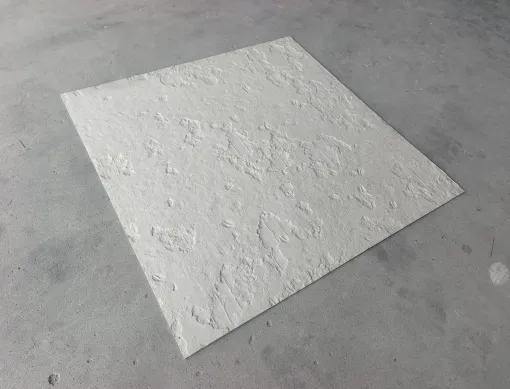
If you're nodding along, thinking, "That sounds like my worst nightmare," you're not alone. The good news? There's a material that's been quietly gaining traction in design circles, and it's about to change the game: Bali Stone. Part of the flexible stone family, Bali Stone is engineered to mimic the look and feel of natural stone—travertine's depth, marble's elegance, granite's texture—without the endless upkeep. But what exactly is it, and how does it stack up when it comes to maintenance costs?
Bali Stone is a composite material, crafted from natural stone particles blended with polymers and reinforced fibers. The result? A surface that's not only stunningly realistic (you'd swear it's the real thing) but also flexible, durable, and—most importantly—low-maintenance. Unlike natural stone, it's non-porous, meaning stains bead up on the surface instead of seeping in. It's resistant to scratches, heat, and moisture. And best of all, it's designed to be easy to care for, even for the busiest of households.
But don't just take my word for it. Let's talk numbers. When we compare Bali Stone to traditional natural stones like marble, granite, and even other alternatives like rust board or wood grain board, the difference in long-term maintenance costs is staggering.
| Material | Annual Sealing Required? | Cleaning Products Needed | Average Repair Cost per Incident | Expected Lifespan (Indoor Use) | Estimated 10-Year Maintenance Cost* |
|---|---|---|---|---|---|
| Bali Stone | No | Regular soap and water | $20–$50 (DIY patch kits) | 25+ years | $150–$300 |
| Marble | Yes (2x/year) | Specialized marble cleaner ($15–$25/bottle) | $300–$800 (professional repair) | 10–15 years | $3,500–$6,200 |
| Granite | Yes (1x/2 years) | Granite-safe cleaner ($12–$20/bottle) | $200–$500 (professional repair) | 15–20 years | $1,800–$3,200 |
| Rust Board | Yes (1x/year, anti-corrosion sealant) | Acid-free cleaner ($18–$30/bottle) | $150–$400 (corrosion repair) | 8–12 years | $2,200–$4,500 |
| Wood Grain Board | Yes (1–2x/year, wood sealer) | Wood-safe cleaner ($10–$20/bottle) | $100–$300 (warping/fading repair) | 7–10 years | $1,500–$2,800 |
*Estimates include sealing, cleaning products, and average repair costs. Does not include initial installation costs.
Let that sink in. Over 10 years, Bali Stone could cost you as little as $150 in maintenance—compared to $3,500 or more for marble. That's a savings of nearly $3,350. For a commercial space, like a restaurant with 500 square feet of stone surfaces, the savings could top $20,000 over a decade. That's money that could go toward new furniture, marketing, or even a well-deserved vacation for the business owner.
Meet Maria, owner of a cozy café in Portland, Oregon. When she opened her shop in 2020, she fell in love with the look of marble countertops. "I wanted that classic, upscale feel," she says. "But within six months, I was stressed. The baristas would spill milk, and it would stain if we didn't wipe it immediately. I was sealing the counters every six months, paying $250 each time, and buying $20 bottles of marble cleaner weekly. Then, one day, a customer dropped a mug, and it chipped the edge. The repair cost $400. I thought, 'There has to be a better way.'"
In 2021, Maria renovated her café and switched to Bali Stone. "At first, I was nervous it wouldn't look as nice," she admits. "But when the installers finished, I cried. It looked exactly like the marble I loved—same veining, same warmth—but the surface felt smoother, more durable." Three years later, she hasn't sealed the countertops once. She cleans them with regular dish soap and a sponge. And when a barista accidentally scraped the surface with a metal utensil? "I bought a $25 DIY repair kit online, followed the instructions, and you can't even tell there was a mark," she says. "In three years, my total maintenance cost has been $75—compared to the $1,800 I would've spent on marble. That's enough to hire an extra part-time employee during busy seasons."
You might be thinking, "Okay, Bali Stone sounds great, but what about other low-maintenance options? What about fair-faced concrete? Or flexible stone products from other brands?" It's a fair question—there are plenty of materials on the market claiming to be "natural stone alternatives." But when you dig deeper, most fall short in one key area: either they lack the aesthetic appeal of Bali Stone, or their maintenance costs creep up over time.
Rust board, with its industrial, weathered look, has become popular in modern design. But here's the catch: that "rust" is actually a protective coating, and over time, it can wear off—especially in high-moisture areas like bathrooms or kitchens. Once the coating fades, the underlying metal is exposed, leading to real corrosion. Suddenly, your "low-maintenance" rust board needs to be sanded, re-coated, or even replaced. A single re-coating job for a 100-square-foot wall can cost $500–$800, and you'll need to do it every 3–5 years. Bali Stone, on the other hand, has no metal components, so corrosion is never a concern.
Wood grain board is another popular alternative, offering the warmth of wood without the price tag of solid hardwood. But wood—even engineered wood—is prone to warping, fading, and water damage. In a humid climate, it can swell; in a dry climate, it can crack. You'll need to seal it annually with wood conditioner, and if it gets wet (say, from a leaky sink), you could be looking at mold growth. Bali Stone, with its moisture-resistant core, holds up in any climate—no warping, no fading, no mold. It's the best of both worlds: the look of organic texture without the perishability of real wood.
Fair-faced concrete has its place in minimalist design, but let's be honest: it's cold. It lacks the warmth and character of natural stone or Bali Stone. Plus, while it's durable, it's porous—meaning it still needs sealing every 2–3 years to prevent stains. And if it cracks (which concrete is prone to do over time), repairs are tricky and often visible. Bali Stone offers the same durability as concrete but with the added bonus of aesthetic versatility—you can choose from dozens of colors and textures, from earthy beiges to bold, starry blues, to match any design vision.
Maintenance costs aren't just about money—they're about time and peace of mind. Think about the last time you hosted a dinner party. Did you stress over guests spilling red wine on your natural stone table? Did you spend 20 minutes after the party scrubbing a water ring off your marble countertop? That's emotional energy you could've spent enjoying the company of friends or relaxing. With Bali Stone, that stress melts away.
Take Sarah, a homeowner in Chicago who installed Bali Stone in her kitchen three years ago. "Before, I had granite counters, and I was constantly on edge," she says. "My kids couldn't do homework at the kitchen table because I was scared they'd scratch the surface. Now? They do art projects there. We eat dinner without placemats. I wipe up spills with a wet cloth, and that's it. It's not just that I'm saving money—it's that I'm saving my sanity."
For businesses, the emotional cost translates to productivity. A hotel manager shouldn't have to spend hours inspecting marble floors for stains. A restaurant owner shouldn't lose sleep over a single spilled drink ruining a $1,000 countertop. Bali Stone frees up that mental space, letting people focus on what matters: creating beautiful, welcoming spaces, not maintaining them.
Bali Stone isn't just for cafes or hotels—it's for anyone who wants the beauty of natural stone without the hassle. Whether you're remodeling your kitchen, designing a home office, or building a commercial space, Bali Stone offers a balance of aesthetics and practicality that's hard to beat.
It's especially ideal for:
–
Busy families
: No time for endless sealing or specialized cleaning? Bali Stone fits right in.
–
High-traffic areas
: Hallways, entryways, commercial lobbies—Bali Stone holds up to heavy use.
–
Outdoor spaces
: Unlike natural stone, Bali Stone resists freeze-thaw damage, making it perfect for patios or pool surrounds.
–
Eco-conscious homeowners
: Bali Stone is often made from recycled materials, and its long lifespan means less waste over time.
At the end of the day, choosing building materials is about more than just looks—it's about investing in your future. Natural stone is undeniably beautiful, but its maintenance costs can turn that beauty into a burden. Bali Stone, with its low upkeep, durability, and stunning aesthetic, offers a smarter alternative. It's not just a material—it's a choice to spend less time worrying and more time enjoying the spaces you love.
So the next time you're dreaming of that perfect stone surface, ask yourself: Do I want to spend the next decade sealing, cleaning, and repairing? Or do I want to invest in something that will look as good in 10 years as it does today—without the bills piling up? For Maria, Sarah, and countless others, the answer was clear: Bali Stone isn't just a cost-saver. It's a life-saver.
Because in the end, the true value of a material isn't just in how it looks—it's in how it makes you feel. And with Bali Stone, that feeling is pure, unadulterated joy.
Recommend Products












