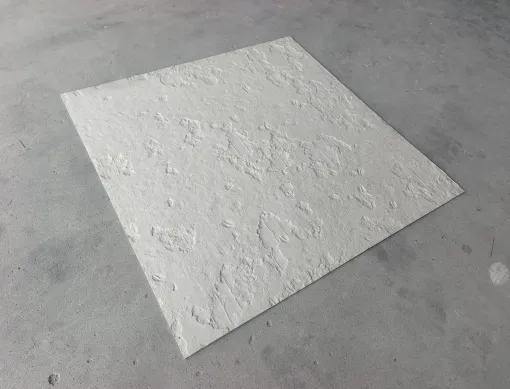
There's something almost magical about Bali Stone. Walk down a street lined with buildings clad in this material, and you'll notice how it catches the light—warm, earthy tones shifting from soft beiges to deep terracottas, with subtle veining that feels like a fingerprint from the earth itself. I've stood in front of cafes in coastal towns where the Bali Stone facade, weathered just right, looks like it's been there for a century, welcoming locals and travelers alike. I've visited boutique hotels where architects paired it with wooden accents, creating an oasis of calm that feels both modern and rooted in tradition. Bali Stone isn't just a building material; it's a statement. It says, "This space matters. It's built to last."
But here's the thing I've learned over years of working with stone facades: that timeless beauty isn't automatic. I've seen too many Bali Stone exteriors lose their luster—dull, stained, or pitted—because of one simple oversight: maintenance. It's easy to fall into the trap of thinking, "Stone is tough; it can handle anything." And while Bali Stone is durable, it's not invincible. Dust, rain, pollution, foot traffic, even the oils from human hands—all of these take a toll over time. The good news? With a little care, your Bali Stone facade can stay as stunning as the day it was installed, maybe even more so, as it develops a rich patina that only comes with age.
This guide isn't about complicated rituals or expensive tools. It's about common-sense habits, proactive care, and understanding your stone's needs. Whether you're a homeowner who just invested in a Bali Stone exterior, a business owner with a storefront that relies on curb appeal, or an architect advising clients, these tips will help you protect that investment. Let's start with the basics: why maintenance matters more than you might think.