

Walk into any modern architectural marvel or boutique hotel lobby, and you'll likely be struck by the warmth of natural stone underfoot or the elegance of a stone facade catching the light. There's something inherently timeless about stone—it connects us to the earth, evokes history, and adds a tactile richness that synthetic materials often struggle to replicate. Among the stars of this natural stone family is Bali Stone, a material celebrated for its soft, earthy textures and versatility in design. But for all its beauty, traditional stone has long posed a challenge: how to balance that organic charm with the durability and strength demanded by today's construction needs. Enter modified cementitious technology—a quiet revolution that's redefining what stone can be. In this article, we'll dive into the science behind this innovation, explore how it transforms Bali Stone from a delicate beauty to a robust workhorse, and discover why architects and designers are now reaching for materials like MCM flexible stone, travertine (starry green), and lunar peak silvery with newfound confidence.
Before we get into the tech, let's take a moment to appreciate Bali Stone itself. Named for its resemblance to the sun-dappled, weathered stone found on the Indonesian island of Bali, this material is a blend of natural minerals, aggregates, and binders that mimic the look of aged limestone, sandstone, or even travertine. It's prized for its warm, neutral tones—think soft beiges, warm grays, and subtle earthy hues—that complement both modern and traditional designs. Unlike raw natural stone, which can be heavy, porous, and prone to cracking, Bali Stone is often engineered to be lighter and more workable, making it a favorite for interior walls, accent pieces, and even exterior cladding. But here's the catch: traditional engineered stone formulas, while improving on raw stone in some ways, still fell short in one critical area—long-term strength. A beautiful facade is useless if it chips after a few years of rain, or a countertop that scratches under daily use. That's where modified cementitious technology steps in.
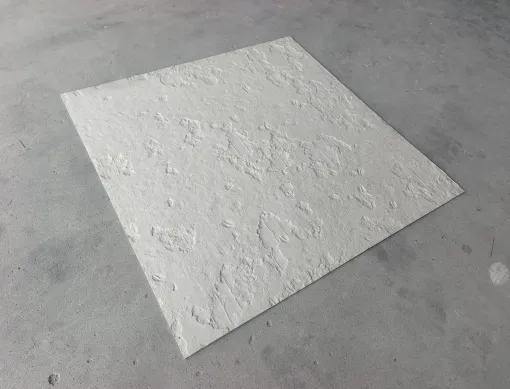
To understand why modified cementitious technology matters, let's first talk about the limitations of traditional stone materials—both natural and early engineered versions. Natural stone, like marble or granite, is incredibly strong in compression (think: supporting weight), but it's also brittle. A sharp impact or sudden temperature change can cause it to crack. It's also porous, meaning it absorbs water, which can lead to staining, freezing damage in cold climates, or even mold growth. Early engineered stones, which mixed natural aggregates with cement or resin binders, solved some of these issues—they were less porous and more uniform—but they often sacrificed flexibility. Imagine a thin stone panel on a building facade; if the building shifts slightly (as all structures do), a rigid material might crack. Plus, many early formulas relied on resins that could yellow over time or degrade under UV light, dulling the stone's appearance.
Designers and architects were stuck in a trade-off: choose a material that looked great but needed constant maintenance, or opt for something durable but lacking in aesthetic appeal. Bali Stone, with its focus on natural beauty, was especially vulnerable to this dilemma. Its soft texture and subtle color variations made it a design darling, but its traditional composition meant it wasn't always up to the rigors of high-traffic areas or harsh outdoor environments. Enter the scientists and material engineers who asked: What if we could keep the beauty of Bali Stone but make it stronger, more flexible, and longer-lasting? The answer lay in reimagining the "glue" that holds the stone together—the cementitious binder.
At its core, modified cementitious technology is about upgrading the binder in engineered stone. Traditional cement binders are made from Portland cement, water, and sometimes sand or gravel. They're strong, but they're also prone to shrinkage as they dry, which can create tiny cracks over time. Modified cementitious binders, however, are souped-up versions—infused with polymers, fibers, and chemical additives that transform their properties. Think of it like adding protein powder to a smoothie: the base is still there, but the added ingredients make it more powerful.
Let's break down the key components that make modified cementitious binders special:
When these components are combined in precise proportions, the result is a binder that's not just strong, but tough —able to bend without breaking, resist water and chemicals, and stand up to the wear and tear of daily life. And because the focus is on enhancing the binder, the natural beauty of the aggregates—like the shimmer of travertine (starry green) or the silvery sheen of lunar peak silvery—shines through unaltered.
The strength of modified cementitious Bali Stone isn't just about the ingredients—it's also about how they're put together. Modern manufacturing processes, often using techniques like MCM (Modified Composite Material) technology, take this binder and turn it into durable, lightweight panels. Here's a simplified look at how it works:
The result? A material that's up to 50% lighter than natural stone (making installation easier and reducing structural load on buildings) but with comparable or even higher strength. To put it in perspective: traditional engineered stone might have a flexural strength (resistance to bending) of around 8 MPa (megapascals), while modified cementitious Bali Stone can reach 12–15 MPa. That might sound like a small number, but in real-world terms, it means a thin panel can bend slightly under stress (like a strong wind on a facade) and snap back without cracking.
| Material Type | Flexural Strength (MPa) | Water Absorption (%) | Impact Resistance (J) |
|---|---|---|---|
| Natural Travertine | 6–8 | 3–5 | 2–3 |
| Traditional Engineered Stone | 8–10 | 1–2 | 3–4 |
| Modified Cementitious Bali Stone | 12–15 | 0.5–1 | 5–7 |
*Table: Comparative strength and durability properties (typical values; actual results may vary by product). Impact resistance measured in joules (J), where higher values indicate better resistance to chipping or cracking.
Numbers on a page are one thing, but how does modified cementitious Bali Stone perform in real buildings and spaces? Let's look at a few examples where this technology has made a tangible difference—featuring some of the materials you might recognize from the keyword list.
In Miami, Florida, a luxury boutique hotel wanted to stand out with a facade that felt both tropical and sophisticated. The design team chose travertine (starry green)—a variant of Bali Stone with subtle green mineral inclusions that shimmer like stars in sunlight. But Miami's hurricane season posed a problem: high winds, driving rain, and flying debris could damage traditional stone panels. Enter modified cementitious technology. The hotel's facade was clad in thin (just 12mm thick) travertine (starry green) panels treated with the modified binder. In 2022, Hurricane Ian hit the area with 150 mph winds. After the storm, inspectors found the facade unscathed—no cracks, no water intrusion, and the starry green shimmer still intact. The secret? The panels' flexibility allowed them to flex with the wind without breaking, while the waterproof binder prevented water from seeping in. "We were worried the stone might look worn after the storm," said the hotel's architect, "but it looked like it had just been installed. That's the power of this technology—you don't have to choose between beauty and resilience."
Airport terminals are brutal test labs for building materials. Thousands of passengers walking, rolling suitcases, spilling coffee—all while the space needs to look clean and welcoming. When a major international airport renovated its departures hall, designers chose lunar peak silvery, a Bali Stone variant with a cool, silvery-gray tone that reflects light, making the space feel brighter. Traditional stone flooring in airports often shows scratches and scuffs within a year, but the lunar peak silvery tiles, reinforced with modified cementitious technology, have held up for over three years with minimal wear. "We did regular inspections, and even in high-traffic areas near the gates, the tiles still look new," said the project's facilities manager. "The microfibers in the binder must be working—you can drag a metal suitcase across them, and there's no mark. It's saved us countless hours of maintenance."
Modern retail design often favors curved walls and organic shapes to create immersive experiences. But traditional stone is rigid—bending it to fit a curve usually means cutting small, wedge-shaped pieces and grouting them together, which can look disjointed. A high-end clothing store in Tokyo wanted a seamless curved accent wall using MCM flexible stone, a product line that leverages modified cementitious technology to create ultra-thin (6mm), bendable panels. The panels, which feature a wood-like texture (think: the warmth of wood line but with stone durability), were bent to a radius of just 60cm (about 2 feet) during installation. Two years later, the wall remains crack-free, even with the building's natural settling. "The flexibility of the material let us achieve the fluid design we wanted without compromising on strength," said the store's designer. "And because it's stone, it's easy to clean—no worrying about stains from customers leaning against the wall."
Sometimes, the best results come from combining materials. Take foamed aluminium alloy board (vintage silver), a lightweight, corrosion-resistant metal panel often used for cladding or decorative accents. When paired with modified cementitious Bali Stone—say, a facade with alternating sections of lunar peak silvery stone and vintage silver aluminium—the result is a building that's both striking and super-strong. The stone adds texture and warmth, while the aluminium provides structural support and a sleek contrast. In a recent office building in Singapore, this combination withstood not just heavy rain but also the city's high humidity, with no signs of degradation after five years. "It's a marriage of aesthetics and engineering," said the project engineer. "The stone's strength means we didn't need extra support brackets, and the aluminium's light weight kept the overall load low. It's a win-win."
While strength is the headline benefit of modified cementitious technology, it brings other perks that make Bali Stone even more appealing to designers, builders, and homeowners.
Traditional stone quarrying is resource-intensive, often producing large amounts of waste rock. Modified cementitious Bali Stone, by contrast, uses recycled aggregates (like crushed waste from natural stone processing) in its mix, reducing the need for new quarrying. The manufacturing process is also more energy-efficient than traditional stone cutting, as the material is formed into precise shapes in molds, minimizing cutting waste. Plus, because the stone is durable and long-lasting, buildings require fewer repairs and replacements over time, reducing their overall carbon footprint. For eco-conscious projects, this is a big selling point.
Thanks to its flexibility and moldability, modified cementitious Bali Stone can be shaped into almost any form—think 3D-printed decorative elements, custom relief patterns, or even sculptural pieces. The MCM 3D printing series takes this to the next level, allowing designers to create intricate textures and geometries that would be impossible with natural stone. Want a wall that looks like it's covered in flowing water? Or a countertop with a built-in, seamless basin? With this technology, it's possible. And because the material is lightweight, it can be used in applications where traditional stone would be too heavy—like ceiling panels or floating shelves.
At first glance, modified cementitious Bali Stone might cost more than basic engineered stone or vinyl siding. But when you factor in its longevity, low maintenance, and reduced installation costs (thanks to its light weight), it often works out cheaper over time. For example, a natural stone facade might need sealing every 1–2 years, costing hundreds of dollars per square meter. Modified cementitious stone, with its low porosity, might only need sealing every 5–10 years. Over the life of a building, those savings add up.
As modified cementitious technology continues to evolve, we can expect even more impressive advancements in Bali Stone and similar materials. Researchers are experimenting with self-healing binders that can repair small cracks on their own, using bacteria or microcapsules filled with healing agents. Others are exploring ways to integrate smart technology—like sensors embedded in the stone that monitor temperature, moisture, or structural stress, sending alerts if maintenance is needed. And as sustainability becomes even more critical, we'll likely see more use of recycled and bio-based materials in the binder, further reducing the environmental impact.
But perhaps the most exciting thing about this technology is that it doesn't just make stone stronger—it makes it more accessible. Designers no longer have to limit their creativity to materials that are "safe" or "practical." They can choose travertine (starry green) for a beachfront home, lunar peak silvery for a busy airport, or MCM flexible stone for a curved retail wall, knowing that beauty and strength can coexist.
Bali Stone has always been a material that captures the imagination—evoking the warmth of natural landscapes and the timelessness of stone. But with modified cementitious technology, it's become more than just a pretty face. It's a material that stands up to hurricanes, high heels, and the test of time. It's a material that lets architects dream bigger, designers create freely, and homeowners enjoy beauty without stress.
Whether you're admiring a travertine (starry green) facade glowing in the sun, running your hand along a smooth lunar peak silvery countertop, or marveling at the curves of an MCM flexible stone wall, remember: behind that beauty is a story of science and innovation. Modified cementitious technology hasn't just enhanced the strength of Bali Stone—it's redefined what stone can be. And in a world where we demand more from our materials than ever before, that's something worth celebrating.
Recommend Products












