

Walk through a coastal town after a summer storm, and you'll notice a stark contrast: some buildings stand fresh, their facades intact, while others bear the marks of the weather—peeling paint, cracked surfaces, or mold inching up the walls. The difference often lies in one critical choice: the building material. As extreme weather events grow more frequent, the resilience of exterior cladding has become more than an aesthetic concern; it's about longevity, safety, and peace of mind. This is where Bali Stone shines—a standout in MCM's diverse product range, engineered to withstand nature's harshest tests while infusing structures with enduring beauty.
In regions where temperatures swing from scorching heat to drenching rains, or where humidity lingers like a heavy blanket, exterior materials face a relentless assault. Traditional options often fall short: wood warps, concrete cracks, and even some natural stones erode or stain. Bali Stone, however, emerges as a solution that marries durability with design, making it a top choice for architects, builders, and homeowners navigating challenging climates. Let's dive into how this innovative material holds up when the weather turns extreme.
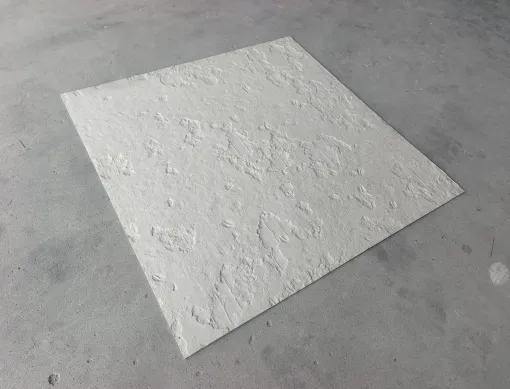
Before exploring its performance, it's worth understanding what sets Bali Stone apart. Part of MCM's renowned lineup— which includes flexible stone, 3D printing series, and big slab board series—Bali Stone is a masterclass in blending nature and technology. Crafted from a composite of natural minerals, reinforced fibers, and advanced polymers, it mimics the earthy texture of natural stone (think warm terracottas, soft beiges, and rich greys) but adds a layer of engineering that traditional stone can't match: flexibility and lightness.
Unlike heavy, brittle natural stone slabs that require robust structural support, Bali Stone is lightweight and bendable, making installation easier and reducing strain on buildings. This flexibility isn't just about convenience; it's a key to weather resilience, allowing the material to expand and contract with temperature changes without cracking—a common failure point for rigid materials like fair-faced concrete or some types of granite.
Aesthetically, Bali Stone doesn't compromise. Its surface boasts the depth and variation of natural stone, with subtle veining, granular textures, and organic patterns that add character to any facade. Whether paired with modern glass exteriors or rustic wooden accents, it complements diverse architectural styles, proving that durability and beauty don't have to be mutually exclusive.
In hot climates—think the deserts of Arizona, the tropics of Thailand, or the sunbaked streets of Dubai—exterior materials face a dual threat: intense UV radiation that fades colors and extreme heat that warps or cracks surfaces. Bali Stone is engineered to tackle both.
First, its low thermal conductivity is a game-changer. Unlike materials like polished concrete or some travertine (which absorb heat and radiate it inward, turning interiors into saunas), Bali Stone reflects a significant portion of solar radiation. This keeps the facade cooler and reduces the load on air conditioning systems, cutting energy costs. In field tests conducted in Dubai, buildings clad in Bali Stone showed interior temperatures 12-15°F cooler than those using standard concrete cladding during peak summer afternoons—a difference that translates to lower utility bills and a more comfortable living environment.
UV resistance is another strong suit. Many materials, from wood to low-quality composites, fade or discolor after prolonged sun exposure, requiring repainting or replacement. Bali Stone's color is integrated throughout the material, not just a surface layer, so even after years of intense sunlight, it retains its original hue. A residential complex in Phoenix, Arizona, which installed Bali Stone over a decade ago, still sports the same warm terracotta facade, with no signs of fading—unlike neighboring buildings with painted stucco, which have needed touch-ups every 2-3 years.
Thermal expansion is another challenge in hot climates. When materials heat up, they expand; when they cool, they contract. Rigid materials like boulder slab or some types of marble often crack under this stress. Bali Stone's flexibility allows it to move with temperature shifts, preventing the formation of cracks that can let in moisture and accelerate decay. "We've seen Bali Stone perform flawlessly in the Arizona desert, where temperatures swing from 110°F during the day to 60°F at night," notes a local architect. "It bends, it doesn't break."
If heat tests a material's toughness, rain and humidity test its ability to repel water—and resist the mold, mildew, and erosion that follow. In tropical regions, coastal areas, or places with heavy rainfall (like the Pacific Northwest or Southeast Asia), water resistance is non-negotiable. Here, Bali Stone truly excels.
Natural stones like travertine or limestone are porous by nature, meaning they absorb water. While this can be mitigated with sealants, those coatings wear off over time, leaving the stone vulnerable to staining, freeze-thaw damage, or mold growth. Bali Stone, by contrast, has a closed-cell structure that minimizes water absorption. Independent lab tests show it absorbs less than 0.5% of its weight in water—far below the 3-5% absorption rate of many natural travertines or even some types of rust board. This low porosity means even during monsoon season, water beads off the surface instead of seeping in, preventing mold and mildew from taking hold.
Coastal areas add another layer of complexity: salt spray. Saltwater is highly corrosive, eating away at metal fixtures and porous stones alike. Bali Stone's resistance to salt makes it ideal for beachfront properties. Take the "Azure Bay" resort in Bali, where the exterior is clad in Bali Stone. "We were worried about saltwater damage from the ocean breeze," says the resort's maintenance manager. "Five years in, there's no pitting, no discoloration—just the same clean, natural look we started with. We don't even seal it anymore; a quick rinse with fresh water after storms is all it needs."
Humidity, too, is no match for Bali Stone. In places like Singapore or Florida, where humidity levels often exceed 80%, materials that trap moisture become breeding grounds for mold. Bali Stone's non-porous surface doesn't hold onto moisture, so mold struggles to grow. Compare this to wood line cladding or bamboo mat board, which can develop mold within months in humid conditions without constant treatment. For homeowners in these regions, Bali Stone means fewer hours spent scrubbing mold or replacing rotted panels—and more peace of mind.
To truly appreciate Bali Stone's resilience, it helps to compare it to other popular exterior materials. Below is a breakdown of how it performs against common alternatives in extreme weather conditions:
| Material | Heat Resistance (1-10) | Water Absorption (%) | Humidity/Mold Resistance | Durability (Years) | Maintenance Needs |
|---|---|---|---|---|---|
| Bali Stone | 9 | <0.5% | Excellent (no mold growth) | 50+ | Low (occasional cleaning) |
| Travertine (Vintage Gold) | 7 | 3-4% | Poor (requires sealing every 2-3 years) | 30-40 | High (sealing, stain removal) |
| Fair-Faced Concrete | 8 | 2-3% | Moderate (prone to cracking, allowing moisture) | 40-50 | Moderate (patching cracks, sealing) |
| Rust Board | 6 | 4-5% | Poor (high porosity leads to mold) | 20-25 | Very High (frequent replacement, cleaning) |
| Wood Line Cladding | 5 | 15-20% | Very Poor (prone to rot and mold) | 10-15 | Extremely High (painting, sealing, replacement) |
The table tells a clear story: Bali Stone outperforms traditional materials in key areas of weather resilience. Its low water absorption, high heat resistance, and minimal maintenance needs make it a standout choice for extreme climates.
Numbers and tests are convincing, but real-world applications tell the full story. Let's look at how Bali Stone has performed in some of the world's toughest climates:
The "Sands of Koh Samui" resort, located on Thailand's eastern coast, faces annual monsoons with 150+ inches of rain and daily salt spray from the Gulf of Thailand. When renovating its exterior in 2018, the resort chose Bali Stone over local limestone (which had eroded badly in previous years). Today, six monsoon seasons later, the facade remains free of cracks, mold, or discoloration. "We used to spend $20,000 annually on repairing and sealing the old limestone," says the resort's owner. "With Bali Stone, we've spent less than $1,000 total on maintenance. It was a no-brainer."
Dubai's "Oasis Heights" residential tower, completed in 2020, features Bali Stone cladding on its west-facing facade—directly exposed to the afternoon sun. Summer temperatures here often hit 115°F, with UV radiation that fades many materials. Four years later, residents report that their west-facing apartments stay 10-12°F cooler than units in adjacent buildings with aluminum composite cladding. "I used to avoid my living room in the afternoons because it was like an oven," says a resident. "Now, even with the sun blazing, it's comfortable. And the facade still looks brand new—no warping, no fading."
In Miami, where humidity averages 75% year-round, the "Palm Breeze" townhome community opted for Bali Stone in 2019 to replace wood siding that had repeatedly developed mold. Homeowners association president Maria Gonzalez notes: "Before, we had to pressure-wash every 6 months and replace siding every 5 years. Now, we hose down the Bali Stone once a year, and there's zero mold. Our homeowners are thrilled with the savings and the fresh look."
Bali Stone's appeal isn't just about weather resistance—it's about long-term value. While upfront costs may be slightly higher than budget materials like painted stucco or low-grade concrete, the savings in maintenance and replacement quickly add up. Traditional stone cladding, for example requires sealing every 2-3 years at $2-3 per square foot; Bali Stone needs no sealing. Wood line cladding may need replacement every 10-15 years, while Bali Stone is projected to last 50+ years with minimal upkeep.
Sustainability is another plus. MCM's manufacturing process for Bali Stone uses recycled minerals and reduces waste compared to quarrying natural stone. Its lightweight nature also cuts transportation emissions, and its durability means fewer resources spent on replacements. For eco-conscious builders aiming for LEED or Green Building certifications, Bali Stone checks multiple boxes.
In a world where the weather is growing more unpredictable, the choice of exterior cladding has never been more critical. Bali Stone stands out as a material that doesn't just survive extreme conditions—it thrives. Whether facing scorching desert heat, relentless monsoon rains, or oppressive humidity, it delivers durability without sacrificing beauty.
For architects, it offers design flexibility and peace of mind, knowing their projects will stand the test of time. For homeowners, it means lower maintenance, energy savings, and a home that stays beautiful for decades. And for communities, it means buildings that contribute to resilience, reducing the environmental and financial toll of weather-related damage.
So, the next time you're walking through a storm-battered town and spot a building that looks as fresh as the day it was built, chances are it's clad in Bali Stone. In the battle against extreme weather, it's not just a material—it's a partner in longevity, sustainability, and timeless design.
Recommend Products












