

In the world of commercial architecture, every decision carries weight—literally and figuratively. Architects and developers don't just design buildings; they craft experiences, shape skylines, and create spaces that need to endure decades of foot traffic, weather, and shifting design trends. Yet, for too long, the industry has been stuck in a tug-of-war: How do you balance the raw beauty of natural materials with the practical demands of large-scale projects? How do you make a statement without sacrificing sustainability or blowing budgets? Enter the Bali Stone Project Board Series—a line of cladding solutions that's quietly redefining what's possible for commercial design.
At its core, Bali Stone isn't just about panels or finishes. It's about solving the (contradictions) that keep designers up at night. Walk into any modern office tower or luxury retail hub, and you'll see the telltale signs of these struggles: clunky stone facades that strain building structures, generic ceramic tiles that fade after a few years, or "sustainable" materials that compromise on aesthetics. Bali Stone was born from a simple question: What if a cladding system could be lightweight and durable? Timeless and on-trend? Eco-friendly and cost-effective?
The answer lies in its foundation: MCM Flexible Stone . Short for Modified Composite Material, this innovative base layers natural stone particles with high-performance polymers, creating a panel that's 70% lighter than traditional stone but just as tough. It's the kind of material that makes structural engineers breathe easier—no need for reinforced beams to support heavy slabs—and installers smile, too: panels cut like wood but stand up to rain, wind, and even the occasional rogue shopping cart.
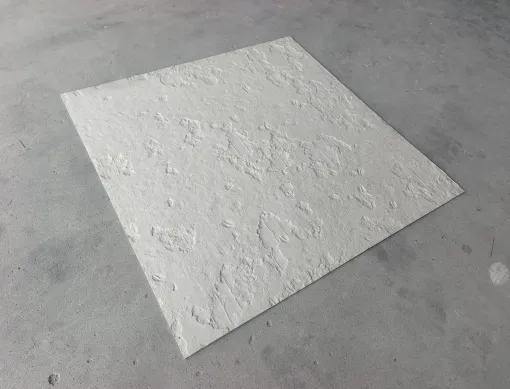
Imagine a 4x8-foot slab of stone that two people can carry with ease. That's Bali Stone. Traditional marble or granite panels often weigh 50–80 pounds per square foot; Bali Stone clocks in at just 12–15 pounds. This isn't just about making installation faster (though it does—we've heard crews finish jobs in half the time). It's about opening up design possibilities: think cantilevered facades, vertical gardens, or curved walls that would be impossible with heavier materials. And don't mistake lightness for weakness: these panels are scratch-resistant, fire-retardant, and rated to last 50+ years outdoors.
Commercial design isn't one-size-fits-all, and neither is Bali Stone. The series draws from a rich library of finishes, blending natural textures with modern versatility. For developers chasing a warm, organic feel, there's Travertine (Starry Green) —a finish that mimics the look of ancient travertine but with a subtle, star-like sparkle in its pores, adding depth to lobbies or hotel exteriors. For projects leaning into industrial chic, Fair-Faced Concrete offers that raw, unpolished aesthetic without the hassle of traditional concrete's weight or cracking issues.
And for those who crave scale, the MCM Big Slab Board Series delivers panels up to 10 feet tall and 4 feet wide—minimizing seams and creating a seamless, monolithic look that turns ordinary walls into statement pieces. Whether you're designing a tech campus in Silicon Valley or a boutique mall in Dubai, there's a finish here that doesn't just "fit" the vibe—it elevates it.
These days, "green building" isn't a trend—it's a requirement. Clients demand it, codes mandate it, and frankly, it's the right thing to do. Bali Stone checks every box: the MCM Flexible Stone base uses 60% recycled materials, including reclaimed stone dust and post-industrial polymers. Its lightweight design also slashes transportation emissions (fewer trucks needed to haul panels) and reduces the need for heavy machinery during installation, cutting on-site carbon footprints. Even better? These panels are 100% recyclable at the end of their lifecycle, closing the loop on waste.
| Feature | Bali Stone Project Board | Traditional Natural Stone | Standard Ceramic Tiles |
|---|---|---|---|
| Weight (per sq. ft) | 2.5–3 lbs | 15–25 lbs | 5–7 lbs |
| Installation Time (100 sq. ft) | 2–3 hours | 8–10 hours | 4–5 hours |
| Water Absorption Rate | <0.5% | 2–5% | 3–6% |
| Sustainability | 60% recycled materials, fully recyclable | High quarrying impact, non-recyclable | High firing energy use, limited recyclability |
| Design Flexibility | Curved surfaces, large slabs, custom finishes | Heavy, limited to flat/straight applications | Small format, limited texture options |
Numbers tell part of the story, but real impact lives in the spaces themselves. Let's walk through a few scenarios where Bali Stone has made a tangible difference:
Urban Office Towers: A mid-rise office in Chicago recently swapped traditional granite cladding for Bali Stone's Lunar Peak Black finish. The result? The building's structural load decreased by 30%, allowing the architect to add an extra floor of leasable space. Tenants now rave about the lobby's sleek, uniform look—no more uneven seams or fading from harsh winters.
Hospitality Spaces: A boutique hotel in Bali (fittingly) used Travertine (Starry Green) on its exterior and Bali Stone Wood Grain Board in guest rooms. The local stone masons, initially skeptical of "engineered" materials, were shocked by how easy the panels were to cut and install—finishing the project two weeks ahead of schedule. Guests, meanwhile, can't get enough of the Starry Green's natural texture, which blends seamlessly with the hotel's tropical surroundings.
Retail Malls: A shopping center in Texas opted for the MCM Big Slab Board Series in Fair-Faced Concrete for its food court walls. The large, seamless slabs hide scuffs from busy weekends, and the material's heat resistance means it stays cool even in the summer sun—no more uncomfortable seating areas for shoppers.
At the end of the day, commercial projects come down to three things: time, money, and results. Bali Stone delivers on all three. Take installation, for example: a crew of four can install 500+ square feet of Bali Stone in a day, compared to 150–200 square feet with traditional stone. That speed translates to lower labor costs and fewer delays—a win for developers watching tight construction timelines.
Then there's the long-term value. A property manager in Miami once told us, "With our old ceramic tiles, we were redoing the lobby every 7 years. Bali Stone's been up for 12, and it still looks brand new." That durability means fewer maintenance headaches and higher tenant retention—two things that keep asset values high.
But perhaps the biggest sell? Freedom. Architects no longer have to compromise on vision. Want a curved wall in the shape of a wave? The flexible MCM base bends without cracking. Dream of a facade that shimmers like starlight? Travertine (Starry Green) or Lunar Peak Silvery can make it happen. As one architect put it, "Bali Stone doesn't just give you materials—it gives you permission to be bold."
The next decade of commercial architecture will be defined by two trends: biophilic design (bringing nature indoors) and modular construction. Bali Stone fits both like a glove. Its natural textures—think the rough-hewn look of Rammed Earth Board or the organic patterns of Wood Grain Board—feed our innate desire to connect with the outdoors, even in urban environments. And its modular, lightweight panels align perfectly with the push for faster, more efficient building methods.
As codes get stricter and clients more discerning, materials that check all the boxes—beauty, durability, sustainability—will rise to the top. Bali Stone isn't just keeping up with that shift; it's leading it. It's a reminder that in commercial design, you don't have to choose between form and function. You can have both.
Commercial buildings are more than steel and concrete—they're legacies. They're the backdrops to business deals, first dates, and everyday moments that make cities feel alive. Bali Stone Project Board Series understands that. It's not just engineered to withstand the elements; it's engineered to stand the test of time—both as a material and as a design choice.
So, to the architects sketching the next skyline, to the developers breaking ground on tomorrow's landmarks: The next time you're stuck in that tug-of-war between beauty and practicality, remember Bali Stone. It's not just a product. It's a partner in building something that matters.
Recommend Products












