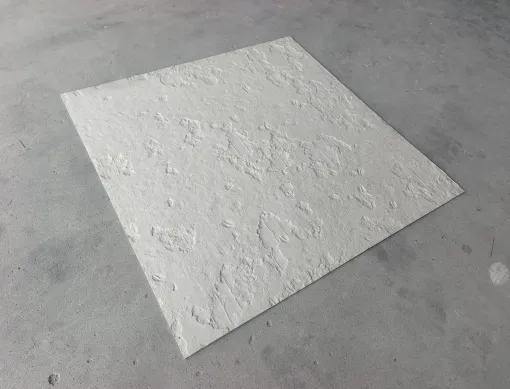
Imagine a construction site in downtown Chicago, where a team is trying to install a shipment of traditional marble slabs for a luxury hotel lobby. The marble, dense and heavy, arrives on a fleet of trucks—each carrying only a fraction of the load they could handle if the material were lighter. The crane operator winces as they lift each 80kg slab, careful not to exceed the building's weight limits. Two workers strain to guide it into place, their gloves gripping tightly to avoid slippage. By the end of the day, they've installed just 10 square meters, and the project manager is already calculating overtime. Sound familiar? For decades, the construction industry has accepted heavy materials like marble, granite, and even some concrete variants as the gold standard for durability and aesthetics. But what if we told you that "heavy = better" is a myth—one that's costing builders, developers, and ultimately homeowners millions in hidden expenses?
Transportation and installation are the silent budget killers in construction. When materials weigh more, you need bigger trucks, more fuel, and specialized equipment to move them. On-site, heavier materials demand more labor, longer installation times, and sometimes even reinforced structural support to bear their weight. A 2023 study by the Construction Industry Research Board found that transportation costs for traditional stone materials can account for up to 18% of a project's total material budget, while installation labor adds another 25%. For large-scale projects—think shopping malls, office towers, or hotel complexes—these numbers quickly spiral into six or seven figures. And that's before accounting for delays: a single cracked slab during transport or a slow installation process can set a project back weeks, incurring penalties and lost revenue.
The problem isn't just about money, either. Heavy materials limit design possibilities. Architects often have to scale back ambitious plans because the building's structure can't support the weight of the chosen cladding. Historic buildings, in particular, suffer—their aging frameworks can't handle modern stone's heft, forcing owners to choose between preserving the structure or achieving the desired look. It's a lose-lose scenario that has plagued the industry for far too long.