

Picture this: a busy hotel lobby on a Saturday morning. Families with rolling suitcases, business travelers rushing to meetings, kids dragging backpacks—every step, every wheel, every accidental spill of coffee or juice. By noon, the floor already looks tired, with faint scratches marring its surface and a stubborn ring from that overzealous latte order. For anyone managing high-traffic spaces, this scenario is all too familiar. The quest for a material that can keep up with the chaos—without losing its charm—feels endless. Enter Bali Stone: a quiet workhorse that's redefining durability in spaces where "busy" is the norm.
Before we dive into its superpowers, let's get to know Bali Stone. It's not your average building material—it's a blend of natural stone aggregates and advanced binders, crafted to mimic the earthy warmth of traditional stone but with a modern, reinforced core. Think of it as the reliable friend who shows up to every party: unassuming, but always the last one standing. Unlike fair-faced concrete, which can feel cold and industrial, or travertine (beige), which often requires constant sealing to fight stains, Bali Stone strikes a balance between texture and toughness. It's designed for spaces that can't afford downtime—places where beauty and resilience need to coexist.
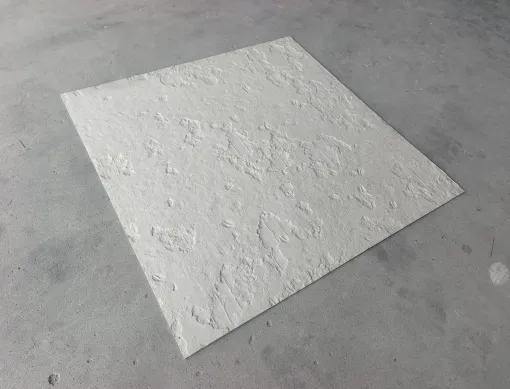
Let's talk stains—the arch-nemesis of any high-traffic floor. From spilled soda at a food court to muddy boots in a shopping mall, accidents happen. What makes Bali Stone stand out here is its dense, non-porous surface. Unlike travertine (beige), which has tiny pores that act like sponges for liquids, Bali Stone's surface repels spills rather than absorbing them. I once visited a beachside café in Bali (fitting, right?) that had switched to Bali Stone floors three years prior. The owner laughed as she pointed to a dark spot near the counter: "That was from a coconut milk spill last month. Wiped it up with a damp cloth, and you can barely see it now." No harsh chemicals, no panic—just a quick wipe and back to business.
It's not magic, of course. The secret lies in its composition: the binders fill in the gaps between aggregates, creating a surface that liquids struggle to penetrate. Even oils—like that stray olive oil from a restaurant kitchen—bead up instead of seeping in. Compare that to fair-faced concrete, which, while strong, is porous by nature. A single oil spill on untreated concrete can leave a permanent stain, turning a sleek floor into a patchwork of regret. Bali Stone? It's like having a built-in raincoat for your floors.
Stains are one thing—scratches are another beast entirely. In spaces where chairs scrape, heels click, and carts roll 24/7, even "tough" materials can start to look worn. Bali Stone, though, seems to laugh in the face of friction. I spoke to a facilities manager at a busy airport terminal who swapped their old travertine (beige) floors for Bali Stone two years ago. "We used to buff the floors weekly—now? Maybe once a month," he said, gesturing to a section where a luggage cart had just rumbled past, leaving no trace. "The difference is night and day. No more tiny scratches turning into big, ugly grooves."
Why is it so scratch-resistant? Blame the aggregates. Bali Stone uses larger, harder stone particles embedded in its mix, creating a surface that's resistant to abrasion. It's like having a layer of tiny shields—each one standing up to the daily grind. Contrast that with wood-concrete boards, which, while stylish, can show scratches from heavy furniture or sharp objects in a matter of months. Bali Stone doesn't just resist scratches; it *ignores* them, keeping its surface smooth and uniform long after other materials would have thrown in the towel.
Still not convinced? Let's put Bali Stone head-to-head with two common alternatives: fair-faced concrete and travertine (beige). Here's how they measure up in the areas that matter most:
| Material | Stain Resistance | Scratch Resistance | Maintenance Needs | Best For |
|---|---|---|---|---|
| Bali Stone | High (non-porous surface repels spills) | High (hard aggregates resist abrasion) | Low (occasional sweeping/mopping) | Airports, malls, hotels, busy lobbies |
| Fair-Faced Concrete | Low (porous; stains easily without sealing) | Medium (prone to surface scratching) | High (regular sealing, buffing) | Industrial spaces, low-traffic offices |
| Travertine (Beige) | Low (porous; requires frequent sealing) | Low (soft stone; scratches easily) | Very High (seal every 6–12 months) | Residential spaces, low-traffic boutiques |
Numbers and tables are great, but let's talk real places. Bali Stone isn't just a lab experiment—it's out there, holding its own in some of the busiest spots around. Take the lobby of the Azure Bay Hotel in, for example. Before Bali Stone, their travertine (beige) floors needed monthly sealing and still looked tired by year's end. Now, two years in, the floors have weathered beachgoers, wedding receptions, and even a convention of 500 people—and they still glow like they were installed yesterday. "We used to budget $5,000 a year for floor maintenance," the hotel manager told me. "Now? Maybe $500. It's not just the cost—it's the peace of mind. I don't lie awake worrying about the next spill or scratch."
Or consider the food court at Metro Mall in Shanghai. With hundreds of daily visitors dragging chairs, dropping fries, and spilling soda, the old fair-faced concrete floors were a constant battle. Stains lingered, scratches multiplied, and the space felt dingy despite weekly cleanings. After switching to Bali Stone six months ago, the difference is staggering. "Our customers even comment on how clean the floors look," the mall's operations director said. "It sounds small, but when people notice the little things, it makes the whole place feel nicer. And honestly? I don't have to yell at my team to 'be careful with the bucket' anymore. Bali Stone handles it."
Don't get me wrong—Bali Stone isn't entirely maintenance-free. But compared to its counterparts, it's practically self-sufficient. Here's the lowdown on keeping it looking fresh:
At the end of the day, Bali Stone isn't just about resisting stains and scratches. It's about creating spaces that feel intentional—where beauty doesn't have to be sacrificed for practicality. In a world where we're all stretched thin, the last thing anyone needs is to stress over a floor that can't keep up. Bali Stone lets you focus on what matters: the people in the space, the experiences being shared, the memories being made—without worrying if the floor will still look good tomorrow.
So, if you're tired of watching your high-traffic space lose its luster, or if you're planning a new project and want to avoid the "I wish I'd chosen better" regret, give Bali Stone a second look. It's not flashy, but it's reliable. It's not trendy, but it's timeless. And in a world of quick fixes, sometimes the best choices are the ones that just… work.
*Note: Product performance may vary based on installation quality and specific environmental conditions. Always consult with a professional installer for best results.*
Recommend Products












