Ever stepped into a home on a sweltering summer afternoon and immediately felt like you'd walked into an oven? Or shivered through a winter morning, wrapped in layers, because the walls felt as cold as the air outside? If so, you're not alone. For decades, buildings—whether homes, offices, or commercial spaces—have struggled with a fundamental challenge: balancing comfort with energy efficiency. We crank up the AC, blast the heater, and watch as our energy bills climb, all while knowing there's a better way to keep our spaces comfortable without draining resources. That's where materials like
Bali stone come into play. More than just a pretty face in the world of architecture,
Bali stone is quietly revolutionizing how we think about thermal insulation in buildings. Let's dive into how this unassuming material is changing the game, one energy-efficient wall at a time.
The Hidden Cost of Poor Thermal Insulation
Before we get into what makes
Bali stone special, let's talk about why thermal insulation matters in the first place. Think about your home's walls, roof, and floors as its "skin." If that skin is thin or porous, heat moves through it easily—from the hot outside in summer, and from the warm inside out in winter. The result? Your HVAC system works overtime to maintain a comfortable temperature, and you foot the bill. According to the U.S. Department of Energy, heating and cooling account for nearly 50% of the average household's energy use. In commercial buildings, that number can be even higher, especially in large spaces with high ceilings and extensive glass facades.
But it's not just about cost. Poor insulation also affects comfort. Ever noticed how a room with concrete walls feels icy in winter, even with the heater on? Or how a stone-clad exterior radiates heat into a room during a heatwave? These are signs of thermal bridging—when heat (or cold) bypasses insulation and flows directly through materials with high thermal conductivity. Over time, this leads to uneven temperatures, drafts, and that constant feeling that your space is never quite "right." And let's not forget the environmental impact: more energy use means more greenhouse gas emissions, contributing to climate change. It's a cycle we've been stuck in for too long, relying on traditional materials that prioritize durability or aesthetics over efficiency.
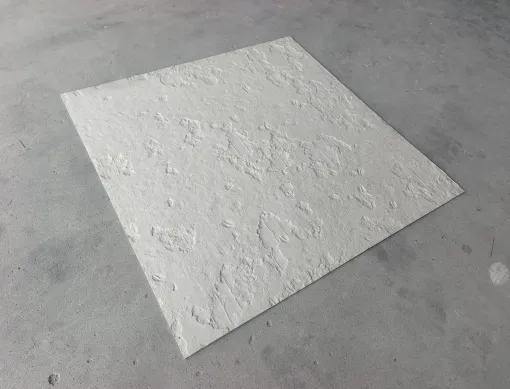
Now, let's meet the star of the show:
Bali stone. You might have heard the name tossed around in architectural circles, but what exactly is it?
Bali stone is part of a broader category of innovative building materials known as flexible stone, a type of modified composite material designed to mimic the look and feel of natural stone while offering enhanced performance properties. Unlike rigid, heavy natural stone slabs,
Bali stone is lightweight, thin, and surprisingly flexible—think of it as stone with a "give," making it easier to install on curved surfaces or uneven walls.
But
Bali stone isn't just a one-trick pony. It's part of the
MCM big slab board series, a line of building panels manufactured using advanced processes that combine natural minerals, polymers, and reinforcing fibers. This blend creates a material that's not only durable and weather-resistant but also boasts impressive thermal insulation capabilities. And here's the kicker: it looks just like natural stone. Whether you prefer the earthy tones of
travertine, the sleekness of marble, or the rustic charm of wood grain,
Bali stone can be crafted to match a wide range of aesthetics. It's the best of both worlds: the beauty of natural materials with the performance of modern engineering.
The Science Behind Bali Stone's Thermal Superpowers
So, what makes
Bali stone such a rockstar (pun intended) at insulating buildings? Let's break it down. Thermal insulation is all about slowing down heat transfer, and that starts with a material's thermal conductivity—a measure of how well it conducts heat. The lower the thermal conductivity (measured in W/m·K), the better the insulation. Traditional natural stone, for example, has a thermal conductivity of around 1.5–3.0 W/m·K, which means heat passes through it relatively easily. Concrete, another common building material, isn't much better, with values ranging from 1.2 to 2.5 W/m·K.
Bali stone, on the other hand, flips the script. Thanks to its composite structure, which includes tiny air pockets and insulating polymers, its thermal conductivity hovers around 0.15–0.3 W/m·K—up to 20 times lower than traditional stone. That's a huge difference. Those air pockets act like mini barriers, trapping heat (or cold) and preventing it from moving through the material. It's like wrapping your building in a blanket made of stone—cozy, but durable.
But there's more to it than just conductivity.
Bali stone's flexibility also plays a role in its insulation performance. Unlike rigid materials that can develop gaps during installation (which let heat seep through),
Bali stone conforms to surfaces, creating a tighter seal. This reduces air leakage, another major contributor to energy loss. Think of it as the difference between using a rigid foam board with gaps around the edges versus a flexible membrane that hugs every curve—
Bali stone leaves fewer opportunities for heat to escape.
How Does Bali Stone Stack Up Against Traditional Materials?
To really understand
Bali stone's impact, let's compare it to some common building materials. Below is a breakdown of key properties that matter for thermal insulation, comfort, and practicality:
|
Material
|
Thermal Conductivity (W/m·K)
|
Weight (kg/m²)
|
Installation Ease
|
Environmental Impact
|
|
Bali Stone (Flexible Stone)
|
0.15–0.3
|
8–12
|
High (flexible, lightweight, can be cut on-site)
|
Low (recyclable materials, low embodied energy)
|
|
Fair-Faced Concrete
|
1.2–2.0
|
200–240
|
Low (heavy, requires specialized labor)
|
High (high carbon footprint from cement production)
|
|
Traditional Natural Stone (Granite/Marble)
|
1.5–3.0
|
40–60
|
Medium (rigid, heavy, requires precise cutting)
|
Medium (quarrying impacts ecosystems, high transport emissions)
|
|
Wood Grain Board (Traditional)
|
0.1–0.2
|
10–15
|
Medium (prone to warping, requires sealing)
|
Variable (depends on sourcing; may contribute to deforestation)
|
|
Foamed Aluminium Alloy Board (Vintage Silver)
|
0.08–0.12
|
5–8
|
High (lightweight, corrosion-resistant)
|
Medium (aluminum production is energy-intensive)
|
Let's unpack this table. First, thermal conductivity:
Bali stone's range of 0.15–0.3 W/m·K puts it in the same league as some insulation materials, while traditional stone and
fair-faced concrete lag far behind. That means a wall clad in
Bali stone will transfer heat at a fraction of the rate of a concrete or granite wall.
Then there's weight. At 8–12 kg/m²,
Bali stone is significantly lighter than traditional stone (40–60 kg/m²) and exponentially lighter than
fair-faced concrete (200–240 kg/m²). This light weight reduces the load on a building's structure, making it suitable for retrofits and older buildings that can't support heavy materials. It also makes installation faster and cheaper—no need for cranes or specialized lifting equipment when workers can carry panels by hand.
Installation ease is another win.
Bali stone's flexibility means it can be installed on curved walls, columns, or even ceilings without cracking. Traditional stone, by contrast, is rigid and brittle, requiring precise measurements and expert cutting to avoid breakage. And while
wood grain board has good insulation, it's prone to warping, rotting, or pest damage, which limits its lifespan.
Bali stone, being a composite, resists moisture, mold, and pests, making it a longer-lasting option.
Finally, environmental impact.
Bali stone is part of the
green building materials movement, with many manufacturers using recycled content and low-energy production processes. Compare that to
fair-faced concrete, which relies on cement—a material responsible for about 8% of global CO₂ emissions. Traditional stone quarrying also has significant environmental impacts, from habitat destruction to water pollution.
Bali stone offers a way to get the look of natural stone without the ecological cost.
Real-World Impact: Case Studies of Bali Stone in Action
Case Study 1: Residential Complex in Barcelona, Spain
In 2023, a residential developer in Barcelona set out to build a 12-story apartment complex with sustainability at its core. The goal was to meet EU energy efficiency standards (nearly zero-energy buildings) while maintaining a modern, Mediterranean aesthetic. After evaluating materials, the team chose
Bali stone for the exterior cladding, paired with
MCM big slab board series panels for the interior walls.
The results were striking. Post-construction, energy audits showed that the building's heating and cooling costs were 35% lower than comparable complexes in the area. Residents reported more consistent indoor temperatures—no more hot spots near south-facing windows or cold corners in north-facing rooms. One tenant, Maria, a teacher who lives on the top floor, noted, "Last summer, I barely used my AC. Even on 35°C days, the apartment stayed cool. It's like the walls are working for me, not against me."
The developer also saved on construction costs:
Bali stone's lightweight nature reduced the need for structural reinforcements, and faster installation cut labor time by 20%. "We were worried about the upfront cost of a 'new' material," said project manager Carlos Mendez, "but the savings in energy and labor paid off within the first year."
Case Study 2: Office Renovation in Dubai, UAE
Dubai's desert climate is brutal for buildings—summer temperatures regularly top 45°C, and air conditioning is a necessity. When a multinational tech company decided to renovate its 1990s-era office building in downtown Dubai, they prioritized reducing energy use and improving employee comfort. The original building had
fair-faced concrete walls, which absorbed heat during the day and radiated it into the offices long after sunset.
The renovation team opted to retrofit the exterior with
Bali stone cladding, adding a layer of insulation between the existing concrete and the new stone panels. The difference was immediate. Before the renovation, the building's monthly energy bill averaged AED 85,000 (around $23,000). Six months after completion, that number dropped to AED 52,000 ($14,150)—a 39% reduction. Employees reported feeling more productive, with fewer complaints about "stuffy" meeting rooms or "freezing" open workspaces.
"We thought we'd have to sacrifice the building's industrial look for efficiency," said Sarah Al-Mansoori, the company's facilities director. "But
Bali stone came in a finish that matched our original concrete aesthetic—no one even noticed the change, except in the bills."
Beyond Insulation: Bali Stone's Other Perks
While thermal insulation is
Bali stone's standout feature, it offers other benefits that make it a favorite among architects and builders. Let's start with aesthetics.
Bali stone is available in a wide range of finishes, from the warm, earthy tones of "
travertine (starry green)" to the sleek, modern look of "
lunar peak silvery." Whether you're designing a coastal home that needs to blend with sand and surf or an urban office aiming for an industrial vibe, there's a
Bali stone finish to match. And because it's a composite, the color and texture are consistent across panels—no more worrying about natural stone's variability.
Durability is another plus.
Bali stone is resistant to UV radiation, so it won't fade in the sun. It's also water-resistant, making it suitable for humid climates or areas with heavy rainfall. Unlike wood, it doesn't rot; unlike metal, it doesn't rust. And because it's flexible, it can withstand minor structural movements (like those caused by temperature changes or settling) without cracking—a common issue with rigid stone or concrete.
Maintenance is a breeze, too. A simple wash with soap and water is usually enough to keep
Bali stone looking new. No need for sealing, polishing, or specialized cleaners. This low-maintenance aspect is a big selling point for commercial buildings, where upkeep costs can add up quickly. Imagine a hotel with a
Bali stone facade—no more scheduling expensive pressure washing or re-sealing every few years.
Bali Stone and the Future of Green Building
As the world shifts toward sustainable construction,
green building materials like
Bali stone are becoming more than just a trend—they're a requirement. Governments around the globe are tightening energy efficiency standards, with many cities mandating that new buildings meet strict LEED, BREEAM, or WELL certifications. These certifications reward buildings that reduce energy use, minimize waste, and improve indoor air quality.
Bali stone checks all these boxes.
For example, LEED (Leadership in Energy and Environmental Design) awards points for materials with low embodied energy, recycled content, and regional sourcing. Many
Bali stone manufacturers source raw materials locally and use recycled polymers in their composites, helping projects earn those valuable points. In places like California, where wildfires are a growing concern,
Bali stone's fire resistance (it's non-combustible) adds another layer of sustainability by reducing fire risk and insurance costs.
But it's not just about meeting regulations. Builders and developers are discovering that green materials like
Bali stone can be a marketing tool. Homebuyers and tenants are increasingly prioritizing energy efficiency, willing to pay a premium for spaces that promise lower utility bills and a smaller environmental footprint. A 2022 study by the National Association of Home Builders found that 60% of homebuyers would pay more for a home with high-quality insulation and energy-efficient materials.
Bali stone offers a way to deliver on that demand while keeping construction costs in check.
Challenges and Considerations
Of course, no material is perfect, and
Bali stone has its considerations. One potential drawback is upfront cost. While
Bali stone saves money in the long run through lower energy bills and maintenance, its initial price per square meter is often higher than traditional stone or concrete. For budget-conscious projects, this can be a barrier. However, as demand grows and manufacturing scales, prices are expected to come down—much like solar panels or LED lights, which were once expensive but are now mainstream.
Another consideration is installation expertise. While
Bali stone is easier to install than traditional stone, it still requires trained professionals who understand how to handle flexible materials. Improper installation—like leaving gaps between panels or using the wrong adhesive—can reduce its insulation performance. Builders need to invest in training or hire contractors with experience in composite cladding systems.
Finally, availability. While
Bali stone is gaining traction in Europe, North America, and parts of Asia, it's still less widely available than traditional materials in some regions. This can lead to longer lead times or higher shipping costs for projects in remote areas. However, as more manufacturers enter the market, distribution networks are expanding, making
Bali stone increasingly accessible.
The Bottom Line: Bali Stone as a Building Block for the Future
As we face the dual challenges of rising energy costs and climate change, the materials we use to build our spaces matter more than ever.
Bali stone isn't just a new product—it's a shift in mindset: a recognition that buildings can be both beautiful and efficient, durable and sustainable. Its thermal insulation properties alone make it a game-changer, but when combined with its flexibility, durability, and aesthetic versatility, it's clear that
Bali stone is here to stay.
So, the next time you're in a building that feels comfortably cool on a hot day or cozy warm on a cold night, take a closer look at the walls. It might just be
Bali stone at work—quietly saving energy, reducing costs, and proving that when it comes to building materials, innovation and sustainability can go hand in hand. The future of construction isn't just about building bigger or taller; it's about building smarter. And with
Bali stone leading the way, that future looks brighter (and more energy-efficient) than ever.














