

In the world of modern architecture, where innovation meets tradition, there's a quiet revolution happening in how we clothe our buildings. It's not just about concrete and steel anymore—designers and architects are craving materials that tell a story, that bring the warmth of nature into the sleek lines of contemporary spaces. Enter Bali stone slabs: a material that feels less like a construction supply and more like a collaborator in crafting environments that breathe. Soft yet sturdy, earthy yet refined, these slabs have become a go-to for projects that aim to balance aesthetics with functionality. But what truly sets them apart? Let's dive into their sizing options, design flexibility, and why they're becoming a staple in the toolkit of forward-thinking creators.
One of the first things that strikes you about Bali stone slabs is their versatility in size. Unlike rigid traditional stones that limit creativity, these slabs are engineered to adapt to the unique demands of each project. Whether you're dreaming of a seamless, floor-to-ceiling wall in a minimalist home or intricate detailing on a boutique café facade, there's a size that fits. Let's break down the common options and how they translate to real-world applications:
| Thickness | Standard Dimensions | Common Applications | Key Advantage |
|---|---|---|---|
| 10mm | 1200x2400mm, 1500x3000mm | Interior accent walls, backsplashes, furniture tops | Lightweight; ideal for vertical installations where weight is a concern |
| 20mm | 1800x3600mm, 2000x4000mm | Residential facades, outdoor patios, commercial lobby floors | Balances durability and manageability; suits both indoor and sheltered outdoor use |
| 30mm | 2000x4000mm, 2400x4800mm | High-traffic commercial floors, exterior cladding for high-rises, pool surrounds | Maximum strength; withstands heavy foot traffic and harsh weather |
| Custom (5mm–50mm) | Tailored to project specs (e.g., 800x800mm for mosaic patterns, 3000x6000mm for grand lobbies) | Art installations, curved surfaces, heritage building restorations | Unmatched flexibility; designed to fit unique architectural features |
What's particularly exciting is how these sizes align with modern construction trends. For instance, the 20mm slabs in 2000x4000mm dimensions have become a favorite for residential facades , where homeowners want the look of natural stone without the structural strain of heavier materials. Meanwhile, the 10mm thin slabs are a hit in boutique hotels, where designers use them to clad ceilings or create floating shelves that feel airy yet grounded.
But size isn't just about measurements—it's about possibility. Imagine a restaurant owner who wanted a focal wall that felt like a continuous slab of stone, unbroken by seams. With custom 3000x6000mm slabs (yes, they can go that big), the installer achieved a seamless look that makes diners feel like they're dining inside a canyon of earthy warmth. That's the power of size tailored to vision.
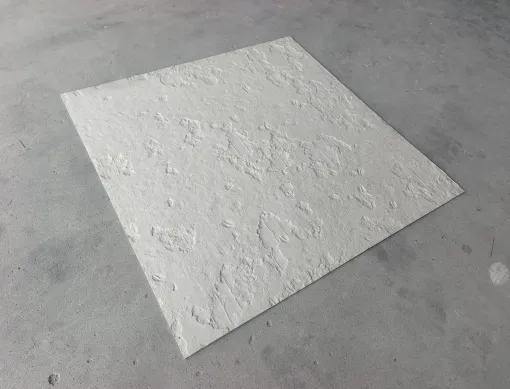
If sizing is the backbone, design flexibility is the soul of Bali stone slabs. These aren't one-note materials—they come in a spectrum of textures, colors, and finishes that let creativity run wild. Let's start with texture: think of the soft, pitted surface of travertine (beige) meets the smooth flow of river-worn stone, with hints of wood grain board warmth woven in. It's a tactile experience that invites touch, turning cold walls into surfaces that feel alive.
Color-wise, Bali stone slabs lean into earthy palettes, but with subtle surprises. You'll find creamy beiges that evoke sunlit beaches, warm terracottas that nod to desert landscapes, and even deeper grays with flecks of gold that mimic starry nights. What's clever is how these colors interact with light—matte finishes soften harsh midday sun, while polished options reflect ambient glow in evening spaces, creating dynamic moods throughout the day.
But the real magic is in mixing and matching. Designers often pair Bali stone slabs with MCM flexible stone for curved surfaces, like a circular fireplace or a rounded. Since MCM (Modified Composite Material) is lightweight and bendable, it complements the rigidity of Bali slabs, allowing for organic shapes that would be impossible with traditional stone. For example, a recent project combined 20mm Bali slabs for the straight sections of a retail store facade with MCM flexible stone for the curved entryway, creating a transition that feels both intentional and effortless.
Pattern play is another area where these slabs shine. Some collections feature linear veining that draws the eye upward, making rooms feel taller; others have random, organic patterns that add a sense of movement, perfect for spaces like yoga studios or spas where calm energy is key. And for those who love the look of wood but need the durability of stone, there are options with subtle wood grain imprints—bridging the gap between nature's two most beloved materials.
Case Study: A Home Office That Blends Focus and Warmth
Take the example of Mia, a freelance designer who wanted her home office to feel both professional and nurturing. She chose 10mm Bali slabs in a soft beige with faint wood grain textures for her desk surface and accent wall. "I spend hours here, so I didn't want something cold," she explains. "The stone feels solid, like it's grounding me, but the wood-like texture adds this quiet warmth—like working at a desk made from a tree that's been gently transformed into stone." The 1200x2400mm slabs were cut to fit her custom desk dimensions, and the leftover pieces were used to tile a small shelf, creating a cohesive look that ties the room together.
Let's be real: as much as we love pretty materials, they need to perform. Bali stone slabs deliver here, too. Thanks to modern engineering, they're lighter than natural marble or granite—up to 30% lighter, in fact—making installation easier and reducing stress on building structures. This is a game-changer for high-rise cladding, where every pound saved translates to safer, more efficient construction.
Durability is another win. These slabs are resistant to scratches, stains, and even UV rays, so that vibrant beige hue you fell in love with won't fade after a few years of sunlight. And unlike porous natural stones, they're non-porous (when sealed properly), meaning spills wipe right off—no more panicking over coffee rings on your kitchen backsplash.
Eco-conscious builders will appreciate their sustainability, too. Many Bali stone slabs are made using recycled materials and low-impact manufacturing processes, aligning with green building certifications like LEED. Plus, their longevity means less frequent replacement, reducing waste over time. It's a material that looks good and does good—what's not to love?
Bali stone slabs don't exist in a vacuum—they play well with others, especially when paired with MCM flexible stone and MCM big slab board series . MCM (Modified Composite Material) is a lightweight, bendable cousin that's perfect for curved surfaces, like archways or rounded columns, where rigid slabs can't reach. Together, Bali slabs and MCM create a toolkit that handles everything from flat walls to organic shapes, making complex architectural designs feasible without compromising on aesthetics.
For example, a recent cultural center project used 30mm Bali slabs for the main facade, then switched to MCM flexible stone for the building's sweeping, wave-like overhang. The result? A structure that looks like it's been carved from a single piece of stone, even though it's a mix of materials. It's innovation that serves beauty, not the other way around.
With so many cladding options out there—from concrete panels to vinyl siding—what makes Bali stone slabs special? It's the balance. They offer the natural beauty of stone without the weight or maintenance headaches. They provide the flexibility of man-made materials without sacrificing warmth. And they adapt to both grand, commercial projects and intimate, residential spaces with equal ease.
Architects often talk about "materiality"—the way a material makes a space feel. Bali stone slabs have materiality in spades. They don't just cover walls; they create atmosphere. A hotel lobby clad in these slabs feels luxurious but not intimidating. A home kitchen with a Bali stone backsplash feels cozy but elevated. It's the kind of material that makes people stop and say, "This feels right."
At the end of the day, construction is about more than putting up walls—it's about creating spaces that shape how we live, work, and connect. Bali stone slabs, with their adaptable sizing, design flexibility, and warm functionality, are helping designers do just that. They're a reminder that innovation and tradition can coexist, that "modern" doesn't have to mean cold, and that the best materials are the ones that tell a story—your story.
So whether you're building a skyscraper or remodeling your kitchen, consider Bali stone slabs. They might just be the missing piece that turns your vision from a plan on paper into a space that feels like home.
Recommend Products












