

Walk into any home, hotel, or commercial space, and the walls, floors, and surfaces around you tell a story. They set the mood, reflect the designer's vision, and even influence how we feel in that environment. When it comes to choosing materials that blend durability with beauty, two options often rise to the top: Bali stone and ceramic tiles. One is a product of nature's artistry, shaped by time and tectonic forces; the other is a product of human ingenuity, crafted for consistency and versatility. But how do they really stack up? Let's dive into the world of textures, resilience, and visual charm to help you decide which material deserves a place in your next project.
First, let's get to know our contenders. Bali stone isn't just a catchy name—it's a natural stone deeply rooted in the lush landscapes of Bali, Indonesia. Quarried from the island's volcanic soil and riverbeds, it carries the essence of Bali's tropical forests, sunlit beaches, and rugged cliffs. Think warm earth tones, organic textures, and unique patterns that no two pieces share. It's often celebrated for its ability to bring a slice of nature indoors, adding depth and character to any space.
On the other side, ceramic tiles are a household staple. Made from clay, sand, and water, they're shaped, glazed, and fired at high temperatures to create hard, durable surfaces. Available in endless colors, sizes, and finishes, ceramic tiles are beloved for their adaptability—they can mimic stone, wood, concrete, or even fabric, making them a go-to for designers and homeowners alike. But while they excel at imitation, do they hold a candle to the real thing?
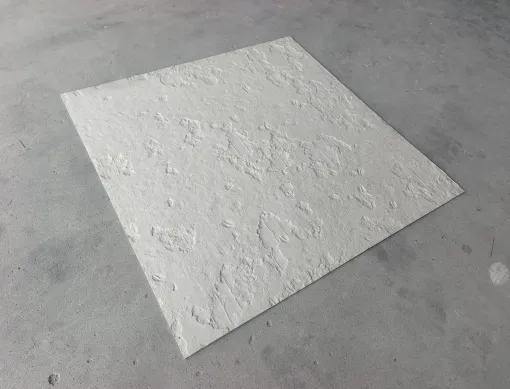
When it comes to longevity, both materials have their strengths, but let's break it down. Bali stone, being a natural stone, is inherently tough. Most varieties fall between 6-7 on the Mohs hardness scale (for context, granite is 6-7, marble is 3-4), meaning it resists scratches from everyday objects like keys, furniture legs, or pet claws. In high-traffic areas—think a busy family kitchen or a hotel lobby—it holds up remarkably well, showing minimal wear even after years of use.
Ceramic tiles, on the other hand, are rated by the PEI (Porcelain Enamel Institute) scale, which measures their resistance to abrasion. PEI 4 or 5 tiles (the highest ratings) are designed for heavy traffic, making them suitable for similar spaces. However, their durability depends heavily on the glaze. While the ceramic body is hard, a chipped glaze can expose the softer underlayer, leading to stains or further damage. Bali stone, with its uniform density, doesn't have this vulnerability.
Moisture resistance is another key factor. Bathrooms, kitchens, and outdoor patios demand materials that can handle water without warping or deteriorating. Ceramic tiles, especially porcelain (a denser type of ceramic), are nearly impervious to moisture thanks to their non-porous glaze. Bali stone, though, is slightly porous by nature. Without proper sealing, it can absorb water, leading to mold or discoloration. The good news? A high-quality sealer applied every 1-2 years creates a protective barrier, making it just as moisture-resistant as ceramic in most cases.
Heat resistance is where Bali stone truly shines. Whether you're placing a hot pan on a Bali stone countertop or installing it around a fireplace, it won't crack or discolor under high temperatures. Ceramic tiles can handle heat too, but sudden temperature changes (like a cold tile meeting a hot pot) might cause thermal shock, leading to cracks. For spaces with extreme heat fluctuations, Bali stone is the safer bet.
Beauty is subjective, but there's no denying that Bali stone and ceramic tiles offer vastly different visual experiences. Let's start with Bali stone: its charm lies in its imperfection. Each slab or tile is a one-of-a-kind masterpiece, with unique veins, pits, and color variations. Some pieces have soft, sandy beiges reminiscent of Bali's beaches; others feature rich terracottas or deep grays, echoing the island's volcanic terrain. Run your hand over it, and you'll feel subtle textures—smooth in some spots, slightly rough in others—adding a tactile dimension that ceramic tiles often lack.
Ceramic tiles, by contrast, are all about consistency. Thanks to modern printing technology, they can replicate the look of Bali stone, wood grain board, or even marble with stunning accuracy. Want a wall that looks like weathered wood? There's a ceramic tile for that. Dream of a floor that mimics lunar peak silvery stone? Ceramic can do it. But here's the catch: while ceramic imitates texture, it rarely captures the depth of natural stone. Bali stone's patterns are three-dimensional—veins that rise slightly from the surface, pits that catch the light—and these details create a sense of movement and life. Ceramic tiles, even those with embossed designs, often feel flat in comparison.
Lighting plays a big role too. Bali stone's matte or honed finish diffuses light gently, creating a warm, inviting glow. It doesn't reflect harshly, making rooms feel cozier and more intimate. Ceramic tiles, especially glazed ones, can have a high-gloss finish that bounces light around, which is great for brightening small spaces but can feel cold or sterile in larger areas. That said, ceramic does offer matte options, but again, they lack the organic depth of Bali stone's natural texture.
For those who crave uniqueness, Bali stone is unbeatable. Imagine a feature wall in your living room, where each Bali stone tile tells a different story—one with a fossilized shell, another with a streak of iron oxide that looks like a sunset. These "flaws" are what make Bali stone so captivating; they turn a wall into a conversation piece. Ceramic tiles, while beautiful, are mass-produced, so you'll often see repeating patterns in larger installations. If you want a space that feels truly one-of-a-kind, Bali stone delivers.
Even the most stunning material can lose its appeal if installation is a nightmare. Let's talk logistics. Bali stone is denser and heavier than ceramic tiles, which means it requires a sturdy substrate (the surface it's installed on). Walls may need additional reinforcement to support the weight, and floors might require a thicker mortar bed. This isn't a DIY project—you'll need experienced installers with the right tools (like diamond-tipped saws) to cut and shape the stone without cracking it.
Ceramic tiles, by comparison, are lightweight and easier to handle. Most homeowners with basic DIY skills can install them with a tile cutter, trowel, and grout. They're also more forgiving: if you make a mistake cutting a tile, it's easy (and affordable) to replace. Bali stone, on the other hand, is a natural material, so each piece is irreplaceable. A single mistake could mean ordering a new slab, delaying the project and adding costs.
Size and shape flexibility is another consideration. Ceramic tiles come in standard sizes (12x12 inches, 18x18 inches, etc.) and can be cut into custom shapes with relative ease. Bali stone, being a natural product, is quarried in slabs, which means larger pieces are possible but harder to source. If you want a seamless feature wall with minimal grout lines, Bali stone slabs are stunning, but they require precise measurements and expert installation.
No one wants a beautiful material that turns into a maintenance headache. Let's see how Bali stone and ceramic tiles stack up in daily care. For ceramic tiles, cleaning is straightforward: sweep or vacuum to remove dirt, then mop with a mild detergent and warm water. Stains? A bit of baking soda or a tile-specific cleaner usually does the trick. The glaze acts as a shield, so even spills like coffee or wine wipe away easily—no need to panic.
Bali stone needs a gentler touch. Acidic cleaners (like vinegar or lemon juice) can etch the surface, dulling its finish over time. Instead, use a pH-neutral stone cleaner and a soft mop or cloth. Stains are a bigger concern if the stone isn't sealed—oil or wine can seep in quickly. But with a sealed surface, most stains wipe away with a damp cloth. The key is to act fast: blot spills immediately instead of wiping, which can spread the stain.
Long-term appearance is where Bali stone surprises many. Unlike ceramic tiles, which can fade or chip over time, Bali stone ages gracefully. It develops a subtle patina—a soft, worn-in look that adds character rather than detracting from its beauty. Think of an old leather jacket or a well-loved wooden table; Bali stone tells a story with every scratch and mark. Ceramic tiles, on the other hand, can look tired once the glaze chips or fades, requiring replacement to restore their appearance.
Let's talk numbers. Bali stone is generally more expensive upfront. Prices vary depending on the type, size, and sourcing, but you can expect to pay $15-$30 per square foot for materials alone. Installation adds another $10-$20 per square foot, bringing the total to $25-$50 per square foot. Ceramic tiles, by contrast, start at $2-$10 per square foot for basic options, with installation costing $5-$15 per square foot—total $7-$25 per square foot.
But cost isn't just about the initial price tag. Bali stone's durability means it rarely needs replacement. A well-maintained Bali stone floor or wall can last 50+ years, making it a long-term investment. Ceramic tiles, while cheaper upfront, may need replacing every 10-20 years due to chipping, fading, or outdated styles. Over time, Bali stone often ends up being the more cost-effective choice, especially in high-traffic areas.
There's also the resale value factor. Homes or commercial spaces with high-quality natural stone features like Bali stone tend to appraise higher. Potential buyers or tenants are drawn to the luxury and uniqueness of natural stone, making it a smart choice if you're looking to boost property value.
In today's world, sustainability matters. Let's see how these materials measure up. Bali stone is a natural resource, so quarrying does have environmental impacts—deforestation, soil erosion, and habitat disruption can occur if quarries aren't managed responsibly. However, many suppliers now prioritize ethical quarrying practices, replanting trees and minimizing waste. Plus, Bali stone is a long-lasting material, reducing the need for frequent replacements (which saves resources in the long run).
For those concerned about sustainability, mcm flexible stone is worth mentioning. A modified composite material, mcm flexible stone mimics the look of natural stone but uses recycled materials and less energy to produce. It's lighter, reducing transportation emissions, and can be installed without heavy machinery—making it a greener alternative to traditional stone. While it's not Bali stone, it offers a similar aesthetic with a smaller environmental footprint.
Ceramic tiles have a mixed sustainability profile. The manufacturing process is energy-intensive, requiring high temperatures to fire the tiles. However, many brands now use recycled clay or water in production, and some tiles are fully recyclable at the end of their life. Porcelain tiles, in particular, are durable enough to be repurposed (e.g., as garden pavers) instead of ending up in landfills.
| Criteria | Bali Stone | Ceramic Tiles |
|---|---|---|
| Durability | High (6-7 Mohs hardness, heat-resistant, ages well) | Moderate to High (PEI 4-5 for heavy traffic, glaze can chip) |
| Aesthetic | Unique, organic patterns; natural texture; warm patina | Consistent, versatile; mimics other materials but lacks depth |
| Installation | Heavy; requires professional installation and sturdy substrate | Lightweight; DIY-friendly with basic tools |
| Maintenance | Needs sealing every 1-2 years; gentle cleaners required | Low maintenance; tolerates harsh cleaners |
| Cost (Total Installed) | $25-$50 per square foot (higher upfront, long-term value) | $7-$25 per square foot (lower upfront, shorter lifespan) |
| Best For | Feature walls, fireplaces, outdoor patios, high-end interiors | Bathrooms, kitchens, budget projects, commercial spaces |
At the end of the day, the choice between Bali stone and ceramic tiles comes down to what matters most to you. If you value uniqueness, natural beauty, and long-term durability—and don't mind a higher upfront cost and a bit of maintenance—Bali stone is a timeless investment. It transforms spaces into something memorable, a reflection of nature's artistry that grows more charming with age.
Ceramic tiles, on the other hand, are the practical workhorses. They're affordable, easy to install, and perfect for spaces where consistency and low maintenance are priorities. They'll never let you down, even if they don't stir the soul quite like Bali stone.
And if you're torn? Consider mixing them. Use Bali stone for a striking feature wall, then pair it with ceramic tiles on the floors for balance. Or opt for mcm flexible stone as a middle ground—eco-friendly, lightweight, and still rich in texture. Whatever you choose, remember: the best material is the one that aligns with your vision, lifestyle, and the story you want your space to tell.
Recommend Products












