

In the world of architecture and interior design, the choice of building materials isn't just about durability or cost—it's about storytelling. The right material can turn a blank wall into a narrative, a cold space into a sanctuary, and a functional structure into a work of art. Today, we're diving into two materials that have been making waves in the design community for their ability to blend aesthetics with adaptability: Bali Stone and Concrete Panels. Let's unpack their unique traits, design potential, and how they stack up when it comes to versatility.
Before we jump into the nitty-gritty, let's get clear on what Bali Stone and Concrete Panels are. At first glance, they might seem like polar opposites—one evoking images of tropical beaches and organic warmth, the other conjuring up industrial warehouses and sleek minimalism. But as we'll see, their versatility blurs these lines, making them both contenders for projects ranging from cozy cafes to cutting-edge skyscrapers.
To set the stage: Bali Stone is part of the broader MCM flexible stone family—a category of lightweight, adaptable cladding materials designed to mimic the look and feel of natural stone without the bulk. Its name hints at its inspiration: think sun-bleached beaches, lush greenery, and the earthy palette of Bali's landscapes. Concrete Panels , on the other hand, have evolved far beyond the gray slabs of yesteryear. Modern iterations, including styles like fair-faced concrete , offer a raw, authentic aesthetic with endless customization options, from texture to color to form.
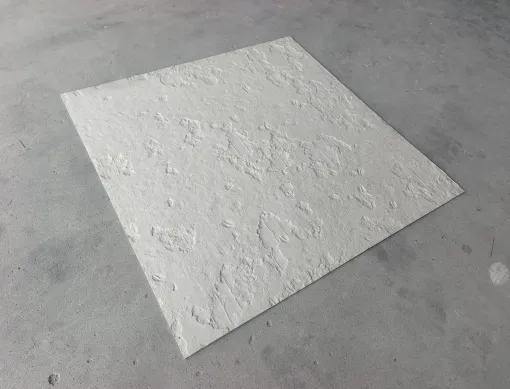
Let's start with Bali Stone. If you're drawn to materials that feel "lived-in" and full of character, this one might just steal your heart. As a type of MCM flexible stone, it's engineered to capture the essence of natural stone—think travertine's soft veining, sandstone's granular texture, or marble's subtle shimmer—but with a twist: it's lightweight, bendable, and surprisingly durable. This combination makes it a favorite for designers who want the beauty of stone without the logistical headaches of heavy materials.
One of Bali Stone's biggest selling points is its texture. Unlike uniform synthetic materials, each panel carries the hallmarks of nature—tiny pits that mimic weathered stone, gentle undulations that catch the light, and color variations that feel almost painterly. Run your hand over it, and you'll notice a slight roughness, like the surface of a river stone smoothed by time. This tactile quality adds depth to spaces, turning walls into surfaces that invite touch and contemplation.
Take, for example, a restaurant designed with Bali Stone accent walls. The material's organic texture softens the harshness of modern lighting, creating a warm, intimate atmosphere. Or imagine a boutique hotel lobby where Bali Stone clads the reception desk—its natural patterns become a conversation starter, telling a silent story of earth and time. For designers, this texture isn't just decorative; it's a tool to evoke emotion.
Bali Stone doesn't shout—it whispers, but it does so in a range of hues that play well with diverse design styles. While it leans heavily on earthy tones, there's surprising variety: warm beiges that recall sandy beaches, terracotta reds that echo clay pottery, soft grays that mimic storm clouds over the ocean, and even subtle greens that nod to Bali's lush foliage. These colors aren't flat, either; they have depth, with lighter and darker streaks that create dimension.
This versatility in color means Bali Stone can adapt to almost any aesthetic. Pair its beige variants with white linens and rattan for a coastal cottage vibe, or use its deeper grays alongside black metal fixtures for an industrial-meets-nature look. It's the chameleon of natural materials—able to blend in or stand out, depending on the designer's vision.
Here's where the MCM flexible stone aspect truly shines: Bali Stone isn't confined to flat surfaces. Thanks to its lightweight and bendable composition, it can be applied to curved walls, cylindrical columns, or even ceilings with ease. This opens up a world of design possibilities that rigid natural stone simply can't match.
Imagine a yoga studio with a curved Bali Stone wall that wraps around the space, creating a sense of flow and continuity. Or a retail store with a vaulted ceiling clad in Bali Stone, transforming an ordinary overhead surface into a focal point. For architects working with unconventional geometries, this flexibility is a game-changer—it means the material can follow the building's form, rather than the other way around.
Bali Stone's versatility isn't just about how it looks or feels—it's about where it can go. Its lightweight nature makes it ideal for high-rise exteriors, where heavy stone would add unnecessary structural load. Its resistance to moisture and UV rays means it holds up well in outdoor spaces, from poolside cabanas to garden walls. Indoors, it's equally at home in kitchens (as backsplashes), bathrooms (as shower surrounds), or living rooms (as feature walls).
One particularly striking application is in hospitality design. A beachfront resort in Bali (fittingly) might use Bali Stone to clad its bungalows, blending the buildings seamlessly with the surrounding landscape. Meanwhile, a city apartment in New York could use the same material to create a "tropical oasis" in the heart of the concrete jungle, proving that Bali Stone's versatility transcends geographic boundaries.
Now, let's turn to Concrete Panels. If Bali Stone is the warm, earthy storyteller, Concrete Panels are the bold, modern poet—unafraid to challenge expectations. For decades, concrete was dismissed as "boring" or "utilitarian," but today's panels are a far cry from the gray slabs of the past. With advancements in manufacturing, they now come in a staggering array of finishes, colors, and textures, making them a go-to for designers who crave versatility with an edge.
Concrete Panels excel in texture—specifically, in their ability to toggle between raw and refined. Take fair-faced concrete , for instance: this style leaves the material's natural surface exposed, showcasing the marks of the formwork, tiny air bubbles, and subtle color variations. It's industrial yet elegant, like a well-worn leather jacket—rough around the edges but undeniably cool. On the flip side, polished concrete panels offer a sleek, mirror-like finish that rivals marble, reflecting light and making spaces feel larger and brighter.
But the texture options don't stop there. Manufacturers can stamp concrete panels to mimic wood grain, brick, or even stone, giving designers the freedom to blend aesthetics. Imagine a modern home where concrete panels with a wood grain finish are used as siding—they offer the warmth of wood with the durability of concrete. Or a museum where rough-hewn concrete panels line the walls, their tactile surface complementing the art on display by adding a sense of raw authenticity.
Gone are the days when concrete was only available in shades of gray. Today's panels can be dyed, stained, or pigmented in almost any color under the sun—think deep blues that evoke the ocean, terracottas that nod to adobe, or soft pinks that add a playful twist to minimalist spaces. This color versatility means concrete panels can adapt to any mood or theme, from serene and spa-like to bold and energetic.
A prime example is a tech startup office designed with vibrant blue concrete panels. The color injects energy into the space, reflecting the company's innovative spirit, while the material's durability stands up to the hustle and bustle of daily life. Or consider a children's library with soft yellow concrete panel accents—bright enough to spark joy, but grounded enough to avoid feeling overwhelming. For designers, this color range is a blank canvas.
Concrete's inherent plasticity is another ace up its sleeve. Unlike stone, which is carved from existing rock, concrete panels are cast into molds, meaning they can take on almost any shape—curves, angles, 3D patterns, you name it. This formability is a dream for architects pushing the boundaries of design, allowing them to create structures that feel dynamic and sculptural.
Consider the work of renowned architect Tadao Ando, who often uses concrete to create sweeping, curved walls that guide the flow of light and movement. While Ando works with poured-in-place concrete, modern precast panels offer similar flexibility with the added benefit of precision and speed. For example, a concert hall might use custom concrete panels with undulating surfaces that enhance acoustics while doubling as art. Or a retail flagship store with geometric concrete panel facades that change appearance as the sun moves across the sky.
Concrete Panels are incredibly adaptable when it comes to scale. They're equally at home cladding a 50-story skyscraper (where their strength and fire resistance are assets) or a tiny home (where their thermal mass helps regulate temperature). In commercial settings, they're a favorite for office buildings, museums, and airports, where their durability and low maintenance make them cost-effective in the long run. In residential design, they're used for everything from exterior siding to interior accent walls, proving that industrial can also be intimate.
One of the most exciting trends is the use of concrete panels in sustainable design. Their thermal mass helps reduce energy consumption, and many manufacturers now offer eco-friendly options made with recycled materials. For designers focused on both aesthetics and sustainability, this makes concrete panels a compelling choice.
To truly grasp their design versatility, let's put Bali Stone and Concrete Panels head-to-head. The table below breaks down key factors that matter to designers, from aesthetics to practicality:
| Factor | Bali Stone (MCM Flexible Stone) | Concrete Panels (Including Fair-Faced Concrete) |
|---|---|---|
| Aesthetic Vibe | Warm, organic, nature-inspired. Evokes calm and warmth. | Modern, industrial, or minimalist. Can be raw or refined. |
| Texture Range | Organic, weathered, pit-like textures with natural variation. | From smooth/polished to rough/fair-faced; can mimic wood, brick, or stone. |
| Color Options | Earthy tones (beige, terracotta, gray, green) with natural gradients. | Virtually unlimited (pigmented/dyed); includes bold hues and neutrals. |
| Formability | Flexible for curved surfaces; lightweight and easy to install. | Highly moldable for custom shapes, angles, and 3D patterns. |
| Durability | Resistant to moisture, UV rays, and impact; low maintenance. | Extremely durable; fire-resistant, weather-resistant, and long-lasting. |
| Best For | Tropical/coastal designs, rustic interiors, accent walls, lightweight exteriors. | Modern commercial buildings, industrial-chic homes, large-scale exteriors, minimalist spaces. |
As the table shows, both materials bring unique strengths to the table. Bali Stone wins for warmth and organic beauty, while Concrete Panels dominate in customization and industrial edge. But here's the kicker: they're not mutually exclusive. Many designers are now blending the two to create spaces that feel balanced—think a concrete-paneled exterior with Bali Stone accents around windows, or a living room with a fair-faced concrete fireplace and Bali Stone surround.
So, which offers better design versatility? The answer, as with most design questions, is: it depends on your vision. Bali Stone and Concrete Panels are both versatile, but they excel in different aesthetics and applications. If your project calls for warmth, natural texture, and a connection to the outdoors, Bali Stone (with its MCM flexible stone benefits) is hard to beat. It's a material that feels alive, like it has a history, and it adapts beautifully to spaces that prioritize comfort and organic flow.
On the other hand, if you're aiming for bold, modern, or industrial-chic designs—spaces that make a statement with clean lines and raw authenticity—Concrete Panels (especially fair-faced concrete ) are the way to go. Their ability to be molded, colored, and textured makes them a playground for innovation, perfect for pushing the boundaries of what's possible in design.
But perhaps the most versatile approach is to see them not as competitors, but as collaborators. Imagine a boutique hotel where the exterior is clad in sleek concrete panels, while the interior lobby features Bali Stone accent walls. The contrast creates visual interest, balancing the industrial with the organic. Or a home where a concrete-paneled kitchen island is paired with Bali Stone backsplash—practicality meets warmth in the heart of the home.
At the end of the day, design versatility isn't just about having options—it's about having the right options to tell your project's story. Bali Stone tells a story of nature, warmth, and timeless beauty. Concrete Panels tell a story of innovation, strength, and modernity. Both are powerful, and both have the ability to transform spaces into experiences.
So, whether you're drawn to the earthy charm of Bali Stone or the bold edge of Concrete Panels, remember this: the best material is the one that aligns with your vision. And in a world where design is constantly evolving, having two such versatile materials in your toolkit is nothing short of a gift.
Recommend Products












