

Choosing the right stone for your home or commercial project is about more than just picking a pretty pattern. It's a decision that affects everything from your budget to how your space feels ten years down the line. Two materials that often top the list for designers and contractors are Bali Stone and Granite. One evokes the laid-back elegance of tropical landscapes, the other the timeless strength of mountainous terrain. But how do they really stack up when it comes to weight, cost, and lasting power? Let's break it down—no jargon, just the facts you need to make the best choice for your project.
If you've ever wandered through a boutique hotel in Bali, you've probably felt Bali Stone underfoot. It's a natural stone with a warm, earthy aesthetic—think soft beige and terracotta hues, often with subtle veining that mimics the island's sandy beaches and sunlit cliffs. But here's the twist: modern Bali Stone isn't always "just" natural stone. Many manufacturers now craft it using MCM flexible stone technology, blending natural stone particles with a lightweight, flexible backing. This modification makes it more adaptable than traditional stone, which explains its growing popularity in both indoor and outdoor projects.
Bali Stone's charm lies in its versatility. It can be cut into large slabs for countertops, shaped into tiles for flooring, or even used as a decorative accent on walls. And because of that MCM flexible stone base, it often feels less "cold" than some natural stones, adding a cozy, organic vibe to spaces.
Granite needs no introduction. Formed deep in the Earth's crust from cooling magma, it's been a go-to for everything from ancient pyramids to modern kitchen countertops. What makes it famous? Its density and (hardness). Granite is made mostly of quartz and feldspar, which gives it that signature speckled look and a reputation for being nearly indestructible.
Walk into any luxury lobby or high-end kitchen, and you'll likely spot granite in action. Take Granite Portoro , for example—a striking black variety with gold veins that feels equal parts bold and sophisticated. It's the kind of stone that makes a statement, which is why it's a favorite for spaces where durability and drama are both priorities.
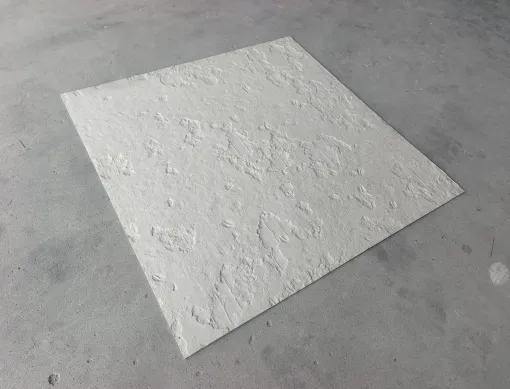
Let's get practical: how much do these stones actually weigh? This isn't just a curiosity—weight affects everything from how easy it is to install to whether your building's structure can even support it.
Granite is dense. Really dense. A 1-inch thick slab of standard granite weighs in at around 18–20 pounds per square foot. To put that in perspective, carrying a 4x8 foot slab (a common size) would mean hefting over 600 pounds—you'd need a team of people or a crane, no exceptions. That extra weight adds up during installation: contractors often have to reinforce floors or walls to support granite, especially in high-rise buildings where every pound counts.
Bali Stone, especially when it's made with MCM flexible stone, is a different story. Thanks to that lightweight backing, it clocks in at just 8–12 pounds per square foot for a similar thickness. That's nearly half the weight of granite! For contractors, this is a game-changer. Lighter stone means easier transportation (no need for specialized trucks), faster installation (fewer workers required), and less stress on your building's structure. If you're renovating an older home with weaker floor joists or designing a rooftop patio, Bali Stone's lower weight could save you from costly structural upgrades.
But wait—does lighter mean flimsier? Not necessarily. MCM flexible stone is engineered to be strong despite its weight, with a flexibility that helps it absorb impacts (more on that later). Still, if you need a stone that can double as a structural support (think a heavy-duty outdoor bench), granite's mass might be an advantage here.
Let's talk dollars and cents. When it comes to stone, cost isn't just about the stone itself—it's about extraction, processing, shipping, and installation. Let's break down the numbers.
Granite's price tag varies widely, but you can expect to pay $40–$100 per square foot. Basic, locally sourced granite (like a simple black or white variety) sits at the lower end, while exotic types like Granite Portoro can hit $100+ per square foot. Why the range? Rare colors, unique veining, and long-distance shipping all drive up costs. And remember that weight we talked about? Heavier granite means pricier shipping and more labor during installation, which can add 20–30% to your total project cost.
Bali Stone, on the other hand, typically ranges from $50–$80 per square foot. At first glance, that might seem steeper than basic granite, but here's the catch: when you factor in installation and shipping, it often evens out. Because MCM flexible stone is lighter, shipping costs are lower, and installation is faster (which means paying contractors less in labor). Plus, many MCM flexible stone manufacturers offer larger slabs, reducing the number of seams in your project—and fewer seams mean less cutting, less waste, and a cleaner final look.
Long-term costs matter too. Granite, while durable, needs to be sealed every 1–2 years to prevent staining (think red wine or lemon juice seeping into those tiny pores). A professional sealing job can cost $1–$3 per square foot each time, adding up over decades. Bali Stone, especially MCM varieties, often comes pre-sealed with UV-resistant and stain-resistant coatings, cutting down on maintenance expenses. Over 10 years, that could save you hundreds (or even thousands) of dollars in upkeep.
Here's the big question: which stone will stand the test of time? Let's start with the basics: hardness, weather resistance, and wear and tear.
Granite is famous for its. It scores a 6–7 on the Mohs scale (diamond is a 10), which means it's highly resistant to scratches. You can drag a cast-iron skillet across a granite countertop and it'll barely leave a mark. It's also heat-resistant—no need to worry about placing a hot pot directly on the surface. And when it comes to weather, granite laughs in the face of rain, snow, and UV rays. Many historical buildings (like the Lincoln Memorial) have granite exteriors that still look stunning after over a century.
But granite isn't perfect. Its density makes it prone to chipping if you drop something heavy (like a cast-iron Dutch oven). And while it resists stains, acidic substances (vinegar, citrus, wine) can etch the surface if left unattended, which is why sealing every 1–2 years is non-negotiable. Skip the sealant, and you might end up with permanent marks.
Bali Stone, especially MCM flexible stone versions, offers a different kind of durability. It's not as hard as granite (usually a 5–6 on the Mohs scale), so it might scratch more easily if you're rough with it. But here's where that flexibility shines: Bali Stone can "give" a little when hit, which means it's less likely to chip or crack than rigid granite. drop that same Dutch oven on Bali Stone, and there's a good chance it'll absorb the impact without damage.
Outdoors, Bali Stone holds its own too. The MCM flexible stone backing is often treated with UV inhibitors, so it won't fade in the sun, and its porous structure (yes, even with the backing) allows moisture to evaporate, reducing the risk of cracking in freezing temperatures. Maintenance is simpler, too: most Bali Stone only needs a quick wipe with mild soap and water, and sealing is optional (though recommended for high-moisture areas like bathrooms).
So, which lasts longer? If you're talking about a low-traffic area with careful use, both could easily last 50+ years. But in high-impact spaces—like a busy kitchen or a commercial lobby with thousands of footfalls daily—granite's scratch resistance might give it the edge. For outdoor projects where flexibility and weight matter more (like a rooftop deck or a lightweight facade), Bali Stone could be the smarter long-term bet.
| Feature | Bali Stone (MCM Flexible) | Granite (e.g., Granite Portoro) |
|---|---|---|
| Weight (1" thick, per sq ft) | 8–12 lbs | 18–20 lbs |
| Cost Range (per sq ft) | $50–$80 | $40–$100+ |
| Hardness (Mohs Scale) | 5–6 | 6–7 |
| Maintenance Needs | Low: Wipe clean; seal every 3–5 years (optional) | Moderate: Seal every 1–2 years; avoid acidic spills |
| Best For | High-rise buildings, rooftops, outdoor patios, lightweight facades | Kitchen countertops, heavy-traffic lobbies, structural elements |
| Impact Resistance | High (flexible, less prone to chipping) | Moderate (rigid, can chip with heavy impacts) |
The team behind Skyline Bistro in Miami wanted a rooftop dining area with a "tropical oasis" vibe. They initially considered granite for the flooring but quickly realized its weight would require reinforcing the roof structure—adding $20,000 to the budget. Instead, they chose Bali Stone in a sandstone finish. Three years later, the floors have held up to rain, sun, and hundreds of diners daily, with only minor scratches. "We saved on structural costs and got the warm, beachy look we wanted," says head architect Maria Gonzalez. "And when a storm blew a chair across the deck? The Bali Stone didn't chip. I don't think granite would've fared as well."
Homeowner Raj Patel chose Granite Portoro for his kitchen countertops, drawn to its bold black-and-gold veins. "I wanted something that felt timeless," he says. Five years in, the countertops still look brand-new, despite his kids' tendency to drop dishes. "We seal it every year, and it's held up to everything—even a hot pan I forgot to put a trivet under." The downside? Installation required two extra workers and a crane to lift the slabs, adding $1,500 to the project cost. "Was it worth it? For a kitchen I plan to have for 20 years, absolutely."
At the end of the day, there's no "winner"—only what works best for your project. If you need a lightweight, flexible stone that's easy to install and budget-friendly (especially for high-up or older spaces), Bali Stone (with MCM flexible stone technology) is a standout. It's warm, versatile, and low-maintenance, making it perfect for modern, airy designs.
But if scratch resistance and sheer durability are non-negotiable—say, for a busy kitchen or a statement lobby—granite (like the luxurious Granite Portoro) might be worth the extra weight and cost. It's a stone with a proven track record, and when cared for, it can last generations.
Whichever you choose, remember: the best stone is the one that fits your space, your lifestyle, and your vision. So go ahead—touch the samples, imagine the light hitting them at different times of day, and pick the one that makes your project feel like home (or the masterpiece you've been dreaming of).
Recommend Products












