

Choosing the right exterior material for a building is like picking the perfect outfit for a special occasion—it needs to look good, stand the test of time, and fit the overall vibe. For architects, homeowners, and designers alike, two materials often rise to the top of the list: Bali Stone and Sandstone. Both have earned reputations for blending beauty with brawn, but how do they really stack up when it comes to durability and aesthetic appeal? Let's dive in, break down their strengths and quirks, and help you figure out which one might be the star of your next project.
Before we get into the nitty-gritty, let's set the stage. Exterior materials don't just sit there looking pretty—they're the first line of defense against rain, wind, UV rays, and even the occasional stray soccer ball. They also set the tone for a building's personality: Is it modern and sleek? Rustic and cozy? Timeless and elegant? Bali Stone and Sandstone each bring their own flavor to the table, but understanding their performance under pressure (both literal and design-wise) is key to making the right call.
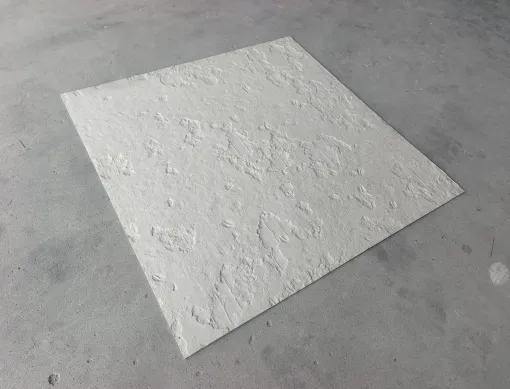
Let's start with the basics. Bali Stone —you might have heard it tossed around in design circles—is a type of engineered stone that draws inspiration from the natural beauty of Bali's landscapes. Think warm, earthy tones, subtle textures, and a finish that feels both organic and refined. It's often grouped under broader categories like MCM flexible stone , a family of materials known for being lightweight, versatile, and surprisingly tough. Unlike some natural stones that come straight from the quarry, Bali Stone is crafted in labs and factories, which means manufacturers can tweak its properties to boost durability without losing that natural look.
Then there's Sandstone —the OG of natural building materials. This one's been around for centuries, used in everything from ancient temples to colonial-era homes. Formed from compressed sand and minerals over millions of years, Sandstone is all about character: each slab has unique patterns, pits, and color variations, thanks to the way sediments settled and bonded. It's the kind of material that tells a story, with hues ranging from soft beiges and golds to rich reds and browns, depending on the minerals in the mix.
Now, you might be thinking, "Why these two? There are so many other options out there—like fair-faced concrete or wood grain board ." And you're right—materials like fair-faced concrete offer a raw, industrial chic, while wood grain board brings warmth and texture. But Bali Stone and Sandstone stand out because they bridge the gap between natural beauty and practical performance. They're not just "pretty" or "strong"—they're both, and that's a rare combo.
Let's cut to the chase: When it comes to exterior use, durability isn't just a nice-to-have—it's a must. A material that cracks after a few rainstorms or fades in the sun isn't worth the investment. So, how do Bali Stone and Sandstone fare in the ring?
Rain, snow, humidity, UV rays—exterior materials face a daily onslaught. Let's start with water. Sandstone, being a natural stone, is porous by nature. That means it soaks up water like a sponge if it's not sealed properly. Over time, trapped moisture can freeze in cold climates, expanding and causing cracks (a problem called "freeze-thaw damage"). Even in warmer areas, standing water can lead to mold or discoloration. To keep Sandstone in shape, you'll need to seal it every 2-3 years—a manageable task, but an extra step.
Bali Stone, on the other hand, is engineered to be less porous. Thanks to its MCM flexible stone roots, it's designed with a denser structure that repels water better than many natural stones. Think of it like a rain jacket versus a cotton shirt—both can get wet, but one dries faster and resists soaking through. That means less risk of mold, fewer cracks from freezing, and a longer lifespan in humid or rainy regions. Plus, its flexibility (another MCM perk) helps it handle temperature swings without warping—handy for places with hot summers and cold winters.
Let's talk about accidents. Whether it's a wayward branch in a storm, a kid's bike grazing the wall, or a heavy tool slipping during maintenance, exterior materials need to stand up to unexpected impacts. Sandstone, while sturdy, is a bit of a softie compared to engineered stones. Its natural layers can chip or flake if hit with force, especially if there are existing cracks from weathering. Those chips might not be structural, but they can mar the appearance—something to consider if you're after a flawless look.
Bali Stone, with its composite makeup, tends to be more impact-resistant. The MCM flexible stone technology adds a bit of "give" to the material, so it's less likely to crack or chip when bumped. It's like comparing a ceramic plate (Sandstone) to a melamine plate (Bali Stone)—both can break under extreme force, but one is definitely more forgiving in everyday mishaps.
Nobody wants to spend weekends scrubbing or sealing their exterior walls. Let's break down the upkeep. Sandstone, as we mentioned, needs regular sealing to keep water out. It also tends to attract dirt and grime in its porous surface, so you'll need to wash it gently with mild soap and water every so often. Harsh cleaners? Big no-no—they can strip the sealant and damage the stone. Over time, you might also notice efflorescence (those white, powdery deposits) if water seeps in and evaporates, which means more cleaning.
Bali Stone is the low-maintenance cousin. Its non-porous surface resists dirt and stains, so a quick hose-down or wipe with a damp cloth is usually enough. No need for sealing (unless you want to, but it's not required), and it's less prone to efflorescence. For busy homeowners or commercial buildings where upkeep budgets are tight, this is a huge win.
Okay, so durability is crucial—but let's be honest: we also care how our buildings look. After all, the exterior is the first impression. Let's explore how Bali Stone and Sandstone stack up in the style department.
Texture is what makes a material feel alive. Run your hand over Sandstone, and you'll feel its natural pores, ridges, and inconsistencies—it's like touching a piece of the earth itself. Those variations are part of its charm; they catch light differently throughout the day, creating depth and shadow that make a building feel dynamic. A Sandstone exterior doesn't just look rustic—it feels rustic, with a warmth that's hard to replicate with man-made materials.
Bali Stone, while engineered, doesn't skimp on texture. Manufacturers mimic the look of natural stone so well that you'd be hard-pressed to tell the difference at first glance. The texture is more consistent, though—no random pits or cracks unless they're intentionally added for design. That consistency can be a plus if you're going for a sleek, uniform look, like in modern or minimalist designs. It has the organic feel of stone without the "wildcard" variations of Sandstone.
Color sets the mood, and both materials offer plenty of options. Sandstone's hues are determined by nature: iron oxides give it reds and oranges, while clay minerals lean into beiges and browns. The colors are earthy and warm, perfect for creating a cozy, inviting vibe. The downside? Since it's natural, you can't always get exact color matches if you need to replace a slab later. Each batch might have slight variations, which is part of the charm but can be a headache for uniformity.
Bali Stone, being engineered, comes in a wider range of controlled colors. Want a soft cream that stays cream? A warm terracotta that doesn't fade? A cool gray with subtle undertones? You've got options. Manufacturers can tweak pigments to create consistent shades, so replacing a panel down the line is a breeze. It also holds color better over time—unlike Sandstone, which can fade slightly under intense UV exposure, Bali Stone's pigments are locked in, keeping that fresh look for years.
Whether you're designing a beach house, a mountain cabin, or a downtown office building, your material needs to play well with the overall aesthetic. Sandstone is a chameleon when it comes to traditional styles. Think colonial homes, cottage gardens, or heritage buildings—it blends right in, adding a sense of history and permanence. Its natural texture also pairs beautifully with wood accents, like wood grain board trim, for a cozy, rustic feel.
Bali Stone, thanks to its flexibility (literally, as part of MCM flexible stone ), is a modern designer's dream. It can be cut into large slabs for a seamless, contemporary look, or shaped into smaller tiles for a more intricate pattern. It works with everything from sleek, all-white modern homes to industrial-chic spaces (paired with materials like fair-faced concrete for an edgy contrast). And because it's lightweight, it's easier to install on vertical surfaces, curved walls, or even high-rise buildings where heavy natural stone might be impractical.
Sometimes, seeing is believing. Let's put Bali Stone and Sandstone head-to-head in a quick reference table to summarize their key differences:
| Factor | Bali Stone | Sandstone |
|---|---|---|
| Durability | High (resistant to water, impact, UV fade; low maintenance) | Moderate (porous, needs sealing; prone to chipping and staining) |
| Aesthetic Appeal | Consistent texture, wide color range, modern to rustic versatility | Natural, unique texture; warm, earthy colors; traditional charm |
| Maintenance | Low (hose down or wipe clean; no sealing required) | Moderate to high (seal every 2-3 years; regular cleaning needed) |
| Installation | Lightweight, flexible; easier to install on various surfaces | Heavy; requires sturdy support and careful handling |
| Sustainability | Engineered, often uses recycled materials; low waste in production | Natural, but quarrying can have environmental impacts |
| Cost | Mid-range (higher upfront than basic materials, but lower long-term maintenance) | Mid to high (varies by quality; adds up with sealing and upkeep) |
Let's move beyond the specs and talk about real projects. Where do Bali Stone and Sandstone actually excel?
Bali Stone in Action: Picture a modern beach house in California. The exterior is clad in Bali Stone panels in a soft, sandy beige, with large windows and a flat roof. The lightweight material made installation a breeze, even on the second floor, and its UV resistance ensures the color won't fade under the harsh sun. The homeowners love that they can hose it down after a storm and it looks as good as new—no scrubbing or sealing required. Inside, they paired it with wood grain board accents for a warm, coastal vibe that flows seamlessly from outside in.
Sandstone in Action: Now, imagine a historic bed-and-breakfast in the English countryside. The exterior is built from local Sandstone, with its warm golden hues and natural texture that blend in with the surrounding fields. Over the years, the stone has developed a gentle patina, adding to the inn's charm. The owners don't mind the annual sealing—they see it as part of preserving the building's heritage. Guests often comment on how the Sandstone walls "feel like home," with their rough, inviting texture.
At the end of the day, the choice between Bali Stone and Sandstone comes down to your priorities. If you want a low-maintenance, durable material that offers modern design flexibility and consistent good looks, Bali Stone (especially as part of MCM flexible stone ) is hard to beat. It's ideal for busy homeowners, commercial buildings, or anyone who wants a material that can keep up with a fast-paced lifestyle.
On the other hand, if you value natural character, traditional charm, and don't mind putting in a little extra work to maintain that rustic beauty, Sandstone is a timeless choice. It's perfect for heritage projects, homes with a cozy, earthy vibe, or anyone who wants their building to tell a story through its materials.
And hey, there's no rule that says you have to choose one or the other! Some designers mix Bali Stone with Sandstone accents (think a Sandstone feature wall with Bali Stone siding) to get the best of both worlds. Or pair them with other materials like fair-faced concrete or wood grain board to create a layered, textured look that's uniquely yours.
Bali Stone and Sandstone are both rockstars in their own right—each bringing a unique blend of durability and aesthetics to the table. Bali Stone wows with its modern versatility and low-maintenance appeal, while Sandstone charms with its natural character and timeless warmth. Whether you're building a new home, renovating an old one, or designing a commercial space, the key is to align your material choice with your project's needs, style, and long-term goals.
At the end of the day, the best exterior material is the one that makes you look at your building and think, "Yes—this feels right." So take your time, weigh the pros and cons, and don't be afraid to get hands-on (visit showrooms, touch samples, talk to contractors). After all, a building's exterior isn't just a wall—it's a reflection of the people who live or work inside. And both Bali Stone and Sandstone have what it takes to make that reflection shine.
Recommend Products












