

Imagine walking into a space that feels like an extension of your personality—where every texture, color, and material tells a story. For many homeowners and designers, that story often starts with a simple question: Which material will turn this house into a home? In the world of interior and exterior design, two names frequently rise to the top of the list: Bali stone and travertine . Both carry the weight of nature's craftsmanship, but they couldn't be more different in how they speak to our senses. Today, let's dive into their world—exploring not just their looks and price tags, but the emotions they evoke and the practicality they bring. Because at the end of the day, the best material isn't just about aesthetics; it's about how it fits into your life.
Let's start with the basics. Think of Bali stone as the free-spirited artist of the material world. Hailing from the tropical landscapes of Bali, this natural stone is often quarried from riverbeds and coastal areas, giving it a uniquely organic texture—think smooth, rounded edges softened by years of water, or rough, pitted surfaces that feel like holding a piece of the island's volcanic history. Its color palette leans warm: golden beiges, terracotta reds, and soft grays, often swirled with hints of green or brown, like a sunset over rice terraces.
Travertine, on the other hand, is the wise elder. A type of limestone formed by mineral-rich hot springs, it's been used for millennia—you'll find it in the Colosseum, the Roman Forum, and even ancient bathhouses. What sets it apart is its porous surface, dotted with tiny holes (formed by escaping carbon dioxide bubbles) that give it a distinctive, almost weathered charm. Colors range from creamy ivories and soft beiges to deeper golds and even rusty reds, with subtle veins that look like nature's own brushstrokes. It's the kind of stone that feels like it has a past—and that past adds layers of character to any space.
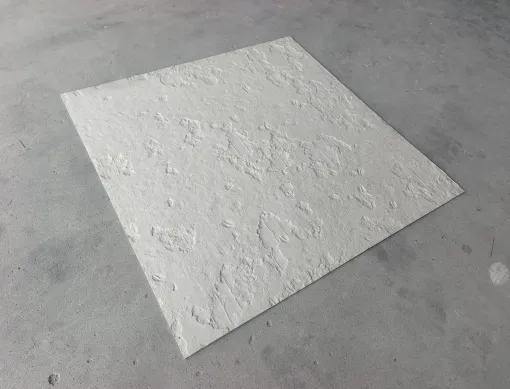
Here's where the magic happens: how these stones make you feel . Let's say you're designing a living room. Choose Bali stone , and suddenly the space feels like a cozy beach cottage—even if you're miles from the ocean. Its irregular patterns and earthy tones invite relaxation; it's the kind of material you want to sink into, barefoot, with a cup of tea. Pair it with wood grain board accents, and you've got a space that whispers "vacation, every day."
Travertine, by contrast, is all about understated elegance. Picture a bathroom with travertine floors: the soft, matte finish reflects light gently, avoiding the harsh shine of marble, while the visible pores add a tactile quality that feels both luxurious and lived-in. It's versatile, too—polished travertine (yes, you can polish those pores!) takes on a sleek, modern look, while unpolished versions lean into rustic charm. And let's not forget its starry varieties: travertine (starry blue) or travertine (starry red) —stones infused with metallic flecks that catch the light like constellations. Suddenly, a backsplash isn't just a backsplash; it's a night sky.
But what if you love the look of both but need something more flexible? Enter flexible stone —a modern innovation that mimics the texture of natural stone but with the added bonus of being lightweight and easy to install. It's a great middle ground for those who want the beauty of Bali stone or travertine without the heft (or price tag) of the real thing.
Let's talk numbers—because even the most stunning material won't work if it breaks the bank. Travertine, with its ancient pedigree and labor-intensive extraction, tends to be pricier upfront. Depending on the finish and color (looking at you, travertine (vintage gold) ), you might pay anywhere from $10 to $30 per square foot. But here's the kicker: it's durable. With proper sealing (to protect those pores from stains), travertine can last decades—even a lifetime. Think of it as an investment, not just an expense.
Bali stone , on the other hand, often comes with a friendlier price tag, ranging from $5 to $15 per square foot. Its availability in local quarries (depending on where you live) and simpler extraction process keep costs down. But durability can vary: some varieties are softer, making them better suited for low-traffic areas like accent walls rather than high-use floors. If you're on a budget but crave that natural look, Bali stone is a solid pick—just pair it with a sealant if you're using it outdoors.
And then there's maintenance. Travertine needs annual sealing to keep spills from seeping into those pores—a small chore, but an important one. Bali stone, with its denser composition, often requires less upkeep, though it's still wise to wipe up stains quickly. For the ultimate low-maintenance option, consider fair-faced concrete —it's budget-friendly, durable, and pairs beautifully with both stones as a neutral backdrop.
| Factor | Bali Stone | Travertine |
|---|---|---|
| Upfront Cost | More affordable ($5–$15/sq ft) | Higher ($10–$30/sq ft) |
| Durability | Good for low-traffic areas | Excellent (lasts decades with care) |
| Maintenance | Minimal (occasional cleaning) | Moderate (annual sealing) |
| Aesthetic Vibe | Tropical, relaxed, organic | Timeless, elegant, versatile |
Let's get real: beauty means nothing if a material can't handle daily life. Bali stone thrives in casual, indoor spaces—think bedroom walls, fireplace surrounds, or a cozy reading nook. Its warm tones and rough texture make it perfect for creating a "nest-like" feel. Outdoors, it works well for covered patios or garden paths, but avoid areas with heavy rain or freezing temperatures—its porousness (yes, even Bali stone has some!) can lead to cracking over time.
Travertine, with its higher density, is a workhorse. It's ideal for kitchens (sealed, of course), bathrooms, and even outdoor pool decks. The lunar peak series, with its silvery, golden, or black hues, adds a modern twist that's perfect for commercial spaces like hotels or restaurants. Just remember: while it's tough, it's not indestructible. Avoid dropping heavy objects on it, and sweep regularly to prevent scratches from dirt and debris.
And if you're torn? Mix them! Use travertine for high-traffic floors and Bali stone for an accent wall, or pair both with wood grain board for a layered, textured look. Design is all about balance, after all.
At the end of the day, there's no "better" stone—only the one that fits your story. Choose Bali stone if you crave warmth, affordability, and a touch of tropical whimsy. Choose travertine if you want timeless elegance, durability, and the pride of owning a material with ancient roots. And if you're looking for something in between? Flexible stone or fair-faced concrete might just be your new best friends.
Whatever you pick, remember: the most beautiful spaces aren't just about materials—they're about how those materials make you feel. Whether it's the cozy hug of Bali stone or the quiet grandeur of travertine, your home should tell your story. And isn't that the point?
Recommend Products












