

Natural stone has been a cornerstone of architecture for centuries. Among the many textures and finishes available today, bali stone wall cladding stands out for its distinctive rugged character, organic depth, and ability to bridge traditional craftsmanship with contemporary design. Whether dressing the facade of a beachfront villa, adding warmth to a hotel lobby, or creating a statement wall in a retail space, the right stone cladding transforms an ordinary surface into something memorable.
But what exactly makes Bali-inspired stone finishes so sought after? And how can architects, builders, and project developers source the look without the cost, weight, and installation complexity of traditional quarried stone? This article explores the growing demand for Bali stone wall cladding and how innovative materials are changing the way the industry approaches interior and exterior wall design.
Bali stone carries a handcrafted, earthy presence that few other materials can replicate. The surface texture resembles naturally weathered volcanic rock — irregular edges, gentle color shifts from warm beige to cool grey, and a matte finish that absorbs light rather than reflecting it. This gives buildings a grounded, organic character that feels both luxurious and understated.
In traditional Balinese architecture, stone was used extensively in temples, courtyard walls, and water features. Today, that same aesthetic has crossed borders, appearing in residential developments, hospitality projects, and commercial spaces around the world. The appeal lies in its versatility: Bali stone complements timber, glass, steel, and smooth concrete equally well, making it a favorite among architects who need a material that adapts to different design languages.
Conventional natural stone, however, presents real challenges. It is heavy, expensive to transport, requires specialized masonry labor, and can be cost-prohibitive for large-scale developments. These practical limitations have driven strong demand for modern alternatives that preserve the aesthetic without the logistical burden.
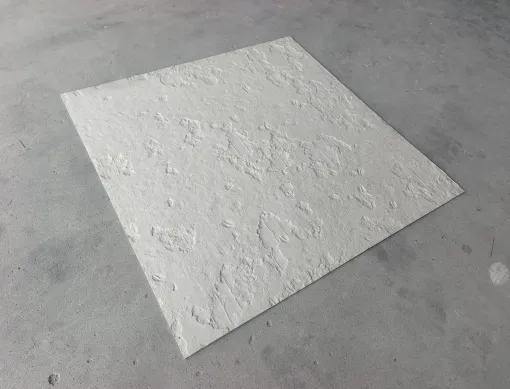
Building material manufacturers have responded with a new generation of products. Today's flexible stone cladding panels deliver the same visual richness as natural stone while being lightweight, straightforward to install, and significantly more budget-friendly. Made from modified clay materials — commonly abbreviated as MCM — these panels replicate the texture, color depth, and tactile feel of authentic stone at a fraction of the weight.
FOSHAN COLORIA BUILDING MATERIALS CO., LTD, operating under the brand COLORIA GROUP, has been at the forefront of this material innovation since 2010. Headquartered in Foshan, Guangdong, the company specializes in MCM flexible cladding stone wall products that serve both residential and commercial markets across multiple continents. Their MCM Project Board Series includes stone textures that echo the natural charm of Balinese stone, suitable for facades, interior feature walls, and architectural detailing.
COLORIA GROUP's approach goes beyond manufacturing. With a mission to provide one-stop building material solutions, the company combines in-house R&D, quality-controlled production, and international logistics support — giving developers, contractors, and distributors a reliable single source for comprehensive interior and exterior material packages.
Stone wall cladding remains a preferred choice in modern construction for compelling reasons that go beyond aesthetics:
Durability and Weather Protection — Quality wall cladding shields the building envelope from rain, UV radiation, and temperature swings. COLORIA GROUP's MCM flexible stone panels are engineered to endure harsh outdoor conditions without cracking, fading, or delaminating, making them a dependable long-term investment.
Design Versatility — From the warm, earthy tones of Bali stone to sleek concrete textures and polished marble finishes, COLORIA GROUP offers an extensive catalog of stone finishes: travertine, limestone, granite, slate, and specialty textures such as Lunar Peak, Epoch Stone, Century Stone, and Bali Stone. This breadth gives architects the freedom to match almost any design brief from a single supplier.
Lightweight Installation — Traditional stone requires structural reinforcement and specialized masonry crews. Flexible stone panels can be applied directly to most substrates, reducing both labor costs and project timelines — a decisive advantage for commercial developments operating on tight construction schedules.
Cost-Effectiveness at Scale — By eliminating the need for heavy lifting equipment, reinforced substructures, and extended installation periods, MCM flexible stone cladding brings the luxury appearance of natural stone within reach for mid-range and large-scale projects alike.
Exterior wall cladding does far more than protect a building — it defines its visual identity. The facade is the first impression a property makes, whether it is a seaside resort channeling Balinese tranquility or a corporate headquarters projecting quiet confidence.
Bali stone textures work especially well in tropical and subtropical settings. Their warm, earthy palette complements lush landscaping, timber pergolas, and water features — signature elements of resort-style architecture. At the same time, the rugged, irregular surface of Bali stone creates compelling contrast against glass curtain walls, polished metal trim, and smooth architectural concrete in more urban, contemporary contexts.
For projects requiring large-format applications, COLORIA GROUP's MCM Big Slab Board Series allows architects to design with panels that minimize visible joints, producing seamless stone surfaces that dramatically enhance visual flow across expansive facades. For intricate decorative work, the MCM 3D Printing Series delivers textured relief patterns that would be difficult — or impossible — to achieve with conventional stone fabrication methods.
Choosing the right supplier for stone cladding comes down to three essentials: product quality, supply reliability, and service depth. COLORIA GROUP addresses all three through an integrated operating model that spans product development, manufacturing, quality assurance, and international distribution.
The company maintains an agent network in Saudi Arabia backed by decades of regional market experience, positioning it to serve Middle Eastern construction markets with local support and global manufacturing scale. For developers and contractors in the Gulf, in Southeast Asia, and beyond, this means shorter communication lines, faster turnaround on inquiries, and a supply partner familiar with regional building codes and preferences.
COLORIA GROUP's continued investment in team development — preparing talent for leadership roles aligned with long-term strategic goals — ensures that clients work with knowledgeable professionals who understand both the technical specifications and the commercial realities of construction projects.
Q: Can Bali stone wall cladding be used on interior surfaces?
Absolutely. Flexible stone panels are excellent for interior feature walls, lobby areas, fireplace surrounds, and accent walls. Their light weight makes them far easier to install on interior drywall or over existing surfaces compared to natural stone, without sacrificing visual impact.
Q: How does MCM flexible stone compare to natural stone in appearance?
Modern MCM manufacturing uses precision molds taken from real stone surfaces. The resulting panels capture micro-textures, color gradients, and the tactile quality of authentic stone with remarkable fidelity. At standard viewing distances, the difference is effectively indistinguishable to most observers.
Q: Is MCM flexible stone suitable for exterior facades in all climates?
Yes. COLORIA GROUP's flexible stone panels are engineered for exterior performance across a wide range of climate conditions. They offer strong UV stability, water resistance, and temperature tolerance, making them suitable for hot, humid, cold, and coastal environments when installed according to specifications.
Q: What is the typical lead time for bulk orders?
Lead times depend on order volume, product specifications, and customization requirements. COLORIA GROUP operates efficient production workflows and offers customized building material manufacturing to align with project schedules. Contact the team directly for a project-specific timeline and quotation.
The global demand for natural-looking, high-performance building materials continues to grow — and for good reason. Bali stone wall cladding, whether in its traditional quarried form or as innovative MCM flexible panels, brings a timeless elegance that resonates across architectural styles and building types. It is a material choice that signals quality, attention to detail, and an appreciation for design that endures.
For architects, builders, and distributors seeking reliable, high-quality stone wall cladding solutions backed by more than a decade of manufacturing expertise, COLORIA GROUP delivers a comprehensive product range engineered to perform beautifully — indoors and out, in projects of any scale.
Contact COLORIA GROUP today to explore the full product catalog, request samples, and discuss how their MCM flexible building materials can support your next development.
Email: info@coloriaclaystone.com | Tel: +86-0757-82666790 | Web: www.coloriagroup.cn
Recommend Products












