

How COLORIA GROUP's MCM Flexible Stone is Redefining Medical Space Design
Think about the last time you visited a healthcare facility—what did you notice first? The calm lighting, the soft sounds, or maybe the walls that surrounded you? In spaces where healing happens, every detail matters. Walls aren't just backgrounds here; they're silent partners in patient recovery, infection control, and staff efficiency. That's why choosing the right wall cladding for hospitals, clinics, and care centers isn't just a design choice—it's a commitment to safety, durability, and well-being. Enter Bali Stone, a standout in COLORIA GROUP's MCM Flexible Stone lineup. More than just a pretty surface, it's a solution built for the unique demands of healthcare environments. Let's dive into why this modified composite material panel is becoming the go-to choice for architects and facility managers worldwide.
Healthcare spaces face a triple threat that few other environments do: they need to stay spotlessly clean to prevent infections, tough enough to handle daily wear and tear, and calming enough to ease patient anxiety. Let's break down the non-negotiable standards:
Hospitals and clinics are breeding grounds for bacteria—staph, E. coli, and other pathogens can linger on surfaces for days. Traditional wall materials like painted drywall or porous tiles? They're magnets for germs. Cracks, grout lines, and tiny pores trap dirt and moisture, making thorough cleaning nearly impossible. In a setting where one missed spot could risk a patient's health, "good enough" hygiene just isn't enough.
Healthcare walls take a beating. Stretchers bump into corners, wheelchairs scrape against surfaces, and cleaning crews scrub them daily with harsh disinfectants. Add in the occasional spill—from medication to bodily fluids—and you've got a recipe for walls that chip, stain, or degrade fast. Replacing or repairing walls in a busy hospital isn't just costly; it disrupts patient care and creates more opportunities for dust and debris to spread.
Heavy materials like natural stone or thick ceramic tiles pose two risks: installation accidents (think strained backs for workers) and structural stress on older buildings. Plus, in emergency situations—like earthquakes or fires—you need materials that won't release toxic fumes or crumble into dangerous shards. Safety here isn't optional; it's a legal and ethical obligation.
Ever noticed how a sterile, all-white hospital room can feel more like a lab than a place of recovery? Studies show that warm, natural environments reduce patient stress and even speed up healing. Walls with texture, soft colors, and organic patterns can turn a clinical space into a comforting one. But finding materials that look inviting and meet strict hygiene and durability standards? That's the real challenge.
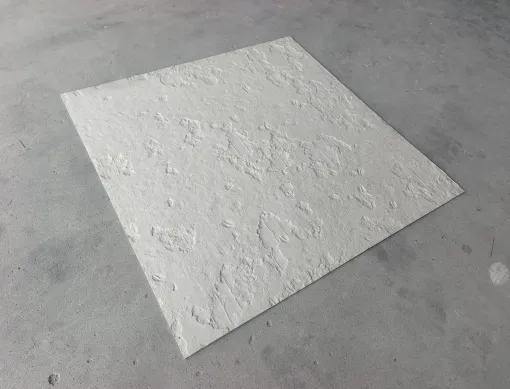
Enter Bali Stone—a star product in COLORIA GROUP's MCM Flexible Stone series. If you're new to MCM (Modified Cementitious Material), think of it as nature's best qualities meets modern engineering. It's a lightweight flexible stone sheet made by blending natural minerals with advanced polymers, creating a material that's both strong and surprisingly bendable. And Bali Stone? It takes that innovation a step further, inspired by the serene textures of Bali's coastal stones but built for the rigors of healthcare.
Unlike traditional rigid cladding or even other MCM products, Bali Stone checks every box for healthcare facilities. Let's unpack its superpowers:
No pores, no grout lines, no hiding spots for germs. Bali Stone's smooth, dense surface is non-porous, meaning liquids and bacteria can't seep in. Wipe it down with hospital-grade disinfectants (even bleach!) and it comes clean without fading or warping. It's like having a wall that's always "fresh out of the box" clean.
Don't let "flexible" fool you—this stuff is built to last. Bali Stone resists scratches, dents, and impacts, so that stray wheelchair or dropped medical cart won't leave a permanent mark. It's also resistant to chemicals, moisture, and UV rays, so it stays looking new for decades, not just years.
Traditional stone cladding can weigh 20+ kg per square meter—heavy enough to require structural reinforcements. Bali Stone? It's less than 5 kg/m². That means faster, safer installations with minimal disruption to hospital operations. No need to shut down wings or reroute patients during upgrades.
Bali Stone's texture is warm and organic, mimicking the look of natural travertine or sandstone without the maintenance headaches. Choose from soft beiges, warm grays, or subtle earth tones to create spaces that feel calm and welcoming. It's proof that "clinical" doesn't have to mean "cold."
Let's zoom in on the most critical factor for healthcare: hygiene. The World Health Organization (WHO) estimates that 1 in 10 patients acquires an infection during their hospital stay—many linked to contaminated surfaces. Bali Stone's MCM technology directly addresses this with three key features:
Natural stone and ceramic tiles have tiny pores that act like. Bali Stone, thanks to its modified composite material panel structure, is completely sealed. Under a microscope, its surface looks smooth as glass—no cracks, no crevices, just a barrier that germs can't penetrate. A study by the American Journal of Infection Control found that non-porous surfaces reduce bacterial retention by up to 90% compared to porous materials.
Healthcare cleaning protocols are brutal—think daily wipe-downs with quaternary ammonium compounds or hydrogen peroxide. Most walls would fade or degrade after months of this treatment. Not Bali Stone. Its color runs through the material (no top coat to chip off), so even repeated scrubbing with strong disinfectants won't leave it looking dull or patchy.
Hospitals are humid places—showers in patient rooms, steam from sterilizers, and even breathing patients add moisture to the air. Moisture + organic materials = mold, which triggers allergies and respiratory issues. Bali Stone is 100% inorganic, so mold has nothing to feed on. It's like giving mold a "no vacancy" sign.
Healthcare facilities don't have time for frequent repairs. Bali Stone's durability isn't just about looking good—it's about reducing long-term costs and keeping operations running smoothly. Here's how it stacks up:
Imagine a busy emergency room: stretchers slamming into walls, IV poles scraping corners, nurses rushing with carts. Over time, even sturdy walls start to show wear. Bali Stone? It's been tested to withstand impacts up to 10 joules (that's like dropping a 10kg weight from waist height) without cracking. Its flexible core absorbs shock, so minor bumps bounce off instead of leaving dents.
From antiseptic sprays to blood-stain removers, hospital walls face a daily chemical assault. COLORIA GROUP's lab tests expose Bali Stone to 500 cycles of cleaning with industrial-grade disinfectants—and the result? No discoloration, no degradation, just a wall that looks as good as day one. Compare that to painted walls, which start chipping or fading after a few months of heavy cleaning.
How long does Bali Stone last? COLORIA GROUP's oldest healthcare installation, a children's hospital in Dubai, has had Bali Stone walls since 2018. After six years of sticky little hands, toy collisions, and constant cleaning, the walls still look brand new. Facility managers there report zero repairs and only routine cleaning—saving them an estimated $40,000 in maintenance costs compared to the previous tile walls.
Still not convinced? Let's put Bali Stone head-to-head with the most common healthcare wall materials. The results might surprise you:
| Material | Hygiene (1-10) | Durability (1-10) | Installation Time | Weight (kg/m²) | Maintenance Cost (10-Year Estimate) |
|---|---|---|---|---|---|
| Bali Stone (MCM Flexible Stone) | 9.5 | 9 | 2-3 days/100m² | 4.5 | $500-$800 |
| Ceramic Tiles | 6 | 7 | 5-7 days/100m² | 18-22 | $3,000-$5,000 (grout repairs, retiling) |
| Painted Drywall | 4 | 3 | 1-2 days/100m² | 8 | $8,000-$12,000 (repainting, patching holes) |
| Natural Stone (Marble/Granite) | 7 | 8 | 7-10 days/100m² | 25-30 | $4,000-$6,000 (sealing, polishing, repairs) |
*Based on industry averages and COLORIA GROUP case studies. Maintenance costs include cleaning supplies, repairs, and replacements.
Numbers tell a story, but real projects show the difference Bali Stone makes. Let's look at two healthcare facilities that swapped their old walls for Bali Stone—and never looked back.
When Greenfield Children's Hospital opened in 2021, their priority was creating a space that felt safe and welcoming for young patients. They chose Bali Stone for their pediatric wards and play areas, citing three reasons: hygiene, durability, and design.
"Kids are messy—spills, crayons, sticky fingers—we needed walls that could handle it all," says Sarah Lim, the hospital's facility manager. "In the first year, we had zero mold issues, and the walls still look as bright as opening day. Parents often comment on how 'warm' the rooms feel compared to other hospitals—it's not just the colors, it's the texture of the Bali Stone that makes a difference."
In a region where extreme temperatures and sandstorms test building materials, Al-Riyadh Medical Center needed walls that could handle the elements and strict hygiene standards. They installed Bali Stone on their exterior walkways and interior corridors in 2020.
"Sandstorms used to leave our old concrete walls looking dirty and pitted," explains Dr. Ahmed Hassan, the center's director. "Bali Stone? We hose it down after a storm, and it's spotless. Inside, our infection control team loves how easy it is to clean—no more scrubbing grout lines for hours. We've cut our cleaning time by 30% since the switch."
Bali Stone isn't just a product—it's part of COLORIA GROUP's decades-long commitment to building materials that work with people, not against them. Here's why healthcare facilities trust us:
COLORIA GROUP has been supplying MCM materials to healthcare projects for over 15 years, from small clinics in Europe to large hospitals in the Middle East. We understand the unique challenges of these spaces—and we design our products to solve them, not just meet minimum standards.
Not all healthcare spaces are the same. A psychiatric ward might need calming blues, while a rehabilitation center could benefit from warm earth tones. Bali Stone comes in 12+ colors and 5 textures, all customizable to match your facility's design vision. Need a specific shade to complement your brand? Our in-house design team can create it.
With a presence in Saudi Arabia and partners worldwide, we don't just ship you materials and disappear. Our team provides on-site installation training, maintenance guides, and even post-installation check-ins to ensure your Bali Stone walls perform for years to come.
As healthcare design evolves, the focus is shifting from "sterile" to "therapeutic." Patients heal faster in environments that feel less like hospitals and more like homes—and walls play a big role in that. Bali Stone, as a lightweight flexible stone sheet, is leading this shift by proving that you don't have to sacrifice hygiene or durability for beauty.
Looking ahead, COLORIA GROUP is already innovating further—exploring antibacterial additives for MCM panels and even 3D-printed custom textures that mimic natural landscapes (hello, beach-inspired walls in rehabilitation centers!). The goal? To make healthcare spaces that don't just treat the body, but soothe the mind too.
Healthcare facilities are more than buildings—they're places of healing, hope, and second chances. The walls that surround patients, staff, and families should reflect that mission: strong enough to protect, clean enough to heal, and warm enough to comfort. Bali Stone, with its MCM flexible stone technology, does exactly that.
It's not just a wall cladding—it's a promise: that every time a patient looks up, they see a space designed with their well-being in mind. And for healthcare professionals, it's one less thing to worry about—so they can focus on what matters most: the patients.
Ready to transform your healthcare facility's walls? COLORIA GROUP's team is here to help—from design to installation, we'll make the process as smooth as our Bali Stone surfaces.
Recommend Products












