

Walk into a restaurant, and what first catches your eye might not be the menu. It could be the walls—the way they wrap the space in a mood, whisper stories, or even make you feel like you've stepped into a different world. In a world where diners crave experiences as memorable as the food, restaurant design has become a silent storyteller. And when it comes to crafting walls that feel alive with warmth and character, Bali Stone wall cladding stands out as more than just a material—it's a bridge between nature, culture, and the art of hospitality.
Derived from the essence of Bali's landscapes—where volcanic stone meets tropical breeze—Bali Stone, a star product in COLORIA GROUP's MCM (Modified Cementitious Material) series, brings that same organic, earthy charm to restaurant interiors. But it's not just about looks. This isn't your average stone cladding. As part of the MCM Flexible Stone family, it's a modern marvel that marries the beauty of natural stone with the practicality restaurants need. Let's dive into how Bali Stone can turn a ordinary dining room into a space that guests remember, talk about, and keep coming back to.
Close your eyes and picture Bali: sun-warmed stone temples, cliffs weathered by sea spray, rice terraces that flow like green rivers. Bali Stone captures that raw, unpolished beauty—but with a softness that feels welcoming, not imposing. Its surface isn't perfectly smooth; it's dotted with tiny pits, subtle color variations, and a matte finish that catches light gently, like morning dew on stone. It's the kind of texture that makes you want to reach out and touch the wall, to feel the "story" in every ridge and groove.
For restaurants, this texture is gold. Think about it: in a casual beachside bistro, Bali Stone walls can evoke the vibe of a Balinese beach hut, making guests feel like they're on vacation with every bite. In a cozy wine bar, its warm beige and taupe tones complement wooden tables and dim lighting, creating a cave-like intimacy. Even in a sleek, modern eatery, a single accent wall of Bali Stone adds depth—breaking up the coolness of metal and glass with a touch of earthy soul.
What truly sets Bali Stone apart is its color palette. It's not just "stone gray" or "beige." There are hints of sand, driftwood, and even soft terracotta—shades that feel grounded yet versatile. Pair it with deep green plants, and you've got a jungle-inspired café. Mix it with warm brass fixtures, and suddenly it's a Mediterranean trattoria. It's a chameleon in the best way, adapting to your restaurant's unique personality while keeping that core Bali essence.
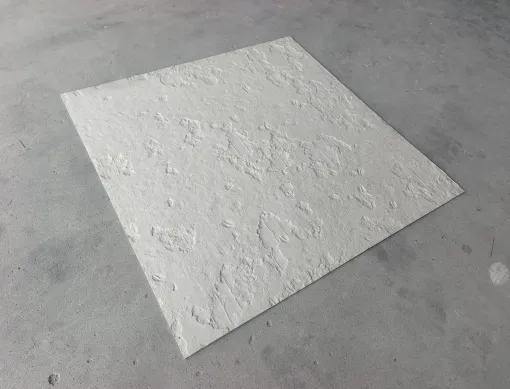
Let's get real: running a restaurant is tough. You're balancing taste, service, and budget—and the last thing you need is a wall material that's high-maintenance, hard to install, or harmful to the environment. That's where MCM Flexible Stone (the technology behind Bali Stone) shines. It's not just pretty; it's practical, and that matters when you're in the business of keeping a space running smoothly.
Lightweight but tough—no more structural headaches
Traditional natural stone is heavy. Hanging it on walls often means reinforcing the structure, hiring specialized installers, and blowing your renovation budget. Bali Stone? It's up to 70% lighter. Thanks to the modified cementitious material, it's thin (just a few millimeters thick) but surprisingly strong. That means you can install it on almost any wall—even drywall—without extra structural work. For restaurant owners, this translates to lower labor costs, faster installation (so you can open sooner!), and more design freedom (imagine wrapping it around columns or curved walls without the weight issues).
Flexible enough to follow your design dreams
Restaurants thrive on uniqueness. Maybe you want a curved accent wall behind the bar, or a wavy partition that divides the dining area. Traditional stone cracks or breaks when bent, but Bali Stone bends. Literally. Its flexibility lets it follow curves, wrap around edges, or even be cut into custom shapes—like a mosaic of small Bali Stone tiles for a feature wall. Pair it with
Wave Panel
(another MCM gem with soft, flowing lines), and you can create walls that feel dynamic, like they're moving with the rhythm of the restaurant.
Green, healthy, and easy to clean—because restaurants can't afford "fussy"
Today's diners care about sustainability, and so should your walls. Bali Stone is made with recycled materials and low-VOC binders, so it's eco-friendly and emits no harmful chemicals—important for indoor air quality (no one wants to eat in a space that smells like toxic fumes). And let's talk about spills. Wine, tomato sauce, coffee—restaurants see it all. Bali Stone's non-porous surface repels stains; a quick wipe with a damp cloth is usually enough. Unlike natural travertine, which soaks up liquids and stains easily, this material stays looking fresh even after years of busy service.
| Feature | Traditional Natural Stone | Bali Stone (MCM Flexible Stone) |
|---|---|---|
| Weight | Heavy (requires structural support) | 70% lighter (installs on most walls) |
| Flexibility | Brittle (breaks on curves) | Bends easily (fits curved/unique surfaces) |
| Maintenance | High (stains, cracks, needs sealing) | Low (stain-resistant, no sealing needed) |
| Installation Time | Long (specialized labor) | Fast (DIY-friendly for small projects) |
| Eco-Impact | High (quarrying damages ecosystems) | Low (recycled materials, low carbon footprint) |
Bali Stone isn't a one-trick pony. Its versatility means it fits into almost any restaurant theme—whether you're going for laid-back tropical, sleek modern, or rustic charm. Here are a few ways to make it work for your space:
If your restaurant serves Thai, Hawaiian, or Indonesian cuisine, lean into the Bali Stone's origins. Cover one wall in full Bali Stone (opt for the lighter beige shade) and pair it with woven rattan light fixtures, large leafy plants (think monstera or palm), and wooden furniture with natural finishes. Add small touches like seashell accents or a water feature nearby, and suddenly your guests feel like they're dining in a beachfront villa—no passport required.
Minimalist restaurants often feel cold with all that white and steel. Bali Stone adds warmth without sacrificing simplicity. Use it as an accent wall behind the host stand or along the back of banquettes. Choose the darker Bali Stone variant (with hints of gray) and pair it with Travertine (a classic MCM material with subtle, elegant pores) for a monochromatic look. Add soft, warm lighting to highlight the stone's texture, and you've got a space that feels clean but never sterile.
For a farm-to-table restaurant, Bali Stone complements the "down-to-earth" vibe perfectly. Combine it with exposed wooden beams, vintage metal accents, and warm Edison bulbs. Use Bali Stone on the lower half of the walls (wainscoting style) and paint the upper half a soft cream or sage green. The contrast between the rough stone and smooth paint adds depth, while the earthy tones make guests feel like they're dining in a countryside barn—cozy, familiar, and full of heart.
For sushi bars or tea houses, where relaxation is key, Bali Stone can help create a meditative atmosphere. Choose the lightest Bali Stone shade (almost white with soft gray veining) and pair it with Lunar Peak Silvery (a sleek, metallic MCM panel) for a subtle contrast. Add built-in wooden shelves with minimal decor (like small potted succulents or ceramic bowls) and soft, diffused lighting. The result? A space that feels quiet, balanced, and perfect for savoring slow, mindful meals.
At the end of the day, restaurants are businesses—and every design choice should serve your bottom line. Investing in Bali Stone wall cladding isn't just about making the space look good; it's about creating value that keeps guests coming back and talking about you online.
Think about social media: diners love taking photos of beautiful spaces. A Bali Stone accent wall becomes an instant backdrop for Instagram posts, reels, and food photos—free marketing for your restaurant. When guests tag your location, they're not just sharing a meal; they're sharing an experience, and that's how you build a loyal following.
Then there's durability. Unlike wallpaper that peels, paint that chips, or even traditional stone that cracks, Bali Stone holds up. It's resistant to scratches, moisture, and fading—so your walls will look as good in five years as they did on opening day. That means fewer renovation cycles and more money saved in the long run.
Restaurants are about connection—between food, people, and place. Bali Stone wall cladding doesn't just cover a wall; it creates a connection to nature, to craftsmanship, and to the care you put into your guests' experience. It's a material that feels alive, like it's growing with your restaurant, adapting to every celebration, every quiet dinner, and every new story your guests bring in.
So if you're dreaming of a restaurant that doesn't just serve meals but creates memories, consider Bali Stone. It's more than cladding. It's the first chapter of the story your restaurant tells—and with its warmth, durability, and beauty, it's a story your guests will want to hear again and again.
Recommend Products












