

In today's retail world, where online shopping dominates and customer attention spans grow shorter by the day, brick-and-mortar stores face a unique challenge: how to turn passersby into customers, and casual browsers into loyal patrons. The answer often lies in one powerful element: design . A store's interior isn't just a backdrop for products—it's a silent salesperson, a storyteller, and a space that shapes how customers feel. And when it comes to creating a memorable, inviting atmosphere, few materials can compete with the natural charm and versatility of Bali Stone Wall Cladding.
Imagine walking down a busy shopping street. Between the sleek glass facades and neon signs, you spot a store with walls that look like they've been carved from sun-warmed stone, with soft textures that invite you to reach out and touch them. The warm, earthy tones blend with the surrounding environment, yet stand out in a way that feels organic, not forced. That's the magic of Bali Stone Wall Cladding. It doesn't just decorate a space—it transforms it into an experience. In this article, we'll explore why Bali Stone is becoming a go-to choice for retail designers, how it enhances customer engagement, and how you can use it to make your store unforgettable.
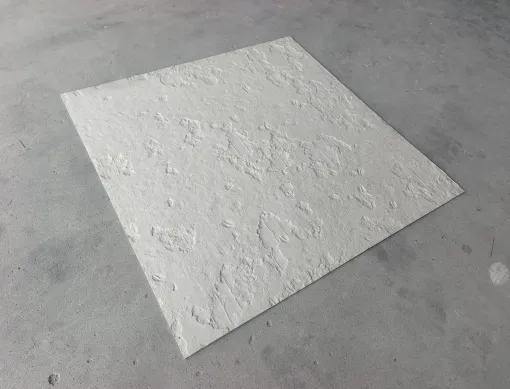
First things first: What exactly is Bali Stone Wall Cladding? Inspired by the lush landscapes and artisanal craftsmanship of Bali, this material captures the essence of natural stone—think weathered cliffs, river-worn pebbles, and sun-baked terracotta—while offering modern practicality. Unlike traditional stone cladding, which can be heavy, brittle, or hard to install, Bali Stone is part of the MCM (Modified Cementitious Material) family , a innovative composite that combines the best of natural stone and cutting-edge technology.
So, what sets it apart? Let's break down its key features:
Retail design is all about psychology. The way a store looks and feels directly impacts how customers perceive your brand, how long they stay, and how much they spend. Studies show that customers are willing to pay up to 15% more in stores with appealing aesthetics, and 90% of first impressions are based on visual design. Bali Stone Wall Cladding taps into this by creating spaces that feel welcoming, memorable, and aligned with modern consumer values.
Here's how it benefits retail stores specifically:
In a sea of generic storefronts, standing out is key. Bali Stone allows you to craft a brand story through design. For example, a boutique selling bohemian clothing might use Bali Stone with warm, earthy tones and rough textures to evoke a sense of wanderlust and authenticity. A high-end skincare brand could opt for smoother, lighter Bali Stone to convey luxury and natural purity. The material is versatile enough to adapt to any brand personality—whether you're going for rustic charm, modern minimalism, or tropical vibes.
Take, for instance, a coffee shop that wants to position itself as a "third place" between home and work. By cladding its walls with Bali Stone in soft beige and cream hues, paired with wooden accents and warm lighting, the space feels cozy and inviting—like a mountain cabin in the heart of the city. Customers aren't just buying coffee; they're buying an experience, and the Bali Stone walls are a big part of that.
Modern customers crave experiences, not just transactions. Bali Stone Wall Cladding turns your store into a visual and tactile journey. The unique textures invite customers to slow down, touch the walls, and engage with the space. This "slow shopping" effect increases dwell time—customers who stay longer are more likely to explore products, ask questions, and make purchases.
Consider a home decor store using Bali Stone in combination with wave panels —curved, undulating surfaces that mimic ocean waves. As customers walk through the store, their eyes follow the flow of the walls, guiding them from one display to the next. The tactile quality of the stone encourages interaction; a customer might run their hand along the wall while browsing, creating a deeper emotional connection to the space and, by extension, the brand.
Natural materials signal quality. When customers see stone walls, they associate the space with durability, craftsmanship, and attention to detail—qualities that translate to higher perceived value for your products. A study by the Design Management Institute found that companies with well-designed spaces see 32% higher revenue growth than their competitors. Bali Stone, with its authentic stone appearance, elevates the perceived quality of your store without the high cost of traditional stone.
For example, a jewelry store using Bali Stone in a rich, dark gray tone (similar to dolomitic travertine (dark grey) ) creates a sophisticated backdrop that makes the jewelry sparkle. The stone walls feel luxurious but not intimidating, encouraging customers to view the products as premium and worth investing in.
You might be wondering: Why choose Bali Stone over other popular cladding materials like ceramic tiles, wood, or traditional stone? Let's break down the pros and cons with a side-by-side comparison:
| Feature | Bali Stone Wall Cladding | Traditional Natural Stone | Ceramic Tiles | Wood Panels |
|---|---|---|---|---|
| Weight | 4-6 kg/m² (lightweight, easy to install) | 30-50 kg/m² (requires structural support) | 15-20 kg/m² (moderate weight) | 8-12 kg/m² (lightweight but prone to warping) |
| Installation | Simple, can be cut to size on-site; no special tools needed | Requires professional installers; heavy lifting equipment | Requires grouting; time-consuming for large areas | Needs sealing to prevent moisture damage |
| Durability | Water-resistant, fire-retardant, UV-stable; lasts 20+ years | Durable but prone to cracking; requires sealing every 2-3 years | Scratch-resistant but can chip; grout stains easily | Prone to scratches, water damage, and rot |
| Design Versatility | Available in 50+ textures/colors; flexible for curved surfaces | Limited by natural variations; hard to match colors | Wide range of designs but artificial-looking | Limited to wood grains; color fades over time |
| Maintenance | Wipe with damp cloth; no sealing needed | Regular sealing; hard to clean stains | Grout requires regular cleaning; prone to mold | Requires sanding, staining, and sealing annually |
| Sustainability | Recycled materials; low carbon footprint | Mining impacts; high transportation emissions | High energy use in production; non-biodegradable | Deforestation concerns; requires chemicals for treatment |
As the table shows, Bali Stone Wall Cladding strikes a balance between aesthetics, practicality, and sustainability that's hard to beat. It offers the beauty of natural stone without the hassle, and the versatility of synthetic materials without the artificial look.
Case Study: How a Boutique Clothing Store Increased Foot Traffic by 40% with Bali Stone
Let's take a look at a real-world example of Bali Stone in action. "Serene Threads," a small boutique in a busy urban mall, was struggling to stand out among chain stores. Their previous interior was plain drywall painted white—functional, but forgettable. Foot traffic was low, and average dwell time was under 5 minutes.
The owner decided to revamp the store's interior with Bali Stone Wall Cladding. They chose a warm beige travertine (beige) texture for the main walls, paired with accent walls in a subtle lunar peak silvery finish. The change was dramatic:
The owner noted, "The Bali Stone walls didn't just make the store look better—they changed how customers felt. People walk in and immediately relax, like they're in a space that's been thoughtfully designed for them. It's not just about selling clothes anymore; it's about creating a place they want to be."
Bali Stone Wall Cladding is incredibly versatile, so the design possibilities are almost endless. Here are a few ideas to inspire your next retail renovation:
Create a statement wall behind your checkout counter or main display using a bold Bali Stone texture, like rust square line stone or star gravel . This draws the eye and gives customers a memorable backdrop for photos (hello, free social media marketing!).
Use the flexibility of Bali Stone to design curved walls that guide customers through your store. For example, a bookstore could use curved walls to create "nooks" for reading, with the stone texture adding warmth and intimacy.
Combine different Bali Stone textures to add depth. Pair smooth travertine (starry green) with rough pine bark board for a dynamic, layered look that keeps the eye moving.
Don't limit Bali Stone to the interior—use it on your storefront to attract customers from the street. A coffee shop with a Bali Stone facade feels welcoming and unique, making it stand out among generic storefronts.
The texture of Bali Stone plays beautifully with light. Install recessed lighting to highlight the stone's natural grains, or use backlighting to create a soft, glowing effect. This adds drama and makes the space feel more luxurious.
When it comes to Bali Stone Wall Cladding, not all products are created equal. COLORIA GROUP, a leading one-stop solution provider for building materials, stands out for several reasons:
In the competitive world of retail, every detail matters. Bali Stone Wall Cladding isn't just a material—it's a tool to create spaces that connect with customers on an emotional level. It tells your brand's story, invites exploration, and turns casual visitors into loyal fans.
Whether you're a small boutique or a large chain, the right design can transform your store from a place to shop into a destination to experience. And with Bali Stone, that transformation is easier, more affordable, and more sustainable than ever.
So, why wait? Give your store the upgrade it deserves. Let Bali Stone Wall Cladding be the foundation of a space that customers will remember—and return to—again and again.
Recommend Products












