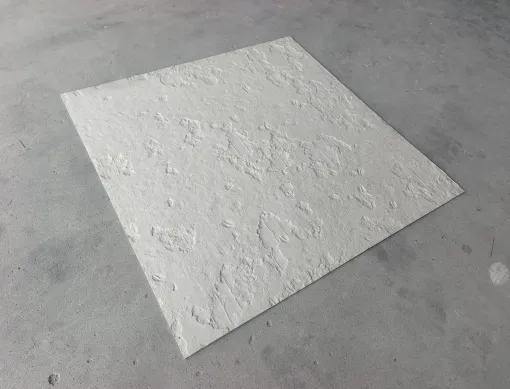
Tropical and resort-style architecture has unique demands. Buildings need to stay cool in the heat, resist mold from humidity, and look effortlessly beautiful year-round.
Bali Stone ticks all these boxes, and then some. Let's break down the benefits:
|
Feature
|
Bali Stone Cladding
|
Traditional Stone Cladding
|
|
Weight
|
Lightweight (5-8kg/m²) – easy to install, no need for heavy structural support
|
Heavy (25-30kg/m²) – requires reinforced walls and specialized installation
|
|
Weather Resistance
|
Waterproof, UV-resistant, and mold-proof – ideal for humid, rainy climates
|
Prone to cracking in temperature swings; may require regular sealing
|
|
Design Flexibility
|
Can be bent, cut, or shaped to fit curves, columns, and custom designs
|
Limited to flat or slightly curved surfaces; hard to customize
|
|
Eco-Friendliness
|
Made from recycled materials with low carbon footprint
|
Quarrying and processing have higher environmental impact
|
Beyond the practical stuff,
Bali Stone nails the aesthetic of tropical resorts. Its earthy tones and organic textures complement natural surroundings—think sandy beaches, lush jungles, or serene lagoons. Add in accents like
Travertine (Starry Green), a stunning MCM variant with a deep green base and shimmering flecks that look like stars scattered across the night sky, and you've got a wall that doesn't just blend in—it becomes a focal point. Imagine a beachfront villa with
Bali Stone walls in warm beige, accented with Starry Green
Travertine around the windows. At sunset, the green flecks catch the light, and suddenly the whole building feels like it's glowing from within. That's the magic of thoughtful material choice.