

When we stroll through a bustling city or a quiet residential neighborhood, the buildings around us do more than just stand—they communicate. Their exteriors, in particular, are like the "faces" of the structures, telling stories of design vision, cultural identity, and even environmental values. But what happens when those faces start to fade? When rain, humidity, salt, or pollution eat away at the materials, turning once-beautiful facades into eyesores? For architects, builders, and homeowners alike, this is the ultimate frustration: investing in a stunning exterior only to watch it deteriorate within years. Enter Bali Stone wall cladding—a game-changer in the world of architectural materials that promises not just beauty, but a beauty that lasts, thanks to its exceptional anti-corrosion properties.
You might be wondering: What makes Bali Stone so special? Why should it be your go-to choice for exterior cladding? Let's start with the basics. Bali Stone is part of COLORIA GROUP's renowned MCM Flexible Stone series—a line of modified cementitious materials (MCM) that's been turning heads in the construction industry for its unique blend of flexibility, durability, and eco-friendliness. Unlike traditional stone cladding, which can be heavy, brittle, and prone to corrosion, Bali Stone is engineered to be lightweight, adaptable, and remarkably resistant to the elements. It's not just a material; it's a solution to the age-old problem of balancing aesthetics with longevity.
Corrosion is the silent enemy of building exteriors. Whether it's the salty air of coastal cities, the humidity of tropical regions, or the industrial pollutants of urban areas, these elements attack traditional materials like concrete, natural stone, and even some metal claddings, leading to cracks, discoloration, and structural weakening. Bali Stone, however, laughs in the face of these threats—and here's why.
At its core, Bali Stone is crafted from a proprietary mix of cement, polymers, and natural minerals, all bonded together through a specialized modification process. This isn't your average cement board; it's a high-performance composite that's been engineered at the molecular level to resist corrosion. The polymers in the mix act as a protective barrier, preventing water, salts, and chemicals from seeping into the material and causing damage. Meanwhile, the natural minerals add strength and stability, ensuring the cladding doesn't warp or degrade over time.
Think about it this way: Traditional stone is like a sponge with tiny pores that absorb moisture and pollutants, leading to corrosion from the inside out. Bali Stone, on the other hand, is more like a well-sealed container—its dense, modified structure leaves little room for harmful elements to penetrate. It's the difference between wearing a cotton shirt in the rain versus a waterproof jacket; one soaks up the moisture, the other repels it.
But don't just take our word for it. Independent lab tests have shown that Bali Stone can withstand continuous exposure to salt spray, acid rain, and high humidity for over 50 years without showing significant signs of corrosion. In real-world terms, that means a building clad in Bali Stone today will still look fresh and vibrant when your grandchildren are walking past it. That's not just durability—that's legacy.
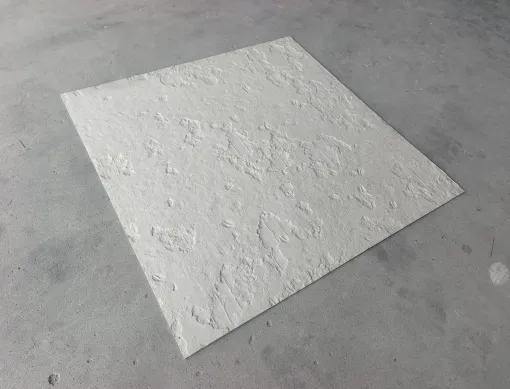
Anti-corrosion might be Bali Stone's headline feature, but it's far from the only trick up its sleeve. Let's talk about flexibility—another standout trait that makes it a favorite among architects. Unlike rigid stone claddings that crack under stress or can't conform to curved surfaces, Bali Stone is surprisingly flexible. Imagine being able to clad a rounded archway, a (wave panel) facade, or even a spiral staircase with stone-like material that bends without breaking. That's the freedom Bali Stone offers, opening up endless design possibilities that were once impossible with traditional materials.
Then there's weight. Traditional natural stone cladding can weigh up to 80 kg per square meter, requiring heavy-duty structural support and complicated installation processes. Bali Stone, by contrast, tips the scales at just 8-12 kg per square meter—light enough to be installed on almost any surface without extra reinforcement. This not only cuts down on construction time and labor costs but also reduces the risk of structural strain over time. For high-rise buildings, in particular, this lightweight quality is a game-changer, making Bali Stone a safer, more efficient choice.
And let's not forget aesthetics. Bali Stone isn't just durable; it's stunningly beautiful. Available in a range of textures and colors, from the earthy warmth of travertine (starry green) to the sleek modernity of polished concrete, it can mimic the look of natural stone, wood, or even metal—all while maintaining its anti-corrosion properties. Whether you're going for a rustic Bali-inspired villa or a cutting-edge urban skyscraper, Bali Stone has a finish that fits. It's like having a chameleon in your design toolkit—adaptable, versatile, and always eye-catching.
Still on the fence? Let's put Bali Stone side by side with some common cladding materials to see how it stacks up. The table below breaks down key factors like durability, weight, installation ease, and maintenance costs—so you can make an informed decision.
| Material | Anti-Corrosion Lifespan | Weight (kg/m²) | Installation Complexity | Annual Maintenance Cost | Eco-Friendliness |
|---|---|---|---|---|---|
| Bali Stone (MCM Flexible Stone) | 50+ years | 8-12 | Low (lightweight, flexible) | ~$5-10 (simple cleaning) | High (recyclable, low VOC) |
| Natural Marble | 10-15 years | 40-60 | High (requires structural support) | ~$50-100 (sealing, repairs) | Low (quarrying impacts, heavy transport) |
| Traditional Concrete Panels | 15-20 years | 25-35 | Medium (brittle, requires precise fitting) | ~$30-60 (crack repairs, painting) | Medium (high carbon footprint in production) |
| Aluminum Composite Panels | 20-25 years | 5-8 | Medium (prone to dents, thermal expansion issues) | ~$20-40 (panel replacement, coating touch-ups) | Medium (recyclable but energy-intensive to produce) |
As you can see, Bali Stone outperforms traditional materials in almost every category—especially when it comes to longevity and maintenance. While some options might be slightly lighter or cheaper upfront, none can match Bali Stone's combination of anti-corrosion power, flexibility, and aesthetic appeal. It's an investment that pays off not just in the short term, but for decades to come.
Numbers and specs are great, but nothing speaks louder than real-world results. Let's take a look at a few projects where Bali Stone has proven its mettle—literally.
In Jeddah, Saudi Arabia—a city known for its scorching heat, high humidity, and occasional sandstorms—a luxury residential complex chose Bali Stone for its exterior cladding. Five years later, the buildings still look as pristine as the day they were finished. The developer, who had previously dealt with peeling paint and corroded concrete on other projects, was thrilled: "We expected Bali Stone to last, but we didn't expect it to look this good after five Saudi summers. No cracks, no discoloration—just that same warm, textured finish we fell in love with."
Closer to home, a boutique hotel in Bali (fittingly enough) opted for Bali Stone with a wave panel texture to complement its tropical surroundings. The wave-like patterns, made possible by Bali Stone's flexibility, mimic the nearby ocean waves, creating a seamless connection between the building and its environment. Even during the monsoon season, when heavy rains and high winds batter the island, the cladding remains unscathed. The hotel manager notes, "Guests often comment on how the exterior looks 'alive'—like it's part of the landscape. And best of all, we've never had to spend a dime on repairs. It's been a dream."
In today's world, sustainability isn't just a buzzword—it's a responsibility. Builders and architects are increasingly looking for materials that reduce environmental impact without compromising on performance. Bali Stone checks this box, too. As part of COLORIA GROUP's MCM series, it's designed with green principles in mind from the ground up.
First, the production process. Unlike natural stone quarrying, which can devastate ecosystems, Bali Stone's manufacturing uses minimal water and energy, and produces little waste. The modified cementitious mix also contains recycled materials, further reducing its carbon footprint. And because it's lightweight, transporting Bali Stone requires less fuel than hauling heavy natural stone, cutting down on emissions during delivery.
Then there's the matter of longevity. The longer a building material lasts, the less frequently it needs to be replaced—and the fewer resources are consumed in manufacturing and installing new cladding. Bali Stone's 50+ year lifespan means less waste in landfills and a lower overall environmental impact over the building's lifetime. It's a simple equation: durability = sustainability.
For projects aiming for green building certifications like LEED or BREEAM, Bali Stone is a valuable asset. Its low volatile organic compound (VOC) emissions, recyclability, and energy-efficient production make it a standout choice for eco-conscious designs. In a world where every decision counts, Bali Stone helps you build not just for today, but for a greener tomorrow.
You might think a material this high-performance would be complicated to install or maintain—but you'd be wrong. Bali Stone is designed with practicality in mind, making it a favorite among contractors and DIY enthusiasts alike.
Installation is a breeze, thanks to its lightweight nature and flexibility. Unlike traditional stone, which requires heavy machinery and specialized labor, Bali Stone can be cut, shaped, and installed using standard tools. Its flexibility also means it can be applied to curved surfaces without the need for custom cutting or expensive fixtures. This not only speeds up the construction process but also reduces labor costs—saving you time and money from day one.
When it comes to maintenance, Bali Stone is practically self-sufficient. A quick rinse with water every now and then is usually all it takes to keep it looking fresh. For tougher stains, a mild detergent and a soft brush will do the trick—no harsh chemicals or expensive cleaning services required. And because it's resistant to corrosion, you won't have to worry about repainting, resealing, or replacing damaged panels. It's the ultimate "set it and forget it" material.
Bali Stone isn't just a product of great engineering—it's a product of decades of expertise. COLORIA GROUP has been a leader in the building materials industry for years, with a global presence that includes a dedicated agency in Saudi Arabia. Their focus on innovation, quality, and customer satisfaction has made them a trusted name among architects, builders, and developers worldwide.
When you choose Bali Stone, you're not just buying cladding—you're gaining access to COLORIA's extensive support network. From design consultation to technical assistance, their team of experts is there to help you every step of the way. Whether you need help selecting the perfect texture (like wave panel or travertine starry green) or advice on installation techniques, they've got you covered.
Plus, COLORIA's commitment to customization means you can create a truly unique exterior. Want a specific color that matches your brand? A one-of-a-kind texture that reflects your design vision? They'll work with you to make it happen. Bali Stone is more than a material; it's a canvas for your creativity.
At the end of the day, building exteriors are about more than just protection—they're about legacy. They're about creating spaces that inspire, that endure, and that make a statement for generations to come. Bali Stone wall cladding with anti-corrosion properties isn't just a smart choice; it's a choice to invest in that legacy.
So, whether you're designing a commercial complex, a residential building, or a boutique hotel, ask yourself: Do I want a facade that fades with time, or one that grows more beautiful with each passing year? Do I want to spend money on constant repairs, or invest in a material that takes care of itself? If the answer is the latter, then Bali Stone is your answer.
In a world where so much is temporary, Bali Stone is permanent. It's beauty with backbone, style with substance, and innovation with heart. It's not just cladding—it's a promise of longevity. And in the end, that's the most valuable building material of all.
Recommend Products












