

How a flexible stone from COLORIA GROUP is changing the game for eco-friendly buildings
Let's start with a relatable scenario: It's mid-winter, and you've cranked up the heater for hours, but your living room still feels drafty. Or maybe it's summer, and your AC is running nonstop, yet that west-facing wall is radiating heat like a pizza oven. Sound familiar? The truth is, most of us overlook one of the biggest culprits behind sky-high energy bills: our building's exterior walls. The materials we use to clad them can make or break how well our homes and offices retain heat (or keep it out).
That's where innovations like Bali Stone Wall Cladding come in. You might not have heard of it yet, but this material—part of COLORIA GROUP's MCM Flexible Stone series—is quietly becoming a favorite among architects and homeowners who care about both style and sustainability. Think of it as the "smart jacket" for buildings: it looks good, fits any "shape," and keeps the inside comfortable without overworking your HVAC system. Let's dive into what makes Bali Stone such a standout choice, especially when it comes to thermal insulation.
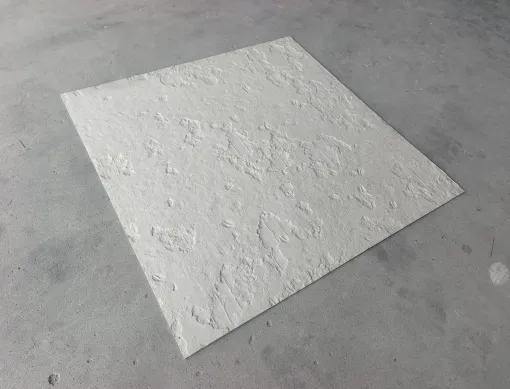
If you're picturing a heavy, rigid slab of rock, think again. Bali Stone is part of COLORIA GROUP's MCM Flexible Stone line—a type of modified cementitious material that's been reimagined for modern needs. Let's break that down: "Modified cementitious" sounds technical, but it's just a fancy way of saying "we took traditional cement and made it better." The team at COLORIA GROUP added special polymers and natural fibers to the mix, resulting in a material that's lightweight (about 70% lighter than natural stone!), bendable, and surprisingly tough.
But what really sets Bali Stone apart is its aesthetic. As the name suggests, it draws inspiration from the natural beauty of Bali—think warm, earthy tones, subtle textures that mimic weathered stone, and a organic, almost handcrafted look. It's the kind of material that makes a building feel connected to nature, whether it's a beachfront villa or a sleek urban apartment. And unlike real stone, which often requires heavy machinery to install and can crack under stress, Bali Stone bends. Imagine wrapping it around curved walls or intricate architectural details—no problem. That flexibility opens up a world of design possibilities.
Fun fact: MCM stands for Modified Cementitious Material. It's a eco-friendly alternative to traditional stone and concrete because it uses less raw material and reduces carbon emissions during production. COLORIA GROUP has been perfecting this technology for decades, and their Saudi Arabian office has been helping spread the word across the Middle East—where extreme temperatures make insulation a top priority.
Now, let's get to the star of the show: thermal insulation. How does a "flexible stone" keep buildings energy-efficient? It all comes down to the material's unique structure. Unlike solid natural stone, which conducts heat like a metal spoon in hot soup, Bali Stone has a micro-porous composition. Picture a sponge with tiny air pockets—those pockets trap heat (or cold) and prevent it from seeping through the walls. It's like having a built-in insulation layer that doesn't add bulk or weight.
To put this in perspective, let's compare it to common cladding materials. Traditional brick walls have a thermal conductivity of around 0.8 W/(m·K), while natural marble can go as high as 2.0 W/(m·K)—meaning heat passes through them quickly. Bali Stone, on the other hand, clocks in at just 0.18 W/(m·K). For non-technical folks, that number means it's over 4 times better at blocking heat transfer than brick. In real-world terms? A home clad in Bali Stone might need 30% less heating in winter and 25% less cooling in summer, according to energy efficiency studies from COLORIA GROUP's lab.
| Material | Thermal Conductivity (W/(m·K)) | Estimated Energy Savings* |
|---|---|---|
| Natural Marble | 1.5–2.0 | 0–5% |
| 0.7–0.9 | 10–15% | |
| 0.18 | 25–30% |
*Based on 1,500 sq ft home in a temperate climate, compared to standard cladding.
Take it from Sarah, a homeowner in Riyadh who renovated her villa with Bali Stone last year: "Before, our AC would run 16 hours a day during summer, and the electricity bill was around 2,000 SAR monthly. Now? We use the AC maybe 10 hours, and the bill's dropped to 1,300 SAR. It's not just the savings—our living room feels cooler, even when the sun's blazing outside. The walls don't radiate heat anymore; they feel… calm."
Thermal insulation is a big win, but Bali Stone (and MCM Flexible Stone in general) has more tricks up its sleeve. Let's talk about weight—traditional stone cladding can weigh 20–30 kg per square meter, which means you need reinforced structures to support it. Bali Stone? Just 4–6 kg per square meter. That's lighter than drywall! For older buildings or structures with weight restrictions, this is a game-changer. Contractors in Jeddah recently used it to revamp a 1970s apartment complex, and they reported cutting installation time by half because they didn't need to reinforce the walls first.
Then there's durability. You might think something flexible would be flimsy, but MCM Flexible Stone is surprisingly tough. It's water-resistant (no more worrying about rain damage or mold), fire-retardant (a must in high-rise buildings), and can handle extreme temperatures—from the -10°C winters in Istanbul to the 50°C summers in Dubai. COLORIA GROUP even tested it against hailstorms and high winds, and the results? Minimal scuffing, no cracks. For commercial buildings that need materials to last decades, this is a huge relief.
Design Freedom Alert: Remember those big, bulky stone slabs that limit your design options? Bali Stone's flexibility means it can follow curves, wrap around columns, or even mimic intricate patterns—like the wave panel or semicircle board designs from COLORIA GROUP's catalog. One hotel in Bali (fittingly!) used it to create a feature wall that looks like flowing water, and guests swear it's the most Instagrammed spot in the lobby. Who said insulation can't be stylish?
Sustainability isn't just a buzzword anymore—it's a requirement for forward-thinking builders. COLORIA GROUP gets this, which is why MCM Flexible Stone is designed with the planet in mind. The production process uses 30% less water than traditional cement manufacturing, and because it's a composite material, it reduces the need for quarrying natural stone (which often disrupts ecosystems). Even better, Bali Stone is fully recyclable at the end of its life. When a school in Riyadh replaced its old cladding last year, they ground up the old Bali Stone panels and reused them as aggregate for new concrete—zero waste, zero guilt.
Then there's the carbon footprint. Buildings account for nearly 40% of global carbon emissions, and a big chunk of that comes from energy use. By cutting heating and cooling needs by 25–30%, Bali Stone helps lower a building's operational carbon footprint over time. It's like choosing a hybrid car over a gas guzzler—small choice, big impact. "We prioritize materials that align with our net-zero goals," says Omar, an architect at a Dubai-based firm. "Bali Stone checks both boxes: it's low-carbon to produce and helps our clients reduce energy use long-term. It's a no-brainer."
Let's look at two projects that showcase Bali Stone's versatility: a residential complex in Dammam and a commercial office in Riyadh.
The Dammam Residences: A 12-building complex with 200+ apartments, the developers wanted a material that could handle the coastal humidity and reduce AC costs. They chose Bali Stone in a warm beige tone (similar to the company's lime stone beige option) for all exterior walls. Six months post-completion, residents report an average 28% drop in electricity bills, and the management team notes that maintenance requests related to wall damage (like cracks from humidity) have dropped to almost zero.
The Riyadh Tech Hub: This sleek office building needed a modern look with a focus on employee comfort. The architects opted for Bali Stone in a mix of textures—including a subtle thread pattern and smooth travertine finish—to create a dynamic facade. The building's energy monitoring system shows that during peak summer months, interior temperatures stay 4–5°C cooler than neighboring offices with traditional cladding. Employees even mention feeling less fatigued in the afternoons, likely due to more stable indoor temperatures.
"We didn't just want a pretty building—we wanted one that worked smarter. Bali Stone delivered on both. The insulation performance exceeded our projections, and the design flexibility let us create a facade that stands out in Riyadh's skyline." — Lina, Lead Architect on the Riyadh Tech Hub Project
Still on the fence? Let's ask the key questions:
Do you live in an area with extreme temperatures? If you're in Riyadh, Doha, or anywhere with scorching summers or freezing winters, the insulation benefits alone make Bali Stone worth considering.
Are you building or renovating on a budget? While MCM Flexible Stone might cost a bit more upfront than basic brick, the energy savings and lower installation costs (no heavy machinery needed!) mean it pays for itself in 3–5 years. Think of it as an investment, not an expense.
Do you care about design? If you want your home or business to look unique—whether you prefer the rustic charm of pine bark board or the modern sleekness of lunar peak silvery—Bali Stone's customization options have you covered.
And remember, COLORIA GROUP isn't just selling a product—they're offering a one-stop solution. With their decades of experience and a presence in Saudi Arabia, they handle everything from material selection to installation guidance. No more coordinating with multiple suppliers; it's like having a design and tech team in your corner.
As the world gets more serious about climate change, building materials that prioritize energy efficiency and sustainability will only grow in demand. Bali Stone and MCM Flexible Stone represent that future—a future where our buildings don't just shelter us, but work with us to create healthier, more efficient spaces. It's not just about saving money (though that's a nice bonus); it's about creating buildings that respect the planet and the people inside them.
So, the next time you're planning a renovation or starting a new build, ask yourself: What's my wall doing for me? If the answer is "just holding up the roof," maybe it's time to upgrade. Bali Stone isn't just a cladding material—it's a smarter way to build, live, and save. And in a world where every degree (and every dollar) counts, that's a choice worth making.
Recommend Products












