
Step into a busy downtown restaurant during lunch hour, and you'll likely be greeted by the familiar chaos of clinking cutlery, overlapping conversations, and the hum of espresso machines. It's a symphony of activity—but for many, it's a symphony that quickly turns into a headache. In today's commercial design, open layouts, high ceilings, and sleek surfaces have become status symbols, but they often come with a hidden price: poor acoustics. Noise isn't just an annoyance; it's a silent productivity killer, a mood dampener, and a customer repellent.
Consider this: A study by the World Green Building Council found that excessive noise in offices reduces employee productivity by up to 20%. In restaurants, diners report feeling rushed to leave when noise levels exceed 75 decibels (about the volume of a vacuum cleaner), cutting down on average spend per table. Even in retail spaces, loud environments make shoppers less likely to linger or return. The problem is clear: modern commercial spaces are built to look good, but not to sound good.
The root of the issue often lies in the materials we choose. Shiny marble floors, smooth concrete walls, and metal accents—while visually striking—are acoustic nightmares. They reflect sound waves like mirrors, turning a single conversation into a room-wide echo. To fix this, designers are starting to look beyond aesthetics and prioritize materials that work with sound, not against it. And one material is emerging as a standout solution: bamboo mat board.
Before diving into bamboo mat board, let's break down the basics: how do building materials affect sound? Acoustics in a space depend on three key factors: absorption, reflection, and transmission. Absorption is how well a material soaks up sound waves (think of a sponge soaking up water). Reflection is how much sound bounces off a surface (like a mirror bouncing light). Transmission is how easily sound passes through a material (like how voices carry through thin walls).
Hard, non-porous materials—like fair-faced concrete or polished marble—are terrible at absorption. They reflect 80-90% of sound, creating that "echo chamber" effect. Soft, porous materials—like fabric or foam—absorb sound well but often lack durability or aesthetic appeal. The sweet spot? Materials that balance absorption, durability, and design. And that's where natural materials like bamboo mat board start to shine.
But bamboo mat board isn't the only player in the game. Let's consider a few common commercial materials: fair-faced concrete, with its industrial-chic vibe, is beloved for its raw, minimalist look—but it's a sound reflector. Foamed aluminium alloy board (vintage silver), popular in modern offices for its sleek finish, has some acoustic benefits thanks to its porous structure but still leans toward reflection. Travertine (beige), a classic natural stone, adds warmth but is dense enough to bounce sound around. Even wood grain board, a staple in cozy cafes, can vary widely in acoustic performance depending on its finish and density. So, how does bamboo mat board stack up against these?
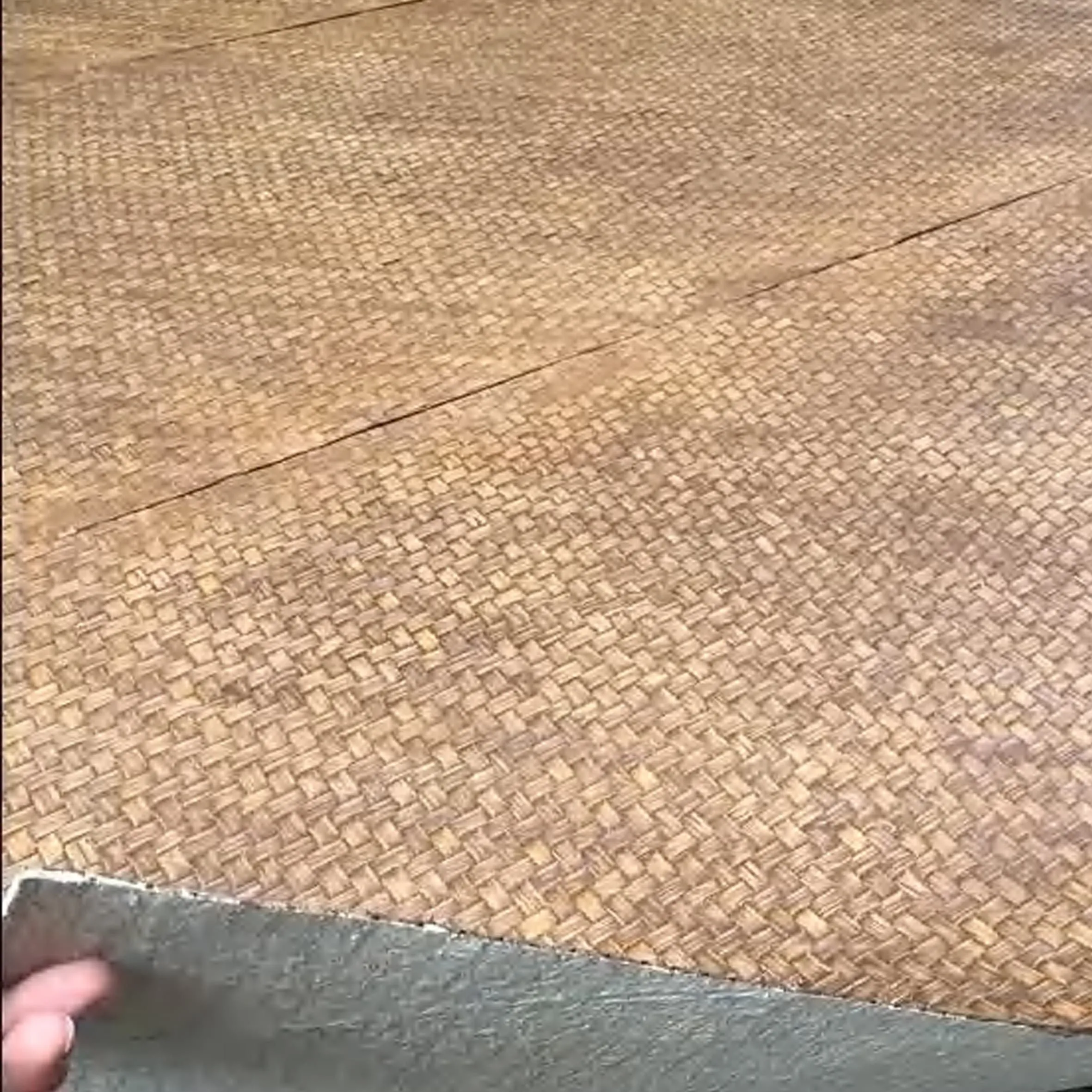
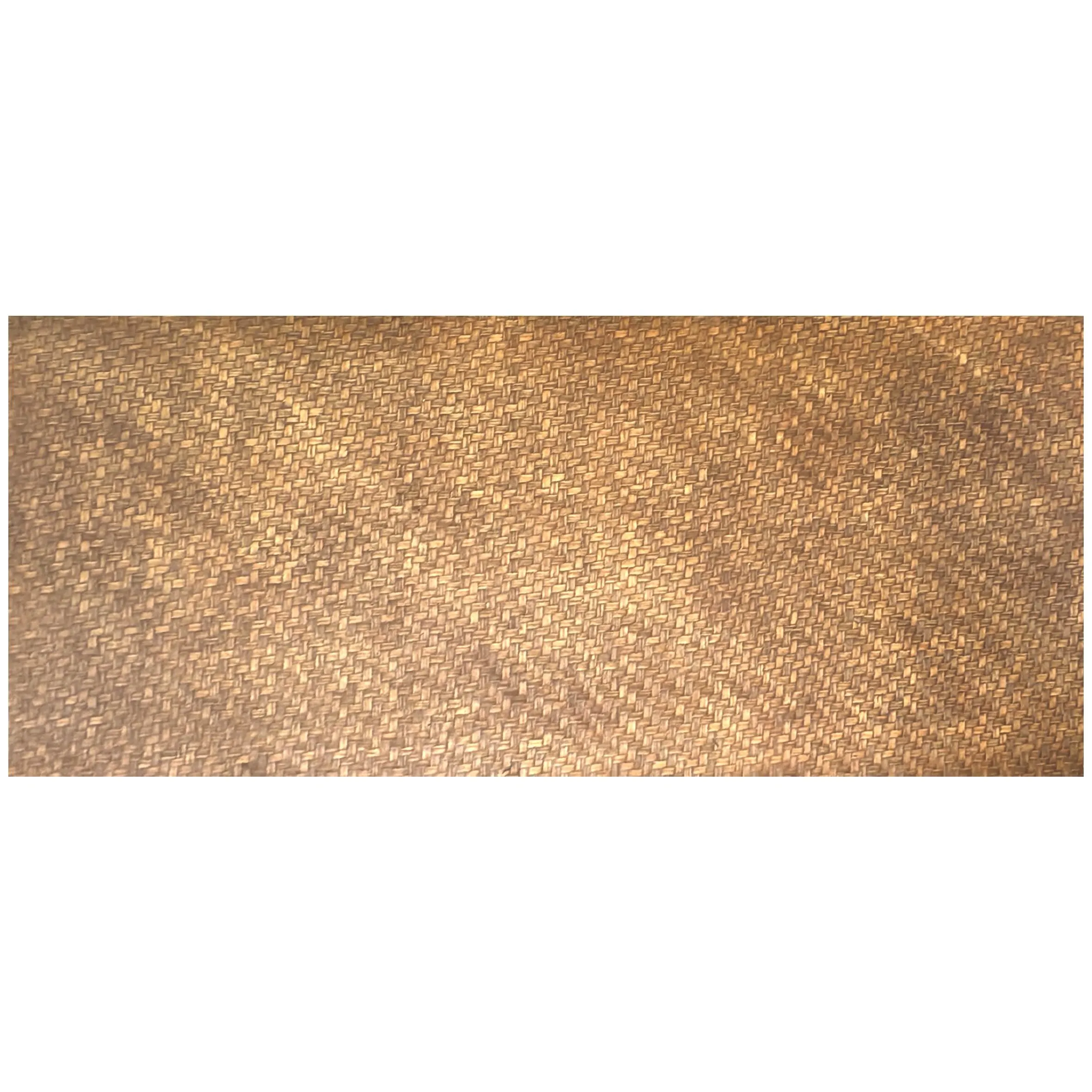
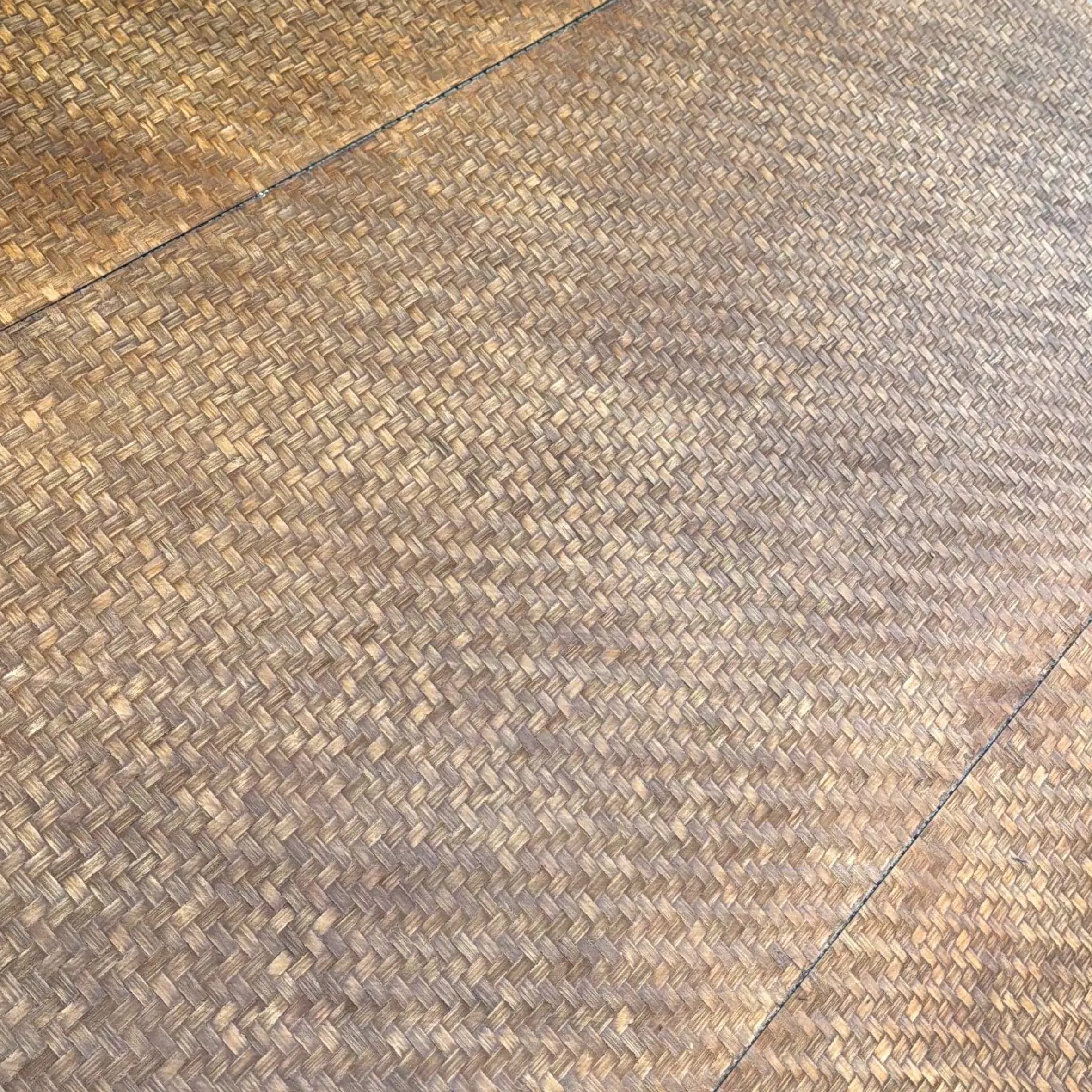
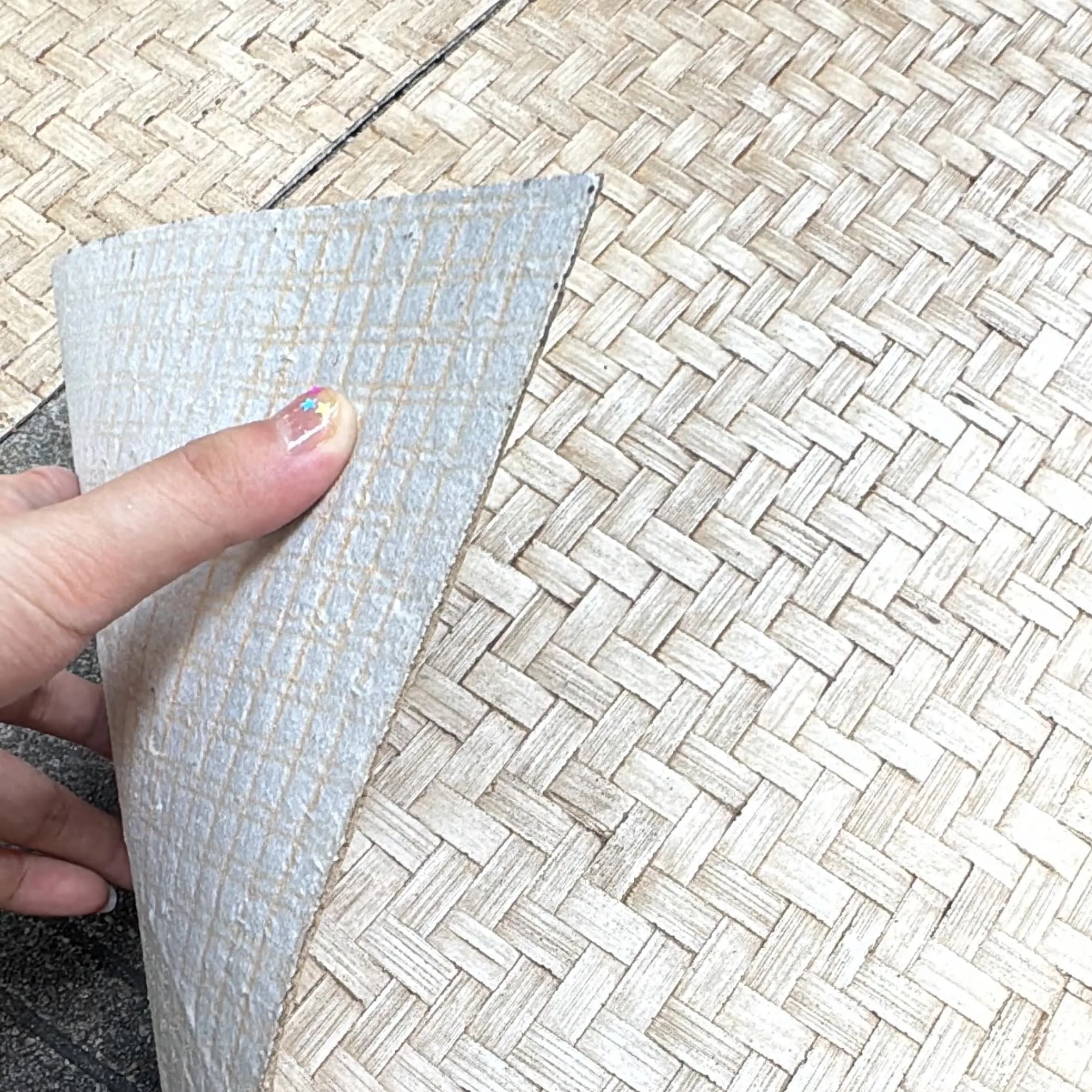
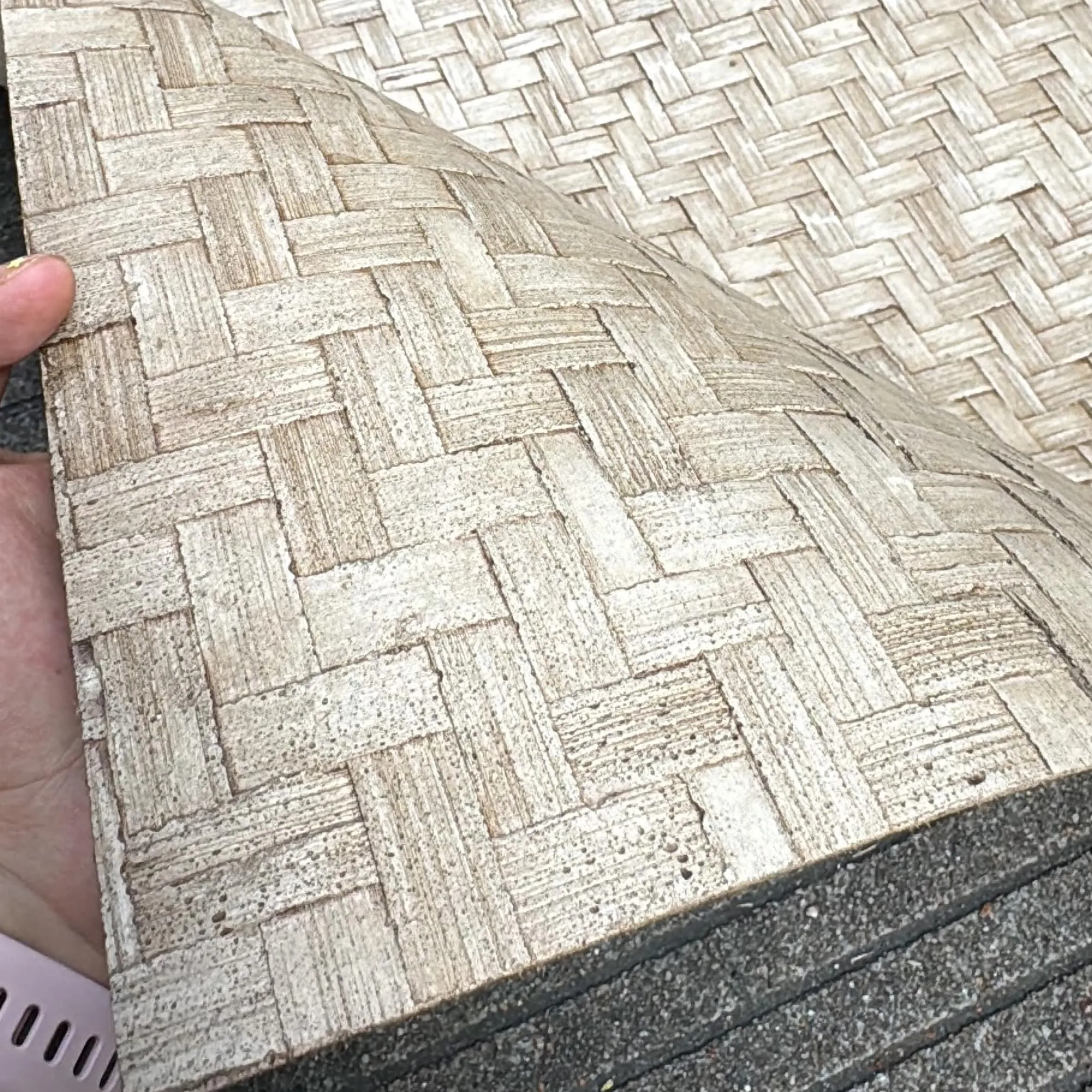
Bamboo has been used in construction for centuries, prized for its strength, flexibility, and sustainability. But bamboo mat board—woven strips of bamboo pressed into panels—takes these qualities a step further, offering a unique blend of form and function. Let's start with the basics: what is bamboo mat board, exactly? It's made by slicing bamboo culms into thin strips, which are then woven into mats (think of a traditional bamboo blind) and bonded together with natural adhesives like soy-based resins. The result is a panel with a textured, organic surface—full of tiny gaps, ridges, and pores.
That texture is key to its acoustic magic. Unlike smooth surfaces that reflect sound in straight lines, the woven pattern of bamboo mat board scatters sound waves. As sound hits the surface, it gets trapped in the tiny crevices between the bamboo strips, where it bounces around and loses energy—kind of like a maze for sound. The porous structure also absorbs sound waves, converting them into small amounts of heat (a process called "frictional damping"). The result? Less echo, less background noise, and a space that feels calmer, even when busy.
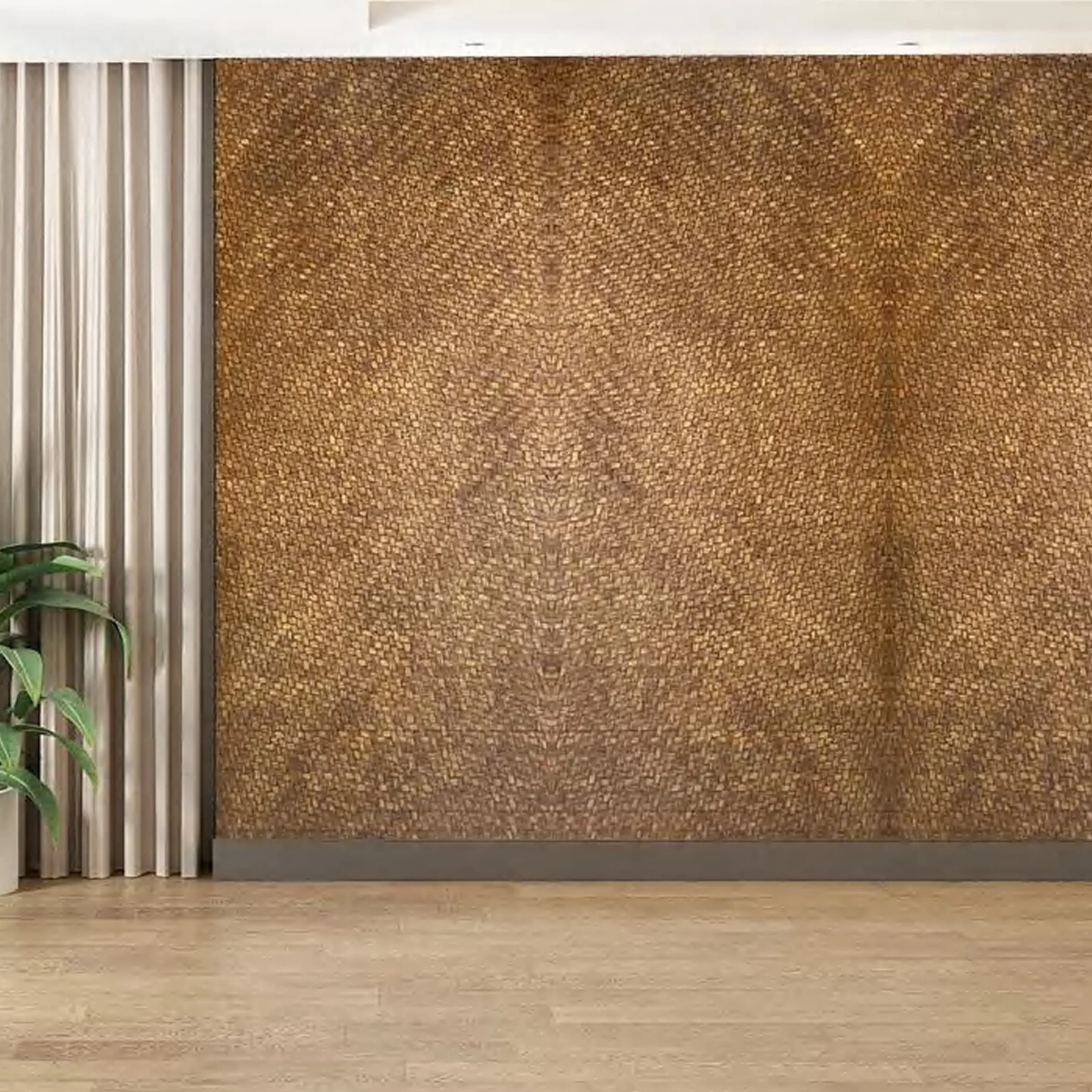
But bamboo mat board isn't just about function—it's about feel. Walk into a room with bamboo mat board walls, and you'll notice the difference immediately. The warm, golden tones of the bamboo add a natural, earthy vibe that softens harsh commercial spaces. It pairs beautifully with other materials: imagine a coffee shop with bamboo mat board accent walls, wooden tables, and travertine (beige) flooring—cozy, inviting, and acoustically balanced. Unlike synthetic acoustic panels, which often look like an afterthought, bamboo mat board enhances a space's design while working behind the scenes to improve sound.
Take, for example, a co-working space in Austin, Texas, that recently renovated its main area. Previously, the space had fair-faced concrete walls and hardwood floors, and employees complained of constant distractions—phone calls from across the room, laughter echoing, and the clatter of keyboards merging into a relentless buzz. The design team installed bamboo mat board on two walls and the ceiling. Within a week, the difference was night and day. "It's like someone turned down the volume," one employee told me. "I can focus on my work without wearing headphones, and meetings actually feel productive instead of chaotic."

To truly understand bamboo mat board's value, let's compare it to four other common commercial materials: fair-faced concrete, foamed aluminium alloy board (vintage silver), travertine (beige), and wood grain board. We'll look at five key factors: noise reduction coefficient (NRC, a scale from 0 to 1, where 1 means perfect absorption), aesthetics, durability, installation ease, and sustainability. The table below breaks it down:
| Material | Noise Reduction Coefficient (NRC) | Aesthetic Vibe | Durability | Installation Ease | Sustainability |
|---|---|---|---|---|---|
| Bamboo Mat Board | 0.6–0.8 (Excellent absorption) | Warm, organic, natural; works in boho, minimalist, or rustic spaces | High (resistant to warping, scratches; lasts 10+ years with care) | Easy (lightweight; can be mounted with adhesive or screws) | Very High (bamboo grows 3x faster than hardwoods; natural adhesives; biodegradable) |
| Fair-faced Concrete | 0.1–0.2 (Poor absorption; high reflection) | Industrial, raw, minimalist; popular in modern offices | Very High (resistant to moisture, fire, and wear; lasts decades) | Difficult (heavy; requires professional pouring/installation) | Low (high carbon footprint from cement production; non-recyclable) |
| Foamed Aluminium Alloy Board (Vintage Silver) | 0.3–0.4 (Moderate absorption) | Sleek, metallic, futuristic; ideal for tech offices or upscale retail | High (rust-resistant, lightweight but strong; scratch-resistant) | Moderate (requires specialized cutting tools; mounting hardware) | Medium (recyclable but energy-intensive to produce; non-biodegradable) |
| Travertine (Beige) | 0.2–0.3 (Low absorption; some natural porosity) | Elegant, warm, timeless; common in hotels and high-end restaurants | Very High (dense stone; resistant to heat, scratches; lasts 50+ years) | Difficult (heavy; requires professional cutting and sealing) | Low (quarrying disrupts ecosystems; non-renewable resource) |
| Wood Grain Board | 0.3–0.5 (Moderate absorption, varies by finish) | Cozy, inviting, rustic; popular in cafes and casual restaurants | Medium (prone to warping in moisture; scratches easily) | Moderate (can be nailed or glued; requires sealing) | Medium (depends on wood type; slow-growing hardwoods have higher impact) |
The takeaway? Bamboo mat board outperforms most common commercial materials in absorption (NRC 0.6–0.8), sustainability, and installation ease—all while offering a unique, natural aesthetic. Fair-faced concrete and travertine (beige) may last longer, but they sacrifice acoustics and sustainability. Foamed aluminium alloy board (vintage silver) and wood grain board are middle-of-the-road, but neither matches bamboo's balance of benefits.
Numbers and tables tell part of the story, but real-world examples bring it to life. Let's look at two commercial spaces that swapped traditional materials for bamboo mat board—and the impact it had on their acoustics and bottom line.
The Green Bean, a popular spot in Seattle's Capitol Hill neighborhood, was struggling with a common problem: customers loved the food and coffee, but many complained about the noise. "We had beautiful exposed brick walls and polished concrete floors—very on-trend—but it was like dining in a tin can," says owner Maria Gonzalez. "People would sit down, order, and leave within 45 minutes because they couldn't hear each other."
In 2023, Maria renovated the space, adding bamboo mat board to the ceiling and one accent wall. The results were immediate. "Our regulars noticed right away," she says. "Noise levels dropped from 78 decibels (loud conversation) to 62 decibels (normal conversation). Now, customers linger—average stay time went up by 25%, and our Yelp reviews are full of comments like 'finally, a cafe where I can talk to my friends!'"
CoLab, a co-working space in downtown Portland, prided itself on its "open, collaborative" layout—but that openness came with a price: constant distractions. "We had teams on calls, people brainstorming, and the noise just bled into every corner," says manager Jake Lin. "Members were leaving for quieter spaces, and our retention rate was dropping."
The solution? Bamboo mat board panels installed on the walls between workstations and along the ceiling. "We paired it with wood grain board desks to keep the warm vibe," Jake explains. "Now, noise levels are down by 15 decibels, and members say they're 30% more productive. We've even had new members join specifically because they heard we 'fixed the noise problem.'"
These stories aren't anomalies. Bamboo mat board works because it addresses the root cause of noise—reflection—while enhancing the space's design. It's not a band-aid (like adding more rugs or curtains); it's a foundational solution.
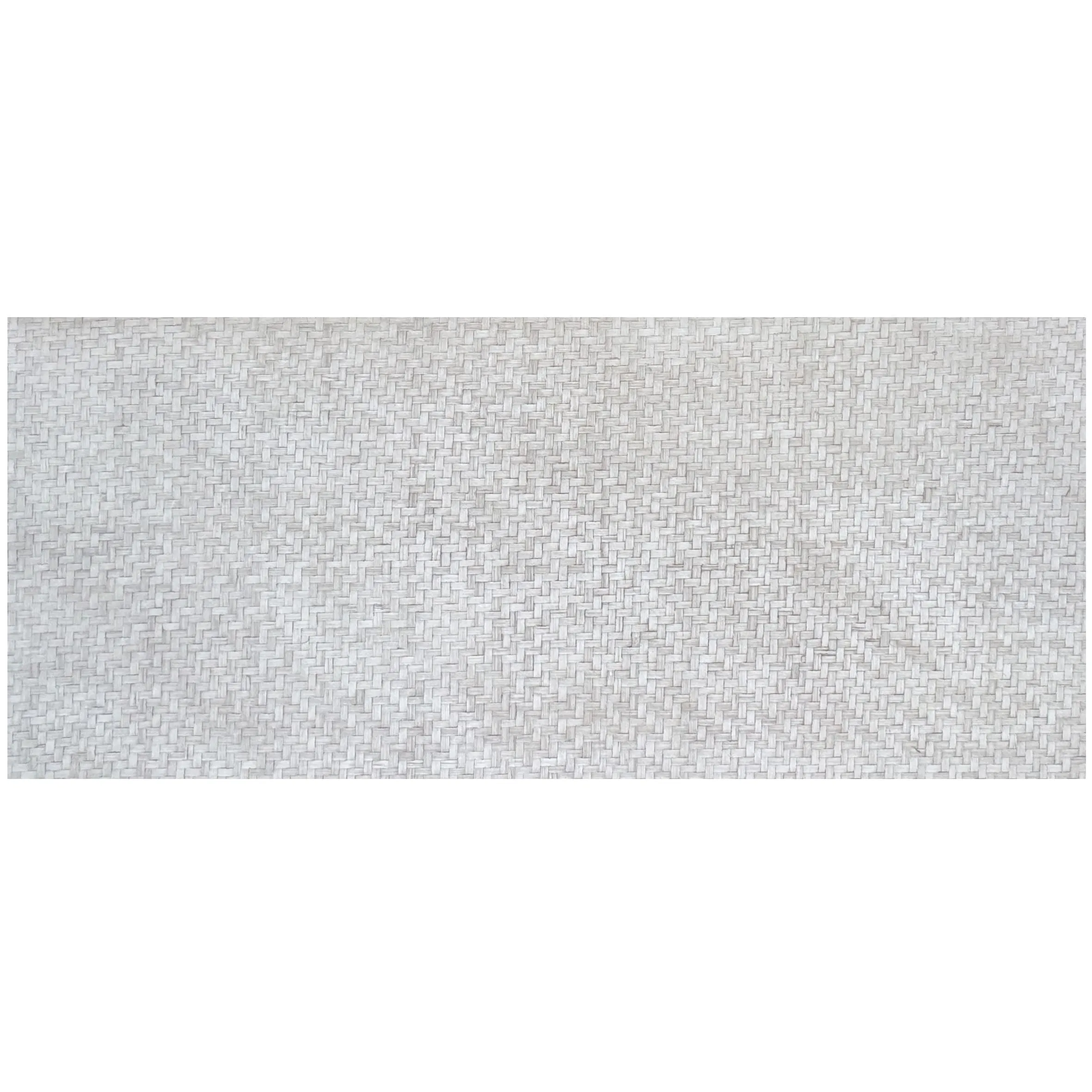
So, you're sold on bamboo mat board—now what? Installing it is surprisingly straightforward, but there are a few key tips to ensure it performs (and looks) its best.
Installation: Bamboo mat board is lightweight (around 3–5 pounds per square foot), making it easy to handle. It can be mounted directly to walls or ceilings using construction adhesive (for smooth surfaces) or screws (for stud mounting). For best acoustic results, leave a small air gap (1–2 inches) between the panel and the wall—this creates a "dead air" space that enhances absorption. Avoid installing it in areas with high moisture (like bathrooms) unless you seal it with a water-resistant coating.
Maintenance: Bamboo is naturally resistant to mold and mildew, but it does need basic care. Dust regularly with a dry cloth or vacuum with a soft brush attachment. For stains, wipe with a damp cloth and mild soap (avoid harsh chemicals like bleach). Over time, bamboo may fade slightly in direct sunlight, so consider UV-protective sealant if installing near large windows. With proper care, bamboo mat board can last 10–15 years—longer than many synthetic acoustic panels.
Design Tips: Mix and match! Bamboo mat board pairs beautifully with other materials. Try combining it with foamed aluminium alloy board (vintage silver) for a modern-natural hybrid look, or with travertine (beige) flooring for a warm, earthy feel. Use it on accent walls, ceilings, or even as room dividers to section off noisy areas (like a cafe's kitchen or a co-working space's phone booths).
In today's world, "green" isn't just a trend—it's a necessity. Commercial spaces are under pressure to reduce their environmental footprint, and building materials play a huge role in that. Bamboo mat board shines here, too. Let's compare its sustainability to other materials:
At the end of its life, bamboo mat board is biodegradable, unlike synthetic panels that end up in landfills. For businesses aiming for LEED certification or other green building standards, bamboo mat board is a no-brainer—it checks boxes for material efficiency, renewable resources, and low emissions.
Noise in commercial spaces is a problem we've learned to accept, but it doesn't have to be. Bamboo mat board offers a solution that's equal parts practical and poetic: it absorbs sound, enhances design, and treads lightly on the planet. It's not just a building material—it's a way to create spaces that feel human. Spaces where people can connect, work, and relax without shouting over the noise.
Whether you're designing a cafe, office, restaurant, or retail store, bamboo mat board deserves a spot on your material list. It's a reminder that the best design isn't just about how a space looks—it's about how it feels . And in a world that's getting louder by the day, that feeling is priceless.
So, the next time you walk into a noisy commercial space, ask yourself: what if they'd used bamboo mat board? Chances are, you'd stay a little longer, talk a little easier, and leave a little happier. And isn't that the point of any great space?
Recommend Products












