
Walk down any street, and you'll notice it: buildings aren't just structures—they're silent storytellers. They shape how we feel when we wake up in the morning, how productive we are at work, and even how connected we feel to our communities. But in recent years, these storytellers have started whispering a new narrative: one of sustainability. As the world grapples with climate change, the construction industry has begun to rethink the materials that go into our buildings, prioritizing those that tread lightly on the planet while enhancing our daily lives. Among these materials, one stands out for its blend of tradition, innovation, and eco-friendliness: bamboo mat board. Let's dive into how this unassuming material is not just changing the way we build, but also helping structures around the world meet the rigorous standards of global green building certifications.
Gone are the days when a building's success was measured solely by its height or aesthetic appeal. Today, a building's "green quotient"—its ability to minimize environmental impact while maximizing efficiency—has become just as important. This shift isn't just a trend; it's a necessity. According to the United Nations, the construction industry accounts for nearly 40% of global carbon emissions. Green building certifications, like LEED (Leadership in Energy and Environmental Design) and BREEAM (Building Research Establishment Environmental Assessment Method), were created to address this, acting as roadmaps for builders, architects, and developers who want to do better.
These certifications aren't just about checking boxes, though. They're about creating spaces that are healthier for people and the planet. A LEED-certified building, for example, might use materials that reduce indoor air pollution, conserve water, or lower energy bills. For occupants, that means fewer allergies, more natural light, and a space that feels less like a "box" and more like a partner in well-being. For the planet, it means fewer resources extracted, less waste sent to landfills, and a smaller carbon footprint. In short, green certifications are how we ensure our buildings don't just serve us today, but also leave a livable world for tomorrow.
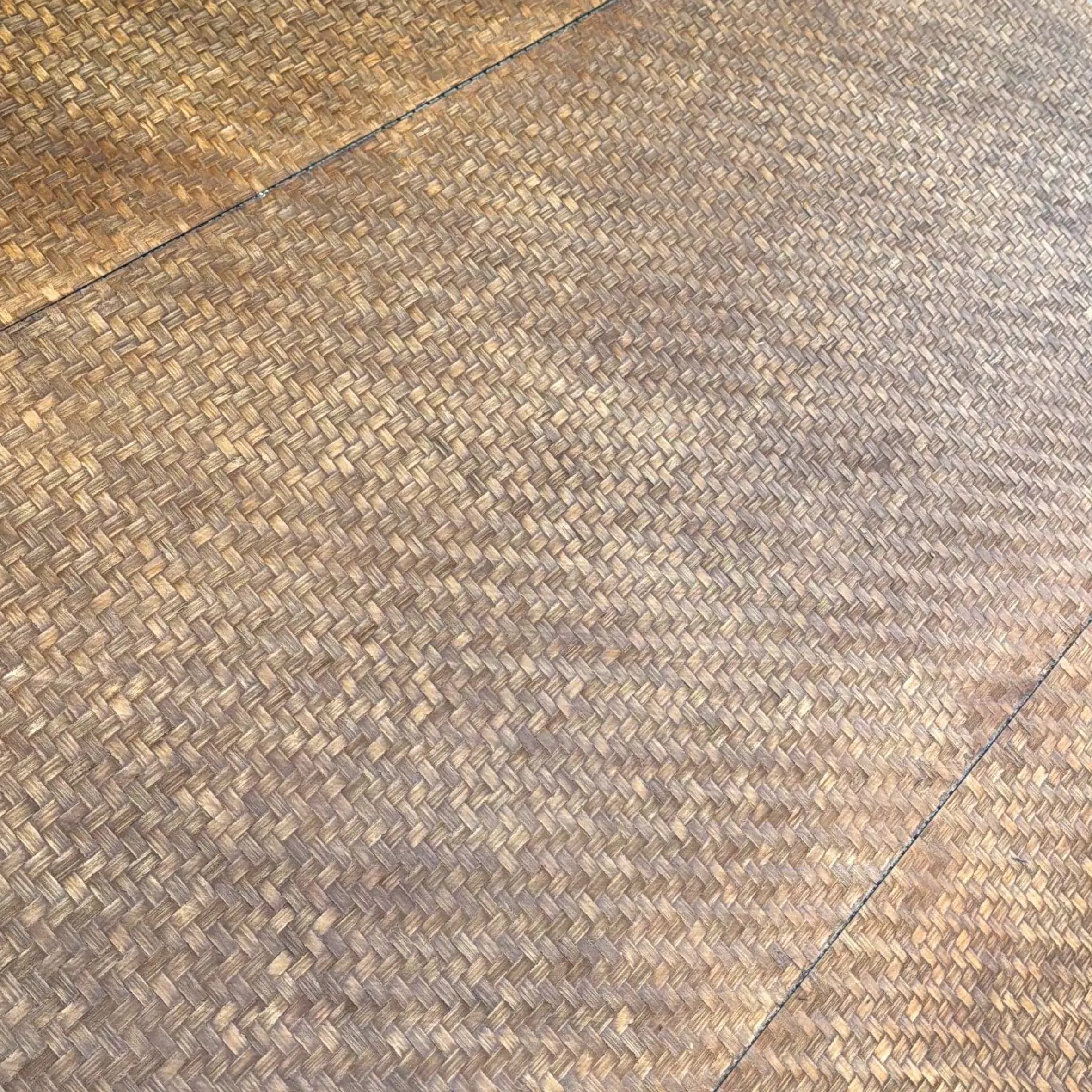
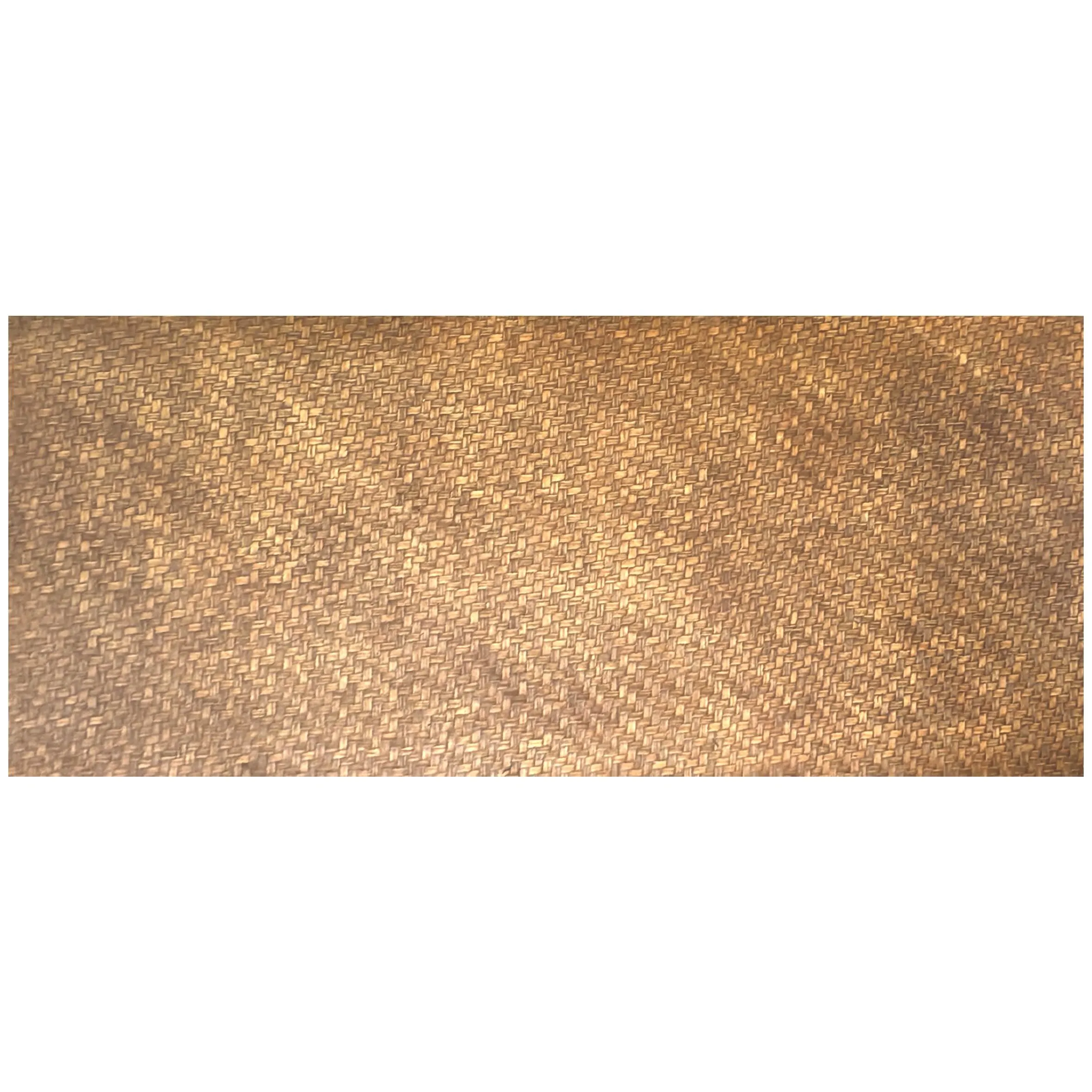
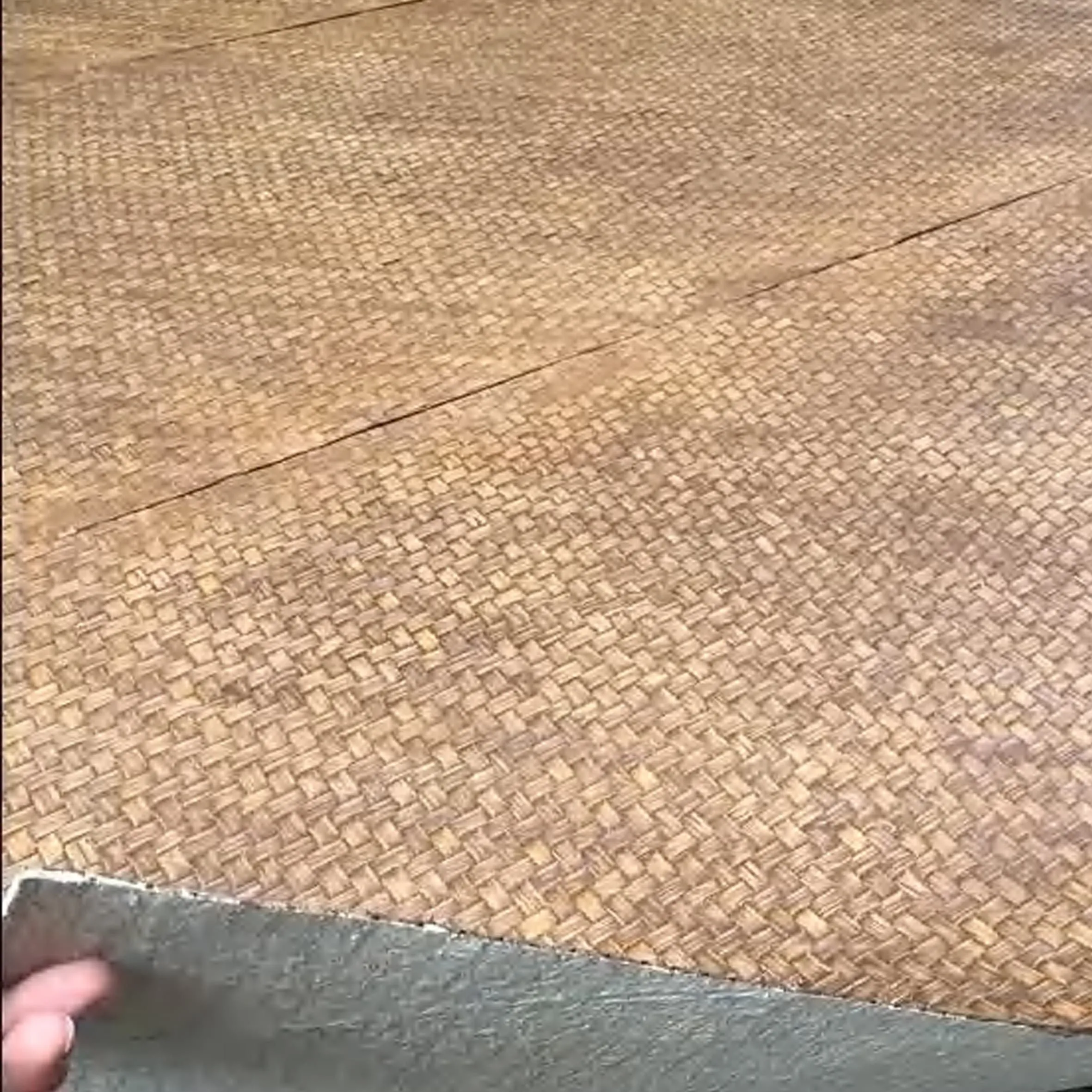
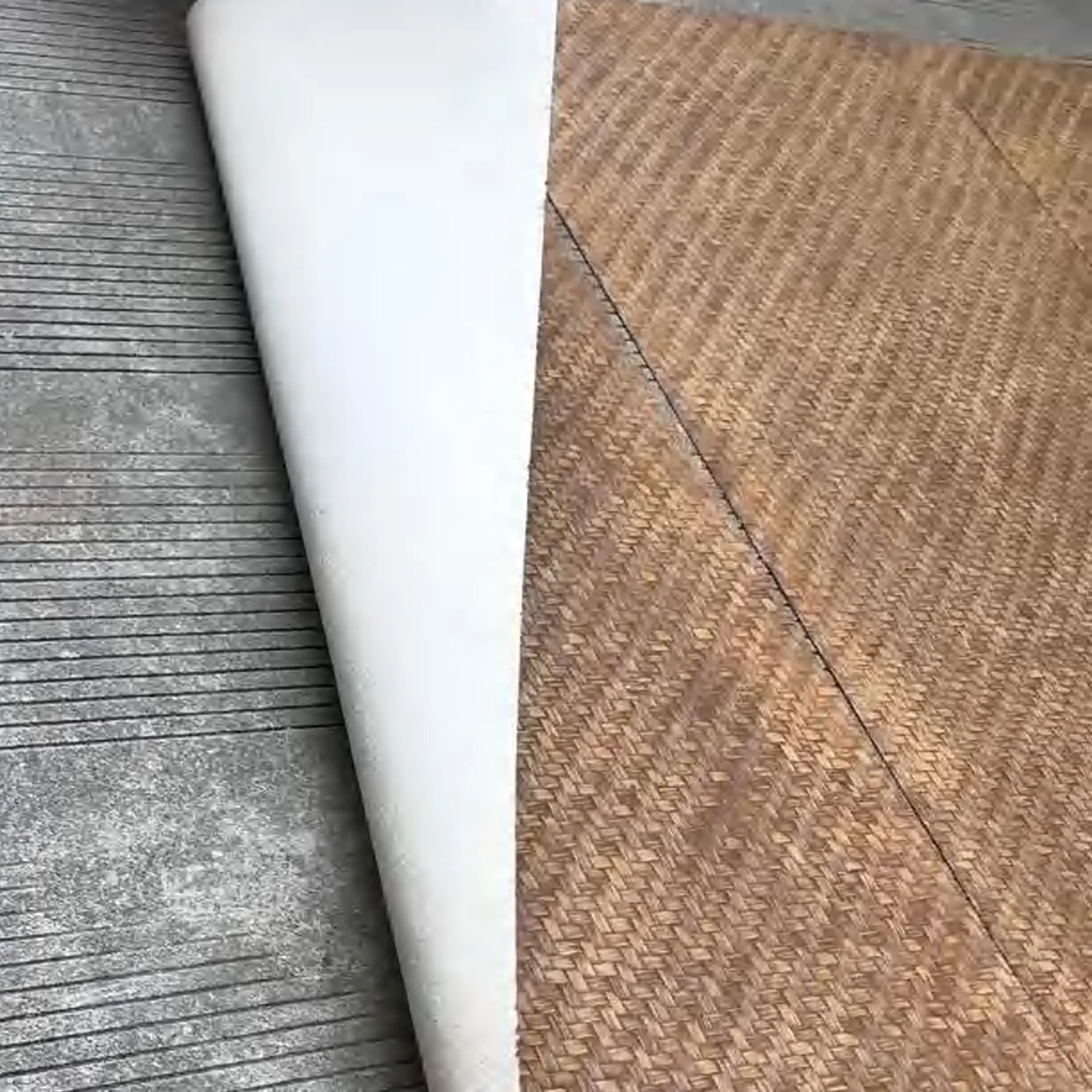
If green building certifications are the goal, then bamboo mat board is the kind of material that helps you cross the finish line with style. But what exactly is it? At its core, bamboo mat board is a composite material made from woven bamboo strips bonded together with eco-friendly adhesives. It's simple, but its impact is anything but. Bamboo itself is a wonder plant: it grows up to 3 feet per day, requires no pesticides, and absorbs 5 times more carbon dioxide than equivalent trees. Unlike hardwoods, which can take decades to mature, bamboo is ready to harvest in just 3–5 years, making it one of the most renewable resources on the planet.
But bamboo mat board isn't just sustainable—it's also surprisingly versatile. Walk into a modern café, and you might find it on the walls, adding a warm, natural texture that synthetic panels can't replicate. Visit a boutique hotel, and it could be underfoot, its woven pattern creating a subtle, organic rhythm. Even in commercial offices, designers are using it for furniture and partitions, drawn to its ability to soften harsh, corporate spaces. "There's a tactile quality to bamboo mat board that people respond to," says Elena Rodriguez, a sustainable interior designer based in Barcelona. "It's not just a surface—it's a conversation starter. Clients often say it makes their space feel 'alive.'"
What truly sets bamboo mat board apart, though, is its manufacturing process. Traditional wood-based panels often rely on formaldehyde-based adhesives, which release harmful VOCs (volatile organic compounds) into the air. Bamboo mat board, by contrast, uses low-VOC or formaldehyde-free adhesives, making it safer for indoor environments. Plus, because bamboo is so strong—its tensile strength rivals steel—it requires less material to achieve the same durability as other woods, reducing waste. It's a material that proves sustainability doesn't have to mean sacrificing performance.
So, how does bamboo mat board stack up against the strict criteria of green building certifications? Let's take LEED, the most widely used certification globally, as an example. LEED awards points based on categories like "Materials and Resources," "Indoor Environmental Quality," and "Sustainable Sites." Bamboo mat board shines in several of these.
First, under "Materials and Resources," LEED rewards the use of rapidly renewable materials—those that can be replenished in 10 years or less. Bamboo, as we've established, is one of the fastest-growing plants on Earth, making bamboo mat board a shoe-in for this credit. What's more, many bamboo mat board manufacturers source their bamboo from FSC (Forest Stewardship Council)-certified forests, ensuring that harvesting practices are ethical and don't harm local ecosystems. This can earn additional points for "Certified Wood" under LEED's MR credit.
Then there's "Indoor Environmental Quality." LEED places a premium on materials that don't off-gas harmful chemicals, as poor indoor air quality is linked to headaches, fatigue, and long-term health issues. Because bamboo mat board uses low-VOC adhesives, it helps buildings meet LEED's low-emitting materials requirements, contributing to healthier indoor spaces. Imagine walking into a classroom where the walls are made of bamboo mat board instead of vinyl: no harsh chemical smells, just the faint, earthy scent of bamboo. That's the difference these materials make.
BREEAM, another leading certification, takes a similar approach, with criteria focused on "Material Efficiency" and "Health and Well-being." Bamboo mat board's durability—its resistance to warping, rotting, and pests—means it has a longer lifespan than many synthetic materials, reducing the need for frequent replacements. This aligns with BREEAM's push for materials that minimize waste over a building's lifetime. Plus, its natural texture can even contribute to "Visual Comfort" credits, as studies show that natural materials reduce stress and improve mood in indoor environments.
Bamboo mat board is a star player, but it rarely works alone. The best green buildings use a "team" of sustainable materials, each contributing its own strengths. Let's take a look at two other materials that, when paired with bamboo mat board, help projects reach new heights of sustainability: fair-faced concrete and epoch stone.
Fair-faced concrete is exactly what it sounds like: concrete that's left "as is," without additional finishes like paint or tiles. On the surface, that might not sound exciting, but its sustainability benefits are hard to ignore. By skipping extra finishes, fair-faced concrete reduces the amount of materials used in a project—no need for toxic paints or resource-heavy tiles. It also has a long lifespan, often lasting 50+ years with minimal maintenance. When paired with bamboo mat board, the contrast is striking: the warm, organic texture of bamboo softens the cool, industrial look of concrete, creating spaces that feel both modern and grounded. Think of a community center where the exterior is fair-faced concrete (durable and low-maintenance) and the interior walls are bamboo mat board (warm and inviting)—it's a balance of function and feeling.
Then there's epoch stone, a material designed to mimic the look of natural stone but with a lower environmental impact. Unlike traditional stone, which requires extensive mining and transportation (both carbon-intensive), epoch stone is often made from recycled materials like crushed stone, sand, and even industrial byproducts. It's also lighter than natural stone, reducing fuel use during transportation. When used alongside bamboo mat board, epoch stone adds a touch of elegance—think kitchen countertops or accent walls—without the guilt. "We used epoch stone for the lobby floors of a recent hotel project and paired it with bamboo mat board ceilings," says Rodriguez. "Guests comment on how 'luxurious' the space feels, not realizing it's also one of the most sustainable parts of the building."
And let's not forget foamed aluminium alloy board, another material making waves in green construction. Lightweight and recyclable, foamed aluminium alloy board (available in finishes like vintage silver and gold) is often used for facades or cladding. Its insulating properties help buildings reduce energy use for heating and cooling, aligning with LEED's "Energy and Atmosphere" credits. When combined with bamboo mat board, it creates a dynamic visual contrast—sleek metal and warm bamboo—that feels both modern and timeless.
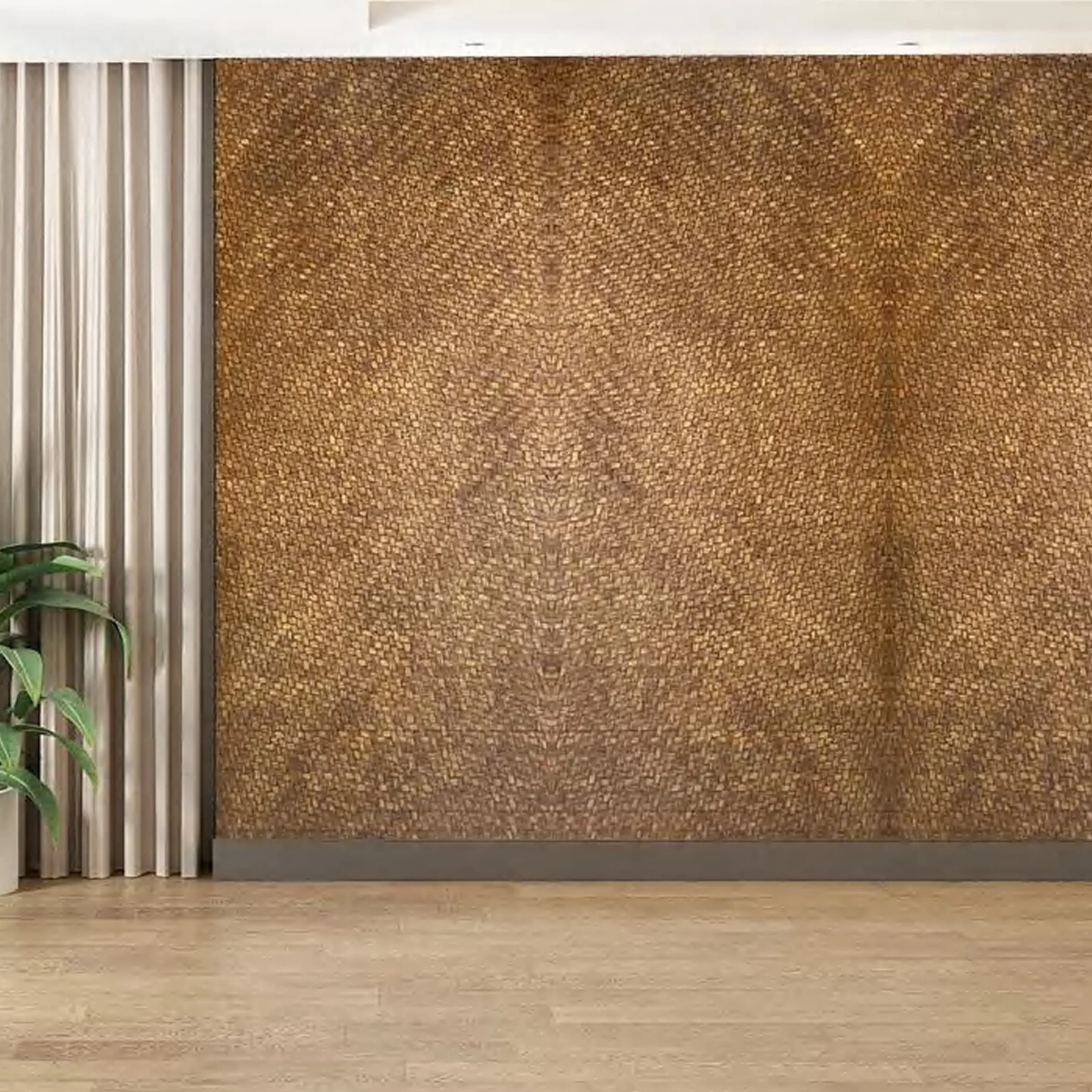
To see how these materials work together in practice, let's look at a hypothetical (but realistic) project: the GreenHaven Community Center in Seattle, Washington. The goal? To create a space that would serve as a hub for local residents while earning LEED Platinum certification—the highest level of LEED achievement.
The design team, led by architect Maya Patel, knew materials would be key. For the interior walls and ceilings, they chose bamboo mat board. "We wanted something that would make the space feel welcoming, especially for kids and families," Patel explains. "Bamboo mat board's texture is soft enough to feel homey but durable enough to withstand daily use. Plus, its rapid renewability was a big plus for LEED points."
For the exterior, Patel's team opted for fair-faced concrete, citing its low maintenance and raw, honest aesthetic. "Seattle gets a lot of rain, so we needed something that could handle the elements without constant upkeep," she says. "Fair-faced concrete ages beautifully—over time, it develops a patina that tells the story of the building. It also paired perfectly with the bamboo mat board inside, creating a cohesive look."
To add visual interest to the lobby, they used epoch stone for the reception desk and accent walls. "Epoch stone gave us the look of natural marble without the environmental cost," Patel notes. "We even used recycled glass in the mix, which earned us extra LEED points for 'Recycled Content.'" Finally, the building's facade featured foamed aluminium alloy board (vintage silver) for its insulating properties, helping reduce the center's heating costs by 25%.
The result? GreenHaven earned LEED Platinum certification, becoming a model for sustainable community spaces. But more importantly, it became a place where residents wanted to spend time. "Parents tell me their kids love the 'soft walls'—the bamboo mat board," Patel laughs. "Older residents say the space feels 'calming,' like being in a forest. That's the power of these materials: they don't just meet certifications—they improve lives."
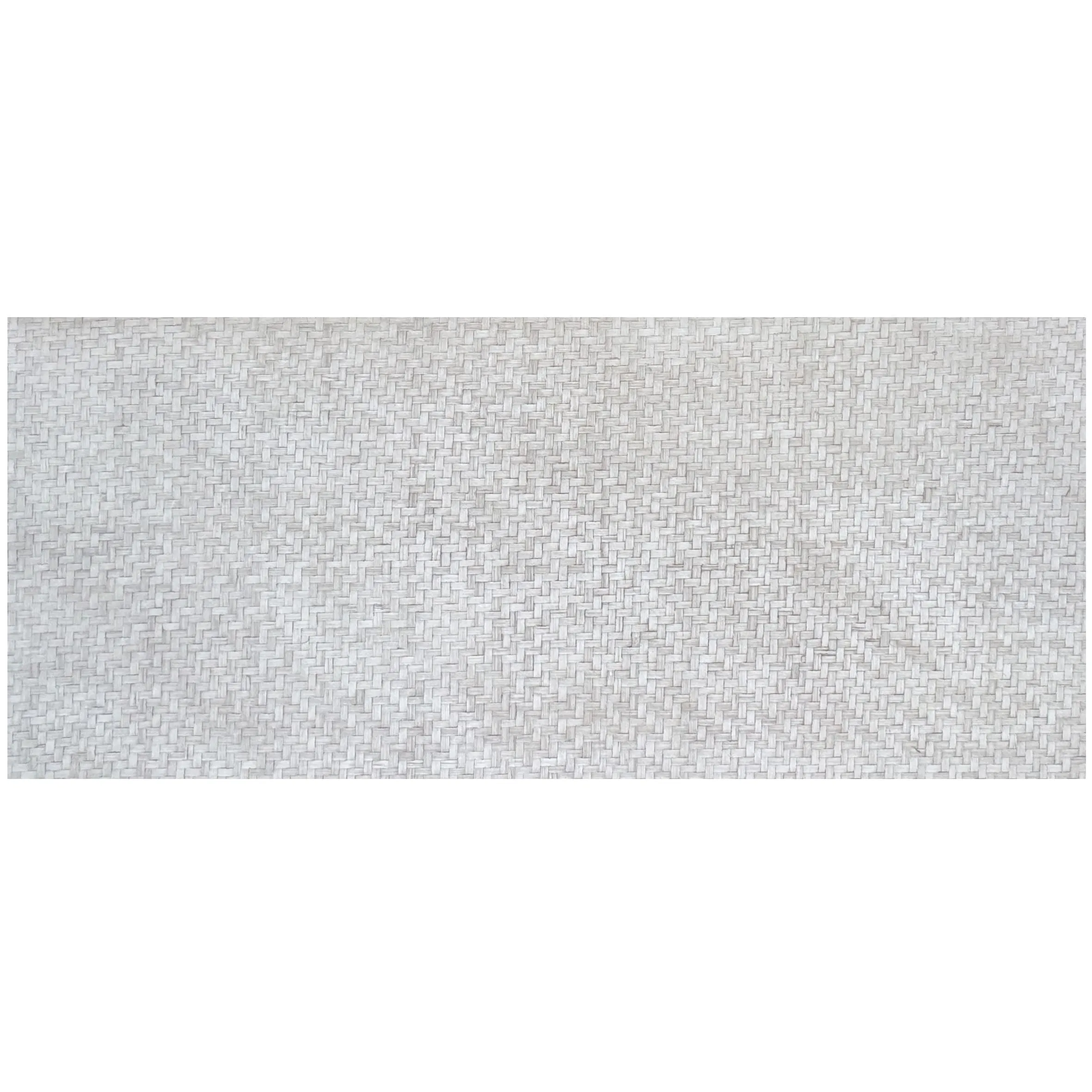
As green building certifications become more mainstream, materials like bamboo mat board are poised to become even more essential. But the future holds more than just wider adoption— it holds innovation. Manufacturers are already experimenting with ways to make bamboo mat board even more sustainable, like using mushroom-based adhesives instead of synthetic ones or integrating recycled fibers into the weave for added strength.
Certifications themselves are evolving, too. Newer versions of LEED and BREEAM are placing greater emphasis on "circular economy" principles—designing buildings and materials so that nothing goes to waste. Bamboo mat board, with its biodegradable nature and potential for recycling, fits perfectly into this vision. Imagine a building that, at the end of its life, can be deconstructed, and its bamboo mat board walls can be composted or repurposed into new products. That's the circular future we're building toward.
Consumer demand is also driving change. Today's homeowners and renters are more eco-conscious than ever, often willing to pay a premium for green-certified spaces. This is pushing developers to prioritize sustainable materials from the start, not as an afterthought. "Five years ago, clients would ask, 'How much extra will this cost?'" Rodriguez says. "Now, they ask, 'What's the most sustainable option?' That shift in mindset is everything."
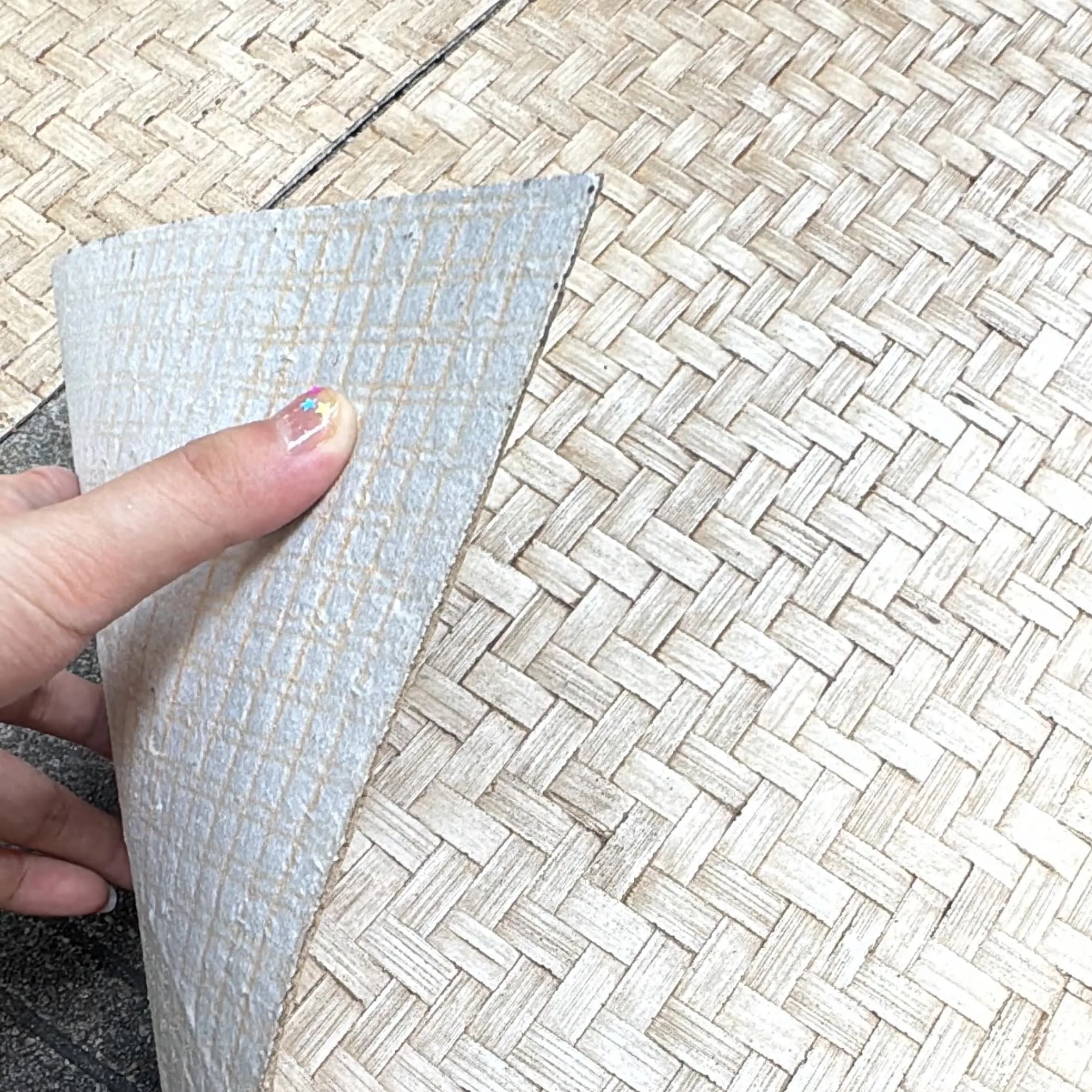
| Material | Sustainability Features | Key Certifications Aligned | Typical Applications |
|---|---|---|---|
| Bamboo Mat Board | Rapidly renewable (3–5 year growth cycle), low-VOC adhesives, FSC-certified sourcing | LEED (Materials and Resources, Indoor Environmental Quality), BREEAM (Health and Well-being) | Interior walls, ceilings, furniture, partitions |
| Fair-faced Concrete | Minimal finishes (reduces material use), long lifespan (50+ years), thermal mass for energy efficiency | LEED (Energy and Atmosphere, Materials and Resources), BREEAM (Material Efficiency) | Exterior facades, floors, structural elements |
| Epoch Stone | Made from recycled materials (crushed stone, glass), mimics natural stone without mining | LEED (Recycled Content), BREEAM (Circular Economy) | Countertops, accent walls, flooring |
| Foamed Aluminium Alloy Board (Vintage Silver) | Lightweight (reduces transportation emissions), 100% recyclable, insulating properties | LEED (Energy and Atmosphere), BREEAM (Energy Efficiency) | Facades, cladding, roofing |
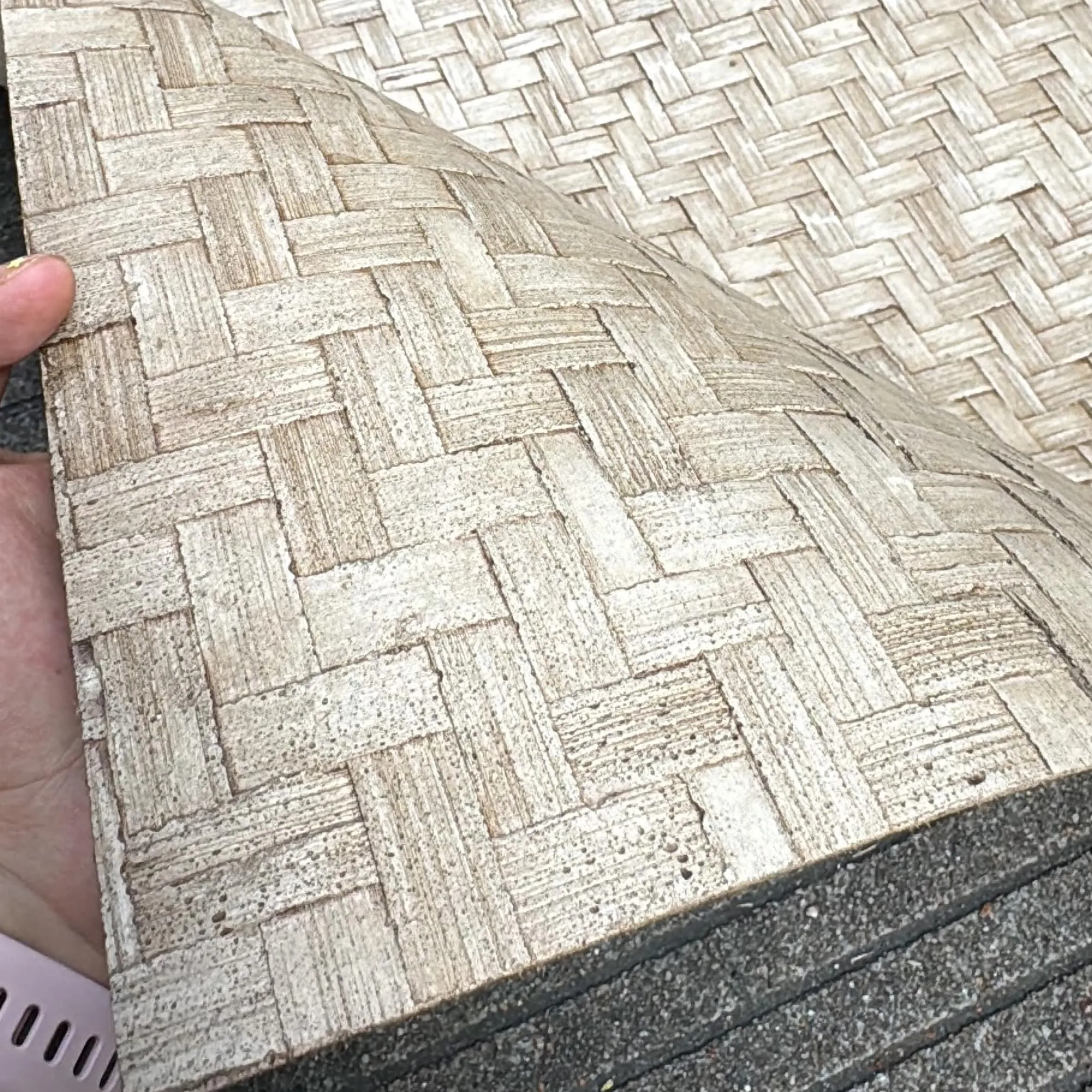
At the end of the day, bamboo mat board is more than just a material. It's a symbol of how we can reimagine construction—how we can build in a way that honors both people and the planet. When paired with materials like fair-faced concrete, epoch stone, and foamed aluminium alloy board, it becomes part of a movement: one that says buildings don't have to harm the environment to be beautiful, functional, or comfortable.
Green building certifications aren't perfect, but they're a start. They give us a framework to measure progress, to hold ourselves accountable, and to strive for better. And materials like bamboo mat board are the tools we use to meet those standards—not because we have to, but because we want to. We want buildings that tell a story of resilience, of respect, and of hope. We want buildings that, when our grandchildren walk through their doors, make them proud of the choices we made.
So the next time you walk into a building, take a moment to notice the materials around you. Are they cold and synthetic, or warm and alive? Are they taking from the planet, or giving back? Chances are, if they're giving back, bamboo mat board might be part of the story. And that's a story worth building.
Recommend Products












